
For buyers specifically comparing Vietnam clothing suppliers for wholesale bulk orders and custom or private-label runs, this guide focuses on minimum order quantities (MOQs), bulk pricing tiers, and customization capabilities. If you need a broader guide to vetting a manufacturer from scratch, see clothing manufacturers in Vietnam; for an overview of the wider supplier and export network, see garment suppliers in Vietnam. Here, we cover wholesale clothing options, custom clothing manufacturing, quality control, ethical sourcing, and supply chain management with a focus on order volume and customization fit for the garment manufacturers in Vietnam category in 2025.
Finding the Right Vietnam Clothing Suppliers for Wholesale & Custom Orders
Sourcing clothing from Vietnam can be a strategic move for businesses seeking competitive pricing and quality manufacturing. This comprehensive guide provides a roadmap for finding the right Vietnam clothing suppliers, ensuring a successful and profitable partnership. Selecting a suitable supplier is crucial as it directly impacts product quality, production timelines, and overall business success.
Identifying your specific needs is the first critical step in the supplier selection process. Are you looking for OEM (Original Equipment Manufacturing), ODM (Original Design Manufacturing), or private label services? Consider factors like minimum order quantities (MOQs), production capacity, product specialization (e.g., sportswear, casual wear, knitwear), and any specific certifications required (e.g., WRAP, BSCI). Clear requirements will streamline your search and help you target the most appropriate clothing manufacturers in Vietnam.
Navigating the landscape of Vietnamese clothing suppliers requires a strategic approach. Online B2B platforms like Alibaba, Global Sources, and IndustryNet are valuable resources for initial research. These platforms allow you to filter suppliers based on various criteria and read reviews from other buyers. Trade shows such as the Vietnam Textile & Garment Industry Expo (VTG) offer direct interaction with potential partners and a firsthand look at their capabilities. Don’t underestimate the power of networking; connecting with industry peers and seeking referrals can lead to valuable insights and introductions.
Thorough vetting is essential before committing to a supplier. Request samples to assess product quality, construction, and materials. Conduct factory audits, either in person or through a reputable third-party inspection agency, to verify their facilities, equipment, and ethical compliance. Verify the supplier’s business license and export license to ensure they are legally authorized to conduct international trade. For example, overseas buyers prioritize suppliers with verifiable certifications demonstrating adherence to ethical labor practices and environmental standards.
Effective communication is paramount for building a strong supplier relationship. Clearly articulate your expectations regarding quality, timelines, and pricing. Establish a consistent communication channel and maintain regular contact throughout the production process. Cultural differences can sometimes lead to misunderstandings; therefore, patience, clarity, and a willingness to learn are essential.
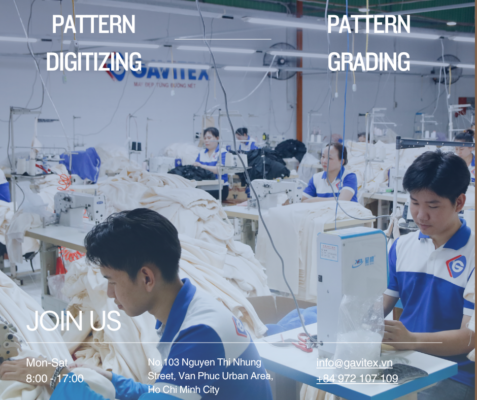
Types of Clothing Suppliers in Vietnam: Understanding Your Options
Navigating the Vietnam clothing suppliers landscape requires a clear understanding of the different types of manufacturers available. Choosing the right clothing supplier is crucial for businesses seeking to optimize their sourcing strategies, whether they prioritize cost-effectiveness, quality, or specialized production capabilities. This section will explore various supplier models in Vietnam, highlighting their strengths and weaknesses to help you make informed decisions, thus ensuring a successful partnership for your clothing production needs.
There are primarily four main types of clothing suppliers operating in Vietnam: Original Equipment Manufacturers (OEM), Original Design Manufacturers (ODM), Cut, Make, and Trim (CMT) factories, and Trading Companies. Understanding the nuances of each type – OEM, ODM, CMT, and trading companies – allows businesses to select the supplier that best aligns with their specific requirements and business model. Each has its own operational style and capabilities, which means understanding them is important to have a successful partnership.
Original Equipment Manufacturers (OEM) specialize in manufacturing products based on your designs and specifications. If you already have a finalized design, technical specifications, and require a manufacturer to produce the goods, then an OEM is the right choice. This option is ideal for businesses with established designs and strong brand recognition.
Original Design Manufacturers (ODM), on the other hand, offer more comprehensive services, including design, development, and manufacturing. An ODM can be a great option if you have a general idea for a product but lack detailed designs or technical expertise. These manufacturers can help bring your vision to life, offering value-added services beyond just manufacturing.
Cut, Make, and Trim (CMT) factories provide the most basic form of manufacturing, focusing solely on cutting, sewing, and assembling garments. CMT factories are best suited for businesses that have their own designs, patterns, and materials readily available. This option is attractive because it can be more cost-effective.
Finally, Trading Companies act as intermediaries between buyers and clothing factories. They don’t directly manufacture clothing but instead source products from various suppliers and handle logistics, communication, and quality control. A trading company might be a good choice if you want someone else to deal with the whole sourcing and manufacturing process and can provide access to a wider network of factories.
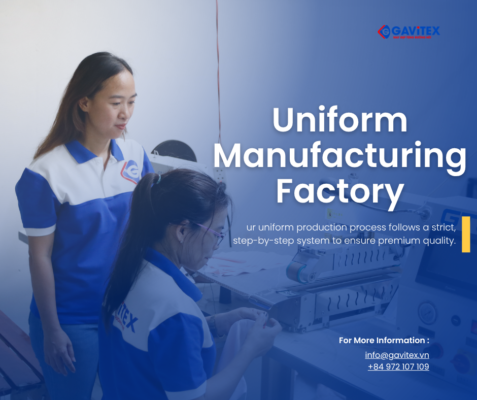
Dive deeper into the world of Vietnamese apparel production: Explore the diverse types of clothing manufacturers available and choose the perfect fit for your brand.
Evaluating Vietnam Clothing Suppliers: Key Factors to Consider
Choosing the right Vietnam clothing suppliers is crucial for businesses aiming to source high-quality garments efficiently and ethically. Evaluating potential clothing manufacturers involves a multi-faceted approach, considering factors beyond just price to ensure a successful and sustainable partnership. This section will explore the key aspects to consider when assessing potential clothing suppliers in Vietnam, providing a framework for informed decision-making.
Firstly, assessing manufacturing capabilities and capacity is paramount. A reliable supplier should demonstrate the ability to consistently meet your production volume and quality standards. This includes verifying their equipment, technology, and skilled workforce. For instance, a supplier specializing in intricate embroidery might not be suitable for large-scale production of basic t-shirts. Capacity can be gauged by inquiring about their monthly output, number of employees, and the types of machinery they possess. A visit to their factory can provide invaluable insights into their operations and overall capabilities.
Secondly, quality control processes play a vital role in ensuring the final product meets your expectations. Effective quality control should be implemented throughout the entire production cycle, from raw material sourcing to final inspection. Look for suppliers who have established quality management systems and are willing to share their quality control reports. Inquire about their defect rates and the procedures they have in place to address any issues that may arise. Independent third-party inspections can also offer an unbiased assessment of their quality control practices.
Thirdly, ethical and sustainable practices are increasingly important considerations. Consumers are becoming more aware of the social and environmental impact of their purchases, making it essential to partner with suppliers who prioritize ethical labor practices and environmental sustainability. Look for certifications such as WRAP, BSCI, or Sedex, which demonstrate a commitment to fair labor standards. Inquire about their environmental policies, including waste management, water conservation, and the use of sustainable materials. Partnering with a Vietnam clothing supplier committed to sustainability enhances your brand reputation and aligns with the values of socially conscious consumers.
Fourthly, communication and responsiveness are critical for a smooth and efficient working relationship. A supplier should be readily accessible and able to communicate clearly and effectively in your preferred language. They should be prompt in responding to inquiries, providing updates on production progress, and addressing any concerns that may arise. Miscommunication can lead to delays, errors, and ultimately, dissatisfaction. Establishing clear communication channels and setting expectations from the outset is essential.
Finally, pricing and payment terms need careful evaluation. While cost is an important factor, it should not be the sole determinant. Compare quotes from multiple suppliers, taking into account not only the unit price but also factors such as minimum order quantities, lead times, and shipping costs. Negotiate payment terms that are favorable to both parties, such as letter of credit or staged payments. Be wary of suppliers who offer significantly lower prices than the market average, as this may indicate compromises on quality or ethical standards.
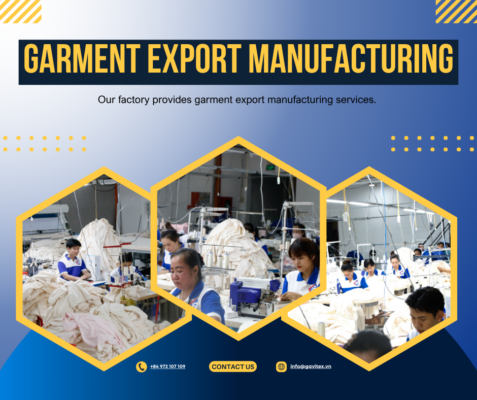
Ready to partner with a Vietnamese supplier? Learn about the essential manufacturing standards you need to evaluate to ensure quality and ethical production.
Building a Strong Relationship with Your Vietnam Clothing Supplier
Developing strong relationships with your Vietnam clothing suppliers is crucial for long-term success in the garment industry, ensuring consistent quality, timely delivery, and competitive pricing. Establishing a solid foundation built on trust and mutual understanding can significantly streamline your supply chain and mitigate potential risks associated with Vietnam clothing manufacturing.
To cultivate a thriving partnership, open and consistent communication is paramount; regularly update your suppliers on your business needs, market trends, and any changes in demand, facilitating proactive planning and problem-solving. This involves providing clear specifications, realistic deadlines, and prompt feedback on samples and production runs. For instance, if overseas buyers anticipates a surge in demand for a particular product line, proactively communicating this forecast to your supplier allows them to allocate resources and raw materials accordingly, preventing delays and ensuring a smooth production process. Effective communication minimizes misunderstandings and fosters a collaborative environment.
Furthermore, fair and transparent business practices are essential. This includes adhering to agreed-upon payment terms, promptly addressing any concerns or disputes, and demonstrating respect for your supplier’s time and resources. Building a reputation as a reliable and ethical partner can significantly enhance your standing and secure preferential treatment, such as priority access to resources or favorable pricing. Consider offering incentives for consistently meeting or exceeding expectations, fostering a sense of shared success. By treating your Vietnam clothing suppliers as valued partners rather than mere service providers, you can cultivate loyalty and unlock a wealth of benefits that contribute to the overall success of overseas buyers.
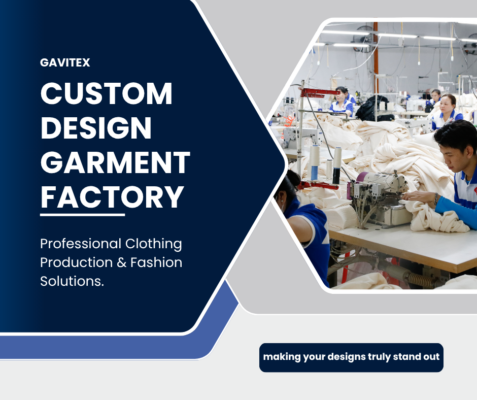
Navigating the Challenges of Working with Vietnam Clothing Suppliers
Successfully navigating the challenges inherent in collaborating with Vietnam clothing suppliers is crucial for businesses seeking to establish a reliable and profitable manufacturing partnership. While Vietnam presents a wealth of opportunities for apparel sourcing, understanding and proactively addressing potential hurdles is key to mitigating risks and ensuring smooth operations. These challenges can range from communication barriers and quality control issues to logistical complexities and cultural differences, impacting the overall efficiency and success of your sourcing endeavors with Vietnam clothing suppliers.
One significant hurdle often encountered is the language barrier. Effective communication is vital for conveying design specifications, quality standards, and production timelines accurately. To overcome this, consider:
- Employing bilingual staff or translators to bridge the communication gap.
- Utilizing detailed tech packs and visual aids to minimize ambiguity.
- Establishing clear communication protocols and designated points of contact.
Quality control presents another persistent challenge. Maintaining consistent product quality requires diligent oversight and proactive measures. Solutions include:
- Implementing rigorous quality inspection processes at various stages of production, from raw materials to finished goods.
- Establishing clear quality standards and acceptance criteria.
- Conducting factory audits to assess manufacturing capabilities and quality control systems.
- Partnering with reputable third-party inspection agencies like Bureau Veritas or SGS to provide independent quality assessments, a practice used by many international brands sourcing clothing from Vietnam.
Logistical complexities, such as customs clearance, shipping delays, and fluctuating transportation costs, can also impact the supply chain. Mitigation strategies involve:
- Developing a comprehensive logistics plan that accounts for potential disruptions.
- Working with experienced freight forwarders who have a strong understanding of Vietnamese import/export regulations.
- Negotiating favorable shipping rates and insurance terms.
- Staying informed about potential port congestion, political instability, and other factors that may affect shipping routes and delivery times. For instance, during peak seasons or unforeseen events, delays at major ports like Cat Lai (Ho Chi Minh City) can significantly impact delivery schedules.
Furthermore, cultural differences can sometimes lead to misunderstandings or misinterpretations. Building a strong rapport with your Vietnam clothing supplier requires:
- Demonstrating cultural sensitivity and respect for local customs.
- Investing time in building personal relationships with key personnel.
- Being patient and adaptable in your communication style.
- Understanding that business practices in Vietnam may differ from those in your home country.
By proactively addressing these challenges, businesses can foster successful, long-term partnerships with clothing manufacturers in Vietnam, ensuring a stable and reliable supply chain for their apparel needs.
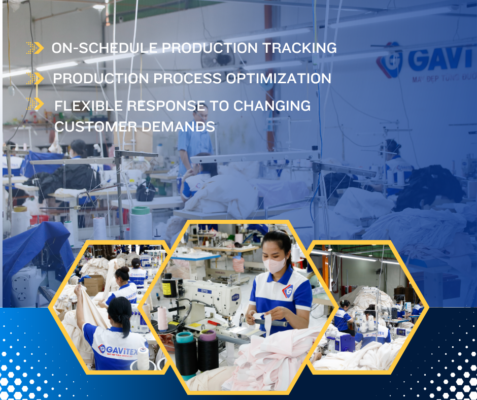
Current Trends and Future of Vietnam’s Clothing Supply Chain
The Vietnam clothing supply chain is currently undergoing significant transformation, driven by factors like technological advancements, evolving consumer demands, and a growing emphasis on sustainability. This section will explore the prevailing current trends shaping the industry and offer insights into its anticipated future trajectory, assisting businesses like overseas buyers to navigate the changing landscape of garment sourcing.
Several key trends are currently influencing Vietnam’s clothing manufacturing sector:
- Digitalization and Automation: The adoption of Industry 4.0 technologies is rapidly transforming the production process. Automation, including robotic sewing and cutting, is improving efficiency and reducing lead times for clothing suppliers in Vietnam. The implementation of advanced inventory management systems ensures seamless operations and improves responsiveness to market demand.
- Focus on Sustainability: Growing consumer awareness regarding environmental and social issues is driving demand for sustainable practices. Vietnamese clothing manufacturers are increasingly investing in eco-friendly materials, water-saving technologies, and ethical labor practices to meet these demands. Certifications like GOTS (Global Organic Textile Standard) and Fair Trade are becoming more prevalent.
- Diversification of Products: Beyond basic apparel, Vietnam’s clothing industry is expanding into higher-value products like sportswear, technical textiles, and fashion accessories. This diversification reduces reliance on traditional garments and opens up new market opportunities. According to a report by Vietnam Textile and Apparel Association (Vitas), sportswear exports grew by 15% in 2023, indicating a strong shift towards specialized clothing segments.
- Supply Chain Transparency: Brands and consumers alike are demanding greater transparency in the supply chain. Technologies like blockchain are being used to track the journey of garments from raw materials to finished products, ensuring ethical sourcing and environmental compliance.
- E-commerce Integration: The rise of e-commerce is impacting the way clothing is sourced and distributed. Vietnam clothing suppliers are increasingly integrating with online platforms to reach global customers directly, streamlining the supply chain and reducing intermediaries.
Looking ahead, the future of Vietnam’s clothing supply chain will likely be shaped by these factors:
- Increased Regionalization: Supply chains are expected to become more regionalized, with sourcing and production shifting closer to end markets. This trend is driven by a desire to reduce transportation costs, minimize lead times, and enhance responsiveness to consumer demand.
- Emphasis on Innovation: Continuous innovation in materials, manufacturing processes, and design will be crucial for maintaining competitiveness. Vietnamese apparel manufacturers are investing in research and development to create innovative products and solutions that meet evolving customer needs.
- Development of a Skilled Workforce: Investing in education and training to develop a skilled workforce is essential for supporting the growth of the industry. Vietnam is focusing on improving technical skills and management expertise to enhance productivity and innovation.
- Government Support: The Vietnamese government is playing a crucial role in supporting the development of the industry through policies that promote investment, innovation, and sustainability. Trade agreements like the Comprehensive and Progressive Agreement for Trans-Pacific Partnership (CPTPP) and the EU-Vietnam Free Trade Agreement (EVFTA) are providing access to new markets and driving growth.
By understanding these current trends and anticipating future developments, businesses like overseas buyers can make informed decisions about partnering with Vietnam clothing suppliers and capitalizing on the opportunities presented by this dynamic industry.
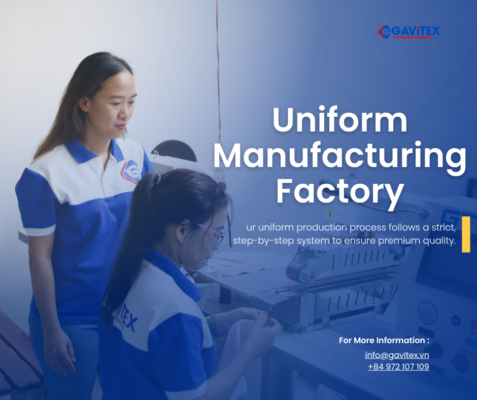
Cost Considerations: Understanding Pricing and Payment Terms with Vietnam Clothing Suppliers
Navigating the complexities of cost considerations is crucial when sourcing from Vietnam clothing suppliers, demanding a comprehensive understanding of pricing structures and payment terms. Grasping these elements ensures profitability and sustainable partnerships. By familiarizing yourself with the nuances of manufacturing costs, negotiation strategies, and secure payment methods, you can optimize your sourcing process.
Understanding the pricing structure of Vietnam clothing suppliers is critical for budget planning and profitability. The final cost of your apparel order is usually impacted by a complex interplay of elements. These elements include raw material expenses such as fabric and trims, labor expenses that change depending on the complexity of the design and required skill, manufacturing overhead that covers facility costs and utilities, and profit margins anticipated by the supplier. It is essential to obtain a comprehensive breakdown of these costs to evaluate the fairness and competitiveness of the provided quotation. Also, clarify whether the costs are FOB (Free on Board), CIF (Cost, Insurance, and Freight), or other Incoterms, as this will drastically affect your overall landed cost.
Negotiating favorable payment terms with Vietnam clothing manufacturers is crucial for managing cash flow and minimizing risks. Commonly accepted payment terms include a deposit (typically 30-50%) to initiate production, followed by the remaining balance upon completion or shipment. However, negotiating more favorable terms, such as a smaller initial deposit or extended payment timelines, can significantly benefit your cash flow, particularly for larger orders. It’s also crucial to discuss and agree upon the accepted methods of payment. Wire transfers are common, but Letters of Credit (L/C) offer greater security, especially for initial transactions with new suppliers, although they might incur additional fees. For established relationships, consider open account terms or other arrangements that foster trust and flexibility.
Protecting your business from financial risk involves conducting thorough due diligence on the clothing suppliers and implementing secure payment strategies. Before committing to a large order, request a proforma invoice detailing all costs and payment terms. Conduct thorough background checks on potential suppliers to verify their legitimacy and financial stability. For larger transactions, consider using escrow services, which hold funds until the goods are received and inspected to satisfaction. Additionally, having a clear and legally binding contract that outlines pricing, payment terms, and quality standards is crucial for dispute resolution. At overseas buyers, we strongly recommend diversifying your supplier base to minimize risk and maintain competitive pricing.
Want to get the best deals from Vietnam? Discover the ins and outs of pricing and payment terms when working with bulk clothing manufacturers in Vietnam.
Legal and Ethical Considerations for Importing Clothing from Vietnam
Navigating the legal and ethical landscape is crucial for businesses aiming to import clothing from Vietnam successfully and responsibly. Sourcing apparel from Vietnam clothing suppliers requires careful consideration of international trade laws, labor standards, and environmental regulations to ensure compliance and maintain a positive brand reputation. This section will delve into the critical aspects of these considerations, offering guidance on how to navigate them effectively.
Successfully importing clothing from Vietnam goes beyond finding reliable suppliers; it demands a deep understanding of the legal framework governing international trade. This includes adherence to customs regulations, import duties, and trade agreements such as the Comprehensive and Progressive Agreement for Trans-Pacific Partnership (CPTPP) which Vietnam is a signatory to. Failing to comply can lead to penalties, delays, and even seizure of goods. Importers should familiarize themselves with the specific requirements of their destination country and Vietnam, and engage with customs brokers to ensure smooth clearance processes. For example, understanding the rules of origin under CPTPP is crucial to leverage preferential tariff rates.
Beyond legal compliance, ethical sourcing is paramount when working with Vietnam clothing suppliers. This means ensuring fair labor practices throughout the supply chain. Key aspects include:
- Fair Wages and Working Hours: Verifying that workers receive at least the minimum wage and are not subjected to excessive overtime.
- Safe Working Conditions: Ensuring factories provide a safe and healthy work environment, free from hazards.
- No Child Labor or Forced Labor: Implementing robust monitoring systems to prevent child labor or any form of forced labor within the supply chain.
- Freedom of Association: Respecting workers’ rights to form or join trade unions and bargain collectively.
Transparency and traceability are essential tools for upholding ethical standards. Brands are increasingly expected to demonstrate due diligence in auditing their suppliers and addressing any identified issues. This can involve conducting regular factory visits, implementing social compliance audits (e.g., WRAP, BSCI, Sedex), and working collaboratively with suppliers to improve working conditions. Many brands now publish their supplier lists to promote transparency and accountability.
Environmental sustainability is another critical consideration. The clothing industry has a significant environmental impact, from water consumption and pollution to waste generation. Importers should seek out Vietnam clothing suppliers committed to sustainable practices, such as:
- Using Eco-Friendly Materials: Sourcing fabrics made from organic cotton, recycled polyester, or other sustainable fibers.
- Reducing Water Consumption: Implementing water-efficient dyeing and washing processes.
- Managing Waste Effectively: Minimizing waste generation and promoting recycling and reuse.
- Reducing Carbon Footprint: Utilizing renewable energy sources and optimizing transportation routes.
Obtaining certifications like GOTS (Global Organic Textile Standard) or OEKO-TEX Standard 100 can help verify the environmental credentials of clothing products.
By prioritizing legal compliance and ethical sourcing, importers can build strong, sustainable relationships with their Vietnam clothing suppliers, protect their brand reputation, and contribute to a more responsible and equitable fashion industry. This commitment not only benefits the environment and workers but also resonates positively with consumers who are increasingly demanding ethical and sustainable products.
Vietnam Biz Rep supports overseas buyers with garment supplier search, factory verification, sample coordination, production follow-up, and quality inspection in Vietnam. Learn more on our clothing sourcing agent page or visit Vietnam sourcing agent for our full range of services. Contact Vietnam Biz Rep to discuss your sourcing requirements.
