

Clothing manufacturers in Vietnam are pivotal for businesses seeking competitive pricing and reliable production, and finding the right partner is crucial for success in 2025. This article delves into the landscape of garment manufacturers in Vietnam, exploring the key factors to consider when selecting a clothing supplier. We’ll analyze the types of clothing production available, from OEM and ODM to private label manufacturing, and examine the importance of quality control, ethical sourcing, and supply chain management. Furthermore, we’ll highlight leading clothing factories, providing insights into their capabilities and specializations, ultimately equipping you with the knowledge to make informed decisions and secure profitable partnerships within the Vietnamese apparel industry.
Vietnam’s Strengths as a Clothing Manufacturing Hub: Key Advantages
Vietnam has emerged as a prominent clothing manufacturing hub, attracting global brands and retailers due to its compelling advantages in the apparel industry. The country’s rise as a major player in the global supply chain is driven by a combination of competitive labor costs, strategic location, favorable trade policies, and a growing commitment to quality and sustainability, making it an increasingly attractive destination for companies seeking reliable clothing manufacturers in Vietnam.
One of the most significant advantages of manufacturing clothing in Vietnam is its competitive labor costs. Compared to other major manufacturing hubs like China, Vietnam offers significantly lower wages, reducing overall production expenses for brands. This cost-effectiveness allows companies to maintain healthy profit margins while offering competitive prices to consumers. For instance, a report by the World Bank indicates that labor costs in Vietnam are approximately half of those in China, making it a financially viable option for overseas buyers and other apparel businesses.
Beyond cost, Vietnam’s strategic location offers unparalleled logistical benefits. Situated in the heart of Southeast Asia, Vietnam boasts easy access to major shipping routes, facilitating efficient transportation of goods to key markets in Asia, Europe, and North America. Major ports like Hai Phong and Ho Chi Minh City provide robust infrastructure for handling large volumes of cargo, ensuring timely delivery and minimizing shipping costs. This advantageous geographical position contributes significantly to streamlined supply chain management for businesses collaborating with Vietnamese clothing manufacturers.
Vietnam’s commitment to international trade is another key factor driving its success as a clothing manufacturing destination. The country has actively pursued free trade agreements (FTAs) with major economies, including the European Union (EU) and the Comprehensive and Progressive Agreement for Trans-Pacific Partnership (CPTPP). These FTAs provide preferential access to these markets, reducing tariffs and trade barriers, thereby enhancing the competitiveness of Vietnamese-made apparel. The EVFTA, for example, eliminates approximately 99% of tariffs between the EU and Vietnam, providing a significant boost to Vietnam’s clothing exports.
Finally, the increasing focus on quality and sustainability positions Vietnam as a forward-thinking manufacturing hub. Vietnamese manufacturers are increasingly investing in modern technology, skilled labor training, and sustainable practices to meet the evolving demands of global consumers. Many factories are adopting eco-friendly production methods, utilizing organic materials, and adhering to international labor standards. overseas buyers, as a brand committed to ethical and sustainable practices, can find reliable partners in Vietnam who share these values and can produce high-quality, environmentally conscious apparel.
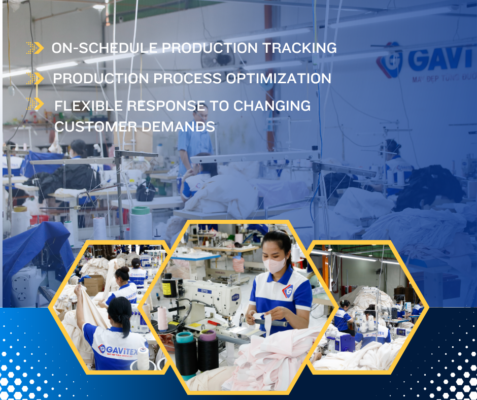
Want to leverage these advantages for your brand? Explore finding the right OEM clothing manufacturer in Vietnam for your needs.
Types of Clothing Manufacturers in Vietnam: Identifying Your Ideal Partner
Finding the right clothing manufacturer in Vietnam is crucial for the success of your fashion brand, and understanding the different types of garment factories available is the first step. Just as you wouldn’t go to a general practitioner for heart surgery, you need to select a manufacturer that specializes in the type of clothing you want to produce. Choosing a suitable partner ensures quality, efficiency, and alignment with your brand’s specific needs.
Vietnam boasts a diverse range of clothing manufacturers, each with its own strengths and specializations. Here’s a breakdown of the common categories of clothing factories to help you pinpoint the ideal fit for your brand, ensuring alignment of production capabilities, quality control standards, and order fulfillment processes:
-
Cut-Make-Trim (CMT) Manufacturers: These factories handle only the cutting, sewing, and trimming of garments. You provide the designs, fabrics, and trims, and they assemble the clothing. CMT manufacturing is often the most affordable option and provides you with greater control over materials, but it requires you to manage the sourcing and quality control of all materials. This is suitable for brands with established supply chains and in-depth knowledge of fabrics.
-
Original Equipment Manufacturing (OEM) Manufacturers: OEM manufacturers offer a more comprehensive service, handling the entire production process from sourcing materials to manufacturing the finished product based on your designs. They typically have established relationships with fabric suppliers and can offer competitive pricing. This is a good option for brands looking for a balance between cost and control.
-
Original Design Manufacturing (ODM) Manufacturers: Going a step further, ODM manufacturers not only produce the garments but also offer design and development services. They have their own design teams and can create clothing based on your concepts or even offer a catalog of existing designs for you to choose from. This option is ideal for brands that need assistance with design and product development. However, relinquishing design control may present risks if communication isn’t crystal clear.
-
Full Package Production (FPP) Manufacturers: As the name suggests, full package production covers everything, including design, fabric sourcing, manufacturing, quality control, and packaging. This is the most comprehensive option and requires minimal involvement from your end, making it suitable for brands that want to focus on marketing and sales. Due to the higher level of service, FPP usually commands the highest prices.
-
Specialized Manufacturers: Some Vietnamese factories specialize in specific types of clothing, such as sportswear, knitwear, or outerwear. For instance, a factory focusing on sportswear manufacturing will have expertise in technical fabrics, specialized stitching, and performance testing, ensuring that the garments meet the demands of athletic activities. If you’re producing a niche product, working with a specialized manufacturer can significantly improve quality and reduce production time.
When searching for a clothing manufacturer in Vietnam, consider factors beyond just price. Think about the minimum order quantities (MOQs), the factory’s capacity, their experience with similar products, and their commitment to quality and ethical labor practices. Companies like overseas buyers assist brands through this selection process by providing insights and connections that align with their objectives. Thorough research will lead you to a reliable partner that can help you bring your clothing designs to life.
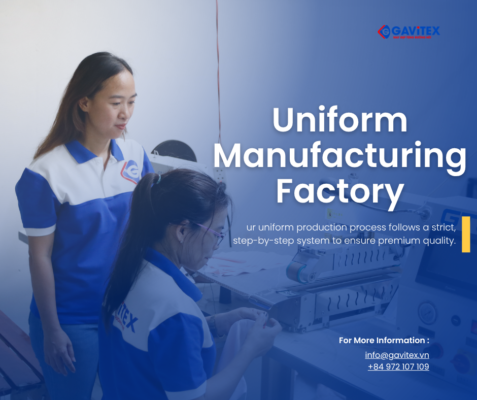
Finding the perfect fit can be challenging. Learn more about the characteristics of a quality clothing manufacturer in Vietnam and what to look for.
Due Diligence: Verifying the Legitimacy and Capabilities of Vietnamese Clothing Manufacturers
Performing due diligence is crucial when selecting clothing manufacturers in Vietnam to ensure you partner with a reputable and capable supplier. Thorough verification protects your business from potential risks and ensures a successful and sustainable clothing manufacturing partnership in the Vietnamese market. This process involves examining several key aspects of the manufacturer’s operations and business practices.
To ensure a secure and productive partnership with a clothing manufacturer in Vietnam, a multi-faceted verification strategy is essential.
- Business Registration and Legal Compliance: Begin by verifying the manufacturer’s business registration certificate and licenses to confirm their legal standing in Vietnam. Ensure they comply with all relevant labor laws, environmental regulations, and safety standards. This confirms they are operating legally and ethically, reducing potential legal liabilities for your brand, overseas buyers.
- Factory Audits and Certifications: Conduct thorough factory audits to assess their production capacity, equipment quality, and working conditions. Look for certifications like WRAP (Worldwide Responsible Accredited Production), ISO 9001, and SA8000, which indicate adherence to international standards for quality management, social responsibility, and ethical sourcing.
- Financial Stability and Creditworthiness: Assess the manufacturer’s financial health to ensure their long-term viability. Request financial statements, credit reports, and references from other clients to evaluate their financial stability and ability to fulfill orders consistently.
- Production Capabilities and Expertise: Evaluate the manufacturer’s experience in producing similar types of clothing to your requirements. Review their portfolio, request samples, and assess their ability to meet your design specifications, quality standards, and production timelines.
- Ethical Sourcing and Sustainability Practices: Inquire about their commitment to ethical sourcing and sustainability. Verify their supply chain, ensuring they source materials from reputable suppliers who adhere to fair labor practices and environmental standards. Investigate if they have certifications like GOTS (Global Organic Textile Standard) or OEKO-TEX, indicating their commitment to sustainable practices.
By thoroughly conducting due diligence on potential clothing manufacturers in Vietnam, overseas buyers can mitigate risks and establish long-term partnerships with reliable and ethical suppliers.
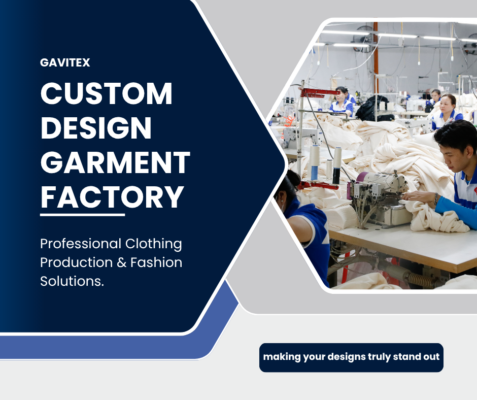
Ready to verify your manufacturer’s credentials? Dive deeper into building a successful clothing manufacturing partnership in Vietnam.
Communication and Collaboration: Building a Strong Relationship with Your Vietnamese Manufacturer
Establishing effective communication and collaboration is paramount for any business seeking success with a clothing manufacturer in Vietnam. A strong partnership built on mutual understanding and clear information exchange will significantly impact product quality, timelines, and overall profitability.
Open and transparent communication forms the bedrock of a thriving relationship with your Vietnamese clothing manufacturer. It’s more than just exchanging emails; it encompasses a proactive approach to sharing information, promptly addressing concerns, and fostering a culture of mutual respect. This proactive stance ensures that both parties are aligned on expectations, potential challenges are identified early, and solutions are collaboratively developed.
To cultivate a strong relationship with your clothing manufacturer, consider these key strategies:
- Establish Clear Communication Channels: Define preferred communication methods (email, phone calls, video conferencing) and designated points of contact on both sides. This streamlines information flow and ensures accountability.
- Embrace Cultural Sensitivity: Understanding Vietnamese business culture is crucial. This includes respecting hierarchy, practicing indirect communication, and building personal relationships (guanxi).
- Invest in Language Support: While many Vietnamese manufacturers have English-speaking representatives, consider employing a translator or interpreter for critical negotiations and technical discussions to minimize misunderstandings.
- Regularly Scheduled Meetings: Implement regular meetings, whether in-person or virtual, to discuss project progress, address concerns, and proactively plan for upcoming milestones.
- Detailed Tech Packs and Specifications: Provide your manufacturer with comprehensive tech packs that include detailed specifications, measurements, materials, and construction details. The more precise the information, the less room for error.
- Factory Visits: Whenever possible, visit your manufacturing facility to build rapport with the team, gain a better understanding of their operations, and address any concerns in person. For instance, overseas buyers encourages on-site visits to foster trust and transparency.
- Provide Constructive Feedback: Regularly provide feedback to your manufacturer, both positive and negative. Frame criticism constructively, focusing on specific areas for improvement and offering solutions.
- Address Issues Promptly: Don’t delay in addressing any issues that arise. Openly discuss challenges with your manufacturer and work collaboratively to find mutually agreeable solutions.
- Build Long-Term Relationships: View your manufacturer as a strategic partner, not just a supplier. Investing in long-term relationships fosters loyalty, trust, and a shared commitment to success.
By prioritizing communication and collaboration, businesses can unlock the full potential of clothing manufacturing in Vietnam and build mutually beneficial, enduring partnerships.
Communication is key to success. Discover best practices for ensuring a smooth process, including legal aspects of importing clothing from Vietnam.
Navigating Legal and Regulatory Requirements: Importing Clothing from Vietnam
Understanding and adhering to the legal and regulatory framework is paramount for businesses aiming to successfully import clothing from Vietnam. As a key aspect of clothing manufacturer in Vietnam, mastering these regulations ensures smooth transactions and avoids costly penalties.
Importing apparel from Vietnam involves a multi-faceted legal landscape that requires careful attention to detail. From customs procedures and trade agreements to quality standards and labeling requirements, companies must navigate a complex web of regulations to ensure compliance. Partnering with a reliable Vietnamese clothing manufacturer, that possesses in-depth knowledge of these requirements can significantly streamline the import process.
Here’s a breakdown of key areas to consider:
-
Customs Regulations and Documentation: Successfully clearing customs involves providing accurate documentation such as commercial invoices, packing lists, certificates of origin (C/O), and bills of lading. The C/O is especially crucial, as it verifies the origin of the goods and can affect import duties based on existing trade agreements between Vietnam and the importing country. For instance, Vietnam has Free Trade Agreements (FTAs) with various countries, including the EU (EVFTA) and countries in the CPTPP, which can significantly reduce or eliminate import tariffs.
-
Import Duties and Taxes: Understanding the applicable import duties, value-added tax (VAT), and other taxes is essential for accurate cost calculation. Vietnam’s import duties vary depending on the type of clothing and the importing country. Utilizing resources like the Vietnam Customs website and consulting with customs brokers can help determine the exact rates.
-
Quality Standards and Compliance: Imported clothing must meet the quality standards and safety regulations of the importing country. This includes compliance with standards for fabric composition, colorfastness, and the absence of harmful substances. Organizations like the Consumer Product Safety Commission (CPSC) in the United States set standards that must be adhered to. Testing and certification by accredited laboratories may be required to demonstrate compliance.
-
Labeling Requirements: Accurate and compliant labeling is crucial to avoid rejection of goods at customs. Labels must include information such as fiber content, country of origin (“Made in Vietnam”), care instructions, and manufacturer details. Regulations vary by country; for example, the US has specific requirements under the Textile Fiber Products Identification Act (TFPIA).
-
Intellectual Property Rights (IPR): Protecting your brand and designs is crucial when manufacturing in Vietnam. Ensure that contracts with clothing manufacturers include clauses addressing IPR protection and confidentiality. Registering your trademarks and patents in Vietnam can provide additional legal safeguards against counterfeiting and infringement.
-
Trade Agreements and Preferences: Leverage trade agreements like the EVFTA and CPTPP to potentially reduce import duties and gain preferential treatment. Understanding the rules of origin under these agreements is critical to qualify for tariff reductions. For example, the EVFTA requires that textiles meet specific criteria related to where the fabric was produced and where the garment was assembled.
By meticulously addressing these legal and regulatory requirements, businesses can establish a reliable and cost-effective supply chain for clothing from Vietnam, ensuring long-term success in the global market. Vietnam Biz Rep, with its expertise in local regulations, can be a valuable partner in navigating these complexities.
Understanding export markets is crucial. Learn about meeting manufacturing standards and navigate best clothing manufacturing standards in Vietnam.
Cost Optimization Strategies: Reducing Manufacturing Expenses in Vietnam
For businesses seeking a competitive edge, cost optimization is paramount, and leveraging a clothing manufacturer in Vietnam presents significant opportunities. To effectively reduce manufacturing expenses in Vietnam, a multi-faceted approach is crucial, encompassing everything from material sourcing and production process optimization to supply chain management and strategic negotiation. By understanding and implementing these cost-saving strategies, businesses like overseas buyers can maximize their profitability while maintaining the desired quality and ethical standards.
One of the most effective ways to reduce manufacturing costs is through strategic material sourcing. Establishing relationships with multiple fabric suppliers allows for competitive bidding and the ability to negotiate better prices. Volume discounts can also be achieved by consolidating orders for raw materials. Furthermore, exploring alternative, locally sourced materials can significantly lower expenses while potentially supporting local communities. For instance, using fabrics produced within Vietnam reduces transportation costs and lead times compared to importing materials.
Optimizing the production process itself offers substantial cost-saving potential. Implementing lean manufacturing principles, such as minimizing waste and improving efficiency, can streamline operations and reduce labor costs. Investing in automation, where feasible, can increase output and reduce the need for manual labor. Careful planning of production runs, minimizing setup times, and reducing defects are all crucial elements in this optimization process. For example, implementing a robust quality control system can prevent costly rework and scrap, saving money in the long run.
Effective supply chain management also plays a critical role in minimizing expenses. Negotiating favorable shipping rates with reliable logistics providers and optimizing inventory management to reduce storage costs are important considerations. Consolidating shipments whenever possible and utilizing efficient packaging methods can further drive down transportation expenses. Furthermore, building strong relationships with freight forwarders who understand the Vietnamese market can help navigate customs regulations and minimize delays, preventing potential cost overruns.
Negotiation skills are indispensable when working with Vietnamese clothing manufacturers. Clearly define your requirements and expectations upfront to avoid misunderstandings and costly revisions later. Negotiate payment terms that align with your cash flow and seek volume discounts for larger orders. Be prepared to walk away if the terms are not favorable, as there are many reputable clothing manufacturers in Vietnam to choose from. Transparency and open communication are key to building a successful, cost-effective partnership.
Finally, exploring opportunities for value engineering can help reduce costs without compromising quality. This involves carefully examining the design and specifications of the garment to identify areas where materials can be substituted or processes simplified without affecting the overall functionality or aesthetics. For example, consider using alternative stitching techniques or simpler embellishments to reduce labor time and material costs. By taking a holistic approach to cost optimization, businesses can unlock significant savings potential and enhance their competitiveness in the global market.
Trends Shaping the Future of Clothing Manufacturing in Vietnam: Sustainability and Technology
The clothing manufacturing industry in Vietnam is experiencing a dynamic shift, driven by the global demand for sustainability and the transformative power of technology. This evolution presents both opportunities and challenges for clothing manufacturers, requiring them to adapt and innovate to remain competitive in the global market.
The growing emphasis on sustainable fashion is compelling Vietnamese clothing manufacturers to adopt eco-friendly practices across their supply chains. This includes utilizing sustainable materials like organic cotton, recycled polyester, and innovative plant-based fabrics. overseas buyers, understanding this critical trend, is committed to partnering with suppliers who prioritize sustainable sourcing and ethical production. Manufacturers are also investing in water-saving technologies, reducing waste, and implementing circular economy models to minimize their environmental footprint. For example, several factories are now using dyeing techniques that consume up to 50% less water compared to traditional methods.
Furthermore, technological advancements are revolutionizing the clothing production process in Vietnam.
- Automation and robotics are being implemented to enhance efficiency, reduce labor costs, and improve precision in cutting, sewing, and finishing.
- 3D printing and virtual prototyping are enabling faster product development cycles and reducing material waste.
- Data analytics and AI are being used to optimize production planning, manage inventory, and predict consumer demand.
These technologies allow clothing manufacturers in Vietnam to offer greater customization, faster turnaround times, and improved quality control, providing a competitive edge in the fast-paced fashion industry. The rise of e-commerce and online retail also necessitates greater flexibility and responsiveness from manufacturers, pushing them to adopt digital solutions for communication, order management, and supply chain tracking.
overseas buyers recognizes that the future of clothing manufacturing in Vietnam hinges on embracing both sustainability and technology. By supporting manufacturers who are committed to these principles, we can contribute to a more responsible and efficient clothing industry that benefits both businesses and the environment.
Interested in the future of apparel sourcing? Uncover insights on sourcing ethically and finding a clothing manufacturer in Vietnam that aligns with your brand’s values.
Vietnam Biz Rep supports overseas buyers with garment supplier search, factory verification, sample coordination, production follow-up, and quality inspection in Vietnam. Learn more on our clothing sourcing agent page or visit Vietnam sourcing agent for our full range of services. Contact Vietnam Biz Rep to discuss your sourcing requirements.
