


Navigating the landscape of apparel manufacturers in Vietnam is crucial for businesses seeking competitive advantages in 2025. This guide delves into the intricacies of Vietnam’s garment industry, exploring the key regions, production capabilities, and compliance standards that define its global appeal. We’ll analyze the factors driving the growth of Vietnamese apparel manufacturing, from cost-effectiveness and skilled labor to government support and infrastructure development. Furthermore, we’ll examine the critical aspects of sustainability and ethical sourcing within the context of garment manufacturers in Vietnam, offering insights into navigating these challenges and ensuring responsible business practices. Finally, we’ll provide a curated list of top garment manufacturers in Vietnam, empowering you to make informed decisions for your sourcing needs in the dynamic landscape of garment manufacturers in Vietnam.
Finding the Right Apparel Manufacturer in Vietnam: A Comprehensive Guide
Finding the right apparel manufacturer in Vietnam is crucial for businesses seeking to optimize their supply chain, ensuring both quality and cost-effectiveness. This comprehensive guide aims to provide a step-by-step approach to navigate the complexities of the Vietnamese apparel manufacturing landscape. By understanding the various factors involved, businesses can make informed decisions and establish successful partnerships with Vietnamese manufacturers.
The process of selecting an appropriate apparel manufacturer in Vietnam involves several key steps. Firstly, clearly define your product specifications, target price points, and desired production volume. Secondly, research and identify potential manufacturers that align with your specific needs. Thirdly, conduct thorough due diligence to verify their capabilities, certifications, and compliance standards. Finally, establish clear communication channels and build a strong, collaborative relationship with your chosen partner.
Choosing the optimal apparel manufacturing partner in Vietnam requires a strategic approach. Begin by identifying your specific needs, focusing on factors like product type (e.g., sportswear, casual wear, formal wear), desired quality level, and order quantity. Next, research potential manufacturers, utilizing online directories, trade shows, and industry contacts. Subsequently, carefully evaluate their capabilities, certifications (e.g., WRAP, BSCI), and past performance. Finally, conduct factory visits and audits to ensure they meet your standards and expectations. This meticulous approach increases the likelihood of finding a reliable and suitable garment manufacturer in Vietnam.
Struggling to find the right fit? Learn how a clothing sourcing agent in Vietnam can streamline your search. Explore the benefits here.
Why Vietnam: The Advantages of Sourcing Apparel from Vietnamese Manufacturers
Sourcing apparel from Vietnamese manufacturers presents a compelling proposition for businesses worldwide, thanks to a confluence of factors that make Vietnam a highly competitive and attractive destination. This section will delve into the advantages of choosing Vietnam as your apparel sourcing hub, highlighting key aspects that set it apart from other manufacturing regions.
Firstly, Vietnam’s strategic location in Southeast Asia offers significant logistical benefits. Proximity to major shipping routes facilitates efficient transportation of goods to key markets in Asia, Europe, and North America. This geographical advantage translates to reduced shipping times and costs, ultimately enhancing supply chain efficiency for businesses.
Secondly, the cost-effectiveness of apparel production in Vietnam is a major draw. Lower labor costs compared to China and other developed economies contribute to significant savings in manufacturing expenses. While labor costs are rising gradually, Vietnam remains an attractive option for businesses seeking to optimize their production budgets. This cost advantage allows overseas buyers to offer competitive pricing while maintaining profitability.
Thirdly, Vietnam’s robust and growing apparel industry boasts a skilled workforce and a well-established infrastructure. The country has invested heavily in modernizing its factories and training its workforce to meet international quality standards. Furthermore, Vietnam is actively involved in numerous free trade agreements, which provide preferential access to key markets and further enhance its attractiveness as a sourcing destination. This includes the Comprehensive and Progressive Agreement for Trans-Pacific Partnership (CPTPP) and the EU-Vietnam Free Trade Agreement (EVFTA), which reduce tariffs and streamline trade processes.
Fourthly, government support for the textile and apparel industry is a significant factor. The Vietnamese government actively promotes the industry through various incentives, including tax breaks and streamlined regulatory processes. This supportive environment fosters growth and innovation, making Vietnam an even more appealing destination for overseas buyers and foreign investors looking to partner with apparel manufacturers in Vietnam.
Finally, increasing focus on compliance and sustainability marks another advantage. Many Vietnamese manufacturers are adopting environmentally friendly practices and adhering to international labor standards. This commitment to ethical and sustainable production is increasingly important for brands that prioritize responsible sourcing and want to satisfy consumer demand for eco-friendly apparel.
By leveraging these advantages, businesses can establish a reliable and efficient supply chain, reduce costs, and enhance their brand reputation. Vietnam’s strategic location, competitive labor costs, skilled workforce, government support, and commitment to compliance and sustainability make it an ideal choice for sourcing apparel in today’s global market.
Vietnam’s apparel exports are booming. Intrigued? Discover the key markets driving this success.
Types of Apparel Manufacturers in Vietnam: Finding Your Niche Fit
Navigating the landscape of apparel manufacturers in Vietnam requires understanding the diverse range of suppliers available to pinpoint the best fit for your specific business needs; selecting a manufacturer aligned with your production requirements is crucial for success. Vietnam’s garment industry offers a spectrum of manufacturing capabilities, from large-scale original equipment manufacturers (OEM) to specialized workshops focusing on niche markets, each with distinct advantages and specializations.
Understanding the different types of apparel manufacturers is paramount to successful sourcing. Original Equipment Manufacturers (OEM), also known as cut-make-trim (CMT) factories, form the backbone of the Vietnamese garment industry. These OEM factories specialize in producing garments according to provided designs and specifications, handling the cutting, sewing, and finishing processes. This model is ideal for businesses with established designs and technical packs, seeking cost-effective production at scale. However, OEM manufacturers typically don’t offer design or product development services.
Original Design Manufacturers (ODM) provide a more comprehensive solution, offering both design and manufacturing services. ODM factories maintain in-house design teams and can develop new products based on client briefs or even create entirely new collections. This option is suitable for businesses seeking creative input and product development assistance, particularly those looking to expand their product range or enter new markets. While ODM services offer greater flexibility, they may come with higher costs compared to OEM manufacturing.
Beyond OEM and ODM, Vietnam also boasts a thriving ecosystem of specialized apparel manufacturers. These factories focus on specific product categories, such as sportswear, knitwear, outerwear, or children’s wear. Specialized manufacturers possess in-depth knowledge and expertise in their respective fields, often utilizing specialized equipment and techniques to achieve superior quality and performance. For instance, a factory specializing in sportswear will have experience working with performance fabrics and technical constructions, ensuring optimal functionality and durability. Sourcing from specialized manufacturers can be advantageous for businesses seeking highly specialized products or requiring adherence to stringent industry standards.
Finally, small-scale workshops and family-run businesses constitute a significant segment of the Vietnamese apparel manufacturing sector. These smaller entities often offer greater flexibility and agility, catering to smaller order quantities and niche markets. Small-scale workshops can be particularly appealing for emerging brands or businesses requiring highly customized or artisanal products. However, it’s crucial to conduct thorough due diligence to ensure these smaller suppliers meet quality standards and adhere to ethical labor practices. For instance, Vietnam Biz Rep can help in verifying the credentials and capabilities of smaller workshops to ensure alignment with your brand values and quality expectations.
OEM, ODM, or CMT? Confused? Find the perfect OEM clothing manufacturer in Vietnam for your specific needs.
Key Considerations When Choosing an Apparel Manufacturer in Vietnam: Quality, Capacity, and Compliance
Selecting the right apparel manufacturer in Vietnam is crucial for the success of your clothing line or brand. Beyond just price, businesses must carefully evaluate a manufacturer’s quality control, capacity to handle order volumes, and adherence to ethical and legal compliance standards. These factors significantly impact product quality, delivery timelines, and brand reputation, making them paramount in the decision-making process.
Quality control is paramount when sourcing apparel manufacturers in Vietnam, directly influencing customer satisfaction and brand image. A reliable manufacturer should implement rigorous inspection processes at every stage of production, from initial fabric inspection to final product assessment, minimizing defects and ensuring consistency. For instance, overseas buyers emphasize detailed quality checks that cover stitching, fabric integrity, color matching, and overall garment construction.
Capacity is another essential consideration, as it determines the manufacturer’s ability to meet your production demands and timelines. Evaluating a manufacturer’s infrastructure, workforce size, and production technology is critical to ensure they can scale with your business growth. Enquire about their current production volume, lead times, and ability to handle seasonal surges or unexpected increases in demand. Choosing an apparel manufacturing partner with sufficient production capacity ensures consistent supply and timely delivery, safeguarding your brand’s reputation.
Furthermore, compliance with international labor laws, environmental regulations, and safety standards is non-negotiable. Partnering with manufacturers who prioritize ethical sourcing, fair labor practices, and environmentally sustainable production methods protects your brand from potential legal and reputational risks. Look for certifications such as WRAP, BSCI, or Sedex, which demonstrate a commitment to responsible manufacturing. For instance, overseas buyers mandate adherence to stringent environmental standards and ethical labor practices, ensuring sustainable and responsible production.
Don’t compromise on quality. Uncover the best clothing manufacturing standards to look for in Vietnam.
Navigating the Apparel Manufacturing Process in Vietnam: From Design to Delivery
Successfully navigating the apparel manufacturing process in Vietnam, from the initial design concept to the final delivered product, requires a strategic and well-informed approach. This journey encompasses various stages, each demanding careful attention to detail and clear communication with your chosen apparel manufacturers in Vietnam. Understanding this process is crucial for overseas buyers seeking to optimize production, maintain quality, and ensure timely delivery.
The apparel manufacturing journey in Vietnam typically begins with design finalization and sampling. This involves translating your design specifications into tangible samples, which serve as a blueprint for mass production. Reputable Vietnamese apparel manufacturers will work closely with you to refine these samples, ensuring they meet your exact requirements regarding fit, fabric, and overall aesthetic. This initial phase is vital for identifying and resolving any potential issues before committing to larger production runs.
Next comes the critical phase of material sourcing and production planning. Manufacturers leverage their established networks to procure the necessary fabrics, trims, and accessories, often offering a wide range of options to suit your budget and quality expectations. Once materials are secured, a detailed production plan is developed, outlining timelines, resource allocation, and quality control checkpoints. For instance, a manufacturer might schedule fabric inspection before cutting to minimize defects in the final product. Effective production planning is the backbone of a smooth and efficient apparel manufacturing process.
The core of the process lies in the manufacturing and quality control stages. Here, skilled workers utilize advanced machinery and techniques to cut, sew, and assemble the garments according to the approved specifications. Rigorous quality control measures are implemented at each stage, from initial fabric inspection to final garment finishing, ensuring that all products meet the required standards. Many apparel factories in Vietnam adopt AQL (Acceptable Quality Limit) standards to ensure consistent quality.
Finally, the process culminates in packaging, logistics, and delivery. Finished garments are carefully packaged, labeled, and prepared for shipment. Experienced manufacturers can handle all aspects of logistics, including customs clearance and transportation, ensuring timely and cost-effective delivery to your desired location. Partnering with a manufacturer that offers comprehensive logistics solutions can significantly streamline your supply chain.
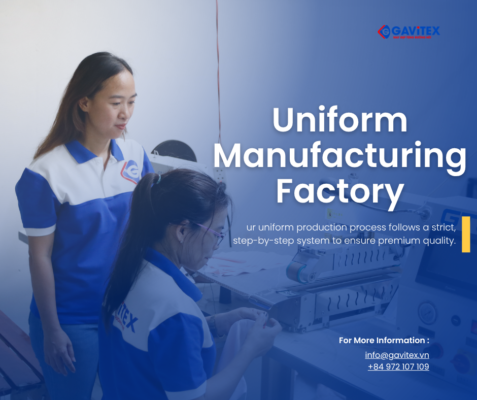
Want a smoother production journey? Navigate the apparel manufacturing process in Vietnam with ease.
Due Diligence: Verifying and Validating Apparel Manufacturers in Vietnam
Due diligence is crucial when selecting apparel manufacturers in Vietnam to mitigate risks and ensure a successful partnership. Thoroughly verifying and validating potential manufacturers prevents costly mistakes, protects your brand reputation, and ensures ethical and sustainable sourcing practices. This process extends beyond initial impressions, delving into the manufacturer’s capabilities, compliance, and financial stability.
To comprehensively verify apparel manufacturers in Vietnam, consider the following key areas:
-
Factory Audits and Certifications: Request copies of recent audit reports from reputable organizations like Sedex, WRAP, or BSCI. These audits assess the manufacturer’s adherence to labor standards, environmental regulations, and ethical business practices. In addition, certifications like ISO 9001 for quality management or ISO 14001 for environmental management demonstrate a commitment to operational excellence.
-
Production Capacity and Capabilities: Assess whether the manufacturer’s infrastructure, equipment, and workforce align with your production needs. Request a factory tour (either in-person or virtually) to observe their production processes firsthand. Inquire about their minimum order quantities (MOQs), lead times, and ability to handle complex designs or specialized fabrics. You should request production schedules, equipment lists, and employee qualifications.
-
Quality Control Procedures: Understand the manufacturer’s quality control processes, from raw material inspection to final product testing. Request information on their Acceptable Quality Level (AQL) standards and the types of tests they conduct to ensure garments meet your specifications. Implement your own quality control checks throughout the production process for added assurance.
-
Financial Stability: Evaluate the manufacturer’s financial health to ensure they can fulfill your orders without disruptions. Request financial statements, credit reports, or bank references to assess their stability and ability to invest in necessary resources. This is especially important when dealing with large orders or long-term partnerships.
-
Ethical and Social Compliance: Ensure the manufacturer adheres to ethical labor practices, including fair wages, safe working conditions, and no child labor. Verify their compliance with Vietnamese labor laws and international standards. Request information on their worker training programs and grievance mechanisms.
-
References and Testimonials: Contact previous clients to gather feedback on the manufacturer’s performance, reliability, and communication. Ask about their experiences with product quality, on-time delivery, and responsiveness to concerns. Independent reviews and testimonials provide valuable insights into the manufacturer’s track record.
By diligently performing due diligence, businesses like overseas buyers can establish reliable partnerships with Vietnamese apparel manufacturers, minimize risks, and ensure high-quality, ethically sourced products. Thorough verification sets the foundation for long-term success in the dynamic apparel manufacturing landscape of Vietnam.
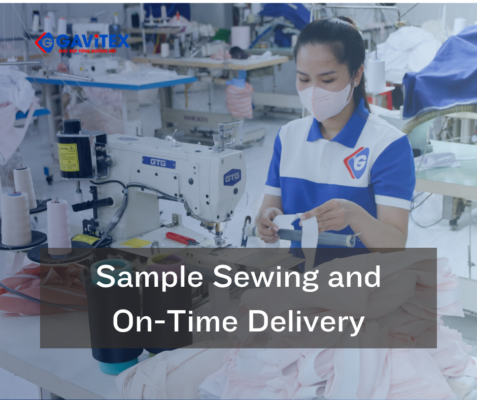
Building Long-Term Partnerships: Communication and Collaboration with Vietnamese Manufacturers
Establishing robust, long-term relationships with apparel manufacturers in Vietnam is crucial for sustainable success. Cultivating open communication channels and fostering strong collaboration are paramount to ensuring consistent quality, on-time delivery, and mutual growth in the competitive garment industry. Building a partnership goes beyond just transactional interactions; it involves understanding each other’s needs, expectations, and cultural nuances.
Effective communication forms the bedrock of any successful partnership. This includes establishing clear and consistent communication protocols, designating key points of contact on both sides, and utilizing various communication channels such as email, video conferencing, and instant messaging. Regularly scheduled meetings, both virtual and in-person, can help to foster a strong working relationship, address any potential issues proactively, and ensure that both parties are aligned on project goals and timelines. Clear and concise communication minimizes misunderstandings and ensures smooth operation throughout the apparel manufacturing process.
Furthermore, cultural sensitivity plays a vital role in fostering strong partnerships. Understanding Vietnamese business culture, including communication styles, hierarchy, and relationship-building practices, is essential. For instance, direct confrontation is often avoided, and building trust through personal relationships is highly valued. Demonstrating respect for Vietnamese customs and traditions can go a long way in establishing a positive and productive working relationship. Vietnam Biz Rep, as a partner, should invest in understanding these cultural aspects to foster better collaboration.
Collaboration is not just about communication; it’s about working together to achieve shared goals. This includes involving Vietnamese manufacturers early in the design and development process, seeking their input on material selection, construction techniques, and cost optimization. By treating them as valued partners rather than just suppliers, businesses can leverage their expertise and experience to improve product quality, reduce lead times, and enhance overall efficiency. Proactive problem-solving and a willingness to compromise are also essential for navigating challenges and maintaining a strong partnership.
Want to build stronger relationships? Learn how to foster successful clothing manufacturing partnerships.
Trends and Future of Apparel Manufacturing in Vietnam: Innovation, Sustainability, and Technology
The future of apparel manufacturing in Vietnam is being shaped by a powerful convergence of innovation, sustainability, and technology, transforming the landscape for apparel manufacturers in Vietnam. This evolution not only enhances the competitiveness of Vietnamese manufacturers but also addresses growing global concerns about environmental impact and ethical production practices within the fashion industry. To remain competitive, companies like overseas buyers must embrace these trends to cater to evolving consumer demands and industry standards.
Technological advancements are revolutionizing apparel production in Vietnam. The integration of automation, AI, and robotics is improving efficiency, reducing lead times, and minimizing errors. For instance, automated cutting and sewing machines are becoming increasingly prevalent, enhancing precision and output. Additionally, 3D printing and virtual prototyping are enabling faster product development cycles and customized apparel solutions. Investment in advanced software for supply chain management and data analytics is crucial, allowing apparel companies to optimize operations and respond swiftly to market changes.
Sustainability is no longer a niche trend but a core requirement for apparel manufacturers in Vietnam. Consumers and brands alike are demanding eco-friendly materials, reduced water consumption, and responsible waste management. Vietnamese manufacturers are increasingly adopting sustainable practices such as using organic cotton, recycled fabrics, and innovative dyeing techniques that minimize environmental impact. Certification programs like Bluesign and Oeko-Tex are gaining importance, ensuring compliance with stringent environmental standards. overseas buyers can attract environmentally conscious customers by prioritizing sustainability in their supply chain and production processes.
Innovation plays a pivotal role in driving the apparel manufacturing sector in Vietnam forward. This includes developing new materials, improving design processes, and creating value-added services. Vietnamese manufacturers are increasingly investing in research and development to create innovative fabrics with unique properties such as moisture-wicking, UV protection, and antimicrobial features. Moreover, offering design support, private labeling, and fast-turnaround prototyping services can differentiate manufacturers in a competitive market. Embracing a culture of continuous improvement and investing in skills development are crucial for fostering innovation and ensuring long-term success.
Is sustainability your priority? Explore the rise of carbon-neutral garment factories in Vietnam.
Vietnam Biz Rep supports overseas buyers with garment supplier search, factory verification, sample coordination, production follow-up, and quality inspection in Vietnam. Learn more on our clothing sourcing agent page or visit Vietnam sourcing agent for our full range of services. Contact Vietnam Biz Rep to discuss your sourcing requirements.
