
vietnam traders: In today’s fiercely competitive global economy, understanding the nuances and strategies employed by Vietnam Traders is not just beneficial, it’s essential for anyone looking to navigate the Southeast Asian market successfully. This article, categorized under vietnambizrep, delves into the core competencies of successful traders in Vietnam, exploring their trading strategies, risk management techniques, and market analysis approaches. Furthermore, we will analyze regulatory compliance within Vietnam, dissect case studies of both triumphant and unsuccessful ventures, and highlight the crucial role of business networking in fostering growth. Expect actionable insights and practical advice to equip you with a competitive edge in the Vietnamese trading landscape, empowering you to make informed decisions and maximize your returns.
Understanding Vietnam Traders: An Overview of the Business Landscape
Understanding the Vietnamese trading landscape is crucial for anyone seeking to engage in import-export activities or establish a presence in the Vietnamese market. The Vietnam traders ecosystem is dynamic and influenced by the country’s economic reforms, integration into the global economy, and evolving regulatory environment. This overview explores the key characteristics, structures, and factors that define the business environment for trading companies in Vietnam.
The trading sector in Vietnam is characterized by a mix of state-owned enterprises (SOEs), private domestic firms, and foreign-invested enterprises (FIEs). SOEs often play a significant role in key industries such as petroleum, electricity, and essential commodities, while private companies are increasingly active in sectors like consumer goods, agriculture, and manufacturing. Foreign investors contribute significantly through import-export operations, technology transfer, and capital investment. The interplay of these entities shapes the competitive dynamics and operational practices within the trading arena.
Several factors underpin the growth and evolution of the Vietnamese trading market.
- Economic reforms: Vietnam’s Doi Moi reforms, initiated in 1986, shifted the economy from a centrally planned system to a market-oriented one.
- Global integration: Accession to the World Trade Organization (WTO) in 2007 marked a significant milestone, opening doors to increased trade and investment flows.
- Strategic location: Vietnam’s geographical position in Southeast Asia makes it a strategic hub for regional and international trade.
- Government policies: Government policies aimed at promoting trade liberalization, streamlining regulations, and attracting foreign investment have further stimulated the trading sector.
The business landscape also reflects the growing importance of e-commerce and digital transformation. Online platforms are becoming increasingly popular for both B2B and B2C trade, enabling traders to reach wider markets, reduce transaction costs, and improve operational efficiency. However, challenges such as infrastructure limitations, cybersecurity risks, and the need for digital literacy persist, requiring traders to adapt and invest in technology to remain competitive.
Key Industries and Sectors Driven by Vietnam Traders
Vietnam traders play a vital role in driving economic growth across various key industries and sectors within the country. Their activities, encompassing import, export, and domestic distribution, are instrumental in connecting Vietnamese businesses with global markets and fulfilling domestic demand. This section delves into the specific industries and sectors where Vietnam traders are most active and influential.
Several industries and sectors benefit significantly from the activities of Vietnamese trading companies.
- Agriculture: As a major agricultural producer, Vietnam relies heavily on traders to export rice, coffee, seafood, and other agricultural products. These Vietnam traders facilitate the movement of goods from farms to international markets, ensuring Vietnamese agricultural products reach consumers worldwide.
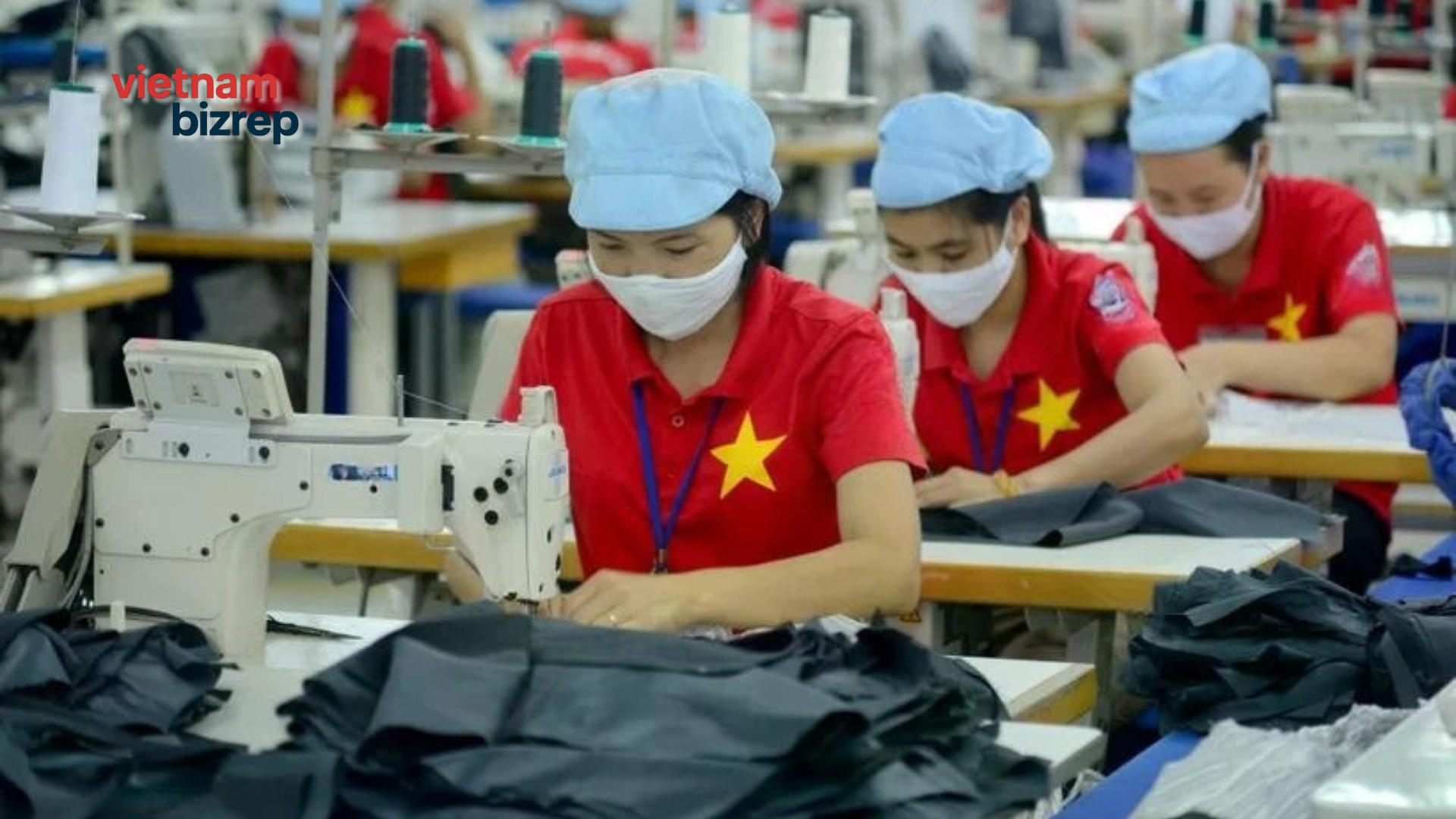
- Manufacturing: With a rapidly growing manufacturing sector, Vietnam traders are crucial for importing raw materials, components, and machinery needed for production. They also play a key role in exporting finished goods such as textiles, footwear, electronics, and furniture. The surge in foreign direct investment (FDI) in manufacturing further fuels the demand for trading services.
- Consumer Goods: The rising disposable income and increasing urbanization in Vietnam have led to a surge in demand for consumer goods. Vietnam traders are actively involved in importing a wide range of consumer products, from food and beverages to clothing and electronics, to meet the growing needs of the domestic market.
- Energy: With increasing energy demands, Vietnam traders facilitate the import of coal, petroleum products, and renewable energy equipment. These imports are essential for powering the country’s industries and meeting the energy needs of its population.
- Construction: The booming construction industry in Vietnam relies on traders to import building materials, equipment, and machinery. These imports are crucial for supporting infrastructure development, residential construction, and commercial projects.
The contributions of Vietnam traders extend beyond simply facilitating trade; they also foster innovation, create jobs, and improve the overall competitiveness of the Vietnamese economy. The evolving global landscape presents both challenges and opportunities for these trading companies, requiring them to adapt and innovate to remain competitive.

Learn more about key industries boosting Vietnam’s trading power and how they contribute to its global presence.
The Role of Trade Associations and Networks for Vietnam Traders
Trade associations and networks play a crucial role for Vietnam traders, offering a supportive ecosystem that fosters growth, facilitates knowledge sharing, and provides a collective voice on policy matters. These organizations act as valuable resources, connecting businesses with industry peers, potential partners, and government agencies, ultimately enhancing their competitiveness in the global marketplace. Think of them as hubs, connecting spokes of individual businesses to a central platform for collective advancement.
These associations offer tangible benefits to Vietnam traders:
- Industry advocacy: They represent the interests of their members to the government, advocating for favorable policies and regulations that promote trade and investment. For instance, the Vietnam Chamber of Commerce and Industry (VCCI) actively engages with policymakers to address challenges faced by businesses and propose solutions.
- Networking opportunities: Trade shows, conferences, and seminars organized by these associations provide platforms for traders to connect with potential customers, suppliers, and distributors. This can lead to valuable partnerships and business opportunities.
- Market intelligence: Many associations provide members with access to market research reports, trade statistics, and industry news, helping them make informed decisions about their business strategies. This information is especially critical for navigating the complexities of international trade.
- Capacity building: They often conduct training programs and workshops on topics such as export procedures, quality control, and international marketing, equipping Vietnam traders with the skills they need to succeed.
- Dispute resolution: Some associations offer mediation and arbitration services to help members resolve trade disputes, providing a cost-effective alternative to litigation.
Effective networking is also critical. Vietnam traders who actively participate in industry events, join relevant online forums, and cultivate relationships with other professionals are more likely to gain access to new markets, identify potential partners, and stay ahead of industry trends. Cultivating strong relationships within these networks provides a crucial competitive edge.

Navigating Regulations and Legal Requirements for Doing Business in Vietnam
Understanding and adhering to Vietnam’s regulations and legal requirements is paramount for any business venturing into its trading market, including vietnam traders. Successfully navigating this complex landscape ensures compliance, minimizes risks, and sets the stage for sustainable growth. The Vietnamese legal system, while evolving, presents unique challenges that require careful attention and strategic planning.
Foreign entities engaging as vietnam traders must first establish a legal presence, typically through representative offices, branches, or limited liability companies (LLCs). Each structure carries distinct implications regarding scope of activity, tax liabilities, and reporting obligations. For instance, a representative office primarily serves liaison functions, while an LLC can directly engage in trading activities. Choosing the appropriate legal structure is a crucial first step and depends heavily on the specific business model and long-term goals of vietnambizrep.
Beyond business registration, vietnam traders must grapple with import-export regulations, customs procedures, and industry-specific licensing requirements. Decree No. 69/2018/ND-CP governs trading activities, outlining the conditions and procedures for import, export, and distribution rights for foreign investors. Compliance with these regulations necessitates meticulous documentation, accurate product classification, and adherence to labeling requirements. Furthermore, certain goods may be subject to quotas, import duties, or other restrictions, demanding thorough due diligence before initiating trade transactions.
- Business Registration: Select the appropriate legal structure (representative office, branch, LLC).
- Import-Export Regulations: Comply with Decree No. 69/2018/ND-CP and related regulations.
- Customs Procedures: Ensure accurate documentation and product classification.
- Licensing Requirements: Obtain necessary permits for specific industries and products.
Intellectual property rights (IPR) protection is another critical consideration for vietnam traders. Vietnam has made strides in strengthening its IPR regime, but enforcement remains a challenge. Registering trademarks, patents, and copyrights is essential to safeguard brands and innovations. Monitoring the market for infringements and taking swift action against counterfeiting are crucial for protecting intellectual assets. Vietnambizrep should also familiarize themselves with Vietnam’s Law on Intellectual Property and related regulations.
Finally, understanding labor laws, tax regulations, and foreign exchange controls is vital for operating smoothly as a vietnam trader. Vietnam’s Labor Code stipulates minimum wage requirements, working hours, and social insurance obligations. Compliance with tax laws, including corporate income tax (CIT), value-added tax (VAT), and special consumption tax (SCT), is essential to avoid penalties and maintain good standing with the authorities. Furthermore, regulations governing foreign exchange transactions, such as remittances and capital transfers, require careful navigation to ensure compliance and efficient fund management.
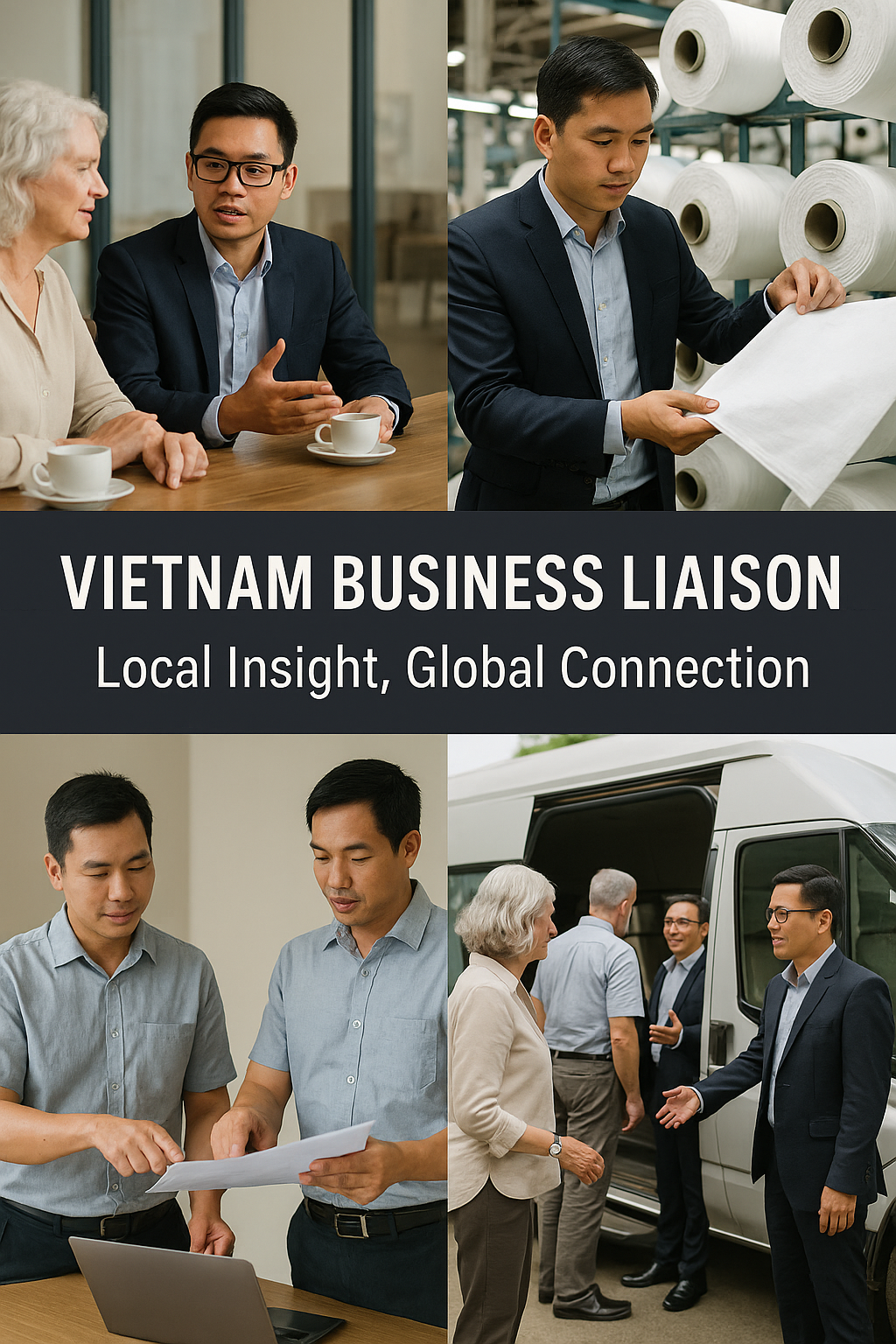
Essential Strategies for Success in the Vietnamese Trading Market
The Vietnamese trading market offers significant opportunities, but success requires a well-defined strategy. Vietnam traders navigating this landscape must embrace a multifaceted approach, encompassing market understanding, regulatory compliance, relationship building, and adaptation to evolving trends. To thrive in this dynamic environment, Vietnambizrep recommends focusing on key strategic areas.
Deep Market Understanding: A foundational element for triumph in the Vietnamese trading sector is acquiring an in-depth understanding of the market dynamics, consumer behavior, and competitive landscape. Vietnam’s diverse regions exhibit distinct consumer preferences, requiring traders to tailor their offerings accordingly. Conducting thorough market research to identify specific niches, assess demand, and analyze competitor strategies is crucial.
- Market Research: Gathering insights into consumer needs, preferences, and purchasing power is critical.
- Competitive Analysis: Identifying key competitors, analyzing their strengths and weaknesses, and developing strategies to differentiate your business.
- Trend Monitoring: Staying abreast of emerging trends, technological advancements, and evolving consumer demands.
Compliance and Legal Framework: Navigating the regulatory landscape and adhering to legal requirements are paramount for sustainable success. Vietnam’s legal framework governing trade is constantly evolving, demanding vigilance and adaptation. Engaging legal counsel and staying informed about changes in regulations are essential.
- Import/Export Regulations: Understanding and complying with import and export regulations, including tariffs, quotas, and licensing requirements.
- Contract Law: Ensuring contracts are legally sound and enforceable in Vietnam.
- Intellectual Property Protection: Protecting your intellectual property rights, including trademarks, patents, and copyrights.
Relationship Building: In Vietnam, business is often conducted on a foundation of trust and personal relationships. Cultivating strong relationships with suppliers, distributors, customers, and government officials is crucial for long-term success. Networking events, trade shows, and industry associations provide valuable opportunities to build connections.
- Networking: Actively participating in industry events and building relationships with key stakeholders.
- Cultural Sensitivity: Demonstrating respect for Vietnamese culture and customs.
- Partnerships: Forming strategic alliances with local partners to leverage their expertise and networks.
Adaptability and Innovation: The Vietnamese trading sector is characterized by rapid change and increasing competition. Vietnam traders must be agile and adaptable, embracing innovation to stay ahead of the curve. This involves adopting new technologies, exploring alternative business models, and continuously improving operational efficiency.
- Technology Adoption: Leveraging digital tools and platforms to enhance efficiency and reach new customers.
- Innovation: Developing new products and services to meet evolving market demands.
- Continuous Improvement: Regularly evaluating and refining your business processes to optimize performance.
By implementing these essential strategies, vietnambizrep believes Vietnam traders can significantly increase their chances of success in this dynamic and rewarding market.
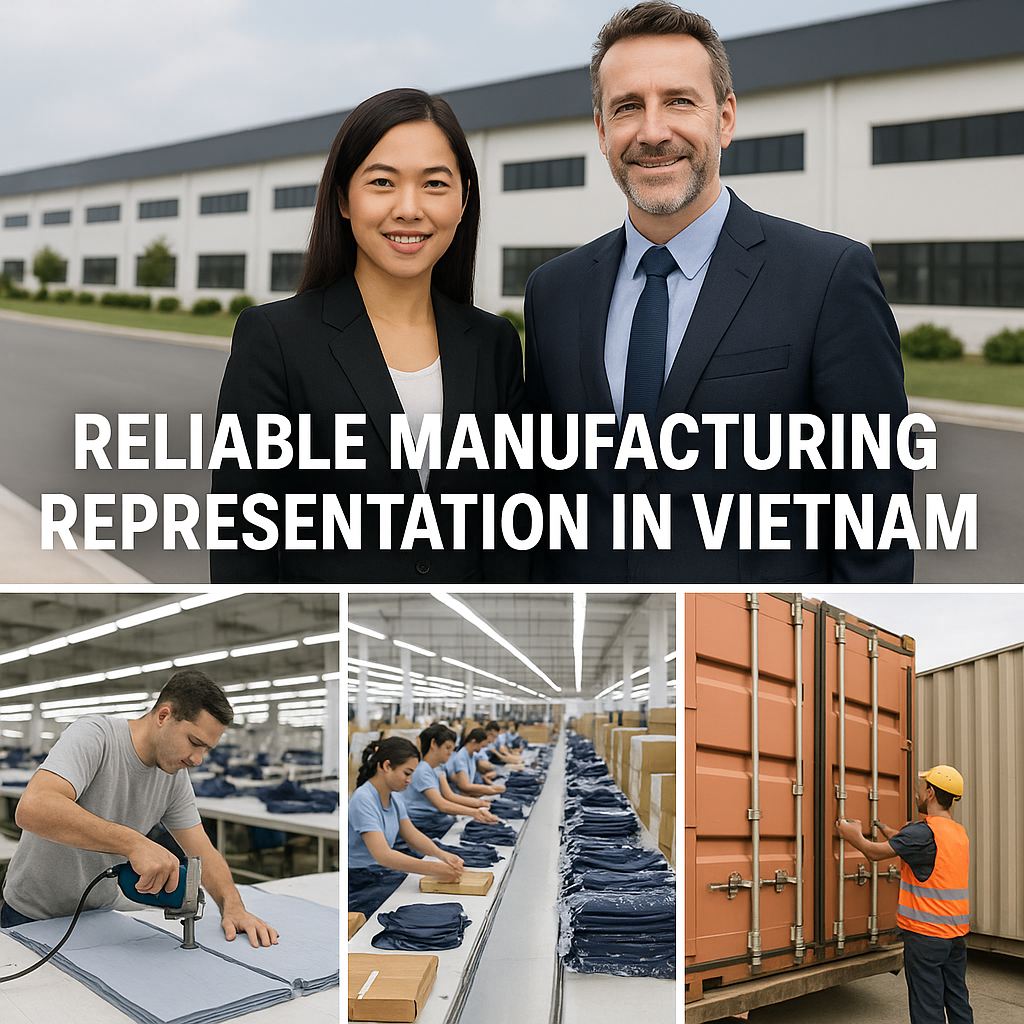
Uncover essential strategies to find reliable suppliers in Vietnam for your trading ventures.
Common Challenges Faced by Vietnam Traders and How to Overcome Them
Vietnam traders, like their counterparts globally, encounter a unique set of challenges within the dynamic Vietnamese business landscape; overcoming these obstacles is paramount to achieving sustainable success in the trading sector. These hurdles range from navigating complex regulations and fierce competition to managing cultural nuances and building trust with international partners. Addressing these common issues proactively can significantly improve the competitiveness and profitability of vietnambizrep and other trading businesses operating in Vietnam.
One significant obstacle for Vietnam traders is the ever-evolving regulatory landscape. The legal and regulatory framework governing trade in Vietnam can be intricate and subject to frequent changes, requiring constant monitoring and adaptation.
- Challenge: Lack of clarity in regulations, bureaucratic processes, and inconsistent enforcement can create uncertainty and delays for businesses.
- Solution: Investing in legal expertise, staying updated on regulatory changes through government publications and industry associations, and building strong relationships with relevant authorities are crucial steps to navigate this complexity. For instance, Decree 09/2018/ND-CP, which governs trading rights for foreign-invested enterprises, has been amended several times, requiring businesses to stay informed through official channels and legal counsel.
Another key challenge is intense competition within the domestic and international markets. The Vietnamese trading sector is becoming increasingly crowded, with both local and foreign players vying for market share.
- Challenge: Pressure on pricing, difficulty in differentiating products or services, and the need to constantly innovate to stay ahead.
- Solution: Developing a strong brand identity, focusing on niche markets, building strategic partnerships, and investing in technology to improve efficiency and enhance customer service can help vietnambizrep and others stand out from the competition. Vietnamese agricultural exporters, for example, face stiff competition from Thailand and other Southeast Asian nations; differentiation through quality and branding is key.
Furthermore, cultural and communication barriers can pose significant difficulties for Vietnam traders, especially when dealing with international partners. Misunderstandings arising from language differences, cultural norms, and business etiquette can hinder effective communication and relationship building.
- Challenge: Difficulty in establishing trust, negotiating effectively, and managing expectations.
- Solution: Investing in language training, developing cultural sensitivity, building strong interpersonal relationships, and working with local intermediaries who understand both cultures can mitigate these risks. Understanding “face” (mặt), a core concept in Vietnamese culture, is crucial for successful negotiations and long-term partnerships.
Finally, access to finance remains a persistent challenge for many Vietnam traders, particularly small and medium-sized enterprises (SMEs). Limited access to credit, high interest rates, and stringent collateral requirements can hinder their ability to expand their operations, invest in new technologies, and compete effectively.
- Challenge: Difficulty in securing funding for working capital, trade finance, and expansion projects.
- Solution: Exploring alternative financing options such as government-backed loan programs, private equity investments, and crowdfunding, as well as improving financial literacy and developing strong relationships with banks and financial institutions, can help overcome this hurdle. The government’s SME Development Fund provides subsidized loans and guarantees to eligible businesses, though accessing these funds requires meeting specific criteria and navigating bureaucratic procedures.
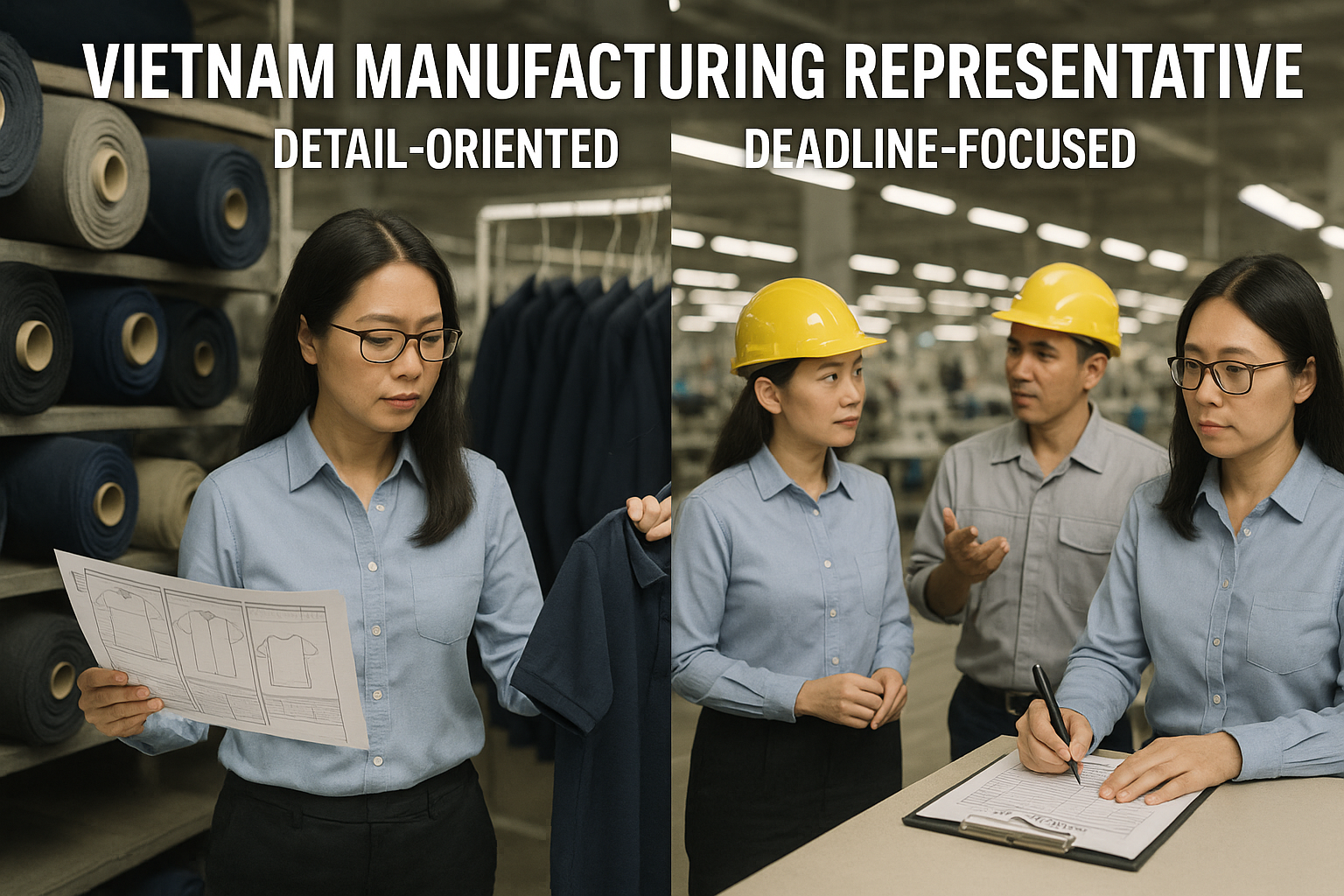
Building Relationships and Cultural Considerations for Vietnam Traders
For Vietnam traders to achieve lasting success, understanding and navigating the nuances of building relationships and respecting cultural considerations is paramount. These aspects are not merely supplementary; they are integral to establishing trust, fostering collaboration, and ultimately, driving profitable ventures in the Vietnamese market. A solid grasp of Vietnamese business etiquette can bridge cultural gaps and cultivate strong, mutually beneficial partnerships.
Vietnamese business culture places a high value on personal relationships (quan hệ). Building trust takes time and requires consistent effort. Initial meetings often focus on getting to know each other on a personal level before delving into business matters. For instance, engaging in small talk about family, hobbies, or general interests is customary and demonstrates respect. Avoid being overly direct or aggressive in negotiations, as this can be perceived as disrespectful. Instead, prioritize building rapport through patient and genuine interaction.
Face, or saving face (giữ thể diện), is a crucial concept in Vietnamese culture. It refers to maintaining one’s dignity and avoiding embarrassment or shame. Therefore, it’s essential to be mindful of your words and actions to prevent causing someone to lose face. Public criticism, direct confrontation, or pointing out mistakes directly should be avoided. Instead, offer constructive feedback in a private and respectful manner. For example, instead of saying “Your presentation was poorly prepared,” a more appropriate approach would be, “I have a few suggestions that might enhance your next presentation.”
Gift-giving is also a common practice in Vietnamese business culture, especially during holidays like Tet (Lunar New Year) or upon the successful completion of a deal. Gifts should be modest and thoughtful, and presented with both hands as a sign of respect. Common gifts include high-quality tea, coffee, or imported confectionery. It’s important to research the appropriate gift and avoid items that might be considered unlucky or offensive, such as clocks (symbolizing the end of time) or green hats (implying infidelity).
Effective communication extends beyond language proficiency. Understanding non-verbal cues, such as body language and tone of voice, is also crucial. Vietnamese communication tends to be indirect, relying on subtle cues and context. For example, a “yes” may not always indicate agreement but rather a desire to avoid conflict or maintain harmony. It’s important to pay attention to body language and ask clarifying questions to ensure mutual understanding. Patience and active listening are key to navigating potential misunderstandings and building strong communication channels with your Vietnamese counterparts.
The Future of Vietnam’s Trading Sector: Trends and Opportunities
The future of Vietnam’s trading sector is poised for significant growth and transformation, driven by evolving global dynamics and the country’s strategic integration into the international economy, presenting numerous opportunities for Vietnam traders. As vietnambizrep, we believe understanding these trends is crucial for navigating and capitalizing on the changing landscape for Vietnam traders.
Several key trends are shaping the future of trade in Vietnam:
- Digital Transformation: The adoption of e-commerce platforms, blockchain technology, and digital payment systems is revolutionizing how Vietnam traders conduct business. E-commerce, in particular, is experiencing exponential growth, providing access to new markets and streamlining trade processes.
- Supply Chain Diversification: Global events have highlighted the need for diversified supply chains. Vietnam is increasingly becoming an attractive alternative sourcing destination, benefiting Vietnam traders involved in manufacturing and export.
- Focus on Sustainability: Growing consumer awareness and regulatory pressure are driving demand for sustainable and ethically sourced products. Vietnam traders who embrace sustainable practices will gain a competitive edge.
- Regional Integration: Vietnam’s active participation in regional trade agreements, such as the Comprehensive and Progressive Agreement for Trans-Pacific Partnership (CPTPP) and the Regional Comprehensive Economic Partnership (RCEP), is opening up new trade avenues and reducing barriers for Vietnam traders.
- Skilled Workforce Development: Investments in education and training are enhancing the skills of the Vietnamese workforce, making the country a more attractive destination for foreign investment and boosting the competitiveness of Vietnam traders.
These trends translate into significant opportunities for Vietnam traders. For instance, the rise of e-commerce presents opportunities to expand market reach and reduce operational costs. The shift towards sustainable practices allows Vietnam traders to cater to a growing segment of conscious consumers. Increased regional integration creates opportunities to access new markets and benefit from preferential trade terms.
However, to capitalize on these opportunities, Vietnam traders need to adapt and innovate. This includes investing in digital technologies, adopting sustainable practices, building strong relationships with international partners, and continuously improving the skills of their workforce. By embracing these strategies, Vietnam traders can position themselves for success in the evolving landscape of Vietnam’s trading sector.
Explore the future trends shaping Vietnam’s trading sector in 2025 and identify emerging opportunities for growth.
How to Find Reliable Vietnam Traders: Resources and Due Diligence
Finding reliable Vietnam traders is paramount for successful international business ventures. The Vietnamese market presents numerous opportunities, but navigating it requires thorough due diligence and access to the right resources. This section outlines essential steps and reliable channels for identifying trustworthy partners, ensuring a secure and profitable trading experience.
To effectively source dependable traders, start by leveraging official government resources. The Vietnam Trade Promotion Agency (Vietrade) is a key entity, offering a comprehensive database of Vietnamese companies, industry reports, and trade statistics. Vietrade also organizes trade fairs and exhibitions, providing direct interaction opportunities with potential partners. For instance, the Vietnam International Trade Fair (Vietnam Expo) is an annual event attracting numerous Vietnam traders across diverse sectors. Utilizing these platforms helps filter potential partners based on their industry, experience, and product offerings.
Beyond government entities, exploring established trade associations is crucial. Organizations like the Vietnam Chamber of Commerce and Industry (VCCI) provide membership directories, networking events, and business matching services. VCCI acts as a central hub, connecting international businesses with reputable Vietnam traders across various sectors. Participating in their events allows for face-to-face interactions and verification of credentials. Industry-specific associations, such as the Vietnam Textile and Apparel Association (VITAS) or the Vietnam Food Association (VFA), offer targeted networking opportunities and insights into specific market segments. These associations often have stringent membership requirements, ensuring a higher level of credibility among their members.
Furthermore, online platforms and business directories can serve as valuable tools, but require careful scrutiny. Alibaba, Global Sources, and similar B2B marketplaces host numerous Vietnam traders, but it’s imperative to verify their legitimacy. Always conduct thorough background checks, request business licenses, and seek references from previous clients. Utilize independent verification services to assess the company’s legal standing and financial stability. Remember, a strong online presence doesn’t automatically equate to reliability; in-depth due diligence is essential.
Finally, consider engaging local consultants or agents with expertise in the Vietnamese market. These professionals possess in-depth knowledge of local business practices, regulatory requirements, and cultural nuances. They can conduct on-the-ground due diligence, verify supplier credentials, and facilitate communication, mitigating potential risks associated with cross-border transactions. Leveraging their expertise ensures informed decision-making and enhances the likelihood of forging successful, long-term partnerships with reputable Vietnam traders.
Explore the leading Vietnam B2B marketplaces and connect with verified traders for successful collaborations.
Overseas buyers working in Vietnam can appoint a local Vietnam trade representative to handle supplier communications and coordination, or engage a Vietnam manufacturing representative for production monitoring and follow-up.
Traders comparing multiple sourcing options may also find it useful to review how individual suppliers present themselves online — see our notes on evaluating a Vietnamese supplier’s website before reaching out.
Vietnam Biz Rep helps overseas buyers find suppliers, verify factories, coordinate samples, inspect goods, and follow up production in Vietnam. Learn more about our Vietnam sourcing agent services or contact us to discuss your sourcing requirements.
