

For businesses seeking a competitive edge, identifying the right vietnam sports clothing manufacturers is crucial to success in 2025. This article, categorized under vietnambizrep, dives deep into the landscape of sportswear production in Vietnam, offering a data-driven analysis of leading clothing suppliers, their capabilities, and how to navigate the complexities of garment manufacturing. We will explore key aspects such as custom apparel options, private label services, crucial quality control measures and how to establish strong supply chain management strategies. By understanding these vital elements, you’ll be equipped to make informed decisions, optimize your sourcing strategies, and ultimately, boost your bottom line in the dynamic world of sports apparel in Vietnam.
Finding the Right Vietnam Sports Clothing Manufacturer: A Comprehensive Guide
Sourcing the right Vietnam sports clothing manufacturer is crucial for brands looking to produce high-quality, cost-effective activewear. Selecting a suitable manufacturer involves careful consideration of their capabilities, experience, and ethical standards to ensure a successful and sustainable partnership.
To begin your search, you should start by clearly defining your specific requirements for the type of sports clothing you intend to produce. Are you looking for a manufacturer specializing in performance fabrics, custom designs, or specific garment types like yoga pants, jerseys, or swimwear? A manufacturer’s expertise in particular areas can be determined by examining their portfolio, client list, and certifications. For example, a manufacturer with WRAP certification demonstrates commitment to ethical production, which can be a vital attribute for many brands.
Several key steps can streamline your process of selecting the ideal Vietnamese sports clothing supplier.
- Conduct thorough research: Utilize online directories such as Alibaba, Global Sources, and industry-specific platforms. Vietnambizrep can also serve as a valuable resource, leveraging our extensive network and experience in the Vietnamese manufacturing landscape.
- Assess capabilities and specializations: Ensure the manufacturer possesses the necessary equipment, technology, and skilled workforce to meet your production needs. Request samples and conduct factory visits to evaluate their quality control processes and production capacity.
- Evaluate communication and transparency: Clear and consistent communication is critical for a successful partnership. Assess the manufacturer’s responsiveness, language proficiency, and willingness to address your concerns.
- Consider ethical and sustainability practices: Inquire about their labor standards, environmental policies, and certifications to ensure alignment with your brand values.
Ultimately, selecting the right sports clothing manufacturer in Vietnam requires due diligence and a strategic approach. By understanding your specific needs, conducting thorough research, and carefully evaluating potential partners, you can establish a mutually beneficial relationship that supports your brand’s growth and success in the competitive activewear market.
Ready to connect? Find reliable partners on this Vietnam suppliers website and kickstart your production.
Types of Sports Clothing Commonly Manufactured in Vietnam
Vietnam has emerged as a significant hub for sports clothing manufacturers, offering a diverse range of products to cater to various sporting activities. The country’s strong textile industry, combined with skilled labor and competitive pricing, makes it an attractive destination for brands looking to produce high-quality sportswear. This section will delve into the common types of sports clothing readily available from Vietnam sports clothing manufacturers, highlighting their specific characteristics and applications.
Vietnamese factories are well-equipped to produce a wide array of activewear, encompassing apparel designed for various sports and fitness activities. This includes everything from basic items like t-shirts and shorts to more specialized garments such as compression wear, yoga pants, and swimwear. The versatility of the Vietnamese manufacturing sector allows for customization in terms of fabric, design, and functionality, meeting the specific needs of different brands and sports.
Here’s a breakdown of specific categories:
- Athletic Apparel: This encompasses core sportswear items like running shorts, track pants, jerseys, and sports bras, often made with moisture-wicking and breathable fabrics for optimal performance. These garments cater to a broad range of sports, including running, soccer, basketball, and general fitness training.
- Team Uniforms: Vietnam’s garment industry is capable of producing custom team uniforms for various sports, incorporating specific colors, logos, and player names/numbers. This includes uniforms for soccer, basketball, volleyball, and other team sports, often utilizing durable and performance-oriented fabrics.
- Outdoor Gear: Manufacturers also specialize in outdoor clothing, including hiking pants, waterproof jackets, and fleece pullovers designed for activities like hiking, camping, and climbing. These garments often incorporate features like water resistance, windproofing, and UV protection.
- Swimwear: Swimwear production is another area of expertise, with manufacturers offering a variety of styles, including swimsuits, trunks, and rash guards, often utilizing chlorine-resistant and quick-drying fabrics.
- Yoga and Pilates Apparel: The demand for yoga pants, leggings, and sports tops has also driven production in Vietnam, with manufacturers offering comfortable and flexible fabrics that allow for a full range of motion.
- Specialized Sports Apparel: Beyond the common categories, Vietnamese factories are also capable of producing specialized sports apparel, such as cycling jerseys, golf apparel, and martial arts uniforms, requiring specific designs and functionalities.
The ability to source a diverse range of sports clothing from Vietnambizrep’s network of Vietnam sports clothing manufacturers makes the country a valuable partner for brands seeking quality, affordability, and customization.
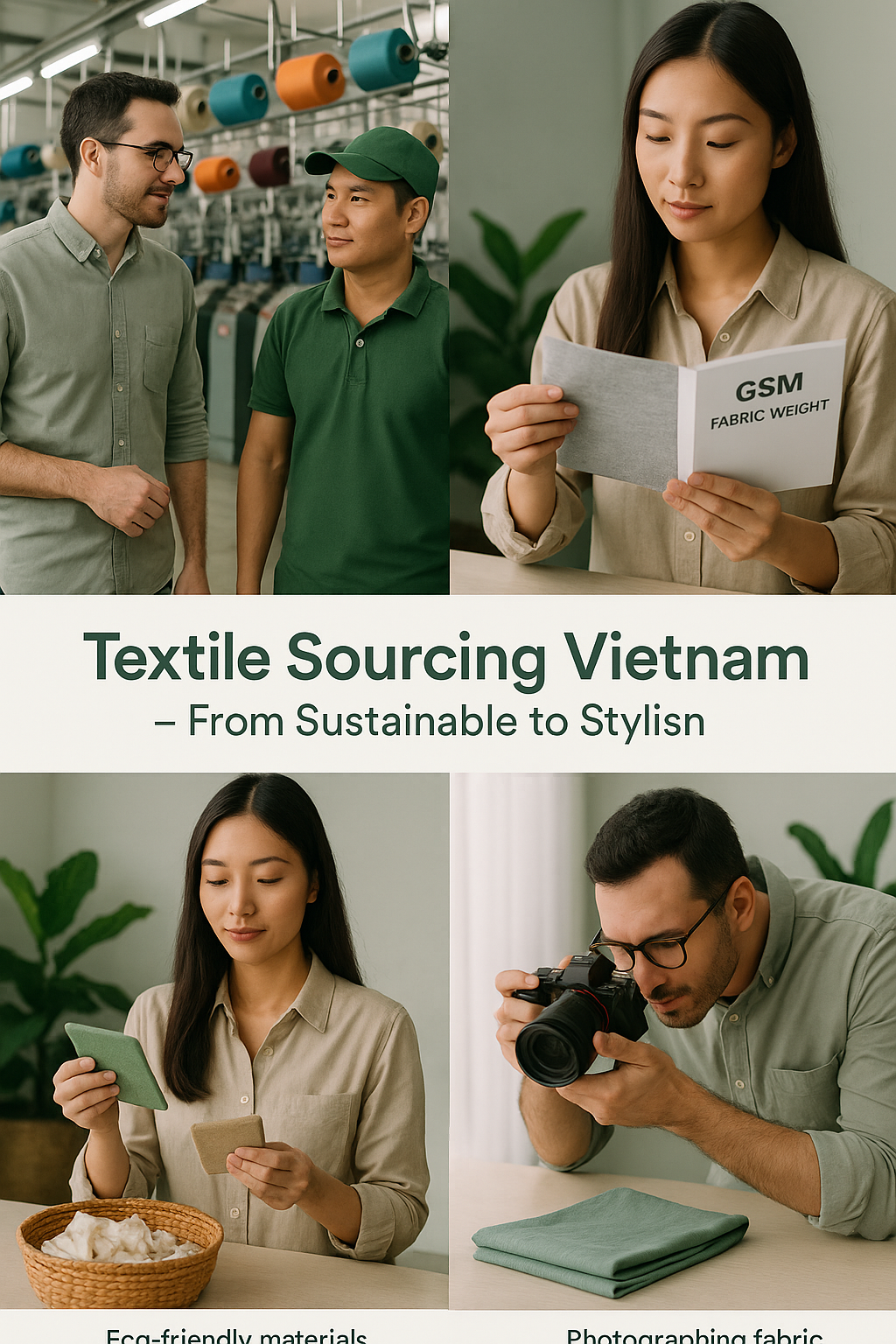
Curious about fabric options? Learn about the top Vietnam fabric suppliers for sports clothing.
Key Factors to Consider When Choosing a Vietnamese Sports Clothing Manufacturer
Selecting the right vietnam sports clothing manufacturers is a crucial decision that significantly impacts the success of your brand, requiring careful consideration of several key factors. Beyond just finding a factory that can sew garments, you need a partner capable of delivering quality, reliability, and ethical practices, all while aligning with your brand’s specific needs and budget.
When sourcing sports apparel manufacturers in Vietnam, experience and specialization are paramount. A manufacturer with a proven track record in producing similar types of sportswear – whether it’s running gear, yoga apparel, or team uniforms – will possess the necessary expertise in fabric handling, construction techniques, and performance requirements. It’s wise to inquire about their past projects and request samples to evaluate their workmanship. For instance, a manufacturer specializing in seamless activewear might not be the best choice for producing complex basketball jerseys with intricate embellishments.
Production capacity and scalability are equally important considerations. Ensure the manufacturer can handle your current order volume and, more importantly, has the ability to scale production as your business grows. Discuss their equipment capabilities, workforce size, and lead times to assess their capacity. A manufacturer using modern machinery and efficient production processes will be better equipped to meet your demands and maintain consistent quality. Understanding their maximum output per month and their expansion plans will help you determine if they can be a long-term partner.
Quality control procedures are non-negotiable. A reliable sports clothing manufacturer should have a robust quality control system in place, encompassing inspections at every stage of production, from fabric sourcing to final packaging. Inquire about their quality control certifications (e.g., ISO 9001) and ask for detailed reports on their quality control processes. Implement your own quality checks or hire a third-party inspection agency to ensure that the garments meet your specifications and quality standards.
Compliance with ethical and sustainability standards is increasingly important for consumers. Partnering with a manufacturer that adheres to fair labor practices, environmental regulations, and sustainable sourcing is crucial for building a responsible and reputable brand. Inquire about their certifications related to ethical manufacturing (e.g., WRAP, BSCI) and environmental sustainability (e.g., Oeko-Tex). Transparency in their supply chain and commitment to reducing their environmental impact are essential considerations.
Finally, communication and responsiveness are key to a successful partnership. A manufacturer that is readily available, communicates clearly, and responds promptly to your inquiries will be easier to work with and more likely to meet your expectations. Assess their communication skills during the initial stages of your search. Look for a partner who understands your brand vision, provides regular updates on production progress, and is proactive in addressing any issues that may arise.

Ready to find the perfect manufacturer? Discover the essential factors to consider when choosing a Vietnamese clothing manufacturer.
Understanding the Vietnam Sports Clothing Manufacturing Process: From Design to Delivery
Understanding the Vietnam sports clothing manufacturing process, from initial design to final delivery, is crucial for brands looking to produce high-quality sportswear efficiently and effectively. This detailed process encompasses several key stages, each requiring careful planning and execution to ensure the final product meets the desired specifications and standards. Let’s delve into the step-by-step guide of the manufacturing process in Vietnam.
The initial stage involves design and pattern making, where your concepts are translated into tangible blueprints. This crucial step often begins with detailed sketches, technical specifications, and material selections provided by the client. Vietnamese manufacturers then utilize CAD (Computer-Aided Design) software to create precise patterns, ensuring accuracy and consistency across the entire production run. Furthermore, this stage includes sample development, where prototypes are created and refined based on client feedback, involving multiple iterations to achieve the perfect fit, style, and functionality.
Next comes fabric sourcing and procurement, a critical aspect impacting both cost and quality. Vietnamese manufacturers have access to a wide range of textiles, including locally produced and imported options. Reputable manufacturers prioritize sourcing high-quality fabrics that meet specific performance requirements, such as moisture-wicking, breathability, and durability. This stage involves rigorous testing to ensure fabrics comply with international standards for colorfastness, shrinkage, and tear strength.
The core of the process is cutting and sewing, where fabric is transformed into individual garment pieces and then assembled. Automated cutting machines are used to ensure precise cuts, minimizing waste and maximizing efficiency. Skilled sewing operators then meticulously assemble the garment pieces, paying close attention to seam construction, stitching quality, and overall finishing. This stage often involves specialized machinery for specific garment features, such as flatlock stitching for enhanced comfort or reinforced seams for increased durability.
Following assembly, garments undergo rigorous quality control checks. Each garment is inspected for defects in fabric, stitching, and overall construction. Measurements are carefully verified against the approved specifications to ensure consistent sizing and fit. Any deviations from the required standards are addressed through rework or rejection, maintaining high levels of product integrity.
Finally, the completed garments undergo finishing, packaging, and delivery. This includes tasks such as trimming loose threads, adding labels and tags, and pressing the garments to remove wrinkles. Items are then carefully packaged according to the client’s specifications, ensuring they are protected during transit. Reputable Vietnam sports clothing manufacturers offer a range of shipping options, coordinating logistics to ensure timely and cost-effective delivery to the final destination.
Curious about the journey of your sports clothing? Understand the Vietnam sports clothing manufacturing process, from initial design to final delivery.
Sustainability and Ethical Practices in Vietnam Sports Clothing Manufacturing
Sustainability and ethical practices are increasingly important considerations when sourcing from Vietnam sports clothing manufacturers. As global awareness of environmental and social issues grows, brands are under pressure to ensure their supply chains adhere to responsible standards. This section explores the key aspects of sustainable and ethical manufacturing in the context of sports clothing production in Vietnam, providing insights into how businesses can make informed decisions and contribute to a more responsible industry.
Many Vietnam sports clothing manufacturers are proactively adopting sustainable practices to minimize their environmental impact. This includes:
- Utilizing eco-friendly materials: such as organic cotton, recycled polyester (rPET), and innovative bio-based fabrics.
- Implementing water conservation measures: like using water-efficient dyeing and finishing techniques.
- Reducing waste: through initiatives like lean manufacturing and recycling programs.
- Investing in renewable energy sources: such as solar panels, to power their factories.
Beyond environmental concerns, ethical labor practices are a critical component of responsible manufacturing. When selecting sports clothing manufacturers in Vietnam, brands should prioritize those that demonstrate a commitment to:
- Fair wages and benefits: ensuring workers receive competitive compensation and access to healthcare.
- Safe working conditions: adhering to international safety standards and providing a healthy work environment.
- Respect for workers’ rights: prohibiting child labor, forced labor, and discrimination.
- Promoting worker well-being: offering training and development opportunities, as well as programs to support their personal and professional growth.
To ensure sustainability and ethical standards are met, brands should conduct thorough due diligence when selecting Vietnam sports clothing manufacturers. This may involve:
- Factory audits: to assess compliance with environmental and social standards.
- Certifications: such as Fair Trade, GOTS (Global Organic Textile Standard), and OEKO-TEX, which provide independent verification of sustainable and ethical practices.
- Supply chain transparency: mapping the entire supply chain to identify and address potential risks.
- Building long-term partnerships: with manufacturers that share their values and are committed to continuous improvement.
By prioritizing sustainability and ethical practices when sourcing from Vietnam sports clothing manufacturers, businesses can not only minimize their environmental and social impact but also enhance their brand reputation and appeal to increasingly conscious consumers. Ultimately, supporting responsible manufacturing contributes to a more equitable and sustainable future for the industry.

Navigating Legal and Regulatory Aspects of Manufacturing Sports Clothing in Vietnam
Successfully establishing sports clothing production in Vietnam requires a thorough understanding and careful navigation of the country’s legal and regulatory landscape. This section will guide you through the essential aspects, ensuring your vietnambizrep business operates smoothly and avoids potential legal pitfalls, maximizing your chances of finding the right Vietnam sports clothing manufacturers.
Understanding the legal framework for manufacturing in Vietnam is crucial, as it dictates the permissible business structures and the regulations governing foreign investment. Foreign investors typically choose between establishing a limited liability company (LLC) or a joint venture with a local partner. Each structure has specific requirements regarding capital contribution, licensing, and operational compliance. For instance, Decree No. 31/2021/ND-CP details investment procedures, including registration requirements and timelines, while the Law on Investment 2020 provides a comprehensive overview of investment incentives and guarantees.
Compliance with labor laws is paramount for ethical and sustainable sports clothing manufacturing. This encompasses adherence to minimum wage regulations, working hour limitations, and social insurance requirements for employees. Vietnam’s Labor Code outlines these provisions, emphasizing the importance of fair employment practices. Furthermore, businesses must ensure compliance with environmental regulations, including waste management and pollution control standards, to minimize their environmental impact. For example, Decree No. 08/2022/ND-CP details regulations on environmental protection, requiring manufacturers to conduct environmental impact assessments for certain projects.
Intellectual property protection is a key consideration when manufacturing sports clothing in Vietnam, especially concerning designs, trademarks, and patents. Registering your intellectual property with the National Office of Intellectual Property of Vietnam (NOIP) safeguards your brand and products from infringement. Enforcement mechanisms are in place to address counterfeiting and other intellectual property violations, though vigilance and proactive measures are essential. It’s advisable to conduct thorough due diligence on potential manufacturing partners to ensure they respect intellectual property rights and have robust anti-counterfeiting measures in place.
Trade regulations and customs procedures play a significant role in the import and export of materials and finished goods. Understanding Vietnam’s trade agreements, such as the Comprehensive and Progressive Agreement for Trans-Pacific Partnership (CPTPP) and the EU-Vietnam Free Trade Agreement (EVFTA), can provide tariff advantages and streamline customs processes. Compliance with customs regulations, including accurate declaration of goods and payment of duties, is essential to avoid delays and penalties. Circular No. 39/2018/TT-BTC provides detailed guidance on customs procedures and import-export duties.
Communicating Effectively with Your Vietnam Sports Clothing Manufacturer: Overcoming Language and Cultural Barriers
Effective communication is paramount to a successful partnership with Vietnam sports clothing manufacturers. Navigating language differences and understanding cultural nuances will streamline the production process, minimize misunderstandings, and foster a strong, reliable business relationship. This section explores practical strategies for bridging these gaps, ensuring your vision for sportswear manufacturing in Vietnam is realized efficiently and effectively.
One of the primary obstacles in working with Vietnamese clothing manufacturers is the language barrier. While many factories employ English-speaking staff, relying solely on this can lead to misinterpretations. Consider these approaches:
- Employing a translator: Hiring a professional translator, either in-house or freelance, can ensure accurate communication during crucial meetings and document exchanges. This minimizes ambiguity and prevents costly errors.
- Using visual aids: Supplementing written and verbal communication with detailed sketches, prototypes, and tech packs can clarify your design specifications and technical requirements, regardless of language proficiency.
- Simplifying language: Avoid jargon and complex sentence structures. Use clear, concise language that is easy to understand, even for non-native English speakers. Vietnambizrep recommends breaking down complex instructions into simple, actionable steps.
Beyond language, cultural differences can impact communication styles and business practices. Understanding and respecting these nuances is crucial for building trust and rapport with your Vietnam sports clothing manufacturer. Some key cultural considerations include:
- Hierarchy and respect: Vietnamese culture emphasizes respect for seniority and authority. Address individuals using appropriate titles and demonstrate deference to senior management.
- Indirect communication: Direct confrontation is often avoided in Vietnamese culture. Be attentive to non-verbal cues and subtle signals to understand the true meaning behind communications. Constructive criticism should be delivered tactfully and privately.
- Relationship building: Building personal relationships is vital for establishing trust and fostering long-term partnerships. Take the time to get to know your Vietnamese manufacturing partners on a personal level, showing genuine interest in their culture and customs.
By proactively addressing language and cultural differences, you can lay the foundation for clear, open, and productive communication with your Vietnam sports clothing manufacturer, leading to a more successful and mutually beneficial partnership.
Concerned about communication? Learn how to connect with English-speaking clothing manufacturers in Vietnam for seamless collaboration.
Quality Control and Assurance Strategies for Vietnam Sports Clothing Manufacturing
Ensuring high-quality sports clothing manufacturing in Vietnam requires robust quality control and assurance strategies that span the entire production process. Effective quality control is paramount for vietnambizrep and other brands aiming to maintain customer satisfaction and brand reputation. These strategies not only mitigate risks associated with defects but also contribute to cost savings and improved production efficiency.
Implementing a comprehensive quality management system is essential for Vietnam sports clothing manufacturers. This system should encompass:
- Incoming Material Inspection: Verifying the quality and specifications of raw materials like fabrics, zippers, and buttons. For instance, fabrics should be tested for colorfastness, shrinkage, and tensile strength.
- In-Process Quality Control (IPQC): Monitoring the production line at various stages, such as cutting, sewing, and finishing, to identify and correct defects early on.
- Final Inspection: Conducting a thorough examination of finished garments to ensure they meet the required standards for fit, construction, and appearance. This includes checking for loose threads, uneven seams, and misaligned prints.
- AQL (Acceptable Quality Level) Sampling: Utilizing statistical sampling techniques to assess the overall quality of a batch of garments. For example, using AQL standards to determine the number of garments to inspect based on batch size and acceptable defect rate.
To effectively execute these strategies, collaboration and communication between the brand (vietnambizrep), the sports clothing manufacturer, and any third-party inspection agencies are crucial. Regular audits, clear communication of quality standards, and prompt corrective actions can help maintain consistent quality throughout the manufacturing process. Furthermore, investing in training for factory workers on quality control procedures can empower them to identify and address issues proactively, reducing the likelihood of defects and ensuring the production of high-quality sports clothing in Vietnam.
Cost Analysis and Negotiation Tips for Vietnam Sports Clothing Production
Understanding the cost analysis and mastering negotiation tips are crucial for achieving profitable sports clothing production in Vietnam. Effective cost management, coupled with strategic negotiation, will directly impact your bottom line when sourcing from Vietnam sports clothing manufacturers. Let’s delve into the factors influencing production costs and explore actionable negotiation strategies to optimize your investment.
Breaking down the cost structure is the first step in effective cost analysis. The primary cost components include raw materials (fabric, trims, accessories), manufacturing labor, factory overhead (rent, utilities), and shipping & logistics. Further costs may include import duties/taxes, inspection/quality control fees, and agent commissions if applicable. Thoroughly understanding each component empowers you to identify areas for potential cost reduction. For example, exploring alternative fabric options with similar performance characteristics but lower prices or optimizing your order volume to leverage economies of scale can lead to significant savings.
Several factors influence the pricing offered by Vietnamese sports clothing manufacturers. The complexity of the design affects labor costs, as intricate designs require more skilled labor and time. Fabric selection plays a significant role, with specialized performance fabrics commanding higher prices. Order volume is critical, as larger orders typically result in lower per-unit costs due to economies of scale. Factory capacity and availability also impact pricing, with busier factories potentially charging higher premiums. Understanding these influencers is crucial for effective cost analysis.
Negotiation is an art, and successful negotiation tips can significantly reduce your overall production costs. Always obtain multiple quotes from different Vietnam sports clothing manufacturers to benchmark pricing and create leverage. Clearly communicate your target price and be prepared to walk away if your needs cannot be met. Consider offering long-term contracts or larger order volumes in exchange for better pricing. Be respectful and build rapport with the manufacturer, fostering a collaborative relationship that can lead to mutually beneficial outcomes. Finally, be open to negotiating on different aspects of the production process, such as payment terms, shipping arrangements, or fabric sourcing, to achieve a more favorable overall cost structure.
Prioritizing clear communication and establishing strong supplier relationships fosters trust and unlocks opportunities for price optimization. Be transparent about your budget and desired profit margins, enabling manufacturers to offer realistic and competitive pricing. Regular communication and feedback throughout the production process are crucial for minimizing errors and rework, which can lead to unexpected costs. Investing time in building long-term partnerships based on mutual respect and open communication will generate sustainable cost savings and enhance the overall efficiency of your Vietnam sports clothing production.
Scaling Your Sports Clothing Production in Vietnam: Long-Term Partnership Strategies
Successfully scaling your sports clothing production in Vietnam requires a strategic approach centered on building robust, long-term partnerships. These partnerships are crucial for navigating the complexities of the Vietnamese manufacturing landscape and ensuring sustained growth for your brand while leveraging the capabilities of Vietnam sports clothing manufacturers.
Cultivating solid, enduring relationships with your Vietnamese manufacturing partners brings numerous advantages that translate directly into scalable and sustainable production.
Here’s how to approach building those strategies:
- Due Diligence and Vetting: Before committing to a long-term partnership, conduct thorough due diligence. Assess the manufacturer’s capabilities, financial stability, ethical practices, and commitment to quality. Vietnambizrep can assist in this process, providing in-depth reports and on-site audits to ensure alignment with your brand values and production needs.
- Clear Communication and Expectations: Establish open and transparent communication channels from the outset. Clearly articulate your expectations regarding quality, timelines, and ethical standards. Regular meetings, both virtual and in-person, are essential for maintaining alignment and addressing any emerging issues proactively.
- Contractual Agreements: A comprehensive contract is paramount for a successful long-term partnership. The contract should outline key performance indicators (KPIs), pricing structures, payment terms, intellectual property protection, and dispute resolution mechanisms. Seek legal counsel to ensure the contract is enforceable and protects your interests.
- Investing in Training and Development: Support your manufacturer’s growth by investing in training programs for their staff. This could include technical training, quality control workshops, or management development programs. A skilled workforce translates to higher quality products and increased efficiency.
- Fair Pricing and Sustainable Margins: Negotiate fair pricing that allows your manufacturer to maintain healthy profit margins. Pressuring them to accept unsustainably low prices can compromise quality and ethical practices. A collaborative approach to cost optimization is more likely to yield long-term benefits.
- Technological Integration: Explore opportunities to integrate technology into the manufacturing process. This could include implementing enterprise resource planning (ERP) systems, automating certain tasks, or utilizing data analytics to improve efficiency and quality control.
- Building Trust and Mutual Respect: Foster a culture of trust and mutual respect. Recognize and reward your manufacturer’s contributions. Treat them as a valued partner, not just a supplier. This will foster loyalty and encourage them to go the extra mile for your brand.
By prioritizing these strategies, you can establish strong, mutually beneficial partnerships with Vietnam sports clothing manufacturers, setting the stage for sustainable growth and a reliable supply chain that scales with your business needs.
Buyers sourcing apparel from Vietnam can use Vietnam factory sourcing support to identify and compare clothing manufacturers, and arrange quality control inspections to ensure production standards are met before shipment.
For a broader view of the sector these manufacturers operate within, see our overview of Vietnam’s garment industry.
Vietnam Biz Rep helps overseas buyers find suppliers, verify factories, coordinate samples, inspect goods, and follow up production in Vietnam. Learn more about our Vietnam sourcing agent services or contact us to discuss your sourcing requirements.
