


Here’s a concise and engaging introduction for an article on vietnam industries, designed for a practical-minded audience and optimized for semantic SEO:
(Opening)
Understanding the landscape of Vietnam Industries is crucial for anyone looking to invest, partner, or compete in this dynamic market. This vietnambizrep article delves into the key sectors driving Vietnam’s economic growth, examining the current status and future trends of manufacturing, technology, agriculture, and tourism. We’ll analyze the impact of government policies, explore the rise of sustainable practices, and identify emerging investment opportunities within these vital industries. This analysis also takes into account geopolitical events taking place in 2025, giving investors a full view of the market. Expect data-driven insights and actionable intelligence to inform your strategic decisions in 2025.
Vietnam Industries: An Overview of Key Sectors and Economic Drivers
Vietnam’s dynamic economy is propelled by a diverse range of key sectors, each contributing significantly to its overall growth. These vietnam industries not only drive economic prosperity but also shape the country’s social and technological landscape. Understanding the composition and economic drivers of these sectors is crucial for investors, policymakers, and anyone interested in the future of Vietnam.
The manufacturing sector stands as a cornerstone of the Vietnamese economy, attracting substantial foreign direct investment (FDI) and generating significant export revenue. Fueled by competitive labor costs and strategic trade agreements, Vietnam has become a hub for electronics assembly, garment production, and footwear manufacturing. Furthermore, the government’s focus on infrastructure development and streamlined regulations continues to bolster the manufacturing sector’s attractiveness.
Beyond manufacturing, the technology and innovation sector is experiencing rapid expansion. Vietnam’s burgeoning startup ecosystem, coupled with government initiatives promoting digital transformation, is fostering innovation in areas such as fintech, e-commerce, and software development. This sector is increasingly important as Vietnam aims to move up the value chain and compete in the global digital economy.
Agriculture remains a vital sector, contributing significantly to employment and export earnings. While traditionally focused on rice production, Vietnam is diversifying its agricultural output, emphasizing high-value crops, aquaculture, and sustainable farming practices. Government initiatives are aimed at modernizing agricultural techniques, improving productivity, and ensuring food security.
The tourism and hospitality sector has emerged as a major contributor to Vietnam’s economy, capitalizing on the country’s rich cultural heritage, stunning natural landscapes, and vibrant cities. The growth in international and domestic tourism is driving investment in hotels, resorts, and tourism-related infrastructure. A focus on ecotourism and cultural tourism is expected to further enhance the sector’s sustainability and appeal.
Finally, the energy sector is undergoing a transformation, with increasing emphasis on renewable energy sources and infrastructure development. Vietnam possesses substantial potential for solar, wind, and hydro power generation, attracting investment in clean energy technologies. Government policies are aimed at diversifying the energy mix, enhancing energy security, and promoting sustainable development.

Need shipping solutions? Find the right freight forwarder in Vietnam for your logistics needs.
Manufacturing in Vietnam: Growth, Opportunities, and Challenges
Vietnam’s manufacturing sector is experiencing rapid growth, driven by factors like competitive labor costs, strategic location, and increasing foreign investment, positioning it as a key pillar of vietnam industries. This expansion presents significant opportunities for both domestic and international businesses, but also comes with its own set of challenges that need to be addressed for sustained success. The sector’s evolution is transforming Vietnam into a global manufacturing hub, impacting its overall economic landscape.
The rise of manufacturing in Vietnam is fueled by several key factors. Low labor costs compared to other countries in the region make Vietnam an attractive destination for manufacturers seeking to reduce operational expenses. Furthermore, Vietnam’s geographical location provides easy access to major markets in Asia and beyond, facilitating trade and logistics. The government’s commitment to economic reforms and the implementation of investor-friendly policies have also contributed to attracting substantial foreign direct investment (FDI) into the sector.
Several manufacturing sub-sectors are spearheading this growth. The electronics manufacturing industry, in particular, has witnessed substantial expansion, driven by the increasing demand for electronic products globally. The textile and garment industry remains a significant contributor to Vietnam’s exports, benefiting from preferential trade agreements and a skilled workforce. Additionally, the footwear industry has experienced steady growth, with Vietnam becoming a major exporter of footwear products worldwide. Diversification and specialization within these sub-sectors are crucial for maintaining competitiveness in the long run.
Despite the promising outlook, the manufacturing sector in Vietnam faces certain challenges. Infrastructure limitations, including inadequate transportation networks and power supply, can hinder production efficiency and increase operational costs. The availability of skilled labor also remains a concern, as the demand for skilled workers continues to rise with the expansion of the sector. Moreover, increasing competition from other low-cost manufacturing destinations poses a threat to Vietnam’s competitiveness.
Addressing these challenges will unlock further opportunities for sustainable growth in the manufacturing sector. Investing in infrastructure development is crucial for improving transportation and logistics, reducing bottlenecks, and enhancing overall efficiency. Implementing training programs and initiatives to enhance the skills of the workforce will ensure a steady supply of skilled labor. Embracing technological advancements and automation can also improve productivity and competitiveness in the global market.
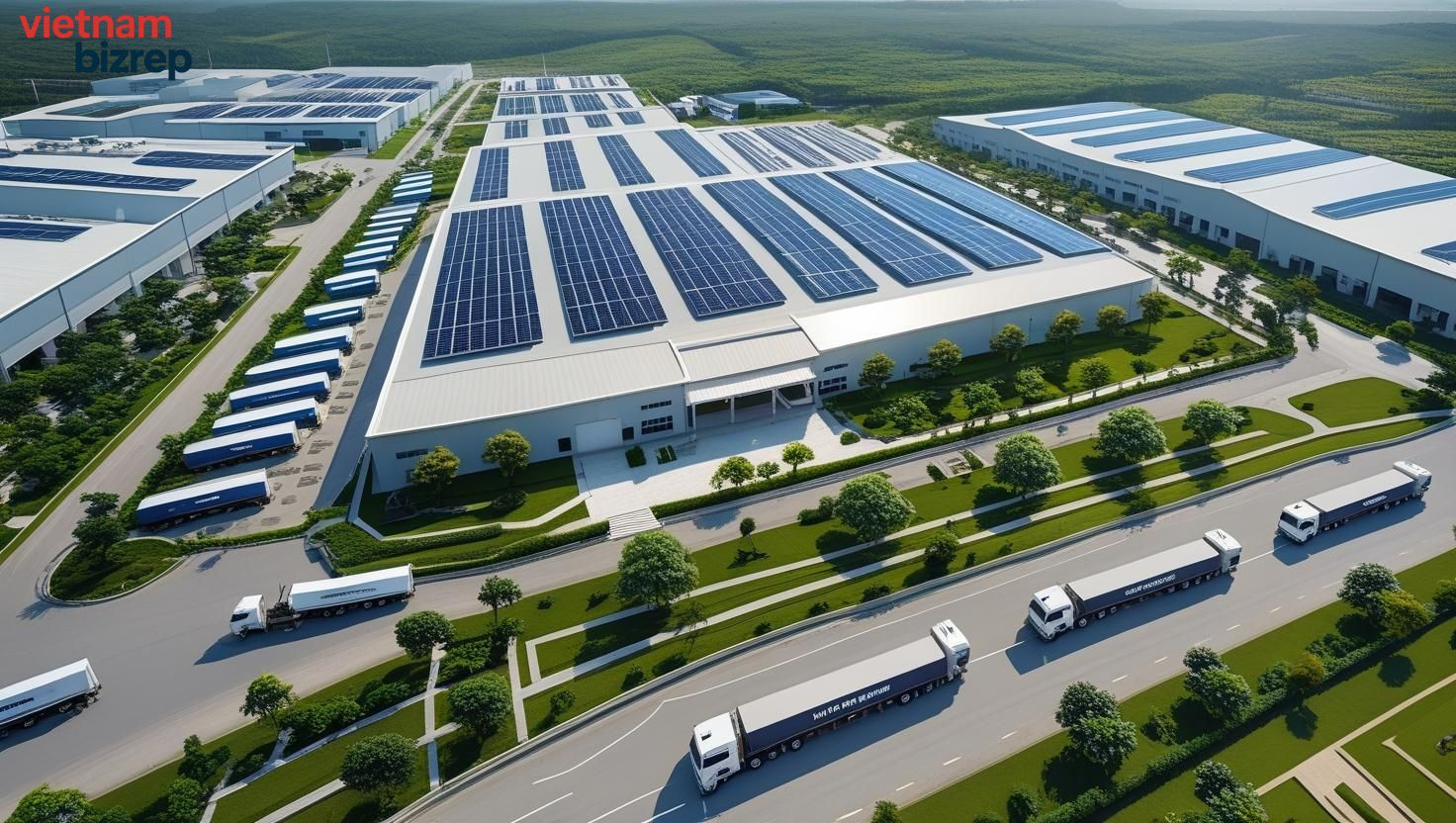
Want to know what’s being produced? Explore what is manufactured in Vietnam today.
Technology and Innovation in Vietnam: The Rise of Digital Industries
Vietnam’s digital industries are experiencing a period of unprecedented growth, driven by a confluence of factors including a young and tech-savvy population, increasing internet penetration, and supportive government policies. This surge in technology and innovation is transforming vietnam industries, creating new economic opportunities and reshaping traditional sectors. This section will delve into the key aspects of this digital revolution, exploring the emerging startup ecosystem, government initiatives, and the pivotal technology sectors fueling this transformation.
The foundation of Vietnam’s digital transformation lies in its burgeoning startup ecosystem. A wave of young entrepreneurs is leveraging technology to address local challenges and create innovative solutions. These startups are attracting increasing attention from both domestic and international investors, creating a dynamic environment for technological development. The rise of venture capital funds and accelerator programs has further fueled this momentum, providing startups with the resources and mentorship they need to scale their businesses.
Government initiatives play a critical role in fostering technology development. Vietnam’s government has launched several programs aimed at promoting innovation, attracting foreign investment in technology, and developing a skilled workforce. These initiatives include tax incentives, streamlined regulations, and investments in education and research. Government support is instrumental in creating a conducive environment for technological advancement and ensuring that Vietnam remains competitive in the global digital economy.
Several key technology sectors are driving Vietnam’s digital growth.
- Fintech is revolutionizing the financial services industry, with mobile payment platforms and digital lending services gaining widespread adoption.
- E-commerce is experiencing rapid expansion, as online shopping becomes increasingly popular among Vietnamese consumers.
- Software development remains a core strength, with Vietnam emerging as a hub for outsourcing and software development services. These sectors are not only generating significant economic value but also driving innovation across other industries.

Eager to get online? Discover how to build an e-commerce website in Vietnam.
Agriculture in Vietnam: Modernization, Sustainability, and Export Potential
Agriculture in Vietnam, a cornerstone of the nation’s economy, is undergoing significant transformations driven by modernization, a focus on sustainability, and the ambition to enhance its export potential. As a major contributor to Vietnam industries, the agricultural sector is strategically shifting towards higher value-added products and environmentally responsible practices to maintain its competitive edge in the global market. This evolution is crucial for ensuring food security, boosting rural incomes, and fostering inclusive economic growth across the country.
Vietnam’s key agricultural products such as rice, coffee, seafood, and fruits, are major contributors to the country’s export revenue. The sector’s success relies heavily on adapting to changing global demands and embracing innovative farming techniques. For instance, the application of precision agriculture, smart irrigation systems, and biotechnology are pivotal in improving yields and optimizing resource utilization. These advanced methods not only boost productivity but also reduce environmental impact, aligning with the growing emphasis on sustainable practices.
However, the path to agricultural excellence in Vietnam is not without its hurdles. Challenges and opportunities in the agricultural sector include climate change vulnerability, market volatility, and the need for improved infrastructure and access to finance. To overcome these challenges, the Vietnamese government is actively promoting sustainable agriculture practices, investing in research and development, and fostering partnerships with international organizations and private sector entities. By prioritizing innovation, resilience, and environmental stewardship, Vietnam aims to unlock the full potential of its agricultural sector and solidify its position as a leading agricultural exporter.

Interested in rice exports? Get the latest insights on rice exports from Vietnam.
Tourism and Hospitality in Vietnam: Trends, Opportunities, and Investment Prospects
Vietnam’s tourism and hospitality industry is experiencing a surge in growth, presenting numerous opportunities for investors and stakeholders in the vietnam industries. Fuelled by a rich cultural heritage, diverse landscapes, and a rapidly developing infrastructure, Vietnam has become a premier destination in Southeast Asia, attracting both domestic and international tourists. This growth translates to significant potential for investment in hotels, resorts, tourism-related services, and infrastructure development to support the industry’s expansion.
Vietnam’s tourism landscape is marked by iconic landmarks and diverse attractions, from the bustling streets of Hanoi and Ho Chi Minh City to the serene beauty of Ha Long Bay and the historical charm of Hoi An. These key tourist destinations are central to the country’s appeal, drawing visitors with their unique cultural experiences and natural wonders. Ecotourism is also gaining traction, highlighting Vietnam’s commitment to sustainable tourism practices and offering travelers authentic encounters with nature.
Several factors are driving the evolution of tourism trends in the region. Cultural tourism is increasingly popular, with travelers seeking deeper connections to Vietnam’s history, traditions, and local communities. Meanwhile, the Vietnamese government is actively promoting investment opportunities in the hospitality sector, facilitating the development of hotels, resorts, and tourism-related infrastructure. Strategic investments in transportation infrastructure are also significantly improving accessibility to various tourist destinations.

Energy Sector in Vietnam: Renewable Energy, Infrastructure Development, and Sustainability
The energy sector in Vietnam is undergoing a significant transformation, driven by a growing demand for power, increasing environmental concerns, and the government’s commitment to sustainable development. This transition encompasses a shift towards renewable energy sources, strategic infrastructure development, and the implementation of policies that promote environmental sustainability. Vietnam aims to diversify its energy mix, reduce reliance on fossil fuels, and ensure energy security for its rapidly expanding economy.
Vietnam possesses substantial renewable energy potential, particularly in solar, wind, and hydro power. The country’s long coastline and high solar irradiance create favorable conditions for large-scale wind and solar projects. Hydropower has traditionally been a key source of electricity, and there is still potential for further development of small and medium-sized hydro plants. Several factors, including government incentives, decreasing technology costs, and increasing environmental awareness, contribute to the burgeoning interest in renewable energy projects.
Despite the immense potential, Vietnam’s energy sector faces considerable challenges. These include the need for significant investment in grid infrastructure to integrate renewable energy sources, regulatory hurdles, and financing constraints. Moreover, the intermittency of renewable energy sources requires the development of energy storage solutions and smart grid technologies to ensure a stable and reliable power supply. Addressing these challenges is crucial for Vietnam to unlock its full renewable energy potential and achieve its sustainable development goals.
The Vietnamese government plays a crucial role in shaping the future of the energy sector. It has implemented various policies and incentives to encourage investment in renewable energy and upgrade the country’s energy infrastructure. These initiatives include feed-in tariffs, tax breaks, and streamlined project approval processes. Furthermore, the government is actively seeking international partnerships and attracting foreign investment to support the development of large-scale renewable energy projects and enhance the country’s energy infrastructure. This proactive approach is essential for Vietnam to achieve its ambitious energy targets and transition towards a cleaner, more sustainable energy future.

Real Estate and Construction in Vietnam: Market Trends, Investment Opportunities, and Infrastructure Projects
The real estate and construction industries in Vietnam represent a dynamic landscape, heavily influencing the overall vietnam industries growth trajectory, characterized by evolving market trends, abundant investment prospects, and ambitious infrastructure development plans. This sector’s performance is a key indicator of economic health, reflecting both domestic demand and foreign investment appetite. Fueled by rapid urbanization, a growing middle class, and government initiatives, the Vietnamese real estate market presents significant opportunities for investors and developers alike.
Vietnam’s real estate market is witnessing a shift towards urbanization and modernization, driving demand for residential, commercial, and industrial properties. Major cities like Hanoi and Ho Chi Minh City are experiencing rapid population growth, creating a surge in demand for housing, office spaces, and retail outlets. The expansion of industrial parks and manufacturing hubs is also contributing to the growth of the industrial real estate segment. For example, provinces like Binh Duong and Dong Nai, adjacent to Ho Chi Minh City, are attracting substantial investment in industrial infrastructure to support manufacturing activities.
The construction sector is pivotal in realizing these opportunities, buoyed by large-scale infrastructure projects across the country. These projects encompass transportation networks (highways, railways, airports), energy facilities (power plants, transmission lines), and urban infrastructure (water supply, sewage systems). The government’s commitment to improving connectivity and supporting economic growth has led to substantial investment in these areas. Key projects like the North-South Expressway, Long Thanh International Airport, and numerous urban metro lines are transforming Vietnam’s infrastructure landscape and attracting further investment into real estate development.
Despite the promising outlook, the real estate sector faces challenges such as regulatory complexities, land acquisition issues, and market volatility. Navigating the legal framework and securing land rights can be complex processes for both domestic and foreign investors. Macroeconomic factors, such as inflation and interest rate fluctuations, can also impact market sentiment and investment decisions. However, the long-term growth potential of the Vietnamese economy, coupled with government efforts to streamline regulations and promote transparency, presents ample opportunities for those who navigate these challenges effectively.
Looking for industrial space? Explore industrial parks (KCN) in Vietnam for your business.
Foreign Investment in Vietnam: Opportunities, Incentives, and Regulatory Landscape
Foreign investment in Vietnam has consistently been a crucial engine for economic growth, attracting significant capital inflows across various sectors and contributing substantially to the country’s development. Vietnam’s strategic location, stable political environment, competitive labor costs, and increasingly open-door policies have positioned it as an attractive destination for international investors seeking growth opportunities in Southeast Asia. This favorable environment, coupled with a proactive government approach, has helped Vietnam emerge as a dynamic and promising market for foreign direct investment (FDI).
Vietnam presents a diverse range of investment opportunities spanning manufacturing, technology, agriculture, tourism, energy, and real estate. The manufacturing sector, driven by low labor costs and a growing domestic market, continues to attract significant FDI, particularly in electronics, textiles, and footwear. The burgeoning technology sector, fueled by a young and tech-savvy population, presents exciting prospects for investment in fintech, e-commerce, and software development. Meanwhile, the tourism and hospitality industry, with its rich cultural heritage and stunning landscapes, offers attractive opportunities for hotel development and tourism-related services. Furthermore, the renewable energy sector, particularly solar and wind power, is gaining traction due to favorable government policies and growing energy demand.
The Vietnamese government actively promotes foreign investment through a range of incentives designed to attract and retain investors. These incentives include tax breaks, preferential land lease terms, and streamlined administrative procedures. For instance, companies investing in specific sectors or geographical areas may be eligible for reduced corporate income tax rates or exemptions for a certain period. The government also offers support for infrastructure development, vocational training, and technology transfer to enhance the competitiveness of foreign-invested enterprises. Several industrial zones and economic zones have been established to provide investors with ready-built infrastructure, utilities, and support services.
Navigating the regulatory landscape is a critical aspect of investing in Vietnam. The legal framework governing foreign investment includes the Law on Investment and related decrees, which outline the procedures for establishing a business, obtaining investment licenses, and complying with regulatory requirements. Understanding the nuances of Vietnamese law, including labor laws, environmental regulations, and tax regulations, is essential for successful investment. It’s advisable for foreign investors to seek legal and financial advice from reputable consultants with expertise in the Vietnamese market.
- Key Investor Countries and Sectors
- Government Incentives for Foreign Investment
- Regulatory Considerations for Foreign Investors
The Impact of Global Trends on Vietnam Industries: Geopolitics, Trade Agreements, and Technological Disruption
Vietnam industries are increasingly shaped by the powerful currents of global trends, necessitating a proactive approach to navigating the complexities of geopolitics, leveraging the opportunities presented by trade agreements, and adapting to the relentless pace of technological disruption. This section delves into how these forces are reshaping the Vietnamese economic landscape, impacting various sectors, and demanding strategic responses from businesses and policymakers alike.
Geopolitical instability, fueled by factors like international conflicts and shifting alliances, creates both risks and opportunities for Vietnamese industries. For instance, the US-China trade tensions have prompted some companies to relocate production to Vietnam, seeking a stable and competitive environment. However, these same tensions can also disrupt supply chains and create uncertainty in export markets. The rise of protectionism and economic nationalism in some countries further complicates the global trade environment, requiring Vietnamese businesses to diversify their markets and strengthen their domestic capabilities.
The proliferation of trade agreements like the Comprehensive and Progressive Agreement for Trans-Pacific Partnership (CPTPP) and the EU-Vietnam Free Trade Agreement (EVFTA) have significantly boosted Vietnam’s economic growth. These agreements provide preferential access to key markets, reduce tariffs, and promote foreign investment. For example, the EVFTA has led to increased exports of Vietnamese agricultural products and manufactured goods to the European Union. However, to fully capitalize on these agreements, Vietnam needs to improve its infrastructure, enhance its regulatory environment, and address issues related to labor standards and environmental protection.
Overseas buyers working in Vietnam can appoint a local Vietnam trade representative to handle supplier communications and coordination, or engage a Vietnam manufacturing representative for production monitoring and follow-up.
Finally, the relentless wave of technological disruption is transforming Vietnam’s industries, creating both new opportunities and significant challenges. The rise of artificial intelligence (AI), automation, and the Internet of Things (IoT) is reshaping manufacturing, agriculture, and services sectors. To remain competitive, Vietnamese businesses need to invest in research and development, embrace digital technologies, and develop a skilled workforce capable of adapting to the demands of the Fourth Industrial Revolution. The government plays a crucial role in fostering innovation, promoting digital literacy, and creating a regulatory framework that encourages technological adoption while mitigating potential risks.
Vietnam Sourcing & Manufacturing Services
- Vietnam Sourcing Agent
- Supplier Verification
- Garment Manufacturers in Vietnam
- Vietnam Clothing Manufacturers
- Factory Audit
Need help sourcing in Vietnam? Call or WhatsApp +84 941 414 422 or visit our contact page.
