



Here’s a concise and engaging introduction for your article on “manufacturer in vietnam“, optimized for SEO and semantic understanding:
(Opening)
For businesses seeking competitive advantages, understanding the landscape of manufacturers in Vietnam is no longer optional, it’s essential for strategic sourcing and supply chain resilience in 2025. This article delves into the core aspects of locating reliable manufacturing partners, navigating the intricacies of Vietnamese manufacturing sectors, and understanding the legal and regulatory frameworks governing foreign investment. We will explore the booming electronics manufacturing sector, the established textile and garment industries, and the emerging opportunities in high-tech manufacturing. As part of vietnambizrep‘s coverage of vietnambizrep, this analysis provides actionable insights into cost optimization strategies, quality control measures, and mitigating supply chain risks when partnering with Vietnamese manufacturers, empowering you to make informed decisions and achieve sustainable growth in this dynamic market.
Vietnam’s Manufacturing Landscape: Key Industries and Regional Hubs
Vietnam’s ascent as a global manufacturing hub is driven by a diverse range of industries and strategically located regional centers, making it an attractive destination for businesses seeking manufacturers in Vietnam. This dynamic landscape presents both opportunities and complexities for companies aiming to establish or expand their manufacturing operations in the country. Understanding the key industries and their geographic distribution is crucial for effective sourcing and supply chain management.
Key Industries Driving Vietnam’s Manufacturing Growth:
Vietnam’s manufacturing sector is characterized by a variety of industries, each contributing significantly to the country’s economic growth.
- Textiles and Garments: A long-standing strength of Vietnam, this sector benefits from competitive labor costs and a growing focus on higher-value products. Vietnam is now one of the world’s largest apparel exporters, with major export markets including the United States, Europe, and Japan.
- Electronics: Rapidly expanding, driven by foreign investment and a shift of production from other countries. Key products include smartphones, components, and consumer electronics. Companies like Samsung and LG have invested heavily in electronics manufacturing in Vietnam.
- Footwear: Vietnam is a major producer and exporter of footwear, with a focus on athletic shoes, leather shoes, and other footwear products. The country’s footwear industry supplies global brands such as Nike and Adidas.
- Food Processing: Vietnam’s agricultural sector supports a growing food processing industry, producing a range of products for both domestic consumption and export. Key exports include seafood, rice, coffee, and processed fruits and vegetables.
- Furniture: Vietnam’s furniture industry has grown substantially in recent years, with exports of wooden furniture, upholstered furniture, and other furniture products increasing significantly.
- Automotive: While still developing, the automotive industry is attracting investment and growing, with both domestic and foreign manufacturers establishing production facilities. VinFast, a Vietnamese automaker, is leading the charge in developing electric vehicles.
Regional Manufacturing Hubs:
Manufacturing activity is not evenly distributed across Vietnam; certain regions have emerged as key hubs due to their infrastructure, access to resources, and government support.
- Northern Vietnam: Centered around Hanoi and Hai Phong, this region is strong in electronics, textiles, and automotive manufacturing. Hai Phong’s deep-water port provides excellent access to international shipping routes.
- Southern Vietnam: Ho Chi Minh City and surrounding provinces like Binh Duong and Dong Nai form a major industrial zone, focusing on textiles, footwear, electronics, and food processing. This region benefits from a well-developed infrastructure and a large, skilled workforce. Binh Duong, for example, is a major hub for wood processing and furniture production.
- Central Vietnam: Da Nang and surrounding areas are emerging as new manufacturing centers, with strengths in seafood processing, textiles, and tourism-related industries. Government incentives and infrastructure development are attracting investment to this region.
Navigating this landscape requires a clear understanding of each region’s strengths and specializations. Businesses should also consider factors like labor costs, infrastructure quality, and local regulations when selecting a Vietnamese manufacturer. Understanding these nuances is the first step towards successful manufacturing operations in Vietnam.

Explore the diverse key industries and regional manufacturing centers shaping Vietnam’s economic growth.
Due Diligence: Verifying a Vietnamese Manufacturer’s Credentials and Capabilities
Conducting thorough due diligence is paramount when sourcing from a manufacturer in Vietnam, ensuring you partner with a reliable and capable entity. This process goes beyond initial impressions, delving into the manufacturer’s history, legal standing, financial health, and operational capabilities to mitigate potential risks and safeguard your investment.
Before committing to a Vietnamese manufacturer, several critical aspects warrant careful examination. Firstly, verifying the manufacturer’s legal credentials is essential. Request and scrutinize their business registration certificate (Giấy chứng nhận đăng ký doanh nghiệp), ensuring they are legally authorized to operate and conduct the specific manufacturing activities you require. Confirm their tax registration details and compliance status to avoid potential legal complications. Furthermore, assess their financial stability by requesting audited financial statements for the past few years. Analyze key financial ratios such as profitability, liquidity, and solvency to gauge their financial health and ability to meet your contractual obligations.
Next, a comprehensive assessment of the manufacturer’s operational capabilities is crucial. This involves evaluating their production capacity, technological infrastructure, quality control systems, and workforce skills. Conduct a site visit to observe their manufacturing processes firsthand, assess the condition of their equipment, and evaluate their adherence to safety standards. Request information on their certifications, such as ISO 9001 (quality management) or ISO 14001 (environmental management), to demonstrate their commitment to quality and sustainability. Inquire about their experience in manufacturing similar products or components and obtain references from existing clients. Communicate directly with these references to gather insights into the manufacturer’s performance, reliability, and responsiveness.

Ensure successful partnerships: Learn how to thoroughly verify the credentials and capabilities of Vietnamese manufacturers.
Navigating Vietnamese Manufacturing Contracts: Legal and Business Considerations
Successfully navigating Vietnamese manufacturing contracts requires a comprehensive understanding of both the legal framework and the nuanced business practices prevalent in the country when you are sourcing a manufacturer in Vietnam. This section delves into the crucial aspects of contract negotiation, drafting, and enforcement, ensuring that your agreements are legally sound and commercially viable, protecting your interests when engaging with Vietnamese manufacturers.
Understanding Vietnamese contract law is paramount for foreign businesses. The Civil Code of Vietnam forms the bedrock of contract law, governing general principles such as offer, acceptance, consideration, and breach. Beyond the Civil Code, specific regulations apply to manufacturing contracts, particularly concerning technology transfer, intellectual property rights, and dispute resolution. For example, manufacturing agreements involving technology transfer are subject to the Law on Technology Transfer, demanding meticulous documentation and registration with relevant authorities.
- Contractual Capacity and Due Diligence: Ensure the Vietnamese manufacturer has the legal capacity to enter into the contract. Verify their business registration certificate and check for any existing legal disputes or encumbrances that may affect their ability to fulfill contractual obligations.
- Scope of Work and Specifications: Clearly define the scope of work, product specifications, and quality standards in the contract. Use precise language and include detailed technical drawings, samples, or prototypes as references. Ambiguity in these areas can lead to disputes and substandard products.
- Payment Terms and Pricing: Negotiate payment terms that are favorable to your business while also being acceptable to the manufacturer. Consider using milestones tied to specific deliverables or performance targets. Clearly define the currency of payment, exchange rate mechanisms, and any potential price adjustment clauses.
- Intellectual Property (IP) Protection: Explicitly address intellectual property rights in the contract. Specify ownership of designs, trademarks, and patents. Include clauses on confidentiality, non-disclosure, and non-compete to protect your IP from unauthorized use or disclosure. Vietnam has strengthened its IP laws, but enforcement can still be challenging, so robust contractual protections are essential.
- Liability and Indemnification: Define the liabilities of each party in case of breach of contract, product defects, or other issues. Include indemnification clauses to protect your business from potential losses or damages caused by the manufacturer’s actions or omissions.
- Termination Clauses: Clearly outline the conditions under which either party can terminate the contract. These may include material breach of contract, insolvency, or force majeure events. Specify the consequences of termination, such as payment obligations, return of materials, and transfer of technology.
- Dispute Resolution: Choose a dispute resolution mechanism that is appropriate for your business. Options include negotiation, mediation, arbitration, or litigation. Consider specifying arbitration in a neutral jurisdiction as a preferred method of resolving disputes, as it can be faster and more cost-effective than litigation in Vietnamese courts.
- Governing Law: Specify the governing law of the contract. While Vietnamese law is often preferred by local manufacturers, foreign businesses may consider choosing a neutral jurisdiction or their home country’s law. However, enforceability of foreign judgments in Vietnam can be complex, so careful consideration is needed.
Beyond the legal framework, understanding the business culture in Vietnam is crucial for successful contract negotiation and management. Building trust and rapport with your Vietnamese counterparts is essential. Be patient, respectful, and willing to compromise. Face-to-face meetings, where possible, can foster stronger relationships and facilitate clearer communication. Employing a local legal expert, like Vietnambizrep, can provide invaluable assistance in navigating the legal complexities and cultural nuances of Vietnamese manufacturing contracts, ensuring your interests are protected and your business ventures are successful.

Cost Optimization Strategies When Sourcing Manufacturing in Vietnam
Effectively managing expenses is crucial when sourcing manufacturing in Vietnam, and implementing robust cost optimization strategies is paramount to achieving competitive pricing and maximizing profitability for your business. Exploring strategic approaches helps companies reduce expenses across various aspects of the manufacturing process, enhancing overall efficiency and return on investment when engaging with a manufacturer in Vietnam.
Several factors contribute to cost optimization when working with Vietnamese manufacturers. Understanding these elements allows businesses to make informed decisions.
- Negotiating favorable pricing terms: Direct negotiation with manufacturers can lead to significant cost reductions.
- Optimizing material sourcing: Sourcing raw materials locally within Vietnam can reduce transportation costs and lead times.
- Streamlining production processes: Working with manufacturers to improve efficiency and reduce waste can lower overall production costs.
- Implementing lean manufacturing principles: Encouraging lean manufacturing practices minimizes waste and optimizes resource utilization.
Labor costs in Vietnam are generally lower than in many other countries, offering a significant cost advantage. However, businesses can further optimize labor costs through strategic workforce management and automation. Investing in training programs can enhance worker productivity and reduce errors, leading to further cost savings.
Supply chain management also plays a pivotal role in cost optimization. Consolidating shipments, negotiating favorable transportation rates, and optimizing inventory levels can reduce logistics costs. Furthermore, building strong relationships with local suppliers can lead to preferential pricing and improved supply chain reliability. For example, Vietnambizrep can assist in identifying and vetting reliable local suppliers to ensure a stable and cost-effective supply chain.
Technology and automation can significantly impact cost efficiency. Investing in automation solutions, such as robotics and advanced machinery, can increase production speed, improve accuracy, and reduce labor costs. Embracing digital technologies for communication, data analysis, and process monitoring can also enhance efficiency and reduce operational overhead.
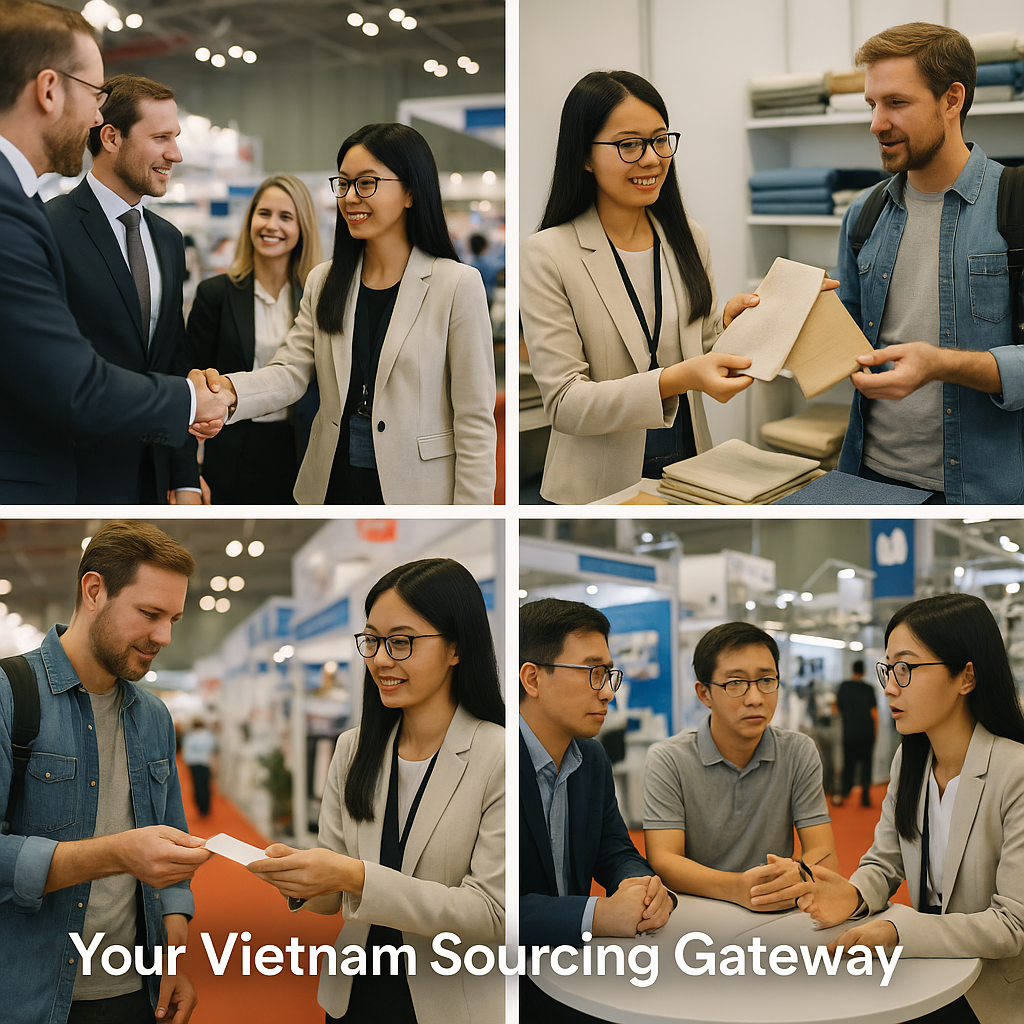
Uncover hidden savings: Discover effective cost optimization strategies for manufacturing sourcing in Vietnam.
Communication & Cultural Nuances: Building Strong Relationships with Vietnamese Manufacturers
Effective communication and understanding cultural nuances are paramount when establishing successful partnerships with manufacturers in Vietnam. Building trust and rapport goes beyond simply translating words; it involves appreciating Vietnamese values, customs, and business etiquette to foster long-term, mutually beneficial collaborations with your Vietnamese manufacturing partners.
Understanding the hierarchical structure common in Vietnamese businesses is crucial; decisions often flow from the top down. When communicating, addressing the highest-ranking individual demonstrates respect and ensures your message is given appropriate consideration. Moreover, patience is key; allow time for decisions to be made, and avoid pushing for immediate answers, as this can be perceived as impolite and disruptive to the established order in Vietnamese manufacturing settings.
“Saving face” (Mặt mũi) is a significant cultural concept in Vietnam, influencing communication and conflict resolution. Direct criticism or public disagreement can cause embarrassment and damage relationships. Instead, frame feedback constructively, focusing on solutions rather than dwelling on mistakes. For example, instead of saying “Your quality control process is failing,” consider “How can we work together to improve the consistency of product quality?” This approach preserves harmony and encourages open dialogue in your manufacturing endeavors.
Building personal relationships is highly valued in Vietnamese business culture. Investing time in getting to know your Vietnamese manufacturer counterparts on a personal level, such as sharing meals or engaging in casual conversation, can significantly strengthen bonds. Remember that gift-giving is a common practice, especially during holidays or special occasions, symbolizing respect and goodwill within the Vietnamese manufacturing sector. Tet, the Vietnamese Lunar New Year, is an especially important time to acknowledge your partners with a thoughtful gesture.
Finally, be mindful of language barriers, even when working with English-speaking representatives. Misunderstandings can arise due to differences in vocabulary, pronunciation, or cultural context. Confirming understanding through active listening, summarizing key points, and using visual aids can minimize miscommunication and ensure clarity in your interactions with your manufacturer in Vietnam. Using interpreters during critical meetings can also be a worthwhile investment.

Supply Chain Management: Logistics and Transportation in Vietnam
Effectively managing supply chain logistics and transportation is critical for any business seeking to optimize its manufacturer in Vietnam strategy, and understanding the nuances of the Vietnamese landscape is key. The efficiency of the supply chain directly impacts production costs, delivery times, and overall competitiveness. This section delves into the complexities of logistics and transportation within Vietnam, offering strategies for navigating challenges and capitalizing on opportunities.
Vietnam’s geography and infrastructure present both opportunities and challenges for supply chain management. The country’s long coastline and navigable rivers facilitate water transport, while an expanding network of roads and railways connects key manufacturing hubs. However, infrastructure limitations in certain regions, coupled with bureaucratic procedures, can create bottlenecks. For example, the deep-water port of Cai Mep handles a significant volume of international cargo, but inland transportation to factories in the Mekong Delta can be time-consuming and costly due to road congestion and limited railway access.
Selecting the right transportation modes is essential for cost optimization and timely delivery. Road transport is the most common option for domestic shipments, offering flexibility and door-to-door service. However, rail transport can be a more cost-effective and environmentally friendly alternative for long-distance hauls, especially with the ongoing upgrades to Vietnam’s railway network. Water transport, utilizing coastal shipping and river barges, is ideal for bulk cargo and can alleviate pressure on road infrastructure. Choosing the optimal mix of transport modes requires careful consideration of factors such as distance, cargo type, time sensitivity, and cost.
Effective warehouse management is integral to a smooth supply chain. Strategic placement of warehouses near manufacturing clusters and transportation hubs can reduce lead times and transportation costs. Modern warehousing solutions, incorporating technologies such as automated storage and retrieval systems (AS/RS) and warehouse management systems (WMS), can improve efficiency and accuracy. For example, companies operating in industrial parks near Ho Chi Minh City and Hanoi often leverage shared warehousing facilities to optimize inventory management and reduce capital expenditure.
Navigating customs procedures and regulations is crucial for efficient cross-border trade. Understanding Vietnam’s import and export regulations, trade agreements, and customs clearance processes can minimize delays and avoid penalties. Working with experienced freight forwarders and customs brokers can streamline the process. For instance, complying with ASEAN Free Trade Area (AFTA) regulations can significantly reduce tariffs for goods originating from member countries.
Technology plays an increasingly important role in optimizing supply chain visibility and efficiency. Implementing track-and-trace systems, using GPS technology, and utilizing data analytics can provide real-time insights into inventory levels, shipment status, and potential disruptions. These insights enable businesses to proactively address challenges, improve decision-making, and enhance customer satisfaction. For example, using a cloud-based platform to monitor inventory levels across multiple warehouses allows manufacturers to quickly respond to fluctuations in demand.
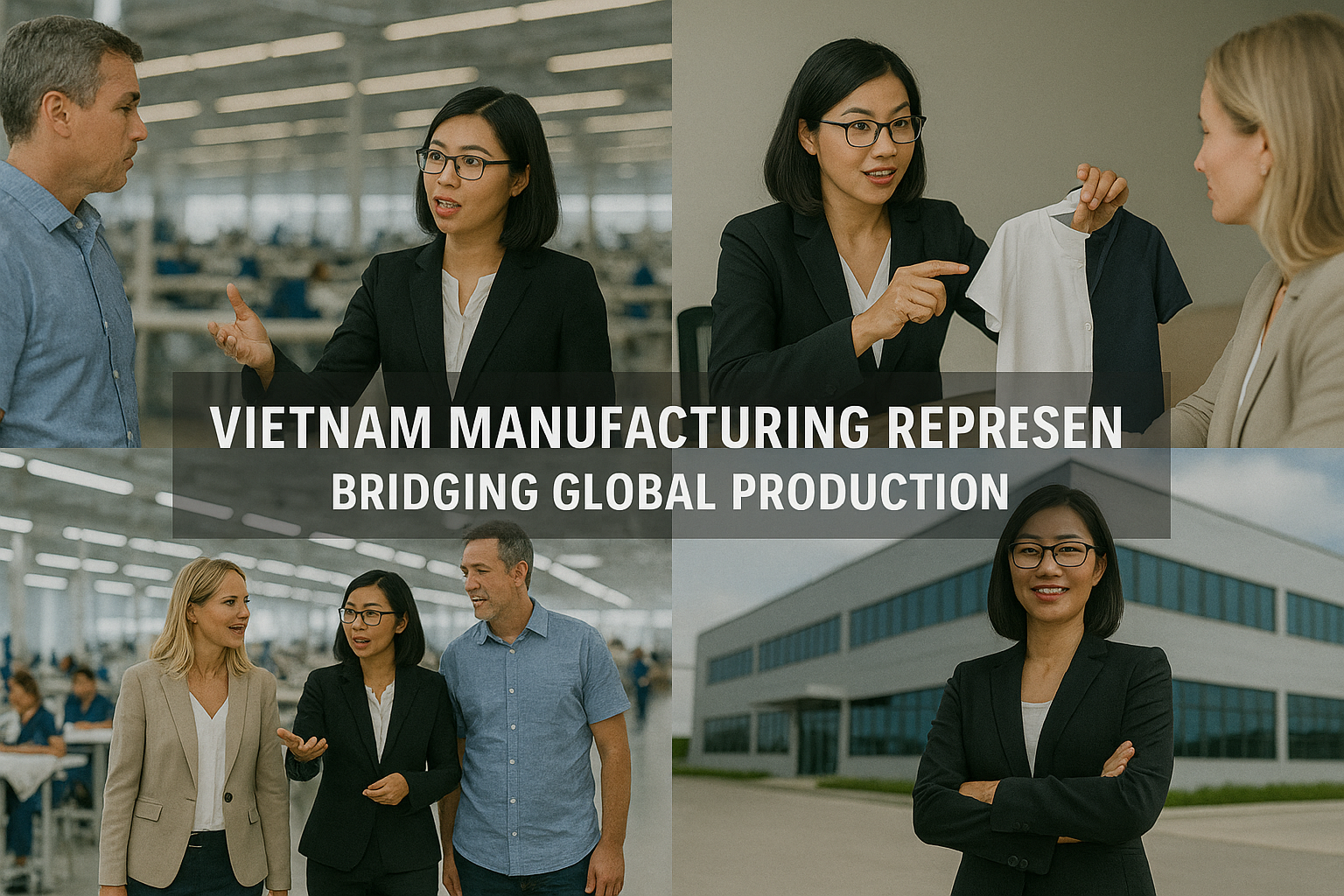
Navigate Vietnam’s complex logistics: Master supply chain management, logistics, and transportation for seamless operations.
Quality Control & Assurance: Ensuring Product Standards with Vietnamese Manufacturers
Quality control and assurance are paramount when sourcing from a manufacturer in Vietnam, as they directly impact product integrity and customer satisfaction. Establishing robust quality control measures from the outset is crucial for businesses aiming to maintain high product standards while leveraging the cost benefits of manufacturing in Vietnam. This involves implementing proactive strategies to prevent defects and ensure consistent quality throughout the entire production process, from raw material sourcing to final product inspection.
A comprehensive quality management system (QMS) tailored to the specific industry and product is essential. This system should encompass several key elements:
- Clear Quality Standards: Define acceptable quality levels (AQL) and establish measurable criteria for each stage of production.
- Supplier Evaluation & Audits: Conduct thorough due diligence to vet potential manufacturers, including on-site audits to assess their capabilities and quality control processes. VietnamBizRep can assist in these initial assessments, providing crucial insights into a manufacturer’s adherence to quality standards.
- In-Process Inspections: Implement regular inspections throughout the production cycle to identify and rectify any deviations from the set standards.
- Final Product Inspection: Conduct a final inspection of finished goods before shipment to ensure compliance with all requirements.
- Corrective Action Plans: Establish procedures for addressing non-conformities and implementing corrective actions to prevent recurrence.
Implementing third-party inspection services adds an extra layer of assurance. These services provide independent assessments of product quality at various stages of production, offering unbiased feedback and identifying potential issues that may have been overlooked. For example, companies like Bureau Veritas and SGS offer comprehensive inspection services in Vietnam, ensuring compliance with international standards and client-specific requirements.
Furthermore, fostering open communication and building strong relationships with Vietnamese manufacturers are critical for effective quality assurance. Regular communication, clear expectations, and a collaborative approach can help bridge cultural differences and ensure that manufacturers understand and adhere to the desired quality standards. Providing detailed product specifications, technical drawings, and sample products upfront can also minimize misunderstandings and reduce the risk of defects.
By prioritizing quality control and implementing a robust quality assurance system, businesses can effectively mitigate risks, maintain high product standards, and build long-term, successful partnerships with manufacturers in Vietnam.
Sustainable Manufacturing in Vietnam: Trends and Opportunities
Sustainable manufacturing in Vietnam is no longer a niche concept but a rapidly growing imperative, driven by global pressures, consumer demand, and government initiatives, presenting significant opportunities for manufacturers in Vietnam to enhance their competitiveness and long-term viability. This shift towards eco-friendly practices is reshaping the manufacturing landscape, attracting foreign investment and fostering innovation across various sectors.
Vietnam’s commitment to sustainable development is evident in its national strategies, such as the National Strategy on Green Growth, which emphasizes resource efficiency, pollution reduction, and renewable energy adoption within the manufacturing sector. The Vietnamese government offers incentives and support programs to encourage businesses to adopt cleaner production technologies and implement environmental management systems like ISO 14001. This proactive approach not only mitigates environmental risks but also unlocks new market opportunities for Vietnamese manufacturers seeking to cater to environmentally conscious consumers worldwide.
Several key trends are shaping the trajectory of sustainable manufacturing in Vietnam:
- Increased adoption of renewable energy: Solar power, wind energy, and biomass are increasingly being integrated into manufacturing operations to reduce reliance on fossil fuels and lower carbon emissions.
- Focus on waste reduction and circular economy principles: Manufacturers are exploring ways to minimize waste generation, recycle materials, and implement closed-loop production systems to optimize resource utilization.
- Growing demand for eco-friendly products: Consumers are increasingly prioritizing products with minimal environmental impact, creating a strong demand for sustainably manufactured goods.
- Integration of green technologies: Advanced technologies like 3D printing, AI-powered optimization, and IoT-enabled monitoring are being used to improve resource efficiency and reduce environmental footprint.
The opportunities for Vietnamese manufacturers embracing sustainability are vast. By adopting eco-friendly practices, they can:
- Enhance their brand image and attract new customers: Sustainability is a powerful differentiator in today’s market, attracting environmentally conscious consumers and investors.
- Reduce operating costs: Resource efficiency and waste reduction can lead to significant cost savings in energy, materials, and waste management.
- Improve access to international markets: Many developed countries have strict environmental regulations, making sustainable manufacturing a prerequisite for market access.
- Attract foreign investment: Investors are increasingly prioritizing companies with strong environmental, social, and governance (ESG) performance.
Vietnam’s manufacturing sector is poised to become a global leader in sustainable manufacturing. By embracing innovation, collaboration, and a commitment to environmental responsibility, Vietnamese manufacturers can create a more prosperous and sustainable future for themselves and the country.
Future of Manufacturing in Vietnam: Innovation and Technological Advancements
The future of manufacturing in Vietnam hinges on embracing innovation and integrating technological advancements to enhance its competitiveness in the global market; this evolution is crucial for Vietnamese manufacturers aiming to attract foreign investment and solidify their position as a key manufacturing hub. This involves not only adopting cutting-edge technologies but also fostering a culture of continuous improvement and adapting to evolving global demands. The integration of advanced technologies will enable Vietnamese manufacturing companies to optimize production processes, reduce costs, and improve the quality of their products.
Vietnam’s journey toward advanced manufacturing is fueled by strategic government initiatives and increased investment in research and development (R&D). The Vietnamese government is actively promoting policies that support technological innovation, such as tax incentives for companies investing in R&D and programs to encourage technology transfer from foreign entities. These initiatives aim to create a conducive environment for businesses to adopt and adapt advanced technologies, fostering a vibrant ecosystem for manufacturing innovation.
One of the key trends shaping the future of Vietnam’s manufacturing landscape is the adoption of smart manufacturing principles, incorporating automation, robotics, and data analytics. Automation streamlines production lines, enhancing efficiency and reducing labor costs, while robotics perform complex tasks with precision and consistency. Data analytics provides valuable insights into production processes, enabling manufacturers to optimize operations, predict equipment failures, and improve product quality. For instance, companies are increasingly using IoT (Internet of Things) sensors to monitor equipment performance in real-time, allowing for proactive maintenance and minimizing downtime.
Artificial intelligence (AI) and machine learning (ML) are also playing a significant role in transforming manufacturing in Vietnam, enabling predictive maintenance, optimized supply chain management, and improved quality control. AI-powered systems can analyze vast amounts of data to identify patterns and predict potential problems, allowing manufacturers to take proactive measures to prevent disruptions. In supply chain management, AI can optimize logistics, reduce transportation costs, and improve delivery times. Similarly, machine learning algorithms can analyze product images to detect defects with greater accuracy than human inspectors, ensuring higher product quality.
Furthermore, the integration of 3D printing (additive manufacturing) is enabling Vietnamese manufacturers to produce customized products, reduce material waste, and accelerate product development cycles. 3D printing allows for the creation of complex geometries and customized designs, making it ideal for producing prototypes, small-batch production runs, and specialized components. Vietnamese manufacturers are increasingly adopting 3D printing for applications such as producing molds, tooling, and custom parts for machinery.
Another critical aspect is the development of a skilled workforce capable of operating and maintaining advanced manufacturing technologies; investing in education and training programs is crucial to equip Vietnamese workers with the necessary skills. The Vietnamese government and educational institutions are collaborating to develop training programs that focus on robotics, automation, data analytics, and other key areas of advanced manufacturing. These programs aim to bridge the skills gap and ensure that Vietnamese workers are well-prepared to meet the demands of the future manufacturing landscape.
Overseas buyers sourcing from Vietnam can use Vietnam factory sourcing support to identify and shortlist manufacturers, then conduct supplier verification to confirm production capacity, certifications, and business credentials before placing orders.
Finally, sustainable manufacturing practices are gaining prominence as Vietnamese manufacturers seek to minimize their environmental impact and enhance their competitiveness in global markets. This involves adopting eco-friendly technologies, reducing energy consumption, minimizing waste, and promoting the use of sustainable materials. Vietnamese manufacturers are increasingly investing in renewable energy sources, such as solar and wind power, to reduce their carbon footprint and lower energy costs. They are also implementing waste reduction programs and exploring the use of recycled materials in their production processes.
Glimpse the future: Explore the upcoming innovation and technological advancements transforming Vietnam’s manufacturing sector by 2025.
Vietnam Sourcing & Manufacturing Services
- Vietnam Sourcing Agent
- Supplier Verification
- Garment Manufacturers in Vietnam
- Vietnam Clothing Manufacturers
- Factory Audit
Need help sourcing in Vietnam? Call or WhatsApp +84 941 414 422 or visit our contact page.
