


Industrial parks in Vietnam are a critical engine for economic growth, attracting significant foreign investment and driving industrial development. This article delves into the current landscape of kcn vietnam, examining key aspects such as investment incentives, infrastructure development, regulatory frameworks, and the impact on local economies. We will explore the latest trends in industrial real estate, analyze the challenges and opportunities facing businesses operating within these zones, and provide valuable insights into the future of industrial development in Vietnam as of 2025. As part of our vietnambizrep coverage, this in-depth analysis delivers essential information for investors, businesses, and policymakers navigating the dynamic world of Vietnamese industrialization.
Vietnam Industrial Parks: An Overview for Investors
Vietnam’s industrial parks (KCN Vietnam) offer a compelling landscape for investors seeking to capitalize on the country’s robust economic growth and strategic location. These industrial parks serve as key engines driving Vietnam’s industrialization, attracting both domestic and foreign investment across diverse sectors. Understanding the landscape of KCN Vietnam is crucial for investors aiming to establish or expand their operations in Southeast Asia.
These industrial zones provide a well-planned and managed environment, consolidating manufacturing and industrial activities, streamlining regulatory processes, and providing access to essential infrastructure. The development of Vietnamese industrial parks is closely aligned with the government’s industrialization policies, which prioritize attracting investment in high-value-added industries.
-
Strategic Location and Connectivity: Vietnam’s geographical position offers access to major global markets, and industrial parks are strategically located near key transportation hubs such as ports, airports, and highways.
-
Comprehensive Infrastructure: Modern industrial parks provide reliable utilities, including electricity, water, wastewater treatment, and telecommunications, minimizing operational disruptions.
-
Investment Incentives: The Vietnamese government offers various incentives, such as tax breaks, land rental exemptions, and streamlined administrative procedures, to encourage investment in industrial parks.
-
Skilled Workforce: Vietnam boasts a young, dynamic, and increasingly skilled workforce, providing a competitive advantage for labor-intensive industries.
-
Supportive Legal Framework: A clear and improving legal framework governs investment in industrial parks, providing greater security and transparency for foreign investors.
As of 2023, Vietnam has over 400 established industrial parks, according to the Ministry of Planning and Investment (MPI), and they are strategically located throughout the country, with concentrations in key economic regions. These KCN are critical for attracting foreign direct investment (FDI), generating employment, and promoting technological advancements. The successful integration of Vietnam’s industrial parks into the global supply chain has solidified the country’s position as a manufacturing hub and a destination of choice for investors seeking long-term growth potential.

Considering outsourcing your production to Vietnam? See if outsourcing to Vietnam is right for your business.
Key Sectors and Industries in Vietnam’s Industrial Parks
Vietnam’s industrial parks (KCN Vietnam) have become magnets for foreign investment, driven by the country’s strategic location, competitive labor costs, and favorable government policies, leading to the diversification and specialization of industries within these zones. These industrial parks are not just geographical locations; they are ecosystems fostering specific sectors, contributing significantly to Vietnam’s economic growth. This section will delve into the key industries dominating these parks, examining their growth drivers and the opportunities they present for investors.
Several key sectors are prominent within Vietnamese industrial parks, reflecting the nation’s manufacturing strengths and evolving economic landscape.
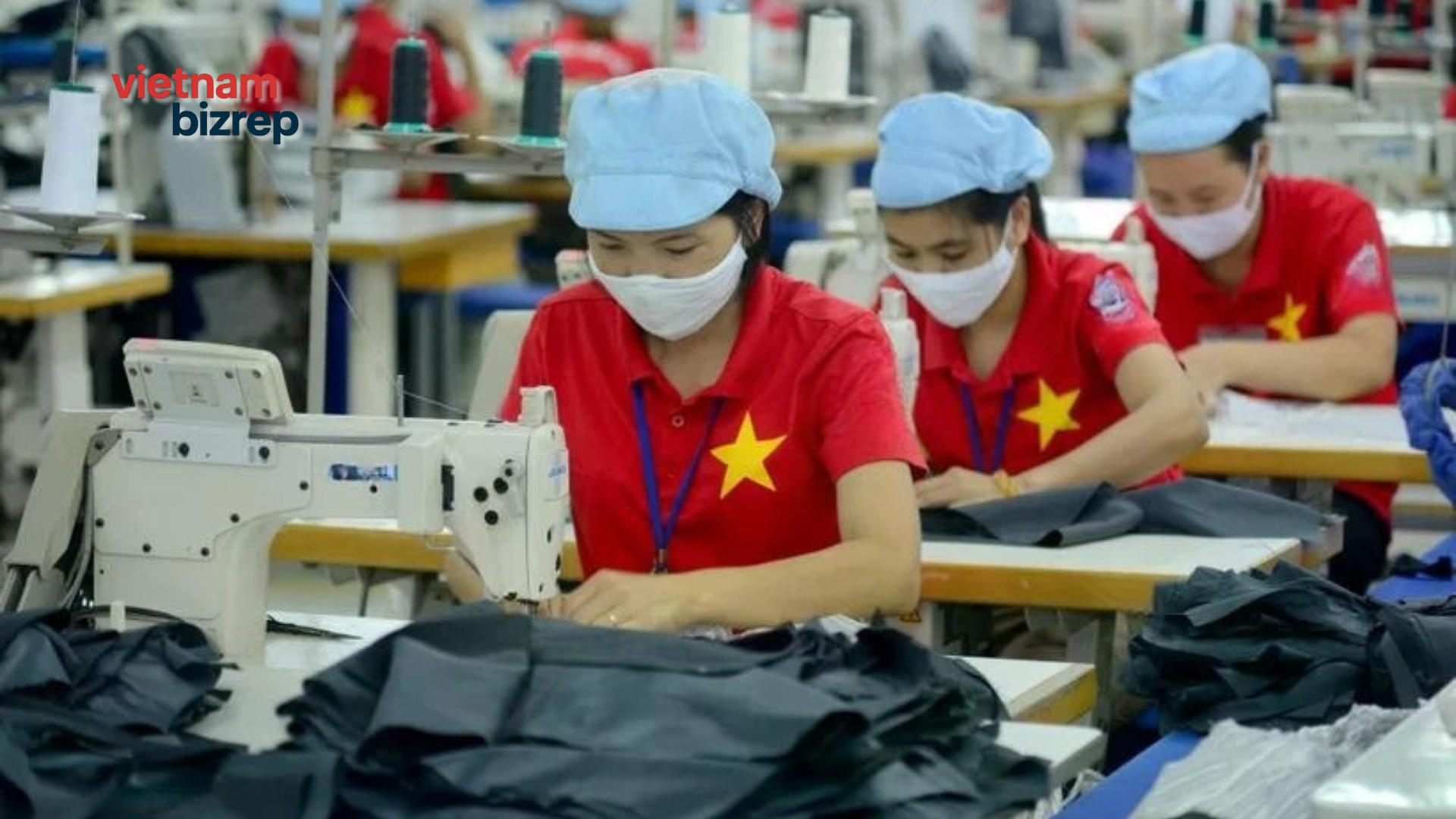
- Textiles and Garment: This is one of the most established sectors, benefiting from Vietnam’s competitive labor costs and access to major export markets. Industrial parks offer specialized infrastructure and logistics to support textile production, attracting both domestic and foreign manufacturers.
- Electronics: Vietnam has emerged as a significant hub for electronics manufacturing, driven by investments from global giants seeking to diversify their supply chains. Industrial parks provide the necessary infrastructure, including reliable power supply and telecommunications, to support the demanding needs of the electronics industry. For example, Samsung has invested heavily in Vietnam, establishing large-scale manufacturing facilities in industrial parks across the country.
- Footwear: Similar to textiles, the footwear industry benefits from Vietnam’s competitive labor costs and established supply chains. Industrial parks provide dedicated zones for footwear production, attracting both domestic and international manufacturers.
- Food and Beverage: With a growing domestic market and increasing export opportunities, the food and beverage industry is expanding within Vietnam’s industrial parks. These parks offer facilities suitable for food processing and packaging, adhering to strict hygiene and safety standards.
- Manufacturing and Engineering: Ranging from automotive parts to machinery, manufacturing and engineering companies are increasingly setting up operations in Vietnamese industrial parks, seeking to capitalize on the country’s skilled workforce and strategic location.
- Supporting Industries: The growth of key sectors has spurred the development of supporting industries, such as packaging, plastics, and logistics, within the industrial parks, creating a comprehensive industrial ecosystem.
The prominence of these sectors within Vietnam’s industrial parks underscores the country’s position as a rising manufacturing hub in Southeast Asia. By understanding these key sectors, investors can identify opportunities that align with their strategic goals and leverage the advantages offered by Vietnam’s dynamic industrial landscape.

Need reliable suppliers for your manufacturing operations in Vietnam? Find potential suppliers located within Vietnam here.
Location and Accessibility: Choosing the Right Industrial Park in Vietnam
Selecting the right location for an industrial park (KCN) is a pivotal decision for investors in Vietnam, as it significantly impacts operational efficiency, supply chain management, and overall profitability. The accessibility of a KCN Vietnam influences transportation costs, proximity to key markets, and the ease with which businesses can attract and retain talent. Therefore, a thorough evaluation of geographical factors and transportation infrastructure is essential for making an informed investment.
The strategic location of a KCN directly affects its connectivity to major transportation networks. Proximity to seaports like Cai Mep Thi Vai or Hai Phong, international airports such as Tan Son Nhat or Noi Bai, and key highways like the North-South Expressway (QL1A) can streamline logistics and reduce transit times. Consider the following elements for KCN accessibility:
- Road infrastructure: The quality and capacity of roads connecting the KCN to major cities and ports.
- Seaport access: The distance and efficiency of transportation routes to the nearest seaport for import and export activities.
- Airport proximity: Convenient access to international airports to facilitate business travel and air freight.
- Rail connectivity: Access to the national railway network for cost-effective transportation of goods.
- Inland waterway transport: The availability of navigable rivers and canals for transporting raw materials and finished products.
Different regions in Vietnam offer distinct advantages in terms of location and accessibility. The Southern Key Economic Zone (SKEZ), including Ho Chi Minh City, Binh Duong, and Dong Nai, boasts well-developed infrastructure and proximity to major ports and markets, making it attractive for export-oriented industries. The Northern Key Economic Zone (NKEZ), centered around Hanoi and Hai Phong, offers access to Northern Vietnam’s growing consumer market and proximity to China. Central Vietnam, with key cities like Da Nang, provides a strategic location for businesses seeking to serve both Northern and Southern markets, while also benefiting from lower labor costs. Understanding these regional nuances is crucial when evaluating potential KCN locations.
Ultimately, the optimal location for a KCN depends on the specific needs and priorities of each business. Factors such as the type of industry, target market, supply chain requirements, and labor availability should all be carefully considered. Investors should conduct thorough due diligence, including site visits, transportation assessments, and market research, to ensure they choose a KCN that aligns with their long-term strategic goals.

Incentives and Policies for Investing in Vietnam’s Industrial Parks
Vietnam’s industrial parks (KCN Vietnam) are attractive destinations for investors due to a range of incentives and policies designed to foster economic growth and attract foreign direct investment (FDI). These government incentives aim to reduce the initial investment burden, operational costs, and enhance the overall profitability of businesses operating within these zones. Understanding these policies is crucial for businesses looking to establish or expand their presence in Vietnam.
One of the primary investment incentives offered is in the form of corporate income tax (CIT) exemptions or reductions. Projects in specific sectors or locations, particularly those in encouraged sectors like high-tech or those located in disadvantaged areas, may qualify for preferential CIT rates. For example, projects in certain economic zones can benefit from a CIT rate of 10% for 15 years, followed by a reduced rate for subsequent years. Moreover, projects may be granted tax holidays, such as exemption from CIT for the first few years of operation.
Land-related incentives also play a significant role. Investors may benefit from reduced land rental fees or exemptions, particularly for projects aligned with the government’s strategic development goals. These incentives can significantly lower initial costs, making industrial parks more attractive. In addition, simplified administrative procedures streamline the investment process, reducing bureaucratic hurdles and saving valuable time and resources for businesses. The one-stop-shop service available in many industrial parks further simplifies interactions with government agencies.
Furthermore, import and export duties are often reduced or waived for goods used in production or for export-oriented projects. This can significantly lower the cost of raw materials and equipment, enhancing the competitiveness of businesses. Vietnam’s commitment to international trade agreements, such as the CPTPP and EVFTA, further strengthens the investment climate by ensuring stable and predictable trade policies.
To attract investment in high-tech industries, the Vietnamese government offers specific incentives tailored to these sectors. This can include preferential access to funding, research grants, and support for technology transfer. These specialized incentives are designed to encourage innovation and the development of high-value-added industries within Vietnam’s industrial parks.
In conclusion, the comprehensive package of incentives and supportive policies makes Vietnam’s industrial parks a compelling choice for investors. By carefully evaluating these incentives and aligning their investment strategies with the government’s priorities, businesses can maximize their returns and contribute to Vietnam’s continued economic growth.
Infrastructure and Utilities in Vietnamese Industrial Parks
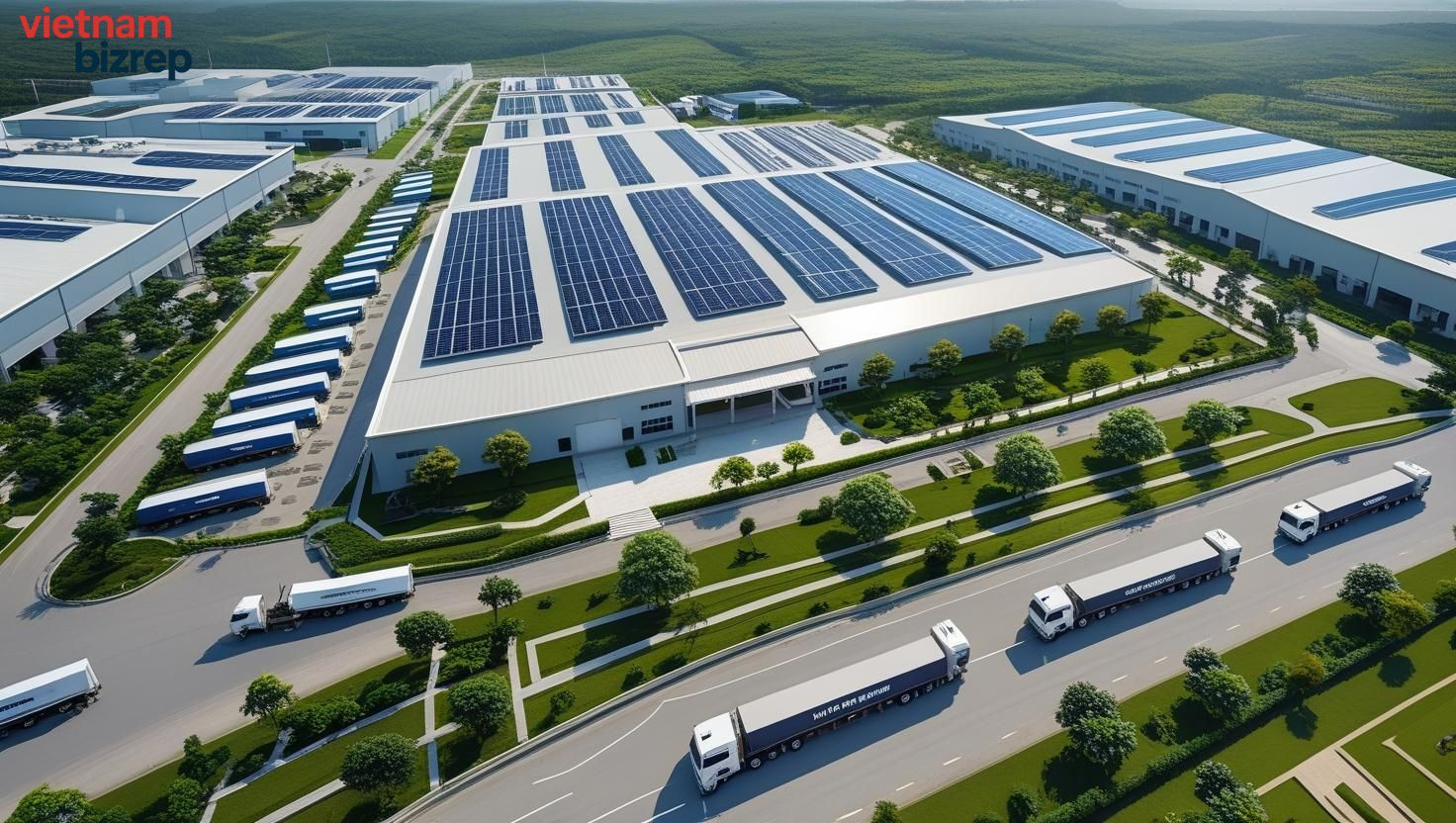
Infrastructure and utilities within Vietnam’s industrial parks are a crucial factor attracting foreign investment and fostering sustainable industrial development, offering a solid foundation for manufacturing and logistical operations. The presence of reliable infrastructure such as modern transportation networks, stable power supply, and advanced communication systems significantly reduces operational costs and improves efficiency for businesses operating within these industrial zones. These factors are central to Vietnam’s attractiveness as a manufacturing hub, enabling companies to streamline production and distribution processes.
Robust transportation infrastructure is paramount for the efficient movement of goods and materials within and beyond the industrial parks. Many KCN Vietnam strategically located near major seaports (e.g., Cai Mep-Thi Vai, Hai Phong) and international airports (e.g., Tan Son Nhat, Noi Bai) enjoy streamlined logistics. Furthermore, well-maintained road networks connecting industrial parks to key economic centers are essential, facilitating easy access to suppliers, customers, and skilled labor. Investment in roads and inland waterway infrastructure surrounding IPs will increase regional and global trade.
Reliable power supply is another critical utility. Frequent power outages or voltage fluctuations can disrupt production processes, leading to costly downtime. Therefore, industrial parks often invest in dedicated power plants or substations to ensure a stable and continuous electricity supply for their tenants. This often includes exploring renewable energy options such as solar power to promote sustainability and reduce reliance on traditional fossil fuels.
Modern communication systems are essential for seamless business operations in today’s globalized economy. High-speed internet access, fiber optic cables, and reliable mobile network coverage are crucial for facilitating communication, data transfer, and access to information. Industrial parks are increasingly investing in digital infrastructure to support Industry 4.0 technologies and attract businesses engaged in high-tech manufacturing and research & development.
Adequate water supply and wastewater treatment facilities are also indispensable components of industrial park infrastructure. Manufacturing processes often require large volumes of water, and proper wastewater treatment is essential for protecting the environment and complying with regulations. Many industrial parks in Vietnam have invested in advanced water treatment technologies to ensure a sustainable and environmentally responsible approach to water management. This includes measures such as rainwater harvesting and water recycling.
Finally, advanced waste management systems are increasingly important for promoting sustainability within industrial parks. This includes the implementation of waste segregation programs, recycling facilities, and proper disposal methods for hazardous waste. Some parks are even exploring innovative waste-to-energy technologies to reduce landfill waste and generate electricity. This commitment to environmental responsibility is helping Vietnam attract environmentally conscious investors and build a more sustainable industrial sector.
Labor Market and Workforce in Vietnam’s Industrial Parks
The labor market and workforce within Vietnam’s industrial parks (KCN Vietnam) are key factors attracting foreign investment, offering a competitive edge in manufacturing and production. This section delves into the characteristics of the Vietnamese workforce, the availability of skilled labor, wage levels, and the challenges and opportunities that investors should consider when establishing operations within these industrial zones.
Vietnam boasts a young and dynamic workforce, a significant advantage for businesses operating in industrial parks. The median age of the Vietnamese population is relatively low, ensuring a continuous supply of new entrants into the labor market. This demographic dividend translates to a readily available pool of workers eager to learn and adapt to new technologies and manufacturing processes. Furthermore, Vietnam’s high literacy rate contributes to the ease of training and upskilling the workforce to meet the specific needs of various industries.
The availability of skilled labor varies across different regions and industrial parks. While major industrial hubs like Ho Chi Minh City, Binh Duong, and Dong Nai offer a higher concentration of skilled workers, particularly in sectors such as electronics and engineering, other regions may require more investment in training programs. Government initiatives and vocational training centers play a crucial role in bridging the skills gap and ensuring that the workforce meets the demands of the industries operating within the KCN Vietnam. Investors should assess the skill levels available in the specific industrial park they are considering and factor in the potential costs of training and development.
Wage levels in Vietnam’s industrial parks are generally competitive compared to other countries in the region, although they have been on a rising trend in recent years. Minimum wages are regulated by the government and vary across different regions, reflecting the cost of living and economic development levels. While labor costs are an important consideration, investors should also focus on factors such as productivity, worker retention rates, and the overall labor climate. A stable and motivated workforce can often offset slightly higher wage costs through increased efficiency and reduced turnover.
Several challenges impact the workforce landscape in Vietnamese industrial parks. These include:
- Skills Gap: A mismatch between the skills demanded by employers and the skills possessed by the workforce.
- Labor Shortages: In certain regions or industries, particularly those requiring highly specialized skills.
- Worker Turnover: High turnover rates can disrupt production and increase recruitment and training costs.
- Labor Disputes: Although relatively infrequent, labor disputes can occur due to issues such as wages, working conditions, or unfair treatment.
Despite these challenges, the labor market in Vietnam’s industrial parks presents numerous opportunities for investors. The government’s commitment to education and training, coupled with the adaptability and hard-working nature of the Vietnamese people, makes it a highly attractive destination for manufacturing and production. By investing in training programs, fostering positive labor relations, and offering competitive wages and benefits, businesses can build a skilled and motivated workforce that drives their success in the Vietnamese market. Understanding the nuances of the Vietnamese labor market is crucial for any investor seeking to establish a successful presence within KCN Vietnam.

Curious about the talent pool powering Vietnam’s manufacturing sector? Discover the labor market dynamics in Vietnam’s industrial parks here.
Environmental Regulations and Sustainability in Vietnam’s Industrial Parks
Environmental regulations and sustainability are increasingly crucial considerations for investors in Vietnam’s industrial parks (KCN Vietnam). As Vietnam continues its economic growth, balancing industrial development with environmental protection has become a top priority for the government and a key concern for foreign investors looking for long-term viability.
Vietnam’s commitment to sustainable development is evident in its evolving legal framework, which aims to mitigate the environmental impact of industrial activities within KCN Vietnam. The Law on Environmental Protection is the cornerstone, setting out general principles and regulations. Decree No. 08/2022/ND-CP, guiding the implementation of the Law on Environmental Protection, emphasizes the responsibility of industrial park developers and tenants in managing environmental risks, waste treatment, and pollution prevention. Furthermore, Circulars and Decisions issued by the Ministry of Natural Resources and Environment (MONRE) provide detailed guidelines on environmental impact assessments (EIAs), wastewater discharge standards, and solid waste management protocols within Vietnam Industrial Zone.
Effective environmental management within KCN Vietnam requires a multi-faceted approach encompassing several key aspects:
- Environmental Impact Assessment (EIA): All new projects within industrial parks in Vietnam are required to undergo a rigorous EIA process to identify and mitigate potential environmental impacts. This process involves assessing the project’s potential effects on air and water quality, biodiversity, and local communities, and proposing mitigation measures to minimize negative impacts.
- Wastewater Treatment: Strict regulations are in place regarding wastewater discharge from industrial facilities. Industrial parks are typically required to have centralized wastewater treatment plants to treat effluent to meet Vietnamese environmental standards before discharge. Individual factories are also responsible for pre-treating their wastewater to meet specific standards before discharging it into the centralized system.
- Solid Waste Management: Proper management of solid waste, including hazardous waste, is essential for minimizing environmental pollution. Regulations require companies to segregate, collect, and treat solid waste appropriately. Hazardous waste must be handled by licensed contractors and disposed of in designated facilities.
- Air Emission Control: Industrial facilities are required to control air emissions to minimize air pollution. Regulations specify permissible emission levels for various pollutants, and companies are required to monitor and report their emissions regularly.
- Environmental Monitoring and Reporting: Companies operating in Vietnamese industrial parks must conduct regular environmental monitoring to ensure compliance with regulations. They are also required to submit environmental reports to local authorities, providing information on their environmental performance and compliance status.
Beyond regulatory compliance, sustainable practices are gaining traction within KCN Vietnam. Initiatives promoting resource efficiency, cleaner production, and circular economy models are becoming increasingly common. The development of eco-industrial parks, which aim to minimize waste and maximize resource utilization through collaboration among companies, is also gaining momentum. For example, some industrial parks are exploring the use of renewable energy sources such as solar power to reduce their carbon footprint. This shift towards sustainability enhances the long-term competitiveness of Vietnam’s industrial sector and aligns with global trends towards environmentally responsible business practices.
The increasing emphasis on environmental regulations and sustainability presents both challenges and opportunities for investors in industrial parks in Vietnam. While compliance with regulations can add to upfront costs, it also reduces long-term risks associated with environmental liabilities and enhances a company’s reputation for social responsibility. Furthermore, embracing sustainable practices can lead to cost savings through resource efficiency and waste reduction. Therefore, investors should carefully assess the environmental performance of industrial parks and prioritize those that demonstrate a strong commitment to environmental sustainability.
Legal Considerations for Foreign Investment in Vietnam’s Industrial Parks
Navigating the legal landscape is crucial for successful foreign investment in Vietnam’s industrial parks. Investing in KCN Vietnam requires careful consideration of various legal aspects to ensure compliance and mitigate potential risks. Understanding these legal considerations is paramount for foreign investors aiming to establish and operate businesses within these designated zones.
Foreign investors must adhere to Vietnamese investment law when establishing a presence in industrial parks. This includes registering a business entity, such as a Limited Liability Company (LLC) or a Joint Venture, with the relevant authorities like the Department of Planning and Investment (DPI). The Law on Investment and the Enterprise Law provide the foundational framework for foreign investment activities, stipulating requirements for capital contributions, ownership structures, and operational procedures. Investors should diligently prepare all necessary documentation, including investment project proposals, charter capital details, and shareholder agreements.
Complying with land regulations is another significant legal consideration. While foreign investors cannot directly own land in Vietnam, they can lease land within industrial parks for a specified period, typically up to 50 years, with potential extensions. The Land Law governs land allocation, lease terms, and land use rights. Investors must obtain the necessary land use right certificates (LURCs) and ensure their operations align with the designated land use purposes outlined in the industrial park’s master plan. Careful due diligence regarding land-related matters, including potential disputes or encumbrances, is essential.
Securing necessary permits and licenses is a critical step in the investment process. Depending on the industry sector and the nature of the business, investors may need to obtain various permits and licenses from different government agencies. These may include construction permits, environmental permits, fire safety permits, and specialized licenses specific to the industry. Navigating this regulatory maze can be complex, so seeking professional legal advice is highly recommended.
Finally, investors must be aware of labor laws and regulations in Vietnam. The Labor Code governs employment contracts, working hours, wages, social insurance, and other labor-related matters. Foreign-invested enterprises must comply with these regulations and ensure fair treatment of their employees. Understanding the nuances of Vietnamese labor law, including regulations related to trade unions and collective bargaining agreements, is crucial for maintaining a harmonious and compliant workplace.
Case Studies: Successful Businesses in Vietnam’s Industrial Parks
Examining case studies of successful businesses within Vietnam’s industrial parks offers invaluable insights for investors considering expanding or establishing operations in the country’s thriving manufacturing and export landscape. These concrete examples showcase how companies have leveraged the advantages of KCN Vietnam to achieve significant growth, optimize their supply chains, and enhance their global competitiveness.
Several foreign direct investment (FDI) success stories underscore the attractiveness of Vietnamese industrial parks. For example, Samsung, a major player in the electronics sector, has invested billions of dollars in manufacturing facilities in Bac Ninh and Thai Nguyen provinces. Samsung‘s presence has not only boosted local economies but also attracted numerous suppliers, creating a vibrant ecosystem for electronics manufacturing in Vietnam. This illustrates how industrial parks serve as magnets for related industries, fostering collaboration and innovation. Another example is Intel Products Vietnam (IPV) which has a huge plant based in Saigon Hi-Tech Park (SHTP) and is Intel’s largest assembly and test manufacturing facility.
Furthermore, the success of local businesses within Vietnam’s KCN demonstrates the country’s growing industrial capabilities. VinFast, a Vietnamese automotive manufacturer, has rapidly expanded its production capacity in Hai Phong’s Dinh Vu-Cat Hai industrial park. VinFast’s investment showcases Vietnam’s ambition to become a regional hub for automotive manufacturing and its ability to attract both domestic and international investment.
These case studies highlight several common factors contributing to success within Vietnamese industrial parks. These include:
- Strategic location: Proximity to key transportation infrastructure, such as ports and airports, facilitates efficient import and export operations.
- Availability of skilled labor: Vietnam’s young and growing workforce provides a competitive advantage for labor-intensive industries.
- Supportive government policies: Incentives such as tax breaks and streamlined administrative procedures encourage investment and growth.
- Robust infrastructure: Reliable power supply, water resources, and waste management systems are essential for smooth operations.
By analyzing these and other successful business models, potential investors can gain a deeper understanding of the opportunities and challenges associated with investing in Vietnam’s industrial park sector, and develop effective strategies for achieving their own business goals.
Looking for inspiration and proven strategies? Browse successful case studies of businesses thriving in Vietnam’s industrial parks here.
Trends and Future Outlook for Vietnam’s Industrial Parks
Vietnam’s industrial park (KCN) landscape is undergoing a significant transformation, driven by global shifts and the country’s strategic economic development goals, presenting both opportunities and challenges for investors. This evolution signals a move towards higher value-added industries, sustainable practices, and enhanced infrastructure to attract foreign direct investment (FDI) and bolster domestic economic growth. The future of these KCNs hinges on their ability to adapt to emerging trends and capitalize on Vietnam’s unique advantages within the global supply chain.
One of the most prominent trends is the increasing focus on sustainable industrial development. Environmental regulations are becoming stricter, pushing KCNs to adopt eco-friendly practices and attract businesses committed to environmental sustainability. This includes investing in renewable energy sources, waste treatment facilities, and green building technologies.
- Investment in renewable energy
- Improve Waste Treatment Facilities
- Apply Green Building Technologies
Another key trend is the shift towards smart industrial parks, leveraging technology to optimize operations and enhance competitiveness. This involves implementing solutions such as:
- IoT (Internet of Things) sensors for real-time monitoring
- Data analytics for predictive maintenance
- Automated systems for increased efficiency
This transformation is also fueled by the Industry 4.0 revolution, which emphasizes automation, data exchange, and cyber-physical systems.
The future will also see the rise of specialized industrial parks catering to specific industries. Rather than general-purpose KCNs, we’ll see an increase in parks designed for:
- High-tech manufacturing
- Biotechnology
- Renewable energy
These specialized KCNs offer tailored infrastructure and services to meet the unique needs of these sectors, making them more attractive to investors.
Finally, regional connectivity will play a crucial role in the future success of KCNs. Improving transportation infrastructure, such as highways, ports, and airports, will enhance the accessibility of KCNs and facilitate the movement of goods and services. This includes promoting supply chain efficiency and attract more FDI into KCNs.
Overseas buyers working in Vietnam can appoint a local Vietnam trade representative to handle supplier communications and coordination, or engage a Vietnam manufacturing representative for production monitoring and follow-up.
Vietnam Biz Rep helps overseas buyers find suppliers, verify factories, coordinate samples, inspect goods, and follow up production in Vietnam. Learn more about our Vietnam sourcing agent services or contact us to discuss your sourcing requirements.
