

For businesses aiming for global expansion, importing clothes from Vietnam presents a lucrative opportunity in 2025, driven by competitive pricing and high-quality manufacturing. This guide from vietnambizrep breaks down the essential steps for successful sourcing strategies, navigating Vietnamese apparel manufacturers, understanding customs regulations, and optimizing your supply chain management. You’ll gain practical insights into quality control, negotiation tactics, and building strong business relationships to ensure a smooth and profitable import process, ultimately categorized under our vietnambizrep expertise.
Why Vietnam is a Promising Source for Clothing Import (Analyzing the Competitive Advantages)
Vietnam has emerged as a promising destination for businesses looking to import clothes, driven by a confluence of factors that create a compelling competitive advantage. Shifting your clothing sourcing to Vietnam can unlock significant benefits for your business.
Several elements contribute to Vietnam’s appeal as a clothing import hub. First and foremost is its cost-competitiveness. Vietnamese labor costs are generally lower than those in China and other established manufacturing centers, translating to reduced production expenses for clothing manufacturers. This allows businesses to import apparel at more competitive prices, enhancing profit margins. The country’s strategic location also facilitates efficient logistics and transportation, decreasing shipping costs and delivery times.
Beyond cost, Vietnam boasts a robust and rapidly developing textile industry. The nation has invested heavily in modernizing its infrastructure and upgrading its manufacturing capabilities. This includes a growing supply of high-quality fabrics, skilled labor, and advanced machinery, enabling Vietnamese manufacturers to produce a wide range of clothing styles and designs. Key cities and provinces like Ho Chi Minh City, Hanoi, and Binh Duong are home to numerous textile and garment factories.
Moreover, Vietnam’s proactive approach to trade liberalization has played a crucial role. The country has signed numerous free trade agreements (FTAs) with major economies, including the EU, the US, and Japan. These FTAs provide preferential access to these markets, reducing tariffs and other trade barriers for Vietnamese clothing exports. For example, the CPTPP (Comprehensive and Progressive Agreement for Trans-Pacific Partnership) and the EVFTA (EU-Vietnam Free Trade Agreement) offer significant tariff reductions, making importing clothes from Vietnam even more attractive.
Finally, the Vietnamese government actively supports the garment industry through various incentives, such as tax breaks and streamlined regulations. This supportive environment encourages investment and innovation, further strengthening Vietnam’s position as a leading clothing manufacturing and export center. These competitive advantages have solidified Vietnam’s position as a key player in the global apparel supply chain, attracting businesses worldwide seeking reliable and cost-effective sourcing options.
Identifying Reputable Clothing Manufacturers and Suppliers in Vietnam (Essential Directories & Verification Tips)
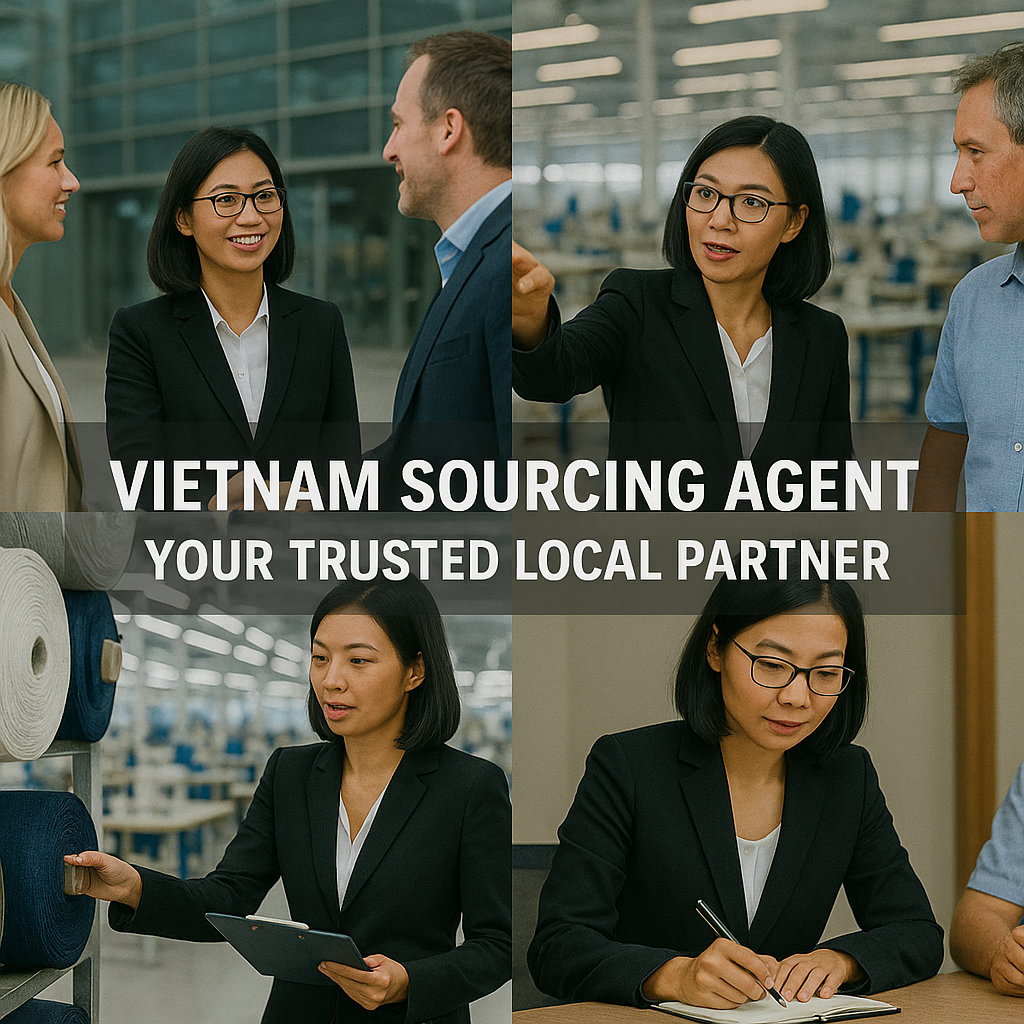
Identifying reputable clothing manufacturers and suppliers in Vietnam is a crucial step when planning to import clothes from vietnam successfully. The process demands careful due diligence and strategic sourcing to avoid potential pitfalls. This section provides a roadmap, outlining essential directories and crucial verification tips to help you navigate the Vietnamese garment industry effectively.
To navigate the landscape of Vietnamese clothing suppliers effectively, utilize these essential directories:
- Vietnam Yellow Pages: This comprehensive directory lists businesses across various sectors, including clothing manufacturers. Search for specific types of clothing manufacturers, such as knitwear, woven garments, or sportswear, and filter results by location.
- Vietnam Trade Promotion Agency (VIETRADE): VIETRADE’s website offers a directory of export-oriented businesses, including clothing manufacturers. This is a good starting point to find companies actively seeking international partnerships.
- Industry Associations: Contact industry associations like the Vietnam Textile and Apparel Association (VITAS) for referrals to member companies that meet your specific requirements. VITAS can offer valuable insights into the industry and connect you with trusted clothing factories in Vietnam.
- Online B2B Platforms: Platforms like Alibaba, Global Sources, and Made-in-China feature numerous Vietnamese clothing suppliers. However, exercise caution and conduct thorough due diligence before engaging with any supplier found on these platforms.
- Trade Shows: Attending trade shows like the Vietnam Saigon Textile & Garment Industry Expo offers a valuable opportunity to meet potential suppliers in person, assess their capabilities, and establish direct relationships.
Beyond directories, verifying the legitimacy and capabilities of potential clothing manufacturers in Vietnam is paramount. Here are essential verification tips:
- Business License Verification: Request a copy of the manufacturer’s business license and verify its authenticity with the local authorities or through online databases. This confirms that the company is legally registered and authorized to conduct business.
- Factory Audits: Conduct on-site factory audits or hire a reputable third-party inspection agency to assess the manufacturer’s production capacity, quality control processes, working conditions, and compliance with ethical and environmental standards.
- Reference Checks: Request a list of references from the manufacturer’s existing clients and contact them to inquire about their experience working with the supplier. Ask about the quality of the products, communication effectiveness, and adherence to deadlines.
- Sample Evaluation: Request samples of the manufacturer’s products to assess their quality, workmanship, and adherence to your specifications. This allows you to evaluate the manufacturer’s capabilities firsthand and identify any potential issues.
- Compliance Certifications: Verify whether the manufacturer possesses relevant certifications such as WRAP, BSCI, or ISO 9001, which demonstrate their commitment to social responsibility, ethical practices, and quality management systems.
- Financial Stability Assessment: Evaluate the financial stability of the manufacturer by requesting financial statements or conducting a credit check. This helps you assess the risk of potential disruptions to your supply chain.
By combining the use of reputable directories with thorough verification processes, you can significantly increase your chances of identifying reliable and reputable clothing suppliers in Vietnam, building long-term partnerships, and ensuring the success of your clothing import venture.
Navigating Vietnam’s Clothing Export Regulations and Trade Agreements (Ensuring Compliance & Maximizing Benefits)
Understanding and navigating Vietnam’s clothing export regulations is crucial for businesses aiming to import clothes from Vietnam successfully. These regulations, coupled with strategic leveraging of trade agreements, are fundamental for ensuring compliance and maximizing the benefits of sourcing apparel from this competitive market.
Vietnam’s export landscape is shaped by a comprehensive legal framework designed to regulate international trade activities. This framework dictates the procedures, documentation, and standards required for the seamless export of goods, including clothing. Compliance with these export regulations not only ensures smooth customs clearance but also fosters trust and credibility with Vietnamese suppliers and regulatory bodies.
A key aspect of navigating the regulatory environment is understanding the necessary documentation. Generally, this includes:
- Commercial Invoice: A detailed record of the transaction, specifying the goods, price, and terms of sale.
- Packing List: A comprehensive inventory of the goods being shipped, including quantities and dimensions.
- Bill of Lading: A receipt issued by the carrier acknowledging receipt of the shipment.
- Certificate of Origin: A document certifying the country of origin of the goods, often required to claim preferential tariff treatment under trade agreements.
- Export License (if applicable): For certain restricted items, an export license may be required.
Furthermore, Vietnam’s strategic participation in numerous trade agreements presents significant opportunities for importers. Agreements like the Comprehensive and Progressive Agreement for Trans-Pacific Partnership (CPTPP) and the EU-Vietnam Free Trade Agreement (EVFTA) offer preferential tariff rates, reduced trade barriers, and simplified customs procedures for eligible goods. By carefully examining the specific requirements and provisions of these agreements, businesses can significantly reduce their import costs and gain a competitive edge. For instance, the EVFTA eliminates approximately 99% of customs duties between the EU and Vietnam over a period of time, making Vietnamese clothing even more attractive to European importers.
To fully capitalize on these trade agreements, businesses should:
- Determine eligibility of the clothing products for preferential treatment under specific agreements.
- Ensure compliance with the rules of origin requirements, which specify the criteria for goods to be considered originating from Vietnam.
- Maintain accurate records and documentation to support claims for preferential tariff rates.
Staying informed about updates to Vietnam’s export regulations and trade agreements is also essential. Government agencies like the Ministry of Industry and Trade (MOIT) regularly publish information on new regulations, amendments to existing laws, and developments in trade agreements. Subscribing to industry newsletters, attending trade seminars, and consulting with legal experts specializing in Vietnamese trade law can help businesses stay ahead of the curve and avoid costly compliance issues.
(Estimated word count: 340)
Understanding the Different Types of Clothing Available for Import from Vietnam (Fabrics, Styles, and Customization Options)
Vietnam presents a diverse and attractive landscape for those looking to import clothes from Vietnam, offering a wide array of options in fabrics, styles, and customization. This section will explore the breadth of choices available, empowering you to make informed decisions that align with your target market and brand. Knowing the specific types of apparel and textile capabilities prevalent in Vietnam is crucial for successful sourcing and establishing a competitive edge.
Vietnam’s garment industry excels in producing a multitude of clothing types, from everyday wear to specialized apparel. This includes, but is not limited to, casual wear such as t-shirts, jeans, and dresses; outerwear like jackets and coats; sportswear incorporating performance fabrics; workwear meeting specific safety standards; and intimates. The country has also gained prominence in manufacturing high-fashion items and bespoke tailoring, demonstrating its adaptability and skill in catering to diverse market demands. Consider your target consumer and the specific niche you aim to fill when selecting product lines.
Fabric choices in Vietnam are extensive, ranging from natural fibers to synthetic blends, each offering unique properties and price points. Cotton remains a staple due to its comfort and breathability, while linen provides a luxurious and sustainable option. Polyester and nylon are commonly used for sportswear and outerwear due to their durability and water resistance. Silk, a traditional Vietnamese textile, is ideal for high-end garments. The availability of various weaves, finishes, and treatments further expands the possibilities. Work closely with your chosen suppliers like vietnambizrep to understand the specific characteristics and sourcing options for each fabric.
Beyond standard offerings, Vietnamese manufacturers provide robust customization options to differentiate your brand. This includes private label manufacturing, where your brand label is affixed to existing designs; original design manufacturing (ODM), where suppliers develop products based on your specifications; and original equipment manufacturing (OEM), where you provide the designs and the manufacturer produces the goods. Furthermore, you can customize fabrics, colors, prints, embellishments, and packaging to create truly unique and bespoke clothing lines. Vietnamese factories are increasingly adopting advanced technologies like 3D printing and digital textile printing to enable faster turnaround times and more intricate designs.
Effective communication and detailed specifications are key when leveraging customization services. Clear articulation of your design requirements, including measurements, color palettes (Pantone codes), and desired finishing techniques, will ensure accurate execution and minimize errors. Consider providing samples or tech packs to further clarify your vision. By strategically utilizing the customization capabilities of Vietnamese clothing manufacturers, you can create a distinct and competitive product offering for your target market.

Quality Control and Assurance When Importing Clothes from Vietnam (Minimizing Risks and Maintaining Standards)
Quality control and assurance are paramount when you import clothes from Vietnam to mitigate risks and uphold desired standards. Successfully importing garments from Vietnam hinges on implementing a robust quality control system, safeguarding your brand’s reputation and ensuring customer satisfaction. This process needs to be comprehensive, covering everything from initial fabric inspection to final product assessment before shipment.
Several key steps are crucial for effective quality control in clothing imports from Vietnam. Firstly, establish clear and detailed product specifications with your Vietnamese suppliers, outlining acceptable quality levels (AQL), fabric compositions, colorfastness, and sizing. Secondly, conduct thorough inspections at various stages of production, including pre-production (fabric and components), during production (sewing and assembly), and final inspection (finished goods). Thirdly, engage reputable third-party inspection services to provide unbiased assessments and identify potential defects or non-conformities. For example, SGS and Bureau Veritas are well-known inspection companies operating in Vietnam.
To minimize risks and maintain standards in your clothing import venture, proactive measures are essential. Implementing a four-point system during initial fabric inspection can help quickly identify flaws. Also, consider investing in in-house quality control personnel or training programs for your suppliers’ staff to improve their understanding of your quality requirements. Furthermore, maintaining open communication and fostering a collaborative relationship with your Vietnamese suppliers is critical for addressing quality concerns promptly and effectively. Regular factory visits and audits can also provide valuable insights into their production processes and quality control practices.

Logistics and Shipping Considerations for Importing Clothing from Vietnam (Cost-Effective Strategies and Reliable Partners)
When planning to import clothes from Vietnam, carefully considering logistics and shipping is paramount for a smooth and cost-effective operation. The success of your venture hinges on understanding various shipping options, optimizing costs, and choosing reliable partners who can navigate the complexities of international trade. By strategically planning your supply chain, you can minimize risks, maintain product quality, and ensure timely delivery of your Vietnamese clothing.
Selecting the appropriate shipping method significantly impacts both cost and delivery time. Air freight is generally faster but more expensive, making it suitable for urgent orders or high-value items. Sea freight, on the other hand, is a more economical choice for larger volumes, although transit times are considerably longer. For instance, shipping a container of clothing from Ho Chi Minh City to Los Angeles can take approximately 25-30 days by sea, compared to 3-5 days by air. Understanding Incoterms (International Commercial Terms) is also crucial. These terms define the responsibilities of the buyer and seller regarding transportation, insurance, and customs clearance, helping to prevent misunderstandings and unexpected costs. Commonly used Incoterms include FOB (Free on Board) and CIF (Cost, Insurance, and Freight).
To optimize shipping costs, businesses should explore several strategies. Consolidating shipments can significantly reduce expenses by maximizing container space. Negotiating rates with freight forwarders is also essential; building long-term relationships can lead to more favorable pricing. Furthermore, comparing quotes from multiple providers allows you to identify the most competitive offers. For example, a 20% reduction in shipping costs can significantly improve profitability, especially for businesses operating on tight margins. Efficient warehouse management in Vietnam, closer to the manufacturing facilities, can also cut down on internal transportation costs and reduce lead times.
Securing reliable logistics partners is fundamental to a successful clothing import operation. Look for companies with a proven track record, extensive experience in handling textile shipments, and a strong network of contacts in Vietnam. Factors to consider when evaluating potential partners include their service offerings (e.g., customs clearance, warehousing, transportation), their communication capabilities, and their adherence to international standards. Organizations like the Vietnam Logistics Business Association (VLA) can provide valuable resources and recommendations. Furthermore, consider partners that offer supply chain visibility, allowing you to track your shipments in real-time and proactively address any potential delays or disruptions.
Building a Successful Business Relationship with Vietnamese Clothing Suppliers (Communication, Negotiation, and Cultural Sensitivity)
Cultivating strong and lasting business relationships with Vietnamese clothing suppliers is paramount for sustainable success in the import clothes from Vietnam market. These relationships, built on effective communication, skillful negotiation, and profound cultural sensitivity, can unlock significant advantages, leading to better pricing, higher quality, and more reliable partnerships. Ignoring these aspects can result in misunderstandings, delays, and ultimately, damage your brand’s reputation and profitability.
To foster a robust business connection, consider these key factors:
-
Communication Clarity: Clear and concise communication is crucial.
- Language Barriers: Employ translators or bilingual staff to ensure accurate exchange of information. Confirm that the supplier’s English-speaking representatives have a solid understanding of technical terms and specifications related to clothing manufacturing.
- Documentation: Maintain detailed written records of all communications, agreements, and revisions. These documents will serve as valuable references throughout the partnership.
- Responsiveness: Promptly respond to inquiries and address any concerns raised by the supplier. A proactive approach demonstrates respect and commitment.
-
Negotiation Strategies: Effective negotiation is not about winning at all costs but finding mutually beneficial solutions.
- Research: Thoroughly research prevailing market prices for fabrics, labor, and manufacturing services in Vietnam. Armed with this knowledge, you can confidently negotiate fair and competitive rates.
- Transparency: Be transparent about your budget, desired quality standards, and timelines. Openness fosters trust and facilitates productive discussions.
- Flexibility: Be prepared to compromise and explore alternative solutions. Negotiation is a collaborative process, and finding common ground is essential for long-term success.
-
Cultural Nuances: Understanding and respecting Vietnamese culture is vital for building rapport and avoiding misunderstandings.
- Hierarchy: Recognize and respect the hierarchical structure commonly observed in Vietnamese businesses. Address senior members of the supplier’s team with appropriate deference.
- Face (Mặt): Be mindful of “face” (saving face) in all interactions. Avoid direct criticism or public embarrassment, as this can damage relationships.
- Hospitality: Vietnamese culture values hospitality. Be prepared to engage in social interactions and build personal connections with your suppliers. Building trust is often achieved over meals and shared activities, not just in boardrooms.
-
Long-Term Vision: View your relationship with Vietnamese clothing suppliers as a long-term investment.
- Regular Visits: Schedule regular visits to your supplier’s facilities to strengthen relationships and monitor production processes firsthand.
- Training and Development: Offer opportunities for your supplier’s staff to enhance their skills and knowledge. This demonstrates your commitment to their growth and fosters loyalty.
- Fair Pricing: Avoid squeezing your suppliers on price to the point where they compromise on quality or labor standards. Fair pricing ensures a sustainable and ethical supply chain.
By prioritizing effective communication, strategic negotiation, and cultural sensitivity, businesses can build strong, lasting relationships with Vietnamese clothing suppliers, positioning themselves for sustained success in the dynamic garment import market. The Vietnamese clothing export sector offers considerable potential, and nurturing these partnerships is a key element in unlocking that potential.
Key Trends and Future Opportunities in the Vietnamese Clothing Export Market (Staying Ahead of the Competition)
The Vietnamese clothing export market is experiencing dynamic shifts, presenting both challenges and significant opportunities for businesses involved in import clothes from Vietnam. To maintain a competitive edge, it’s crucial to understand emerging key trends and strategically position yourself to capitalize on future prospects within this evolving landscape.
Several factors are shaping the future of Vietnamese garment exports. One significant trend is the increasing adoption of sustainable manufacturing practices. Western consumers are demanding more eco-friendly clothing options, which pressures Vietnamese factories to invest in green technologies and use sustainable fabrics like organic cotton and recycled materials. For example, brands are actively seeking suppliers with certifications like GOTS (Global Organic Textile Standard) and Oeko-Tex Standard 100, indicating a clear shift towards transparency and environmental responsibility. Another important trend is the rise of e-commerce and direct-to-consumer brands, creating new channels for Vietnamese manufacturers to reach global markets directly.
Another crucial aspect is the digital transformation of the industry. Implementing technologies like AI-powered design tools, 3D printing, and advanced supply chain management systems can significantly improve efficiency and reduce lead times. Furthermore, focusing on value-added services such as design, branding, and packaging can allow Vietnamese suppliers to differentiate themselves from competitors and command higher prices. Finally, the growing importance of regional trade agreements like the CPTPP (Comprehensive and Progressive Agreement for Trans-Pacific Partnership) and EVFTA (EU-Vietnam Free Trade Agreement) provide Vietnamese clothing exporters with preferential access to key markets, reducing tariffs and streamlining trade procedures. Capitalizing on these agreements is crucial for maximizing profitability and expanding market reach.
Overseas buyers sourcing from Vietnam can use Vietnam factory sourcing support to identify and shortlist manufacturers, then conduct supplier verification to confirm production capacity, certifications, and business credentials before placing orders.
Vietnam Biz Rep helps overseas buyers find suppliers, verify factories, coordinate samples, inspect goods, and follow up production in Vietnam. Learn more about our Vietnam sourcing agent services or contact us to discuss your sourcing requirements.
For sourcing clothing directly from the factory rather than importing finished stock, see our guide to Vietnam apparel manufacturers guide.
