


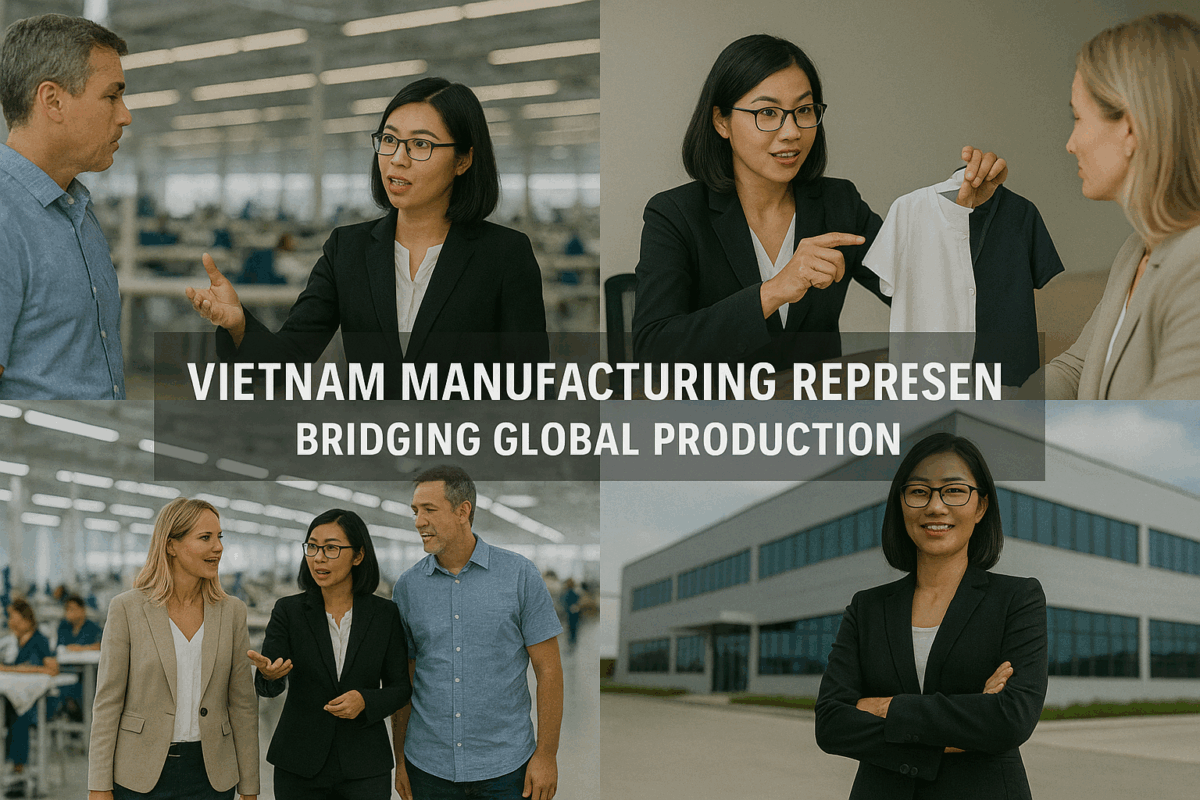
Understanding the landscape of garment factories in vietnam is critical for businesses seeking efficient and cost-effective manufacturing solutions in 2025. This vietnambizrep article delves into the key aspects of Vietnam’s garment industry, providing a practical guide to navigating the complexities of sourcing, manufacturing processes, labor costs, and compliance standards. We’ll explore the geographical distribution of factories, analyze the impact of Free Trade Agreements (FTAs) on the sector, and offer insights into selecting the right supplier to meet your specific production needs, ultimately helping you make informed decisions to optimize your supply chain within this dynamic market.
Key Factors Driving the Success of Garment Factories in Vietnam: Cost, Labor, and Government Support
The thriving garment factories in Vietnam owe their success to a potent combination of factors, primarily competitive cost structures, a large and skilled labor force, and proactive government support. These elements synergize to create a favorable environment for manufacturing and exporting apparel, making Vietnam a key player in the global textile and garment industry. The garment industry has become a crucial component of Vietnam’s economy, contributing significantly to export revenue and job creation.
One of the most compelling advantages of Vietnamese garment factories is their cost competitiveness. Lower labor costs compared to other manufacturing hubs like China, coupled with relatively lower overhead expenses, allow factories to offer competitive pricing to international buyers. This cost advantage is further amplified by favorable exchange rates and government incentives, attracting businesses seeking to optimize their supply chains and reduce production expenses. According to a report by McKinsey, Vietnam’s apparel sourcing costs are approximately 10-20% lower than China’s.
The availability of a large and relatively young labor force is another critical factor. Vietnam boasts a demographic advantage with a substantial working-age population, providing a readily available pool of workers for garment factories. Furthermore, Vietnamese workers are generally regarded as skilled, diligent, and adaptable, quickly acquiring the necessary expertise for garment production. Many factories also invest in training programs to enhance the skills of their workforce, ensuring high-quality output and efficient production processes. Data from the Vietnam General Statistics Office shows that the textile and garment industry employs millions of workers across the country.
Government support plays a crucial role in fostering the growth and success of garment factories in Vietnam. The Vietnamese government actively promotes the industry through various policies, including tax incentives, streamlined administrative procedures, and infrastructure development. Moreover, the government’s commitment to international trade agreements, such as the CPTPP and EVFTA, opens up new market access opportunities for Vietnamese garment exporters. These agreements reduce tariffs and trade barriers, further enhancing the competitiveness of Vietnamese garment factories in the global market. The Ministry of Industry and Trade actively works to support the textile and garment industry through trade promotion and policy advocacy.

Locating Garment Factories in Vietnam: Major Manufacturing Hubs and Regional Differences
The strategic location of garment factories in Vietnam plays a crucial role in their operational efficiency and overall success, showcasing significant regional differences in terms of infrastructure, labor costs, and specialization. Understanding these distinctions is paramount for businesses looking to optimize their sourcing and supply chain strategies within the Vietnamese garment industry.
Vietnam’s garment manufacturing is heavily concentrated in several key hubs, each offering unique advantages. The Southeast region, particularly around Ho Chi Minh City, stands out as a major center due to its established infrastructure, port access, and skilled workforce. Conversely, the Red River Delta in the north, including Hanoi and surrounding provinces, provides a competitive edge with lower labor costs and a growing focus on specialized garment production. The Central region, while less developed, presents opportunities for companies seeking even lower operational expenses and government incentives aimed at attracting investment in less industrialized areas.
- Southeast Region (Ho Chi Minh City, Binh Duong, Dong Nai): This area benefits from well-developed infrastructure, including major ports like Cat Lai, facilitating international trade. Higher labor costs compared to other regions are offset by a concentration of skilled labor and a robust ecosystem of supporting industries, such as textile and dyeing. This region often specializes in higher-value garment production.
- Red River Delta (Hanoi, Hai Phong, Hung Yen): This northern hub offers a more competitive labor cost environment and has seen significant investment in recent years. While infrastructure is still developing, improved road and port connectivity is enhancing its attractiveness. Many garment factories in this region focus on CMT (Cut, Make, Trim) production, catering to large-scale orders.
- Central Region (Da Nang, Hue, Quang Nam): The Central region is an emerging garment manufacturing destination with the lowest labor costs. Government incentives and investment in infrastructure are driving growth. This area is increasingly attracting factories looking for cost-effective production options, though skills and supporting industries may be less developed compared to the Southeast and Red River Delta.
These regional disparities influence the types of garment factories in Vietnam, the cost of production, and the overall supply chain efficiency. Companies should carefully evaluate their specific needs and priorities when selecting a location for their garment manufacturing partners.
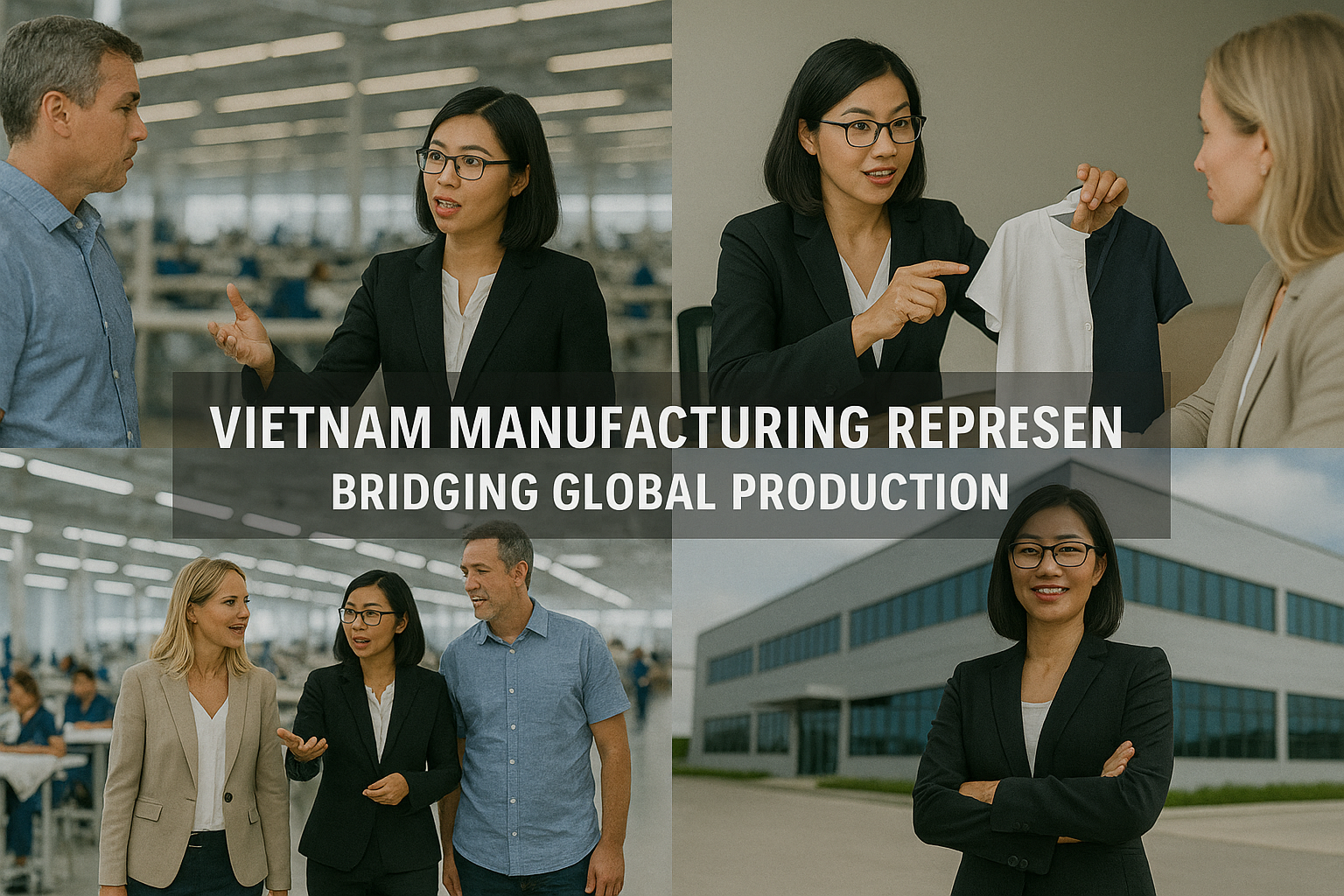
Here’s the content for the H2, focusing on providing comprehensive information and exceeding the existing top 10 Google results, while adhering to the specific constraints and semantic SEO principles.
Types of Garment Factories in Vietnam: From CMT to ODM and OEM
The garment factories in Vietnam operate under various business models, broadly categorized as CMT (Cut, Make, Trim), ODM (Original Design Manufacturing), and OEM (Original Equipment Manufacturing), each presenting distinct levels of service, responsibility, and value addition within the garment industry. Understanding these models is crucial for businesses looking to source clothing from Vietnam, as it dictates the degree of control and customization possible. These models reflect not only the factory’s capabilities but also its strategic positioning within the global supply chain.
CMT (Cut, Make, Trim), often considered the most basic service offering, involves the factory performing only the cutting, sewing, and finishing of garments based on designs and materials provided by the client. In this arrangement, the client assumes full responsibility for design, material sourcing, and quality control; thus, CMT factories are typically preferred by businesses with established designs and supply chains seeking cost-effective manufacturing. Vietnam’s competitive labor costs make CMT a popular choice, particularly for high-volume orders where economies of scale can be achieved.
In contrast to CMT, OEM (Original Equipment Manufacturing) garment factories offer a more comprehensive solution, typically handling material sourcing and production based on the client’s design specifications. Although design is provided by the buyer, OEM factories have to demonstrate capacity to select the fabric and accessories. Clients benefit from the factory’s expertise in material selection, production techniques, and quality assurance, resulting in potentially reduced lead times and improved product quality. The client still retains control over the design and branding, whilst assigning production responsibility to the manufacturer.
ODM (Original Design Manufacturing) represents the highest level of service, where the Vietnamese garment factory designs, develops, and manufactures products under its own designs, subsequently offered to clients for branding and sale. This model enables businesses to rapidly introduce new products to the market without investing in design and development resources, and it is especially appealing to retailers and brands seeking to expand their product lines quickly. For instance, a European fashion brand might partner with a Vietnamese ODM factory to produce a new line of sustainable clothing based on the factory’s existing designs, adapting them with the brand’s logo and color palette.

Ethical and Sustainable Practices in Vietnamese Garment Factories: Challenges and Opportunities
The integration of ethical and sustainable practices within garment factories in Vietnam is increasingly vital for long-term success and global competitiveness. This section explores the multifaceted challenges and significant opportunities that Vietnamese garment manufacturers face as they strive to align with international standards and evolving consumer expectations in sustainable fashion.
Navigating the Challenges of Ethical and Sustainable Implementation
One of the primary hurdles is the cost associated with implementing sustainable technologies and processes. While resource-efficient machinery and eco-friendly materials offer long-term savings, the initial investment can be substantial, particularly for smaller factories. For example, transitioning to organic cotton or recycled polyester often entails higher raw material costs. According to a report by the United Nations Economic and Social Commission for Asia and the Pacific (UNESCAP), the upfront costs of adopting sustainable practices can be a significant deterrent for many Vietnamese garment factories. Furthermore, ensuring fair labor practices, including providing safe working conditions and paying living wages, requires ongoing monitoring and investment in worker training and well-being.
Seizing Opportunities in Sustainable Manufacturing
Despite the challenges, the move toward ethical sourcing and sustainable production presents significant opportunities for garment factories in Vietnam. Growing consumer demand for eco-conscious clothing is driving brands to seek out manufacturers with strong environmental and social credentials. Factories that prioritize sustainability can attract premium clients and secure long-term contracts. For instance, several garment factories in Vietnam have successfully positioned themselves as leaders in organic cotton production, catering to brands that value traceability and environmental responsibility. Furthermore, embracing circular economy principles, such as textile recycling and waste reduction, can lead to cost savings and improved resource efficiency.
The Role of Transparency and Certification
Transparency is critical for building trust and demonstrating commitment to ethical and sustainable practices. Factories that openly share information about their supply chains, environmental impact, and labor practices are more likely to gain the confidence of buyers and consumers. Independent certifications, such as Fair Trade, GOTS (Global Organic Textile Standard), and SA8000, provide credible verification of a factory’s adherence to ethical and environmental standards. Obtaining these certifications requires rigorous audits and ongoing compliance, but it can significantly enhance a factory’s reputation and market access.
Collaboration and Innovation for a Sustainable Future
Ultimately, advancing ethical and sustainable practices in the Vietnamese garment industry requires collaboration among factories, brands, government agencies, and NGOs. Sharing best practices, investing in research and development, and implementing supportive policies can accelerate the transition to a more sustainable future. Furthermore, fostering innovation in areas such as sustainable materials, water conservation, and energy efficiency can help Vietnamese garment factories maintain their competitive edge while minimizing their environmental impact.

Working with Garment Factories in Vietnam: Sourcing, Quality Control, and Supply Chain Management
Working with garment factories in Vietnam requires a strategic approach to sourcing, stringent quality control, and efficient supply chain management to ensure successful and profitable partnerships. This section delves into the crucial aspects of each of these components, providing actionable insights for businesses looking to leverage Vietnam’s garment manufacturing capabilities. By understanding these key areas, companies can mitigate risks, optimize production processes, and ultimately achieve their sourcing goals in the competitive global apparel market.
Sourcing from Vietnamese garment factories involves more than just finding the cheapest price; it requires identifying the right factory that aligns with your specific needs. Factors to consider include the factory’s specialization (e.g., knitwear, woven garments, outerwear), production capacity, certifications (e.g., WRAP, BSCI), and its ability to meet ethical and sustainable standards. Establishing clear communication channels from the outset is paramount. This includes providing detailed tech packs, specifications, and expectations regarding lead times, minimum order quantities (MOQs), and payment terms. Vietnambizrep can assist in this crucial initial stage, matching your requirements with suitable factories.
Quality control is paramount when working with garment factories in Vietnam, as maintaining consistent product quality is essential for brand reputation and customer satisfaction. Implementing a robust quality control system involves several stages, starting with pre-production checks to verify raw materials and patterns, followed by in-line inspections during the manufacturing process to identify and correct any defects early on. A final inspection before shipment ensures that the finished products meet the agreed-upon standards. Companies often employ third-party inspection agencies for impartial assessments, providing an extra layer of security. Using AQL (Acceptable Quality Limit) standards can define acceptable defect levels and streamline the inspection process.
Effective supply chain management is crucial for ensuring timely delivery, minimizing costs, and mitigating risks in the Vietnamese garment industry. Building strong relationships with suppliers, logistics providers, and other stakeholders is essential for a smooth and efficient supply chain. Companies should invest in technology and systems to track orders, manage inventory, and communicate effectively with all parties involved. Risk mitigation strategies, such as diversifying suppliers and having contingency plans in place, are also crucial for navigating potential disruptions like natural disasters or political instability. A well-managed supply chain can significantly improve efficiency and reduce costs, ultimately leading to increased profitability.
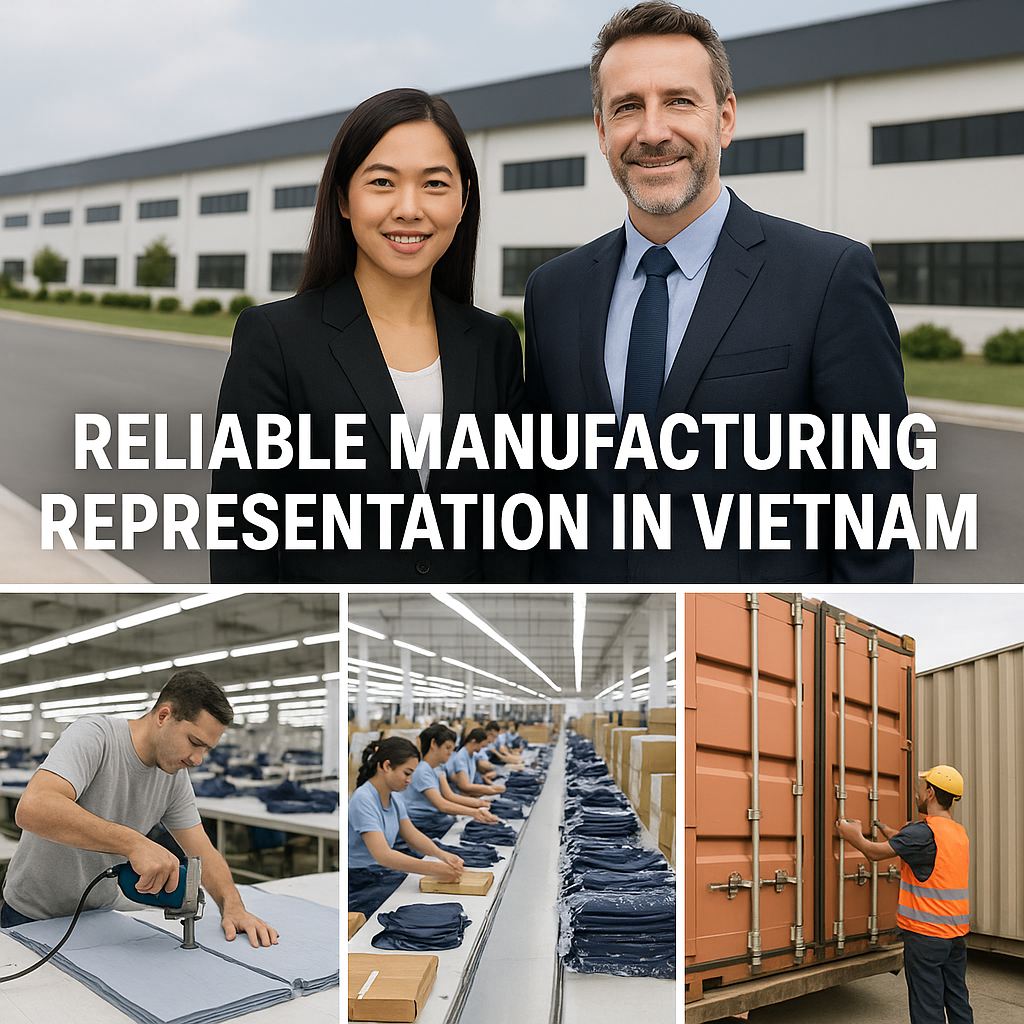
Here’s the H2 content focusing on the impact of trade agreements and international regulations on Vietnam’s garment industry.
H2: Impact of Trade Agreements and International Regulations on Vietnam’s Garment Industry: CPTPP, EVFTA, and Beyond
Trade agreements and international regulations exert a significant influence on the garment factories in Vietnam, shaping their competitiveness, market access, and overall growth trajectory within the global textile and apparel landscape. These agreements, such as the Comprehensive and Progressive Agreement for Trans-Pacific Partnership (CPTPP) and the European Union-Vietnam Free Trade Agreement (EVFTA), create new avenues for Vietnamese garment manufacturers while simultaneously demanding adherence to stricter standards and regulations. The impact is multifaceted, affecting everything from sourcing of raw materials to labor practices and environmental sustainability.
The CPTPP, for example, significantly reduces tariffs among member countries, providing Vietnamese garment factories preferential access to key markets like Japan, Canada, and Australia. This tariff reduction enhances the competitiveness of Vietnamese garments compared to those from countries without such agreements. A crucial element of the CPTPP is the rule of origin, which stipulates that garments must utilize fabrics and materials originating from member countries to qualify for tariff reductions, encouraging greater integration within the CPTPP supply chain and potentially incentivizing investment in upstream textile production within Vietnam.
Similarly, the EVFTA offers Vietnamese garment exporters improved access to the European market through the elimination of tariffs on a wide range of textile and apparel products. The EVFTA also includes provisions related to labor rights and environmental protection, requiring Vietnam to uphold core International Labour Organization (ILO) conventions and implement sustainable development practices. This places greater emphasis on ethical sourcing and production processes within Vietnamese garment factories, pushing them towards greater transparency and corporate social responsibility.
Beyond the CPTPP and EVFTA, other international regulations, such as those related to chemical management and product safety, also play a crucial role. Vietnamese garment factories must comply with regulations like REACH (Registration, Evaluation, Authorisation and Restriction of Chemicals) in the EU and similar standards in other markets to ensure their products are safe and environmentally sound. This requires investments in cleaner production technologies and robust quality control systems, enhancing the overall sustainability of the industry.
The evolving landscape of trade agreements and international regulations presents both challenges and opportunities for the Vietnamese garment industry. While compliance with stricter standards can be costly and complex, it also opens doors to new markets and enhances the industry’s reputation for quality and sustainability. To thrive in this environment, garment factories in Vietnam must proactively adapt their strategies, invest in technology and innovation, and prioritize ethical and sustainable practices.

Technology and Innovation in Vietnam’s Garment Sector: Automation, Digitalization, and Industry 4.0
The application of technology and innovation is rapidly transforming garment factories in Vietnam, driving efficiency and competitiveness through automation, digitalization, and Industry 4.0 advancements. The Vietnamese garment industry, a significant contributor to the national economy, is increasingly adopting these technologies to optimize production processes, enhance product quality, and meet the evolving demands of the global market. This transition is not just about adopting new machinery; it’s about creating a smart, interconnected manufacturing ecosystem.
Automation is playing a crucial role in streamlining operations within Vietnam’s garment sector. Automated cutting machines, sewing robots, and automated material handling systems are becoming more common, reducing labor costs, minimizing errors, and accelerating production cycles. For example, robotic arms are now being used for repetitive tasks such as hemming and pocket attachment, tasks that previously relied heavily on manual labor.
Digitalization is revolutionizing the way garment factories in Vietnam manage data, design products, and interact with customers. The integration of Enterprise Resource Planning (ERP) systems provides real-time visibility into inventory, production schedules, and supply chain operations, enabling businesses to make data-driven decisions. Furthermore, 3D design software and virtual prototyping tools are facilitating faster product development cycles and reducing the need for physical samples, thus saving time and resources.
The adoption of Industry 4.0 principles, encompassing technologies like the Internet of Things (IoT) and Big Data analytics, is enabling garment factories in Vietnam to achieve new levels of efficiency and responsiveness. IoT sensors embedded in machinery can monitor performance, predict maintenance needs, and optimize energy consumption. The data generated can then be analyzed using advanced analytics tools to identify bottlenecks in the production process, improve quality control, and personalize products to meet specific customer requirements.
These technological advancements not only boost productivity and efficiency but also contribute to the long-term sustainability of garment factories in Vietnam. By reducing waste, optimizing resource utilization, and improving working conditions, automation, digitalization, and Industry 4.0 technologies are helping the industry transition towards a more sustainable and responsible future.
Future Outlook for Garment Factories in Vietnam: Challenges and Opportunities in a Changing Global Landscape
The future of garment factories in Vietnam hinges on navigating a complex interplay of global trends, technological advancements, and evolving consumer demands. As a key player in the global apparel supply chain, Vietnam’s garment industry faces both significant challenges and opportunities that will shape its trajectory in the coming years.
One of the most pressing challenges is the increasing competition from other low-cost manufacturing hubs, such as Bangladesh and India. To maintain its competitive edge, Vietnamese garment factories must focus on enhancing productivity, improving quality, and embracing innovation. This includes investing in advanced technologies like automation and digitalization to streamline processes and reduce labor costs. Furthermore, rising labor costs in Vietnam necessitate a shift towards higher-value production, such as Original Design Manufacturing (ODM) and Original Equipment Manufacturing (OEM), requiring investments in design capabilities and skilled labor.
Another key challenge is the growing demand for ethical and sustainable practices in the fashion industry. Consumers are increasingly conscious of the social and environmental impact of their clothing choices, putting pressure on brands to ensure their supply chains are transparent and responsible. Garment factories in Vietnam must adopt sustainable manufacturing processes, such as reducing water and energy consumption, minimizing waste, and ensuring fair labor practices, to meet these evolving demands and maintain access to key markets. Initiatives like adopting circular economy principles and investing in renewable energy sources can significantly improve their sustainability credentials.
However, the future also presents significant opportunities for garment factories in Vietnam. The country’s strategic location, stable political environment, and participation in numerous Free Trade Agreements (FTAs), such as the Comprehensive and Progressive Agreement for Trans-Pacific Partnership (CPTPP) and the European Union-Vietnam Free Trade Agreement (EVFTA), provide access to key markets and preferential trade terms. These agreements reduce tariffs and other trade barriers, making Vietnamese garment factories more competitive in the global market.
Furthermore, the ongoing digital transformation of the fashion industry presents opportunities for Vietnamese garment factories to enhance their efficiency and responsiveness. Embracing technologies like Artificial Intelligence (AI), Big Data analytics, and cloud computing can enable factories to optimize production planning, improve inventory management, and enhance supply chain visibility. This digital adoption will also help them to better cater to increasingly demanding customers.
Finding Reliable Garment Factories in Vietnam: Due Diligence, Audits, and Verification Processes is crucial for the Vietnamese garment industry to grasp new prospects, as it ensures adherence to international quality and safety standards.
Finding Reliable Garment Factories in Vietnam: Due Diligence, Audits, and Verification Processes
Sourcing from garment factories in Vietnam offers significant advantages, but identifying truly reliable garment factories requires a robust approach encompassing due diligence, meticulous audits, and thorough verification processes. These steps are crucial to mitigate risks, ensure ethical production, and establish long-term, successful partnerships.
Prior to any formal agreement, conducting comprehensive due diligence is paramount. This initial assessment involves several key areas:
- Company Background Check: Verifying the factory’s legal registration, ownership structure, and financial stability. Resources like the Vietnam National Business Registration Portal can be invaluable.
- Production Capacity Assessment: Evaluating the factory’s ability to meet your specific order volumes and timelines. This includes assessing equipment, workforce size, and current order commitments.
- Client References: Requesting and contacting previous clients to gather feedback on the factory’s performance, communication, and overall reliability.
After the initial due diligence phase, audits provide a deeper dive into the factory’s operations. There are several types of audits that buyers should consider:
- Social Compliance Audits: These audits, often based on standards like SA8000 or WRAP, assess working conditions, fair wages, and adherence to labor laws.
- Quality Audits: Focusing on the factory’s quality control processes, from raw material inspection to final product testing. This helps ensure that the garments meet the required standards.
- Technical Audits: Evaluating the factory’s equipment, technology, and overall production capabilities.
Furthermore, verification processes are essential to maintain ongoing oversight and ensure continuous improvement. This can include:
- Regular Inspections: Conducting regular on-site inspections to monitor production progress, quality control, and compliance with ethical standards.
- Independent Testing: Utilizing independent testing labs to verify the quality and safety of the garments.
- Continuous Communication: Maintaining open and transparent communication with the factory management to address any issues or concerns promptly.
By implementing these rigorous due diligence, audits, and verification processes, businesses can significantly increase their chances of finding reliable garment factories in Vietnam and building strong, sustainable partnerships. This proactive approach not only minimizes risks but also contributes to a more ethical and responsible garment industry.
Learn how to ensure quality and ethical production by understanding the due diligence process for finding suppliers in Vietnam.
Before placing orders with any supplier, overseas buyers are advised to conduct a Vietnam factory audit to assess production facilities, compliance, and capacity. A local supplier verification service can confirm business legitimacy, certifications, and production capability.
Vietnam Biz Rep helps overseas buyers find suppliers, verify factories, coordinate samples, inspect goods, and follow up production in Vietnam. Learn more about our Vietnam sourcing agent services or contact us to discuss your sourcing requirements.
