
Sourcing from Vietnam at wholesale prices offers unparalleled opportunities for boosting your profit margins and expanding your product range in 2025. This guide, categorized under vietnambizrep, dives deep into the world of Vietnamese wholesale suppliers, revealing strategies for effective supplier verification, navigating import regulations, and securing the best deals on high-demand products like textiles, furniture, and agricultural goods. We’ll equip you with the practical knowledge to conduct thorough due diligence, understand payment methods preferred by Vietnamese vendors, and master the art of negotiation to unlock substantial savings and build lasting partnerships with reliable Vietnamese manufacturers** for long-term business success.
Understanding the Wholesale Market in Vietnam: An Overview
The Vietnamese wholesale market presents a dynamic and rapidly growing landscape for businesses looking to buy wholesale from Vietnam, offering a wide array of products and opportunities. This market acts as a crucial intermediary between manufacturers and retailers, facilitating the distribution of goods both domestically and internationally. Understanding the nuances of this market is essential for successful sourcing and procurement.
Vietnam’s wholesale sector is characterized by a diverse range of players, from small family-run businesses to large-scale distributors and trading companies. The market’s structure often varies depending on the product category, with some sectors being more fragmented than others. For instance, the apparel and textiles wholesale market might involve numerous smaller suppliers, while the electronics sector could be dominated by a few larger distributors with strong relationships with international manufacturers. The ongoing economic growth in Vietnam has fueled the expansion of its manufacturing sector, making it a prime location for sourcing goods at competitive prices.
Several key factors contribute to the attractiveness of the Vietnamese wholesale market. Firstly, the country boasts a strategic geographical location, serving as a gateway to Southeast Asia and offering convenient access to major shipping routes. Secondly, Vietnam’s government has implemented policies to encourage foreign investment and trade, streamlining the import/export process and creating a more favorable business environment. Finally, the relatively low labor costs in Vietnam allow manufacturers to offer competitive pricing on a wide range of products, making it an attractive option for businesses seeking cost-effective sourcing solutions.
Want to delve deeper? Explore the landscape of Vietnam’s wholesale market and uncover key insights for successful sourcing.
Identifying Reliable Wholesale Suppliers in Vietnam: Key Strategies
Finding reliable wholesale suppliers in Vietnam is crucial for businesses looking to buy wholesale from Vietnam and ensure a smooth and profitable sourcing process. The Vietnamese market offers a wealth of opportunities, but navigating it successfully requires a strategic approach to identify and vet potential partners. This section will delve into key strategies for pinpointing credible suppliers, mitigating risks, and establishing lasting business relationships in the dynamic Vietnamese market.
Sourcing reliable suppliers requires a multi-faceted approach. Leverage online wholesale marketplaces to explore options, attending trade shows and exhibitions for direct engagement, and consider the benefits of utilizing sourcing agents who possess expertise and local knowledge. Each method offers unique advantages and disadvantages that should be carefully weighed against your specific business needs and risk tolerance.
Online Wholesale Marketplaces: Pros and Cons
Online wholesale marketplaces offer a convenient starting point for your search, platforms like Alibaba, Global Sources, and Vietnamese-specific platforms like EC21 can provide access to a vast network of potential suppliers. However, it’s crucial to exercise caution. Thoroughly vet suppliers by checking their business licenses, certifications (ISO, HACCP), and customer reviews. Request samples and conduct initial quality checks before committing to larger orders. While offering broad reach, these platforms require due diligence to avoid scams or unreliable vendors.
Trade Shows and Exhibitions: Building Relationships
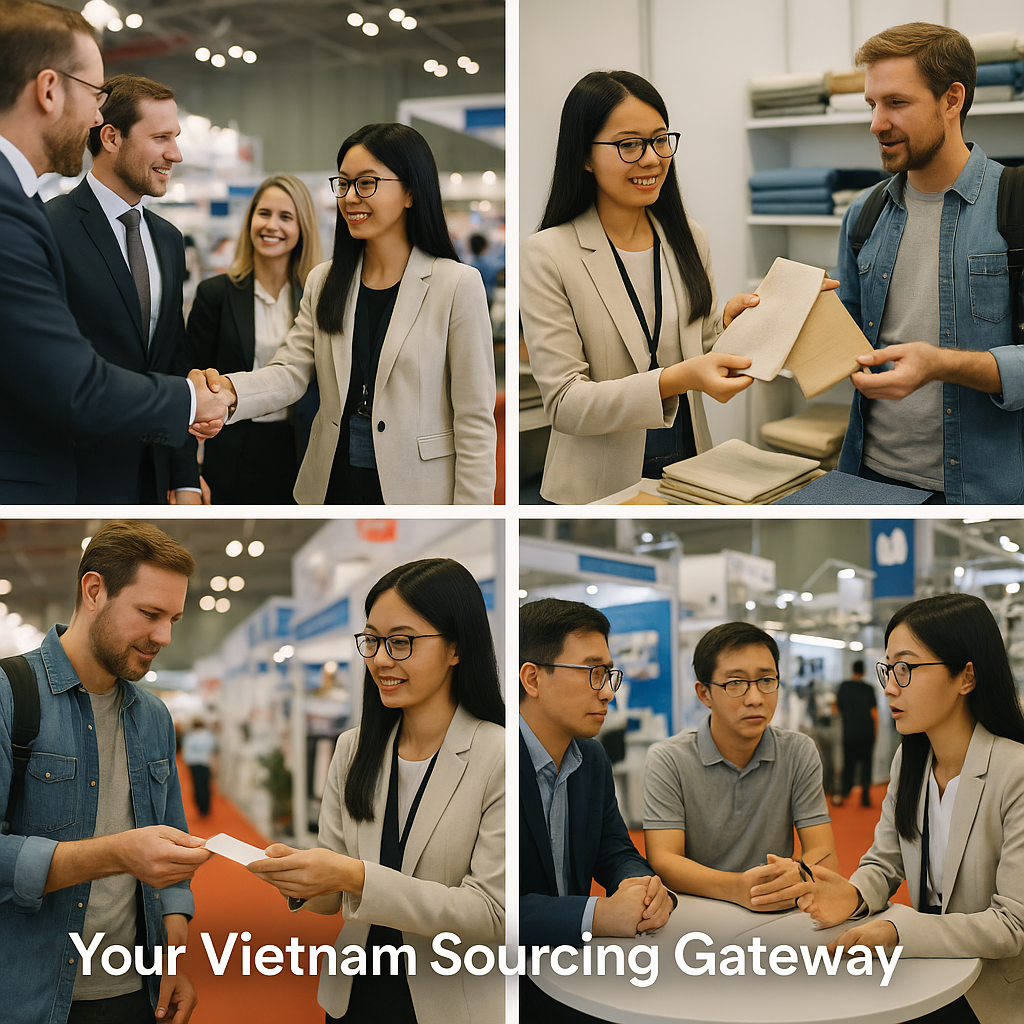
Attending trade shows and exhibitions in Vietnam, such as the Vietnam International Trade Fair (VITM) or specialized events like Saigontex for textiles, provides an invaluable opportunity to interact directly with suppliers. This face-to-face interaction allows you to assess their professionalism, discuss your specific requirements in detail, and build rapport. Additionally, these events often feature industry experts and seminars that can provide insights into the latest trends and regulations in the Vietnamese wholesale market, allowing you to make informed decisions about where to buy wholesale from Vietnam.
Utilizing Sourcing Agents: Expertise and Local Knowledge
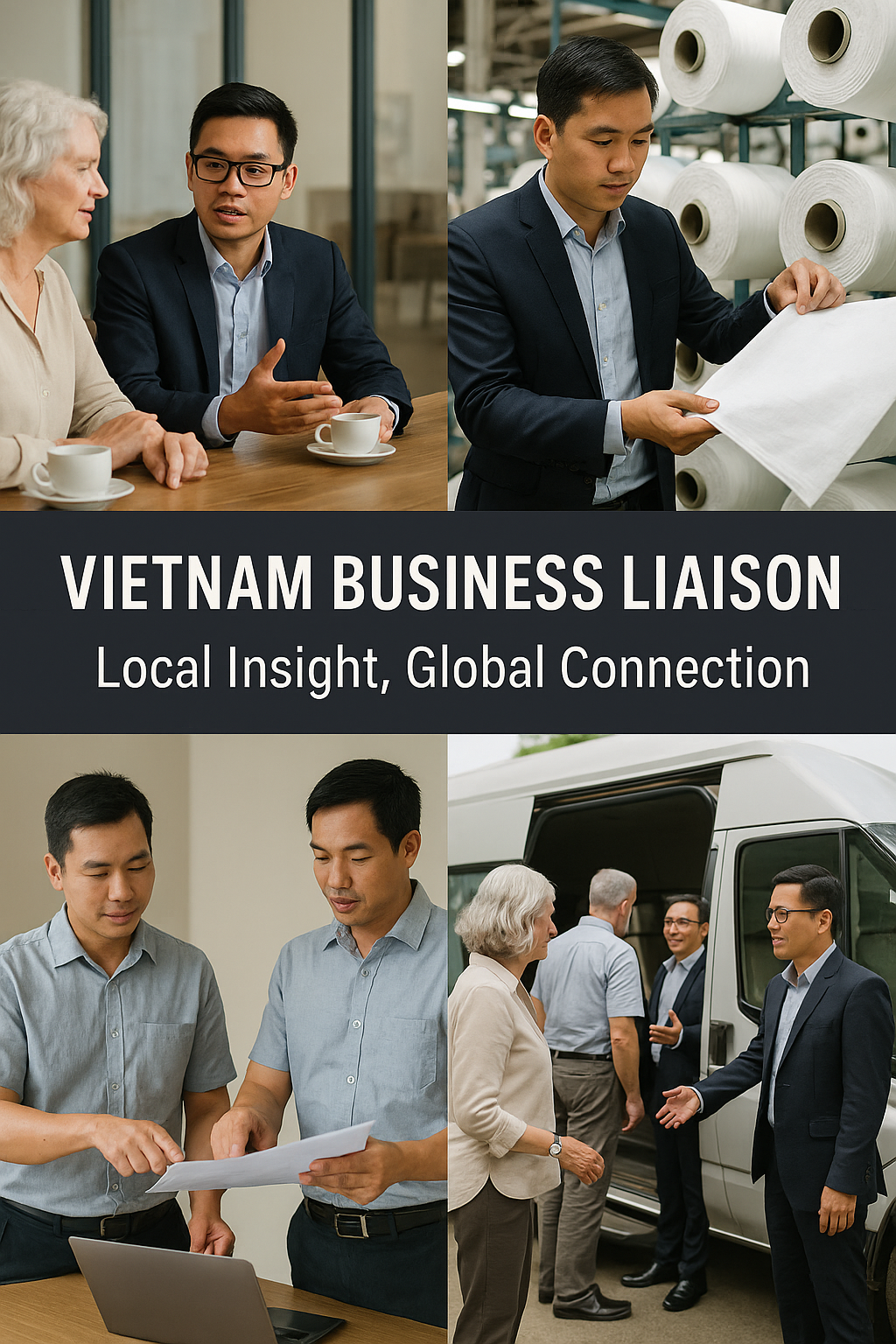
For businesses lacking in-house resources or familiarity with the Vietnamese market, utilizing sourcing agents can be a strategic advantage. Reputable sourcing agents possess extensive networks of pre-vetted suppliers and a deep understanding of local business practices, regulations, and cultural nuances. They can assist with supplier identification, negotiation, quality control, logistics, and even navigating legal requirements. While involving an additional cost, sourcing agents can significantly reduce the risks associated with buying wholesale from Vietnam and save you valuable time and resources.
Struggling to find trusted partners? Discover proven strategies to identify reliable wholesale suppliers in Vietnam and build long-lasting relationships.
Popular Wholesale Product Categories in Vietnam: Trends and Opportunities
Vietnam’s wholesale market presents a diverse landscape of product categories, offering numerous trends and opportunities for businesses looking to buy wholesale from Vietnam. Understanding these popular categories and their evolving dynamics is crucial for making informed sourcing decisions. From apparel and textiles to food and beverage, handicrafts, and electronics, each sector has its unique characteristics and potential for growth.
The following product categories stand out as particularly promising for wholesale buyers seeking to capitalize on Vietnam’s manufacturing capabilities and growing consumer market:
-
Apparel and Textiles: Vietnam has long been a major player in the global apparel and textile industry. The country’s competitive labor costs, skilled workforce, and established manufacturing infrastructure make it an attractive sourcing destination for clothing, fabrics, and accessories. Keep an eye on trends like sustainable and ethically sourced materials.
-
Food and Beverage: Vietnam’s rich agricultural heritage translates into a diverse range of food and beverage products available for wholesale. From processed foods and canned goods to coffee, tea, and fresh produce, the Vietnamese food and beverage sector offers a wide variety of options. Note that navigating food safety regulations and quality control is crucial.
-
Handicrafts and Home Decor: Vietnam’s artisans are renowned for their craftsmanship and creativity. The country offers a wide array of handicrafts and home decor items, including ceramics, lacquerware, wood carvings, and textiles. The demand for unique and authentic products is growing, presenting an opportunity for wholesalers to source distinctive items.
-
Electronics and Technology: Vietnam’s electronics and technology sector has experienced rapid growth in recent years, driven by foreign investment and a young, tech-savvy population. The country is emerging as a hub for electronics manufacturing, offering competitive pricing and innovation in areas such as consumer electronics, components, and accessories. The opportunity to buy wholesale from Vietnam is increasing due to this trend.

Curious about the hottest products? Uncover the popular wholesale product categories in Vietnam and seize emerging market opportunities.
Navigating Legal and Regulatory Requirements for Wholesale Purchases in Vietnam
Understanding and adhering to the legal and regulatory landscape is crucial when you buy wholesale from Vietnam. Successfully navigating this landscape can prevent costly delays, penalties, and legal issues. This section provides an overview of the key requirements you need to be aware of when sourcing products wholesale from Vietnam.
Acquiring the appropriate import/export licenses and documentation is paramount for legally conducting wholesale purchases from Vietnam. For instance, businesses importing goods into Vietnam typically need to register with the local licensing authority and obtain a business registration certificate. Conversely, Vietnamese suppliers exporting goods require an export license, which varies depending on the type of product.
Understanding VAT and other taxes is essential to accurately calculate the total cost of wholesale purchases. In Vietnam, Value Added Tax (VAT) is applied to most goods and services, with standard rates currently at 10%. Understanding import duties, special consumption tax (if applicable to your product category), and corporate income tax for the supplier helps you forecast your budget and potential profit margins accurately.
Compliance with customs regulations and procedures is critical for smooth import/export operations. Vietnamese customs authorities require accurate declarations of goods, proper documentation, and adherence to import/export restrictions. Failure to comply can result in delays, fines, or even seizure of goods. Preparing all necessary paperwork in advance, such as commercial invoices, packing lists, certificates of origin, and import permits, streamlines the process and prevents unforeseen complications.
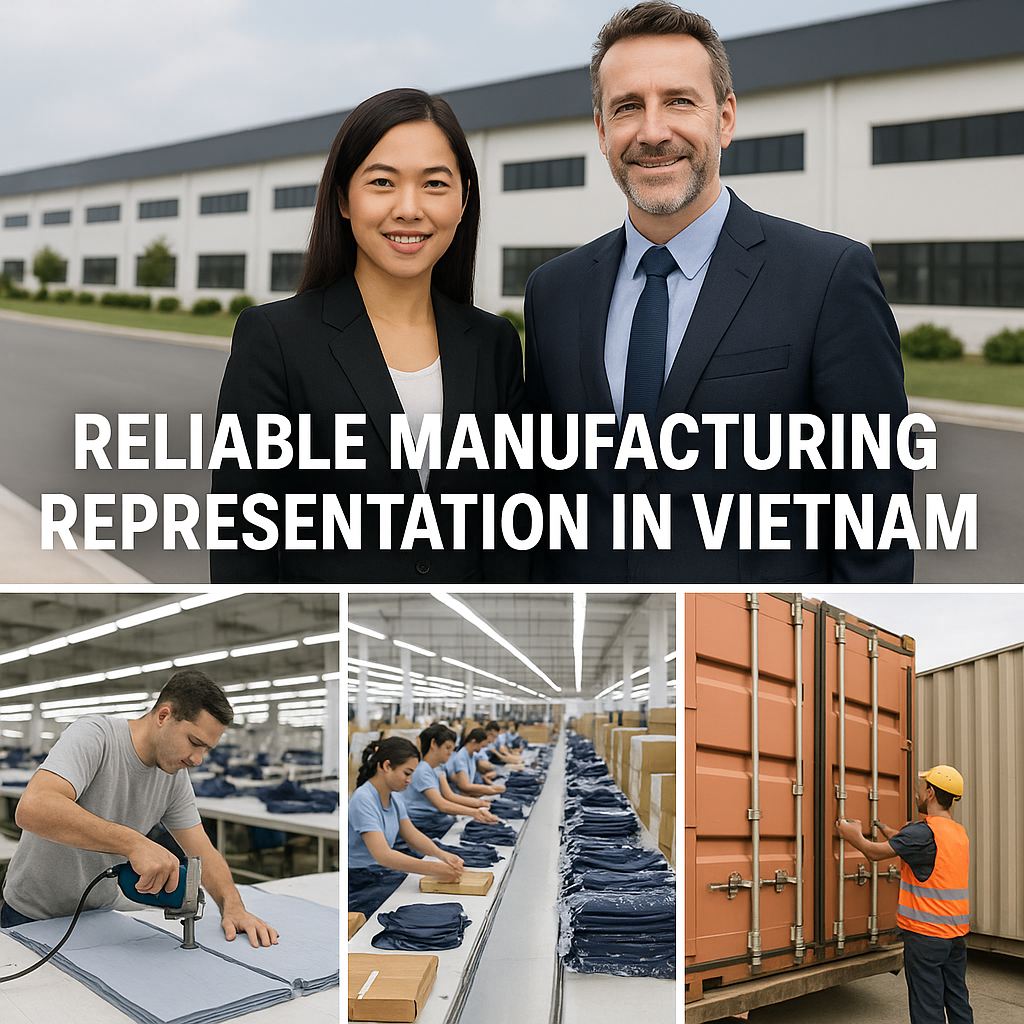
Payment Methods and Financial Considerations for Wholesale Transactions in Vietnam
Navigating the payment methods and understanding the financial considerations are crucial for businesses looking to buy wholesale from Vietnam. Selecting the appropriate payment method and managing financial aspects effectively can minimize risks, optimize costs, and ensure smooth transactions when sourcing products wholesale from Vietnamese suppliers. Let’s explore the popular payment options and key financial considerations for securing favorable deals in the Vietnamese wholesale market.
-
Secure Payment Gateways and Escrow Services:
Utilizing secure payment gateways and escrow services provides a layer of protection for both buyers and sellers in wholesale transactions. These services act as a trusted third party, holding funds until the buyer receives and approves the goods. Popular options include platforms like PayPal, Escrow.com, and specialized Vietnamese payment gateways integrated with local banks. Escrow services are especially beneficial for large orders or when working with new suppliers, mitigating the risk of non-delivery or substandard goods. Using these services is a key method for minimizing financial risks.
-
Negotiating Payment Terms with Suppliers:
Negotiating favorable payment terms is a critical aspect of managing finances in wholesale purchases. Common payment terms include upfront deposits (e.g., 30%), with the remaining balance due upon completion of production or shipment. For long-term partnerships, it may be possible to negotiate more flexible arrangements, such as letters of credit or extended payment periods. It’s essential to clearly define payment terms in the contract, including currency, payment schedule, and any applicable discounts.
-
Currency Exchange and Banking Options:
Understanding currency exchange rates and associated fees is essential for managing costs in wholesale transactions with Vietnamese suppliers. The Vietnamese Dong (VND) is the local currency, and fluctuations in exchange rates can significantly impact the final cost of goods. Buyers can utilize various banking options, including wire transfers, international money transfers, and letters of credit. It is advisable to compare exchange rates and fees from different banks and financial institutions to optimize costs. Partnering with a bank that has experience in international trade and offers competitive rates can be advantageous.
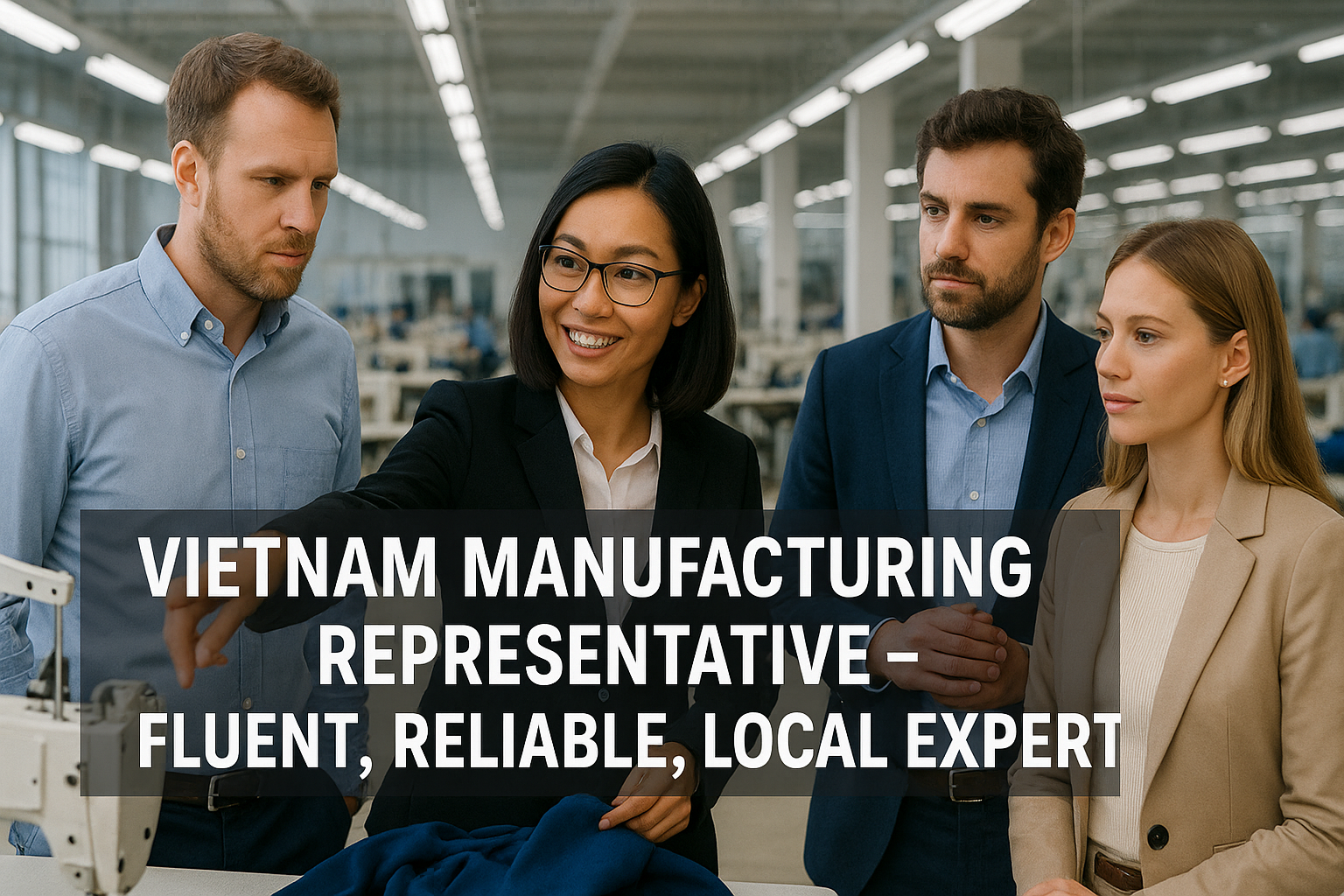
Quality Control and Inspection Best Practices When Buying Wholesale from Vietnam
When you buy wholesale from Vietnam, implementing robust quality control and inspection processes is paramount to safeguarding your investment and ensuring customer satisfaction. This section outlines best practices for quality assurance when sourcing products from Vietnamese wholesale suppliers, minimizing risks associated with defective goods or non-compliance.
To mitigate potential issues and maintain product standards, consider implementing a tiered inspection strategy:
-
Pre-Production Inspections: Identifying Potential Issues
Pre-production inspections are crucial for identifying potential problems before mass production begins. This proactive step involves assessing raw materials, components, and initial samples to ensure they meet specified quality standards and technical requirements. By addressing discrepancies early, you can prevent costly rework, delays, and potential product recalls. This phase also focuses on verifying the supplier’s capabilities and processes, confirming their adherence to quality control protocols. For instance, if you’re sourcing apparel, a pre-production inspection would involve checking the fabric quality, color consistency, and pattern accuracy before cutting and sewing commence.
-
During-Production Inspections: Monitoring Quality and Consistency
During-production inspections are conducted while manufacturing is underway to monitor quality and consistency throughout the production process. These inspections typically involve random checks of products at various stages of completion, ensuring that they conform to the agreed-upon specifications. This stage allows for timely detection of any deviations from the acceptable quality level (AQL) and prompt corrective actions to prevent further defects. Regular monitoring also reinforces the supplier’s commitment to maintaining quality standards. An example in electronics manufacturing would be checking the assembly process, soldering quality, and functionality of components as they are integrated into the final product.
-
Final Inspections: Ensuring Product Compliance
Final inspections are performed once production is complete to verify that the finished goods meet all specified requirements and are ready for shipment. This comprehensive assessment includes a thorough examination of product appearance, functionality, packaging, and labeling. A final inspection confirms overall product compliance and ensures that the goods meet international standards and regulatory requirements. For example, in the food and beverage industry, final inspections would involve checking expiration dates, packaging integrity, and adherence to food safety regulations.
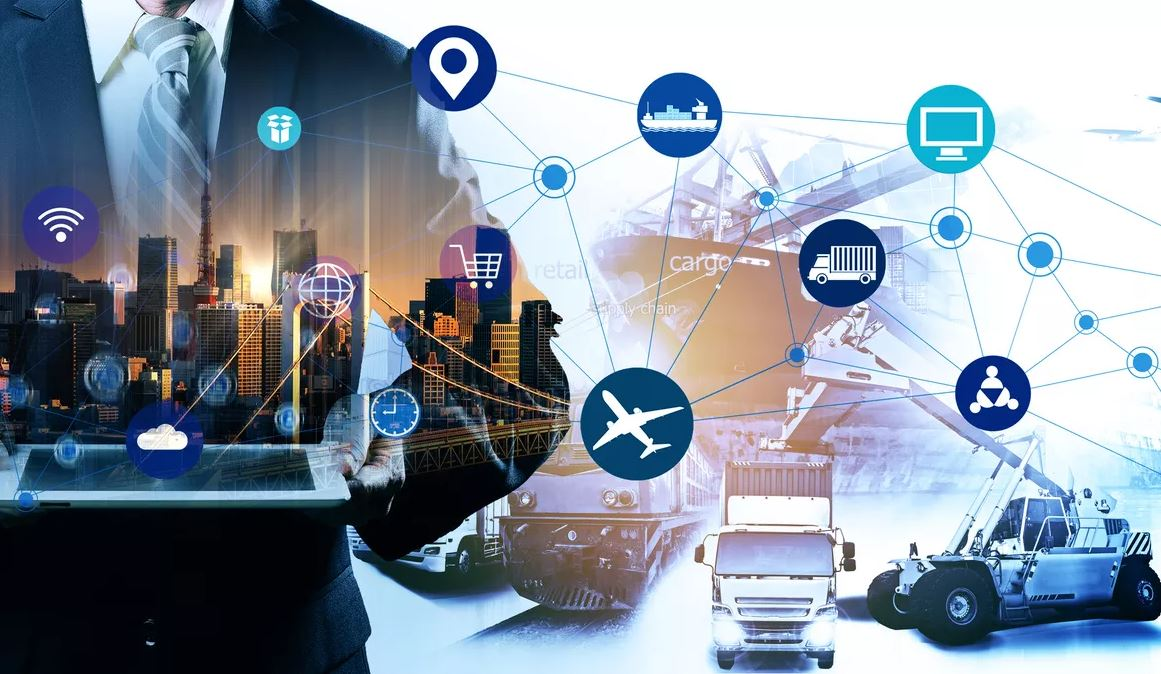
Logistics and Shipping Options for Wholesale Purchases from Vietnam
Navigating the complexities of logistics and shipping is a critical aspect of successfully buy wholesale from Vietnam. Understanding the available options, their associated costs, and transit times is essential for making informed decisions that impact your bottom line and customer satisfaction. This section will break down the various shipping methods, helping you choose the most suitable one for your specific needs when buying wholesale products from Vietnamese suppliers.
When sourcing wholesale goods from Vietnam, businesses typically consider three primary shipping methods, each offering a different balance between speed and cost. These include air freight, known for its rapid delivery times; sea freight, a cost-effective solution for large, bulky shipments; and express shipping, ideal for urgent or time-sensitive deliveries. The optimal choice depends on factors such as the size and weight of your shipment, the urgency of delivery, and your budget constraints.
Air Freight: Speed and Cost Considerations
Air freight is the quickest way to transport goods from Vietnam, making it ideal for high-value or time-sensitive items. This method utilizes commercial airlines or dedicated cargo carriers to transport goods, significantly reducing transit times compared to sea freight. However, this speed comes at a premium, as air freight is typically more expensive than other shipping options. Consider air freight when:
- You need your goods delivered urgently, perhaps for a seasonal promotion or to meet immediate customer demand.
- The value of your goods is high enough to justify the higher shipping costs.
- Your shipment is relatively small and lightweight, making the cost difference less significant.
Sea Freight: Bulk Shipments and Economical Solutions
Sea freight represents the most cost-effective option for transporting large volumes of goods from Vietnam. This method involves shipping goods in containers via cargo ships, making it suitable for businesses that buy wholesale from Vietnam in bulk. Sea freight offers substantial cost savings, particularly for larger shipments, but it also entails longer transit times. You should consider sea freight when:
- You’re shipping large quantities of goods and cost is a primary concern.
- You have a flexible delivery timeline and can accommodate longer transit times.
- Your goods are not time-sensitive and can withstand the longer journey.
Express Shipping: Urgent Delivery Requirements
Express shipping offers a balance between speed and reliability, providing faster delivery times than sea freight while remaining more cost-effective than air freight for certain shipments. Services like DHL, FedEx, and UPS offer comprehensive tracking and expedited delivery options, making them suitable for urgent or time-sensitive wholesale purchases from Vietnam. This is a good option for:
- Smaller, high-priority shipments that require relatively quick delivery.
- Situations where tracking and reliable delivery are crucial.
- When you need goods delivered within a specific timeframe to meet customer expectations.
Choosing the right shipping method when you buy wholesale from Vietnam requires careful consideration of your needs and priorities. By understanding the advantages and disadvantages of each option, you can optimize your logistics and shipping strategy to ensure timely and cost-effective delivery of your goods.
Need help getting your goods home? Explore the best logistics and shipping options for wholesale purchases from Vietnam and ensure smooth delivery.
Building Long-Term Relationships with Vietnamese Wholesale Suppliers
Building long-term relationships with Vietnamese wholesale suppliers is crucial for businesses seeking to buy wholesale from Vietnam and establish a sustainable and profitable supply chain. These relationships, built on trust and mutual respect, go beyond simple transactions, offering benefits such as preferential pricing, priority order fulfillment, and valuable market insights. Nurturing these partnerships requires understanding Vietnamese business culture, employing effective communication strategies, and adhering to ethical business practices.
Effective Communication Strategies: Language and Cultural Nuances
Effective communication is the cornerstone of any successful business relationship, and it’s particularly important when working with Vietnamese wholesale suppliers. While many Vietnamese business professionals have a good command of English, understanding cultural nuances can significantly enhance communication and prevent misunderstandings. For instance, direct confrontation is generally avoided in Vietnamese culture; therefore, it’s best to address concerns diplomatically and respectfully. Furthermore, showing respect for seniority and building personal connections (known as “quan hệ”) can greatly improve your standing with suppliers. Consider learning a few basic Vietnamese phrases to demonstrate your commitment and willingness to engage with their culture. Tools like translation apps and professional interpreters can also bridge language gaps and ensure clear and accurate communication.
Regular Order Placement and Consistency
Consistency in order placement is a tangible demonstration of your commitment to your Vietnamese wholesale suppliers. Establishing a predictable order schedule, even if the order volumes fluctuate, allows suppliers to plan their production and resource allocation effectively. This consistency builds trust and encourages suppliers to prioritize your orders, potentially leading to better pricing and improved lead times. Moreover, consistent engagement provides opportunities for ongoing dialogue, enabling you to stay informed about market trends, potential supply chain disruptions, and new product offerings. Open communication about your forecasts and anticipated changes in demand further strengthens the partnership, allowing suppliers to adapt and meet your evolving needs.
Fair Negotiation and Ethical Business Practices
Fair negotiation and adhering to ethical business practices are fundamental to establishing long-lasting and mutually beneficial relationships with Vietnamese wholesale suppliers. While seeking competitive pricing is important, avoid pushing suppliers to unsustainable levels that could compromise product quality or worker welfare. Transparency in your business dealings, honoring agreements, and paying invoices promptly build trust and demonstrate your commitment to a fair and equitable partnership. Moreover, respecting intellectual property rights, avoiding bribery or corruption, and adhering to labor standards are essential components of ethical business practices that foster long-term collaboration and protect your brand reputation. By prioritizing fairness and ethics, you create a foundation for a sustainable and prosperous relationship with your Vietnamese suppliers.
Avoiding Scams and Fraudulent Activities in the Vietnamese Wholesale Market: Risk Mitigation
Entering the Vietnamese wholesale market to buy wholesale from Vietnam presents lucrative opportunities, but it’s crucial to be vigilant against potential scams and fraudulent activities. Implementing robust risk mitigation strategies is paramount to safeguard your investments and ensure smooth transactions. This section delves into practical measures you can take to protect your business when buying wholesale goods from Vietnam.
Due Diligence on Suppliers: Background Checks and Verification
Thorough due diligence is the first line of defense against fraudulent suppliers. It’s important to go beyond surface-level information and delve deeper into a supplier’s history and reputation.
- Verification of Business License: Always request and verify the supplier’s business license (Giấy phép kinh doanh). This confirms their legal registration and operational legitimacy within Vietnam. You can cross-reference the information on the license with the official Vietnamese business registry.
- Factory Visits (if possible): If feasible, arrange a physical visit to the supplier’s factory or office. This allows you to assess their production capabilities, infrastructure, and overall professionalism firsthand. Virtual tours can also be a viable alternative.
- Reference Checks: Request references from other clients who have previously worked with the supplier. Contact these references and inquire about their experiences regarding product quality, delivery timelines, and overall reliability.
- Online Reputation Research: Conduct thorough online research to identify any negative reviews, complaints, or reports of fraudulent activity associated with the supplier. Check Vietnamese business directories and forums for valuable insights.
Secure Payment Methods: Minimizing Financial Risks
Choosing the right payment method can significantly reduce the risk of financial loss. Avoid methods that offer little or no buyer protection.
- Letter of Credit (L/C): L/Cs are considered one of the safest payment methods, as they involve a bank guarantee that payment will be made upon fulfillment of specific conditions outlined in the agreement.
- Escrow Services: Escrow services act as a neutral third party, holding funds until the buyer receives and approves the goods. This provides a layer of protection for both parties.
- Partial Payment: Negotiate for a partial upfront payment with the remaining balance due upon satisfactory completion of production or delivery. This minimizes your financial exposure in case of any issues.
- Avoid Western Union or MoneyGram: These methods are generally not recommended for large wholesale transactions, as they offer limited buyer protection and are often favored by scammers.
Clear Contracts and Agreements: Protecting Your Interests
A well-drafted contract is essential for outlining the terms and conditions of the transaction and protecting your legal rights.
- Detailed Product Specifications: Clearly define the product specifications, including materials, dimensions, quality standards, and any other relevant details. This reduces the risk of receiving substandard or incorrect goods.
- Payment Terms: Specify the payment schedule, currency, and preferred payment method. Include clauses addressing late payment penalties and dispute resolution mechanisms.
- Delivery Schedule: Establish a clear delivery timeline with specific milestones and penalties for delays. This helps ensure timely receipt of your goods.
- Inspection Rights: Reserve the right to inspect the goods at various stages of production and upon delivery. This allows you to identify and address any quality issues promptly.
- Governing Law and Dispute Resolution: Specify the governing law that will apply to the contract and the preferred method of dispute resolution (e.g., arbitration) in case of any disagreements. It’s advisable to have the contract reviewed by a legal professional familiar with Vietnamese commercial law.
- IP Protection: Address intellectual property rights, ensuring your designs and trademarks are protected and not infringed upon by the supplier.
By implementing these risk mitigation strategies, you can significantly reduce the likelihood of encountering scams and fraudulent activities and confidently buy wholesale from Vietnam. Engaging a reputable sourcing agent like vietnambizrep can provide additional security and expertise in navigating the Vietnamese market.
Concerned about scams? Learn how to mitigate risks and avoid fraudulent activities in the Vietnamese wholesale market with expert sourcing advice.
Buy Wholesale From Vietnam: Step by Step Guide
Embarking on the journey to buy wholesale from Vietnam can be a lucrative venture, but it requires careful planning and execution. This step-by-step guide, presented by Vietnambizrep, will equip you with the necessary knowledge to navigate the Vietnamese wholesale market effectively, minimizing risks and maximizing your chances of success. From identifying your product niche to establishing long-term supplier relationships, we’ll break down the process into manageable steps.
First, define your product niche and conduct market research. Understanding the demand for specific products in your target market is crucial. Identify products with growth potential and align them with your business goals. For instance, if you’re targeting the eco-friendly market, consider sourcing sustainable handicrafts or organic textiles.
Next, identify potential suppliers through online wholesale marketplaces (like Alibaba, Global Sources), trade shows (Vietnam Expo, Vietnam Sourcing Fair), or sourcing agents. Each avenue presents different advantages and disadvantages. Online marketplaces offer convenience and a wide selection, while trade shows allow for direct interaction and relationship building. Sourcing agents provide expertise and local knowledge, assisting with supplier vetting and negotiation.
Once you have a list of potential suppliers, it’s essential to conduct thorough due diligence. Verify their business licenses, certifications, and manufacturing capabilities. Request samples to assess product quality and consistency. Don’t hesitate to visit their factories or workshops to gain firsthand insight into their operations and ethical practices. This step helps mitigate risks and ensures you’re partnering with reliable and legitimate suppliers.
Then, negotiate favorable payment terms. Establish clear payment schedules, acceptable currencies, and preferred payment methods. Consider using secure payment gateways or escrow services to protect your financial interests. Building trust with your suppliers through transparent communication and fair negotiation is vital for a long-term, mutually beneficial relationship.
Following that, ensure robust quality control. Implement pre-production, during-production, and final inspections to guarantee product compliance with your specifications. Engage independent inspection agencies to provide unbiased assessments and identify potential issues before shipment. Addressing quality concerns proactively minimizes returns, improves customer satisfaction, and safeguards your brand reputation.
Subsequently, coordinate logistics and shipping. Compare shipping options (air freight, sea freight, express shipping) based on your budget, timeline, and cargo volume. Partner with reputable freight forwarders to handle customs clearance, documentation, and transportation. Understanding import/export regulations and procedures is crucial for smooth and efficient delivery of your goods.
After all these steps, establish long-term relationships with your suppliers. Communicate regularly, provide consistent order volumes, and honor your contractual obligations. Demonstrate a commitment to fair and ethical business practices, fostering trust and loyalty. A strong supplier relationship can lead to preferential pricing, prioritized production, and collaborative innovation.
Finally, understand Vietnamese regulations for importing goods. Make sure you research the VAT, import/export licenses, documentation and customs regulation before importing. This is a requirement to ensure smooth transactions.
By following this step-by-step guide, you can navigate the complexities of buying wholesale from Vietnam with confidence, securing high-quality products, building strong supplier relationships, and achieving sustainable business success.
Overseas buyers sourcing from Vietnam can use Vietnam factory sourcing support to identify and shortlist manufacturers, then conduct supplier verification to confirm production capacity, certifications, and business credentials before placing orders.
Vietnam Biz Rep helps overseas buyers find suppliers, verify factories, coordinate samples, inspect goods, and follow up production in Vietnam. Learn more about our Vietnam sourcing agent services or contact us to discuss your sourcing requirements.
