

When sourcing coffee from Vietnam for export, packaging is not a minor detail — it directly affects product shelf life, transit integrity, regulatory compliance, and the buyer’s ability to meet their customers’ expectations. Vietnam coffee packaging options vary considerably by product type, volume, and destination market, and buyers who understand the available formats before engaging with a supplier are better positioned to communicate their requirements clearly. This page provides an overview of packaging approaches for different coffee product types and the questions buyers should ask when reviewing supplier capabilities.
Green Coffee Bean Packaging
Green coffee beans are most commonly exported in jute or sisal bags — the traditional packaging format for bulk green coffee trade. Standard bag weights are typically 60 kg, though this varies by origin, trade convention, and buyer specification. Jute bags are breathable, which allows moisture exchange and helps prevent condensation buildup inside the bag, but they also allow coffee to absorb ambient odours and moisture from the environment if stored poorly.
GrainPro or similar hermetic liner bags are increasingly used inside the outer bag to protect green beans from moisture and oxygen during extended storage or ocean transit. For specialty or high-value green coffee lots, hermetic packaging significantly extends shelf life and preserves sensory quality during transit. Buyers should discuss with the supplier whether inner liner bags are available and whether the cost is included or additional.
For smaller quantities — such as sample shipments or trial lots — green beans may be shipped in sealed polypropylene or vacuum bags, sent by courier or airfreight. The packaging format for a sample is often simpler than for a commercial shipment, but buyers should still request that samples be properly sealed and labelled with lot information and the product description to avoid confusion upon arrival.
Roasted Coffee Bean and Ground Coffee Packaging
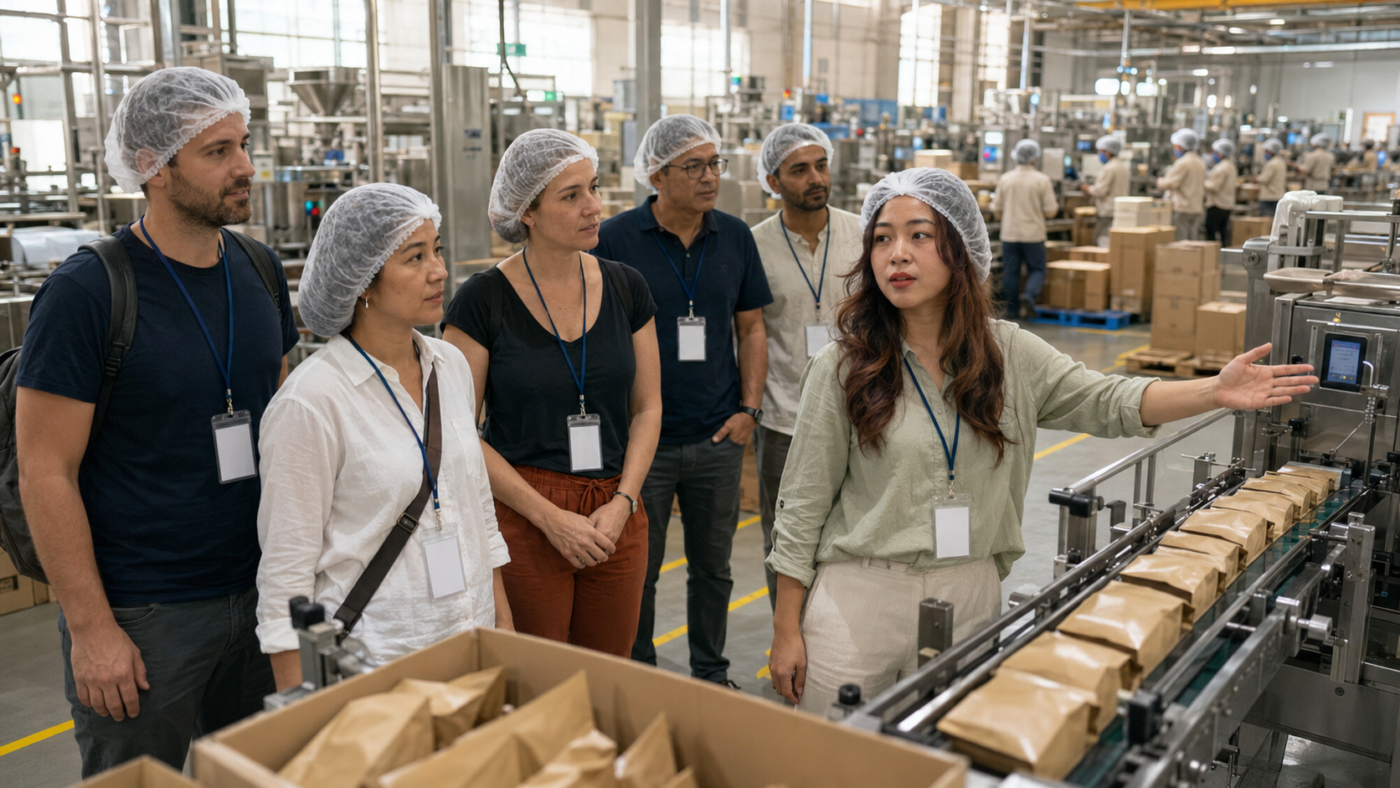
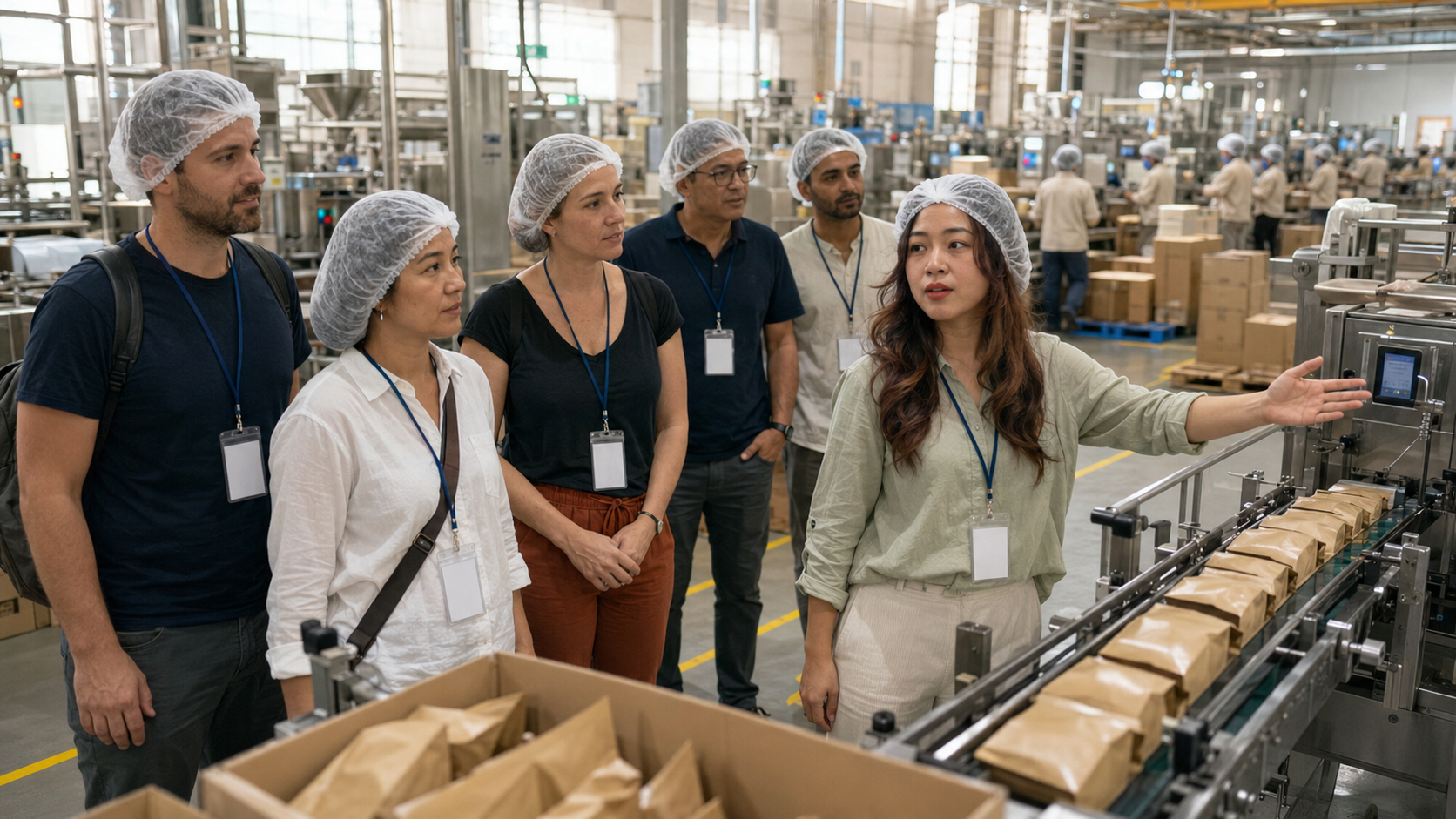
Roasted coffee requires packaging that protects against oxygen, moisture, and light — the three main factors that cause staling. The standard solution is a foil or laminated packaging material with a one-way valve that allows carbon dioxide (a natural byproduct of fresh roasted coffee) to escape without letting oxygen in. This type of packaging is common across whole bean and ground coffee products at a range of price points.
Buyers sourcing roasted coffee for retail should discuss with the supplier what packaging formats are available — bag weights, zipper re-seal options, valve placement, and printing capability. Some Vietnamese suppliers can print custom labels directly on packaging (white label or private label), while others supply in plain bags or bags with a producer’s own brand. Clarifying this early avoids later complications around labelling requirements and shelf-ready presentation.
Ground coffee degasses more quickly than whole beans and is more susceptible to staling. Where ground coffee is being exported to a distant market with a long supply chain, buyers should discuss the roasting date and the expected shelf life with the supplier, and specify their packaging requirements clearly in the purchase order. Shelf life documentation is often required by retailers and may need to be included in the product labelling.
Instant Coffee Packaging
Instant coffee is typically packaged in stick packs, sachets, jars, or bulk pouches depending on the product format and intended market. Stick packs (single-serve format) are common for 3-in-1 and flavoured instant coffee blends that are sold retail in Southeast Asian markets. Bulk jars or foil pouches are more common for wholesale supply to food service, hotels, or contract packagers.
For buyers sourcing instant coffee under a private label arrangement, packaging options depend on the supplier’s capabilities. Some Vietnamese instant coffee manufacturers can supply with custom-printed packaging; others supply in plain packaging that the buyer labels themselves. Buyers should confirm the supplier’s minimum order quantity per SKU, the lead time for custom packaging, and whether pre-production samples of the packaging can be provided for approval before bulk production.
Private Label Packaging Considerations
For buyers who want to sell Vietnamese coffee under their own brand name, packaging becomes part of the product development conversation. This includes artwork files, label specifications, regulatory compliance text for the destination market (ingredients, net weight, allergy information, origin labelling, and barcode requirements), and approval of pre-production packaging samples before full production runs begin.
Buyers should allow adequate lead time for private label packaging — artwork approval, material procurement, and production scheduling can add several weeks to the timeline compared to sourcing in existing packaging. Including packaging approval as a formal step in the purchase order process, with a clear milestone for sign-off before production begins, reduces the risk of packaging errors on the final product.
Packaging Quality and Inspection
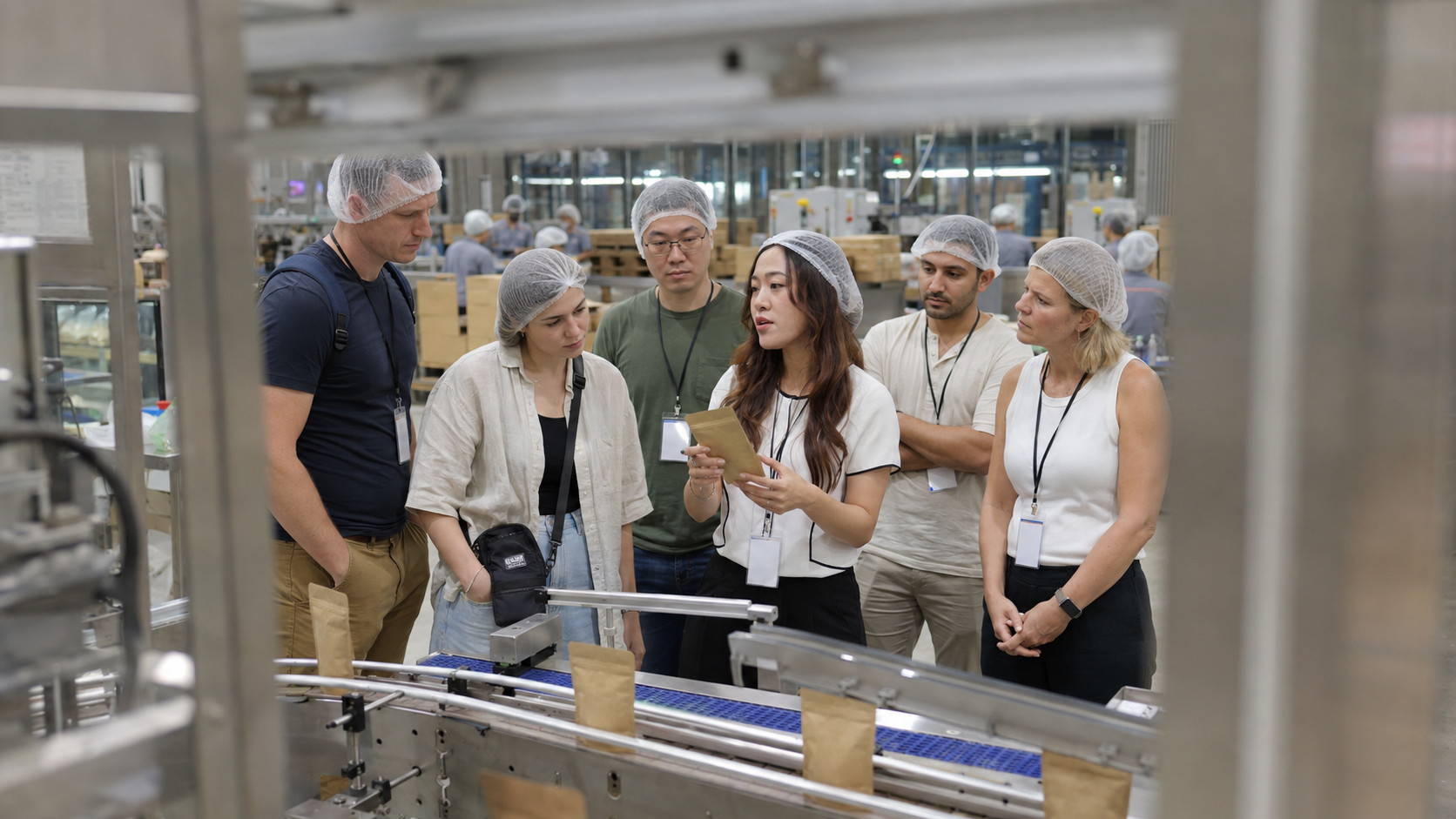
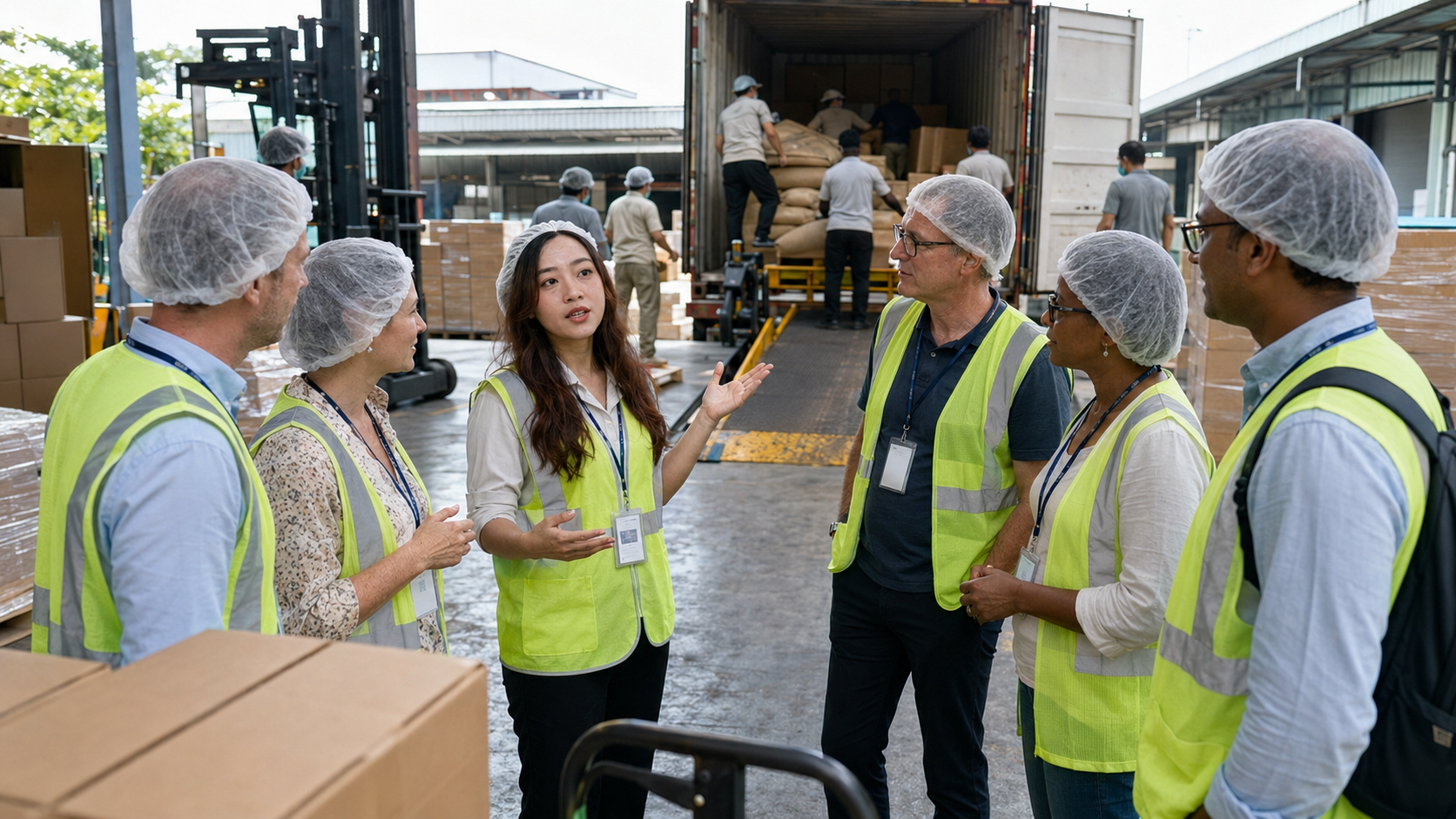
Whatever packaging format is agreed, buyers should include packaging requirements in their inspection brief. A pre-shipment inspection should verify that bags are undamaged, seals are intact, valves are properly installed on roasted coffee packaging, labels are correctly applied and match the approved artwork, and carton configuration and outer markings are consistent with the purchase order. Packaging issues found before loading can be corrected at the supplier’s facility; the same issues found at the destination create considerably more complexity.
Vietnam Biz Rep can include packaging verification as part of a pre-shipment inspection or quality inspection visit. The Vietnam coffee suppliers overview provides context on the types of suppliers and their typical product and packaging capabilities. For buyers who need a local representative to coordinate with the supplier on packaging specifications, the Vietnam sourcing agent service covers ongoing supplier communication. For buyers considering private label sourcing specifically, the Vietnam private label coffee manufacturers page covers that topic in more detail. To review what documentation should accompany a packaged coffee shipment, the Vietnam coffee export documents guide is a useful reference.
Bulk Export Packaging vs Retail-Ready Packaging
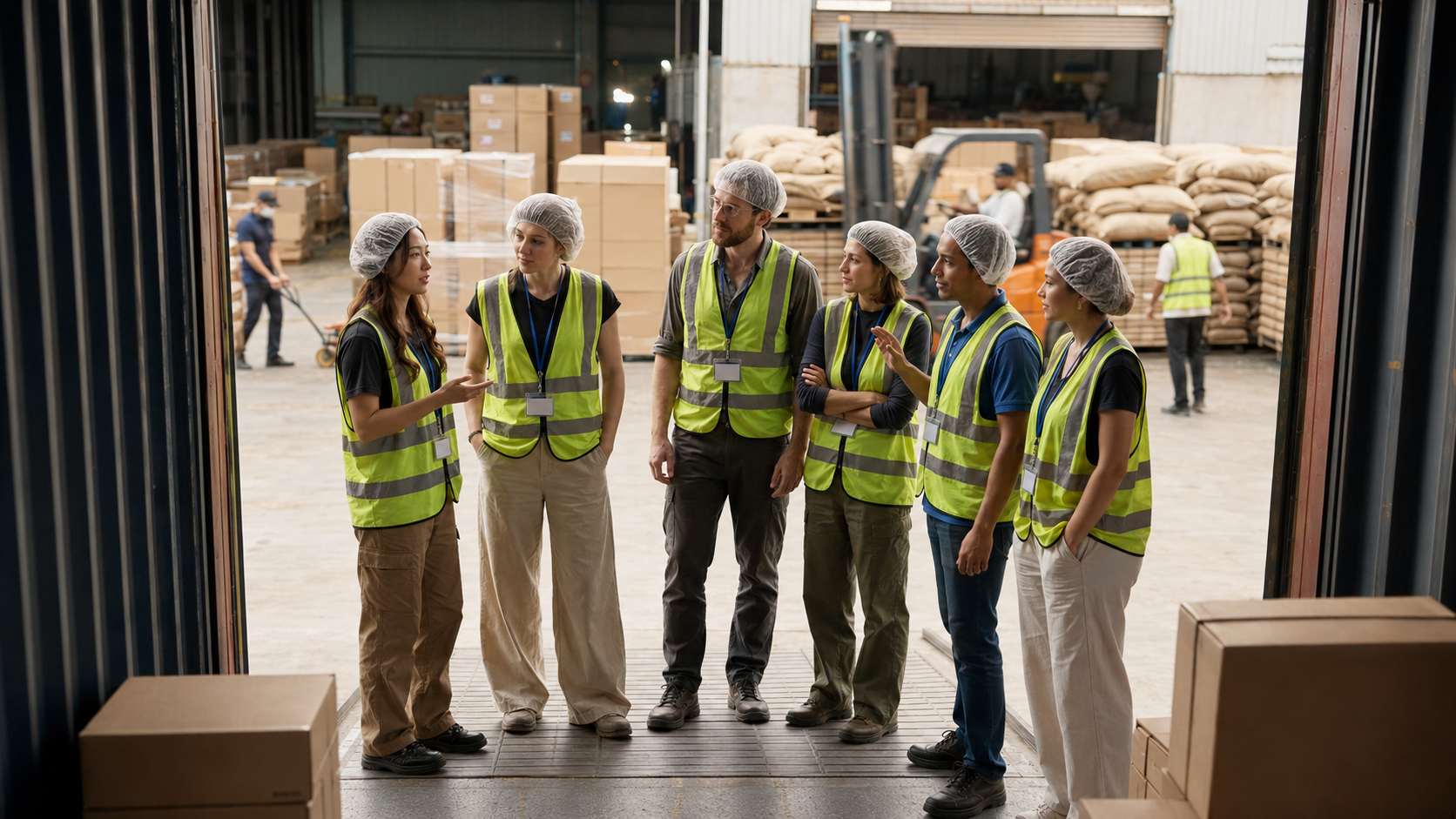
Buyers should be clear about whether they need packaging that is retail-ready for their destination market, or bulk packaging that they will repack or relabel at their end. Retail-ready packaging must comply with the labelling and presentation requirements of the specific destination market — including country-of-origin declarations, net weight markings, allergen information, barcode formats, and in some markets, language requirements on the label. Bulk packaging for repacking does not need to meet retail presentation standards but must be sufficient to protect the product through transit.
Suppliers in Vietnam vary in their capability to supply in retail-ready format for overseas markets. Some have experience producing for specific export markets and understand the local requirements; others primarily supply in bulk or in packaging formatted for the domestic market. Buyers should clarify their packaging end-use with the supplier early in the sourcing conversation and confirm that the supplier has the capability to meet destination market labelling requirements, or agree that labelling will be handled by the buyer or a local packer at the destination.
For buyers who want a local representative to review packaging specifications with the supplier and coordinate approval of pre-production samples, the coffee sourcing agent service covers this type of ongoing liaison. For a checklist-based review of packaging before a shipment departs, the pre-shipment inspection page covers the inspection process in detail.
Frequently Asked Questions
Can Vietnamese suppliers provide custom-printed packaging for export orders?
Many Vietnamese coffee suppliers and manufacturers offer custom-printed packaging for buyers sourcing under a private label arrangement. Capability varies by supplier — some have in-house printing and lamination, while others work with external packaging suppliers. Minimum order quantities for custom packaging vary. Buyers should confirm the supplier’s artwork specifications and lead time for custom packaging as part of the sourcing discussion.
What information must appear on coffee packaging for export?
Requirements vary by destination market. Common requirements include product name, net weight, country of origin, importer or exporter details, lot or batch reference, and a best-before or expiry indication. Some markets require additional information such as ingredient lists, allergen declarations, barcodes, or specific food safety certifications. Buyers should confirm labelling requirements with their customs broker or legal advisor for the specific destination market.
How does packaging affect coffee shelf life during export?
Packaging is a major factor in shelf life. Roasted coffee in one-way valve foil packaging typically maintains reasonable quality for longer than coffee in non-valve bags or insufficiently sealed packaging. Green beans in hermetic liner bags maintain quality longer than those exposed to ambient air and moisture during a long ocean voyage. Buyers should discuss expected shelf life requirements with the supplier and ensure packaging specifications are adequate for the transit time and storage conditions the product will experience.
What is the typical minimum order quantity for packaged coffee from Vietnam?
Minimum order quantities vary widely depending on the product type, packaging format, and whether custom packaging is involved. There is no single industry standard. Buyers should discuss MOQ directly with potential suppliers based on their specific product and packaging requirements. Trial orders at lower quantities may be possible with some suppliers, though at different pricing or packaging conditions.
To discuss packaging options and requirements for your coffee sourcing project in Vietnam, contact Vietnam Biz Rep with your product type, target market, and any specific packaging requirements you are working with.
