

A well-structured clothing production contract is paramount for any successful garment manufacturing operation in Vietnam, safeguarding both the manufacturer and the client. Navigating the complexities of international trade law, specifying product specifications, and outlining clear payment terms are critical components. This article delves into the essential elements of a robust agreement, offering insights into mitigating production delays, addressing quality control issues, and establishing effective dispute resolution mechanisms. We will also explore crucial aspects like intellectual property protection and ensuring compliance with ethical sourcing standards, providing a practical guide for both established players and newcomers in the Vietnamese garment manufacturers landscape. Understanding these nuances is key to forging long-term, mutually beneficial partnerships in the dynamic world of clothing production.
What is a Clothing Production Contract and Why is it Important in Vietnam?
A clothing production contract is a legally binding agreement between a buyer (e.g., a clothing brand or retailer) and a manufacturer (e.g., a garment factory in Vietnam) that outlines the terms and conditions for producing a specific quantity of clothing items. This agreement serves as the cornerstone of any successful manufacturing relationship, providing clarity and protection for both parties involved in the garment manufacturing process.
For businesses looking to manufacture clothing in Vietnam, a clothing production contract is absolutely essential due to several key factors:
- Clarity and Protection: The contract clearly defines the scope of work, including product specifications (materials, measurements, colors, etc.), production timelines, quality standards, and pricing. This minimizes misunderstandings and potential disputes, protecting both overseas buyers and the Vietnamese manufacturer.
- Production Model Clarity: Contracts should also state whether the factory operates under a CMT production model (buyer supplies materials, factory handles cut-make-trim) or a full-package model, since this affects cost, liability, and quality-control responsibilities.
- Legal Recourse: In the event of a breach of contract – for example, if the factory fails to deliver the goods on time or if the quality is substandard – the contract provides a legal framework for resolving the issue. Without a contract, pursuing legal action can be significantly more difficult and costly.
- Intellectual Property Protection: Vietnam, like many manufacturing hubs, presents risks of intellectual property theft. A well-drafted contract includes clauses that specifically protect your designs, patterns, and trademarks, preventing the factory from producing and selling your designs to others.
- Quality Assurance: The contract details the acceptable quality levels (AQL) and inspection procedures, ensuring that the manufactured goods meet your expectations. This is crucial for maintaining brand reputation and customer satisfaction.
- Financial Security: The contract specifies payment terms, including deposit amounts, payment schedules, and currency exchange rates. This helps mitigate financial risks associated with currency fluctuations and potential non-payment.
- Risk Management: By addressing potential issues such as force majeure (unforeseeable circumstances) and termination clauses, the contract helps to allocate risks fairly between the buyer and the manufacturer.
Vietnam’s garment industry is a significant contributor to the country’s economy, accounting for a substantial portion of its exports. According to the General Statistics Office of Vietnam, the textile and garment industry’s export value reached over $40 billion in 2022. Given the scale of operations and the complexities of international trade, a robust clothing production contract is not just a formality; it’s a necessity for ensuring smooth, reliable, and profitable manufacturing partnerships in Vietnam.
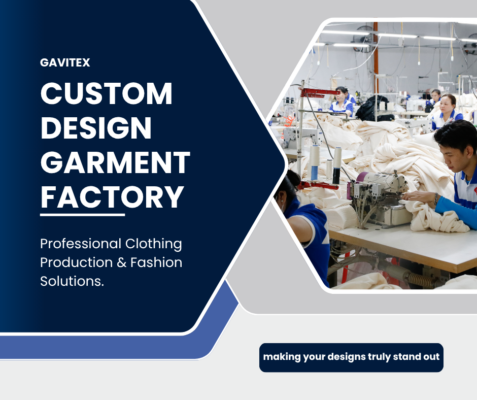
Navigating the complexities of apparel sourcing in Vietnam? Learn how a solid clothing production contract can safeguard your investments.
Key Clauses to Include in Your Vietnam Clothing Production Contract: Protecting Your Interests
A well-structured clothing production contract is crucial for safeguarding your interests when manufacturing garments in Vietnam; therefore, understanding the key clauses to include is paramount. This section will dissect the essential provisions that brand overseas buyers (or any clothing business) needs to incorporate into their contractual agreements to ensure a smooth and secure manufacturing process.
Several critical clauses can fortify your position and mitigate potential risks:
-
Detailed Product Specifications: The contract must have an explicit and detailed description of the clothing products you intend to manufacture. This includes specifications regarding fabric type, color, measurements, stitching standards, labeling requirements, and packaging. Clear specifications reduce ambiguity and help prevent disputes over product quality.
-
Quality Control and Inspection Procedures: Clearly outline the quality control and inspection protocols that the Vietnamese factory must adhere to. This should include the frequency of inspections, the stages at which inspections will occur (e.g., raw materials, during production, pre-shipment), and the acceptable quality levels (AQL). For example, specify that overseas buyers (or a third-party inspector) has the right to conduct inspections at any stage of production.
-
Intellectual Property Protection: This clause is vital to safeguard your designs and brand identity. It should clearly state that all designs, trademarks, and other intellectual property belong to you, and the factory is prohibited from using them for any purpose other than fulfilling the contract. The contract should also include provisions for confidentiality and non-disclosure agreements (NDAs) to prevent the factory from sharing your designs with competitors.
-
Delivery Schedules and Penalties for Delays: Clearly define the delivery schedule, including the dates for commencement of production, intermediate milestones, and the final delivery date. Stipulate penalties for delays, such as reduced payment or the right to terminate the contract if delays exceed a specified period.
-
Payment Terms and Currency: Clearly state the agreed-upon payment terms, including the payment schedule (e.g., upfront deposit, payments upon achieving milestones, final payment upon delivery), the currency of payment, and the method of payment. It’s essential to factor in potential currency fluctuations and include a clause addressing how these fluctuations will be handled. For example, consider fixing the exchange rate or using a hedging strategy to mitigate currency risk.
-
Compliance with Laws and Ethical Standards: Include a clause requiring the Vietnamese factory to comply with all applicable local laws and regulations, including labor laws, environmental regulations, and safety standards. Also, incorporate ethical sourcing requirements, ensuring that the factory adheres to fair labor practices and does not engage in child labor or other unethical practices.
-
Termination Clause: Define the conditions under which either party can terminate the contract, such as breach of contract, insolvency, or force majeure events. Specify the procedures for termination, including the required notice period and any compensation or penalties payable upon termination.
By meticulously including these key clauses in your clothing production contract, overseas buyers and other clothing brands can significantly minimize risks and create a solid foundation for successful garment manufacturing in Vietnam.
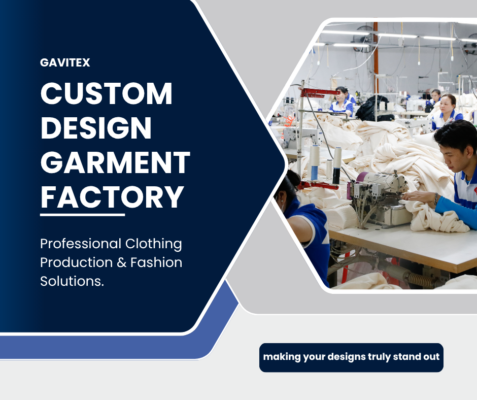
Legal Considerations and Compliance for Clothing Manufacturing Contracts in Vietnam: A Detailed Guide
Navigating the legal landscape and ensuring compliance are paramount when establishing clothing manufacturing contracts in Vietnam; this detailed guide elucidates the crucial aspects to consider. Understanding and adhering to Vietnamese regulations safeguards your investment and fosters a smooth production process. This section delves into the essential legal frameworks governing garment production agreements, offering insights into labor laws, intellectual property rights, customs regulations, and other pertinent compliance matters.
Successfully navigating Vietnamese law requires careful attention to several key areas. Firstly, it’s crucial to understand Vietnam’s labor laws, which stipulate regulations regarding working hours, wages, and employee benefits. Non-compliance can lead to significant penalties and legal disputes. Secondly, safeguarding your intellectual property (IP) is paramount; this involves registering trademarks and patents in Vietnam and incorporating strong IP protection clauses within your clothing production contract. Lastly, adhering to import and export regulations, including customs duties and documentation requirements, is essential for seamless international trade.
One of the primary legal considerations revolves around accurately defining the scope of work within your garment manufacturing agreement. A clearly defined scope minimizes ambiguities and potential disputes. For instance, the contract should explicitly detail the types of garments to be produced, the quality standards expected, and the delivery timelines agreed upon. Furthermore, specifying the governing law and dispute resolution mechanism within the contract provides a framework for addressing potential disagreements. The most common approaches for resolving disputes include negotiation, mediation, arbitration, and litigation through the Vietnamese court system.
Compliance with Vietnamese labor law is non-negotiable. Your contract should mandate that the manufacturer adheres to all relevant labor regulations, including providing fair wages, safe working conditions, and appropriate benefits to their employees. This may involve conducting regular audits to ensure compliance and incorporating clauses that allow you to terminate the contract if labor law violations are discovered. overseas buyers prioritize ethical sourcing and ensure that all its manufacturing partners adhere to the highest standards of labor practices.
Protecting your intellectual property rights (IPR) is essential for maintaining a competitive advantage in the clothing industry. Your clothing production contract should include robust clauses that clearly define ownership of designs, trademarks, and other IP. Registering your IP in Vietnam offers further protection against infringement. Moreover, implementing measures to prevent the manufacturer from sharing your designs with competitors is crucial.
Finally, navigating customs and import/export regulations is integral to the success of your clothing production venture in Vietnam. Ensure that your contract outlines the responsibilities of each party regarding customs clearance, documentation, and payment of duties and taxes. Engaging a local customs broker can help streamline the process and ensure compliance with all applicable regulations. By understanding and adhering to these legal considerations and compliance requirements, you can mitigate risks and foster a successful and sustainable manufacturing partnership in Vietnam.
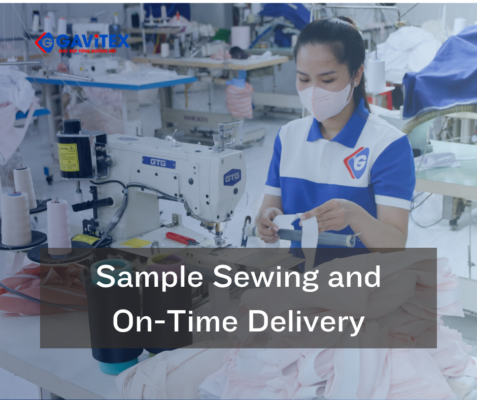
Need a comprehensive understanding of the legal aspects of apparel manufacturing contracts in Vietnam? Explore the essential legal considerations and compliance requirements.
Navigating Payment Terms, Currency Fluctuations, and Financial Risks in Clothing Contracts with Vietnamese Factories
Successfully managing payment terms, navigating currency fluctuations, and mitigating financial risks are critical aspects of any clothing production contract with Vietnamese factories. Understanding these elements is essential for overseas buyers and other businesses to protect their profitability and ensure smooth operations when sourcing garments from Vietnam. These factors directly impact the financial viability of your clothing manufacturing ventures in this dynamic market.
One of the initial steps is to meticulously negotiate payment terms within the clothing production agreement. It’s common practice to structure payments into installments – a deposit to initiate production, a progress payment upon reaching certain milestones (e.g., fabric procurement, cutting), and the final payment upon completion and inspection. Securing favorable terms such as a lower initial deposit, extended payment deadlines (e.g., Net 30 or Net 60 days), or milestone-based payments can significantly improve your cash flow. For instance, a contract might specify a 30% deposit, 40% upon completion of the cutting phase, and the remaining 30% after final inspection and shipment.
Currency fluctuation poses another significant financial risk when dealing with international clothing production. The Vietnamese Dong (VND) is subject to exchange rate volatility against major currencies like the US Dollar (USD) or Euro (EUR). To mitigate this, consider incorporating clauses into your contract that address currency risks. Some common strategies include:
- Specifying the payment currency: Clearly define the currency in which payments will be made (e.g., USD) to avoid ambiguity.
- Setting a fixed exchange rate: Negotiate a fixed exchange rate with the factory for the duration of the contract. This provides certainty but may require careful calculation and potential risk sharing.
- Using forward contracts: Enter into forward contracts with your bank to lock in a future exchange rate for the agreed-upon amount, providing protection against adverse currency movements.
- Sharing currency risk: Agree on a mechanism to share the impact of significant currency fluctuations, such as a price adjustment clause triggered when the exchange rate moves beyond a pre-defined threshold.
Beyond currency risks, other financial risks associated with clothing manufacturing contracts in Vietnam warrant careful consideration. These include the risk of factory insolvency, delays in production, or non-compliance with quality standards. To minimize these risks:
- Conduct thorough due diligence: Evaluate the financial stability and reputation of the Vietnamese garment manufacturers before entering into any agreements.
- Obtain credit insurance: Consider purchasing credit insurance to protect against losses due to factory insolvency or non-payment.
- Establish clear quality control procedures: Implement robust quality control measures throughout the production process to minimize the risk of defective goods and associated financial losses.
- Include penalty clauses: Incorporate penalty clauses into the contract to address delays in production or failure to meet quality standards.
- Require performance bonds or guarantees: Ask the factory to provide a performance bond or guarantee to ensure they fulfill their contractual obligations.
By proactively addressing these payment terms, currency fluctuations, and financial risks in your clothing production contracts, overseas buyers can safeguard its investments and foster mutually beneficial relationships with Vietnamese garment manufacturers.
Struggling to manage payment terms and financial risks in your clothing contracts with Vietnamese factories? Learn how to navigate these challenges and secure your business.
Quality Control, Inspection, and Dispute Resolution in Vietnam Clothing Production Contracts: Ensuring Standards and Addressing Issues
Ensuring the quality of your garment production and addressing potential issues requires robust quality control, thorough inspection processes, and clear mechanisms for dispute resolution within your clothing production contract in Vietnam. A well-defined contract acts as a safeguard, minimizing risks and ensuring that the final product meets your expectations and standards. Establishing these parameters within the agreement helps foster a transparent and mutually beneficial relationship with your Vietnamese garment manufacturers.
Implementing a comprehensive quality control system, detailed within the contract, is crucial for maintaining desired standards. This system should clearly define acceptable quality levels (AQL), outlining the number of defects permissible per batch. For instance, a common AQL for major defects in garments is 2.5%, meaning that no more than 2.5% of the garments in a batch can have major flaws. The contract should also specify the quality control procedures, including stages where inspections will occur, such as during initial production, mid-production, and final inspection.
Independent inspection agencies play a vital role in verifying that the manufacturer adheres to the agreed-upon quality standards. The contract should explicitly state who bears the responsibility for hiring and paying for these inspections. Specifying the inspection process—including which tests will be conducted (e.g., fabric weight, colorfastness, seam strength)—is essential. Furthermore, the contract needs to cover what happens if inspections reveal substandard production; whether rework, price reduction, or rejection of the goods is required.
A clearly defined dispute resolution mechanism is a crucial component of any clothing production contract. The contract should outline the steps to be taken if disagreements arise regarding quality, delivery schedules, or payment terms. Starting with a process of negotiation or mediation before resorting to formal legal action is often recommended. Specifying the governing law (e.g., Vietnamese law or international commercial law) and the jurisdiction where disputes will be resolved is also vital, ensuring clarity and predictability in case of litigation. For example, many contracts stipulate arbitration in a neutral location, such as Singapore, under the rules of the Singapore International Arbitration Centre (SIAC).
For overseas buyers, integrating these clauses into your clothing production contracts will protect your brand reputation and secure a consistent supply of high-quality garments from Vietnamese factories.
Worried about maintaining quality standards in your Vietnam clothing production? Find out how contracts can ensure quality control and resolve potential disputes.
Force Majeure, Termination, and Liability: Understanding Your Rights and Responsibilities in Vietnamese Clothing Contracts
Navigating the complexities of clothing production contracts in Vietnam requires a thorough understanding of clauses related to force majeure, termination rights, and liability limitations. These provisions dictate how unforeseen events, contract breaches, and potential damages are handled, protecting your interests as a buyer and defining the responsibilities of the Vietnamese garment manufacturer. A well-drafted contract clearly outlining these aspects is crucial for mitigating risks and ensuring a smooth production process.
Force majeure clauses are essential components of any clothing manufacturing contract in Vietnam, safeguarding parties from liability when extraordinary events prevent contract fulfillment. Typically, a force majeure event includes unforeseen circumstances beyond reasonable control, such as natural disasters (floods, earthquakes), war, political instability, strikes, pandemics, or governmental regulations. In the context of garment production, a force majeure event could be a factory closure due to a government-mandated lockdown or a sudden disruption in the supply chain caused by a natural disaster, thus impacting the manufacturer’s ability to deliver goods on time. A clearly defined force majeure clause should outline the notification process, the duration of the excusable delay, and the potential for contract termination if the force majeure event persists beyond a specified timeframe.
Termination clauses in Vietnamese clothing contracts specify the conditions under which either party can legally end the agreement. Common grounds for termination include material breach of contract (e.g., consistent failure to meet quality standards or delivery deadlines), insolvency of either party, or a prolonged force majeure event. It’s critical to define what constitutes a material breach with specific, measurable criteria. For instance, a clause might state that a delivery delay exceeding 30 days constitutes a material breach. The clause should also detail the notice period required before termination takes effect and any termination penalties or compensation owed to the non-breaching party. A well-defined termination clause provides a clear exit strategy and protects against potential losses resulting from a failing business relationship.
Liability clauses define the extent to which each party is responsible for damages or losses arising from the clothing production agreement. These clauses often include limitations on the types of damages that can be claimed (e.g., excluding consequential damages like lost profits) and monetary caps on liability. For example, a contract might limit the manufacturer’s liability for defective goods to the cost of replacing or repairing the defective items. It’s important to carefully consider the scope of these limitations and ensure they are reasonable and enforceable under Vietnamese law. Additionally, indemnity clauses should be included, requiring one party to protect the other from certain types of claims or liabilities, such as those arising from intellectual property infringement or product liability.
By carefully addressing force majeure, termination, and liability within your clothing production contract with Vietnamese factories, businesses like overseas buyers can proactively manage risks, protect their investments, and establish a clear framework for resolving potential disputes.
Best Practices for Building Strong Relationships with Vietnamese Garment Manufacturers Through Contractual Agreements
Building robust and mutually beneficial relationships with Vietnamese garment manufacturers is crucial for sustained success in the clothing industry. A well-structured clothing production contract serves as the foundation for a strong partnership, providing clarity, outlining expectations, and mitigating potential disputes. Beyond the legal jargon, these agreements offer an opportunity to foster trust and open communication, ultimately leading to enhanced collaboration and improved business outcomes for overseas buyers.
Creating a positive and productive working relationship with Vietnamese garment factories goes beyond simply signing a contract. By viewing the agreement as a tool for establishing clear communication and shared goals, you can lay the groundwork for a thriving partnership. Here are some best practices to consider:
-
Prioritize Clear and Open Communication: The contractual agreement should not be a one-time event but rather the beginning of an ongoing dialogue. Regular communication, prompt responses to queries, and transparent information sharing are vital for building trust and preventing misunderstandings. For instance, clarify any ambiguities in the clothing production contract promptly and ensure all parties understand their roles and responsibilities.
-
Demonstrate Cultural Sensitivity and Respect: Understanding and respecting Vietnamese business culture can significantly enhance your relationships with manufacturers. This includes being mindful of communication styles, customs, and holidays. Showing genuine interest in their culture and building rapport can go a long way in establishing a strong connection.
-
Emphasize Fair and Ethical Practices: Building a sustainable relationship relies on ethical sourcing and responsible manufacturing. Your clothing production contract should reflect fair labor practices, environmental responsibility, and commitment to quality. This includes adhering to Vietnamese labor laws and international standards, ensuring safe working conditions, and promoting fair wages for workers.
-
Offer Collaborative Problem-Solving: Disputes are inevitable in any business relationship. However, approaching them with a collaborative problem-solving mindset can strengthen your partnership. Establish a clear dispute resolution mechanism in your clothing production contract and commit to finding mutually agreeable solutions. This may involve mediation, negotiation, or other alternative dispute resolution methods.
-
Recognize and Reward Performance: Acknowledging and rewarding good performance can foster motivation and loyalty. Consider incorporating performance-based incentives into your contractual agreement, such as bonuses for meeting deadlines, exceeding quality standards, or implementing innovative solutions. This demonstrates your appreciation for their efforts and encourages continued excellence.
-
Invest in Long-Term Partnerships: Building strong relationships takes time and effort. Rather than focusing solely on short-term gains, invest in long-term partnerships with Vietnamese garment manufacturers. This includes providing them with consistent business, offering training and support, and collaborating on new product development. By fostering a sense of shared success, you can create a mutually beneficial and sustainable relationship. For overseas buyers, this can lead to increased efficiency, improved quality, and enhanced innovation.
Vietnam Biz Rep supports overseas buyers with garment supplier search, factory verification, sample coordination, production follow-up, and quality inspection in Vietnam. Learn more on our clothing sourcing agent page, or visit Vietnam sourcing agent for our full range of services. Contact Vietnam Biz Rep to discuss your sourcing requirements.
