
Securing reliable clothing production companies is paramount for businesses aiming for consistent quality and efficient supply chains in 2025. This guide provides a data-driven overview of the leading garment manufacturers in Vietnam, exploring their capabilities, specializations (like custom clothing manufacturing and private label clothing), and commitment to sustainable clothing production. We’ll delve into crucial factors such as minimum order quantity (MOQ), factory certifications, production capacity, and sourcing ethical manufacturers, equipping you with the insights needed to make informed decisions and optimize your apparel sourcing strategy.
Finding the Right Clothing Production Partner in Vietnam: A Comprehensive Guide
Navigating the Vietnamese garment industry to find the right clothing production partner can be a daunting task, but with the right knowledge and approach, businesses can unlock significant benefits. This comprehensive guide aims to equip you with the essential information and strategies for successfully sourcing clothing manufacturers in Vietnam, ensuring a fruitful and long-lasting partnership. By understanding the nuances of the Vietnamese market and carefully evaluating potential partners, businesses can optimize their production processes, reduce costs, and maintain high-quality standards.
Vietnam has emerged as a global hub for garment production, attracting businesses worldwide with its competitive pricing, skilled workforce, and strategic location. However, the sheer number of clothing production companies operating within the country can make selecting the ideal partner challenging. This guide provides a structured framework for assessing potential collaborators, covering key factors such as production capabilities, quality control measures, ethical practices, and communication protocols.
Choosing the appropriate production partner is crucial for the success of any apparel brand. Vietnam offers various types of manufacturers, each specializing in different production models, including Cut-Make-Trim (CMT), Original Equipment Manufacturing (OEM), Original Design Manufacturing (ODM), and Full-Package Production. This necessitates a thorough understanding of your specific needs and the capabilities of each manufacturer type to ensure a perfect match.
A strategic decision to manufacture clothing in Vietnam necessitates a comprehensive understanding of the nation’s legal and regulatory environment. This includes navigating business registration and licensing prerequisites, import/export regulations, labor regulations, and intellectual property safeguards. Failing to comply with these regulations can lead to significant legal and financial repercussions.
Ethical considerations are paramount when sourcing clothing from Vietnam. Ensuring fair wages, safe working conditions, and sustainable practices throughout the supply chain is not only morally imperative but also crucial for maintaining a positive brand image and meeting consumer expectations. Conducting thorough audits and certifications is essential for validating ethical production practices.
Ultimately, finding the right clothing production partner in Vietnam is a strategic investment that can significantly impact your business’s bottom line and long-term success. This comprehensive guide serves as your roadmap to navigating the complexities of the Vietnamese garment industry and establishing a mutually beneficial partnership with a reputable and reliable manufacturer.
Key Factors to Consider When Choosing Clothing Production Companies
Selecting the right clothing production partner is a critical decision that can significantly impact the success of your brand. Beyond simply finding clothing production companies in Vietnam, it’s about identifying a partner whose capabilities, values, and operational practices align with your specific needs and long-term goals. A well-informed decision during this process ensures product quality, efficient production timelines, and a mutually beneficial business relationship.
Before committing to any clothing manufacturer, several key factors warrant careful consideration. These factors encompass not only the tangible aspects of production, like capacity and cost, but also the intangible elements of communication, ethical practices, and cultural understanding. Analyzing these elements in detail helps ensure a smooth, successful collaboration.
- Minimum Order Quantity (MOQ) and Scalability: Understanding the minimum order quantity requirements of a potential partner is essential, particularly for startups or brands with varying order volumes. Can they accommodate your current needs and scale with your business as it grows? Evaluate their ability to handle both smaller, initial orders and larger, future production runs.
- Production Capacity and Lead Times: Assess whether the manufacturer’s production capacity aligns with your demand. Inquire about their typical lead times for different types of garments and order sizes. Delays in production can negatively impact your supply chain and customer satisfaction.
- Quality Control Processes and Certifications: Rigorous quality control processes are paramount. A reputable manufacturer should have established procedures for inspecting materials, monitoring production, and ensuring the final product meets your standards. Look for relevant certifications, such as ISO 9001, which demonstrate a commitment to quality management.
- Communication and Cultural Understanding: Effective communication is key to a successful partnership. Can the manufacturer communicate clearly in your preferred language? Are they responsive to your inquiries and concerns? Understanding cultural differences can also prevent misunderstandings and foster a more collaborative working relationship.
- Ethical and Sustainable Practices: Consumers are increasingly conscious of the ethical and sustainable practices of the brands they support. Partner with a manufacturer who shares your values and demonstrates a commitment to fair labor practices, environmental responsibility, and supply chain transparency. Seek certifications like WRAP or Fair Trade to validate their claims.
By carefully evaluating these key factors, businesses can make informed decisions when selecting clothing production companies, ultimately leading to stronger partnerships and greater success in the competitive apparel market.
Learn more about essential apparel manufacturing services to consider when selecting a clothing production partner.
Top Clothing Production Company Types in Vietnam: Which is Right for You?
Navigating the vibrant landscape of clothing production companies in Vietnam requires understanding the distinct types of manufacturers available. Choosing the right partner is crucial for your brand’s success, and this section provides a comprehensive overview of the main categories, helping you determine which model aligns best with your specific needs and resources. From handling just the Cut-Make-Trim process to managing the entire production lifecycle with Full-Package Production, Vietnam offers diverse solutions tailored to varying levels of involvement and expertise.
Understanding the nuances of each type of clothing manufacturer is essential for making an informed decision. Let’s examine the advantages and disadvantages of each to help you decide the right for you:
-
Cut-Make-Trim (CMT) Manufacturers: CMT manufacturers are ideal if you have a detailed design, source your own fabrics and trims, and simply need a factory to cut the fabric, sew the garments, and trim any excess threads. This option gives you maximum control over materials and design, but requires more involvement in sourcing and quality control. CMT arrangements are particularly beneficial for brands with established supply chains and in-depth technical knowledge of garment construction.
-
Original Equipment Manufacturing (OEM): OEM goes a step further than CMT. With OEM, the manufacturer handles the production process and sources fabrics based on your specifications. You still retain the design and technical specifications, but the OEM manufacturer manages the sourcing and production, offering a balance between control and convenience. For example, a clothing company might provide the design and fabric specifications, and the OEM manufacturer will then source the fabric, cut, sew, and finish the garments.
-
Original Design Manufacturing (ODM): ODM offers a more comprehensive solution, where the manufacturer provides both the design and production. ODM is suitable for brands looking for readymade designs or wanting to adapt existing designs to their brand. It’s a faster route to market compared to CMT or OEM, but offers less control over the original design. Many smaller fashion brands or startups opt for ODM to streamline the design and production process.
-
Full-Package Production: Full-package production is the most comprehensive service. It encompasses everything from design and sourcing to manufacturing, quality control, and even packaging. This is a good option if you want to outsource the entire production process and focus on sales and marketing. Full-package manufacturers provide a turnkey solution, handling all aspects of the clothing production, which is especially attractive for companies lacking in-house design or sourcing capabilities.
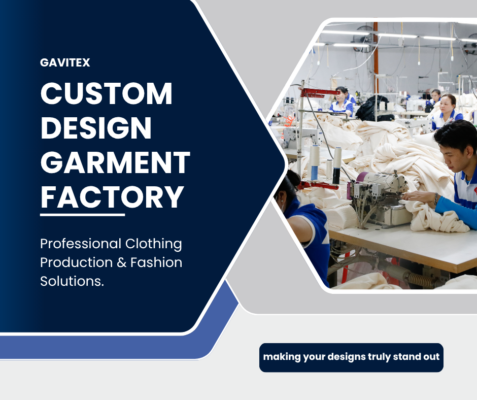
Discover the different apparel production service options in Vietnam and find the perfect fit for your brand.
In-Depth Analysis: Vietnam’s Competitive Advantages in Clothing Production
Vietnam has emerged as a global hub for clothing production, attracting numerous international brands and retailers. This success stems from a confluence of factors that contribute to its competitive advantages, making it an attractive destination for sourcing garments. This section will delve into the key elements that solidify Vietnam’s position as a leading player in the global apparel industry. The garment sector’s growth is further fueled by Vietnam’s strategic trade agreements and integration into the global supply chain.
Vietnam’s cost-effectiveness is a major draw for apparel brands, stemming from a combination of factors.
- Labor Costs: Vietnam boasts relatively low labor costs compared to other major manufacturing hubs like China. This allows clothing production companies to offer competitive pricing without compromising on quality.
- Material Sourcing: While some materials are imported, Vietnam has developed a robust domestic textile industry, providing access to a range of fabrics and accessories at competitive prices. The growing local support industry provides efficient material procurement, minimizing delays and costs associated with importing materials.
- Infrastructure Development: Significant investments in infrastructure, including ports, roads, and industrial zones, have streamlined logistics and reduced transportation costs, further enhancing the overall cost-effectiveness of Vietnamese clothing manufacturing.
The government policies and incentives play a crucial role in attracting foreign investment and fostering the growth of the garment industry in Vietnam. The Vietnamese government actively supports the garment sector through various initiatives:
- Tax Incentives: Preferential tax rates and exemptions are offered to foreign investors in the garment industry, reducing the overall cost of doing business. The creation of special economic zones with favorable tax policies has attracted significant foreign direct investment (FDI).
- Streamlined Regulations: The government has been working to simplify business registration and licensing procedures, making it easier for companies to set up operations in Vietnam. Reduced bureaucracy streamlines business operations, fostering a more attractive investment climate.
- Trade Agreements: Participation in numerous free trade agreements (FTAs) such as the Comprehensive and Progressive Agreement for Trans-Pacific Partnership (CPTPP) and the EU-Vietnam Free Trade Agreement (EVFTA) provides Vietnamese clothing manufacturers with preferential access to major global markets, reducing tariffs and boosting export competitiveness.
A readily available and skilled workforce is another key advantage for clothing production companies operating in Vietnam. The availability of skilled labor is a crucial factor that supports the quality and efficiency of production.
- Large Labor Pool: Vietnam has a large and young population, providing a substantial labor pool for the garment industry. This ensures that clothing manufacturers can readily find the workers they need to meet production demands.
- Vocational Training Programs: The government and private sector have invested in vocational training programs to equip workers with the skills needed for garment manufacturing, including sewing, cutting, and quality control. These programs improve the productivity and quality of the workforce, enhancing the competitiveness of Vietnamese clothing production.
- Experienced Management: A growing number of experienced managers and technicians are available to oversee production processes and ensure quality standards are met. The presence of qualified personnel in management roles ensures efficient operations and smooth communication within factories.
Vietnam’s strategic location offers significant advantages in terms of logistics and access to key markets. Its location in Southeast Asia offers easy access to major shipping lanes:
- Proximity to Key Markets: Vietnam is strategically located near major consumer markets like China, Japan, and South Korea, making it easier to export garments to these countries. Vietnamese manufacturers can quickly and efficiently ship goods to major markets in Asia and beyond.
- Well-Developed Ports: Vietnam has invested heavily in its port infrastructure, improving its ability to handle large volumes of cargo. Efficient ports minimize shipping times and costs, allowing clothing production companies to deliver goods to customers on time and at competitive prices.
- Access to Raw Materials: Vietnam’s location provides access to raw materials from neighboring countries, reducing reliance on distant suppliers. Easy access to key raw materials helps ensure stable supply chains and competitive pricing for clothing manufacturers.
These factors collectively position Vietnam as a highly competitive destination for clothing production, offering brands and retailers a compelling combination of cost-effectiveness, government support, skilled labor, and strategic location.
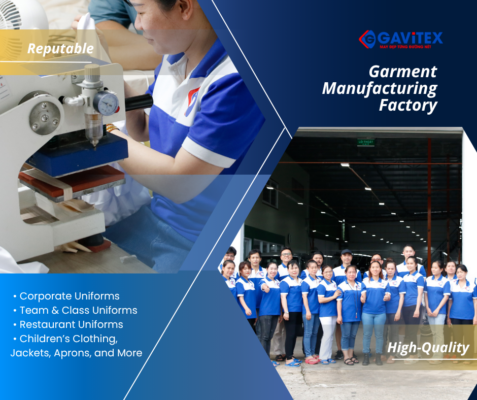
Navigating the Legal and Regulatory Landscape for Clothing Production in Vietnam
Understanding the legal and regulatory landscape is paramount for businesses venturing into clothing production in Vietnam. Navigating this complex terrain ensures compliance, minimizes risks, and fosters sustainable partnerships with clothing production companies. This section provides a comprehensive guide to the key legal and regulatory aspects, enabling businesses to make informed decisions and operate successfully within Vietnam’s garment industry.
Successfully establishing and operating clothing manufacturing facilities in Vietnam requires a thorough understanding of several critical areas. These include:
- Business registration and licensing procedures: From initial setup to ongoing compliance.
- Import/export regulations: Including tariffs, customs procedures, and free trade agreements.
- Vietnamese labor laws: Covering wages, working conditions, and social insurance.
- Intellectual property rights: Protecting designs and brands from infringement.
Business Registration and Licensing Requirements
Establishing a clothing production operation in Vietnam involves navigating a multi-step process of business registration and licensing. The initial step is choosing the appropriate legal structure, such as a Limited Liability Company (LLC) or a Joint Venture. Subsequently, businesses must obtain an Investment Registration Certificate (IRC) and an Enterprise Registration Certificate (ERC) from the relevant authorities. Furthermore, specific licenses may be required depending on the nature and scale of the clothing manufacturing activities. Understanding the intricacies of these requirements is crucial for a smooth and legally sound entry into the Vietnamese market.
Import/Export Regulations and Trade Agreements
Vietnam’s import/export regulations play a significant role in the cost-effectiveness of clothing production. These regulations dictate tariffs, customs procedures, and documentation requirements for importing raw materials and exporting finished goods. Furthermore, Vietnam’s participation in numerous trade agreements, such as the Comprehensive and Progressive Agreement for Trans-Pacific Partnership (CPTPP) and the EU-Vietnam Free Trade Agreement (EVFTA), offers preferential tariff rates and streamlined trade processes. Businesses should leverage these agreements to optimize their supply chains and enhance their competitiveness in the global market. Vietnam Biz Rep can help you navigate these complex regulations to ensure compliance and maximize your benefits.
Labor Laws and Compliance Standards
Compliance with Vietnamese labor laws is not only a legal obligation but also an ethical imperative for clothing production companies. These laws govern various aspects of employment, including minimum wages, working hours, overtime pay, social insurance, and workplace safety. Adhering to these standards ensures fair treatment of workers, promotes a positive work environment, and mitigates the risk of labor disputes. Brands partnering with clothing production companies in Vietnam must conduct thorough due diligence to ensure their partners are fully compliant with all applicable labor regulations.
Intellectual Property Protection
Intellectual property (IP) protection is a critical concern for brands outsourcing clothing production to Vietnam. Vietnam has made significant strides in strengthening its IP laws and enforcement mechanisms. Nevertheless, it’s essential for businesses to take proactive measures to protect their designs, trademarks, and other proprietary information. This includes registering IP rights in Vietnam, implementing robust confidentiality agreements with clothing production companies, and monitoring the market for potential infringement. Effective IP protection safeguards a brand’s competitive advantage and fosters trust in its manufacturing partnerships.
Understand the complexities of apparel sourcing in Vietnam’s legal and regulatory environment.
Ethical Considerations: Ensuring Fair Labor Practices and Sustainability in Vietnam’s Clothing Industry
In the context of global garment production, ethical considerations are paramount, especially when sourcing from clothing production companies in Vietnam. These considerations encompass both fair labor practices and sustainability, ensuring that business operations do not come at the expense of workers’ well-being or the environment. Vietnam’s clothing industry, a key player in the global supply chain, is increasingly under scrutiny to meet international standards for ethical and sustainable production. Meeting these standards is not only a moral imperative but also a crucial factor for brands seeking to maintain a positive reputation and attract conscious consumers.
Ensuring fair wages and working conditions is a fundamental aspect of ethical production. This includes paying garment workers a living wage that covers their basic needs, providing safe and healthy working environments, and respecting their rights to organize and bargain collectively. Factories should adhere to labor laws that prohibit child labor, forced labor, and discrimination, while also ensuring reasonable working hours and overtime compensation. Moreover, access to healthcare, social security, and other benefits contributes to the overall well-being of workers.
The environmental impact and sustainable materials used in clothing production are another critical ethical aspect. The garment industry is a significant polluter, consuming vast amounts of water, energy, and chemicals. Sustainable practices involve minimizing water usage, reducing carbon emissions, and using eco-friendly materials such as organic cotton, recycled polyester, and innovative fabrics derived from renewable resources. Brands and clothing production companies should also implement waste management strategies to reduce textile waste and promote circular economy initiatives.
Supply chain transparency and traceability are essential for verifying ethical and sustainable practices. Brands need to map their supply chains, from raw materials to finished products, to ensure that all suppliers adhere to ethical standards. Traceability systems can help identify potential risks of labor exploitation or environmental damage, enabling brands to take corrective action. Blockchain technology is increasingly being used to enhance supply chain transparency and provide consumers with information about the origin and production of their garments.
Certifications and audits serve as valuable tools for verifying ethical production practices. Independent organizations such as Fair Wear Foundation, Sedex, and WRAP conduct audits to assess factories’ compliance with labor and environmental standards. Certifications such as GOTS (Global Organic Textile Standard) and OEKO-TEX guarantee that garments are produced using sustainable materials and processes. Choosing clothing production companies with relevant certifications provides brands with assurance that their products are made ethically and sustainably. Partnering with manufacturers that embrace transparency and prioritize worker well-being is increasingly crucial for building a reputable and responsible brand within the global marketplace.
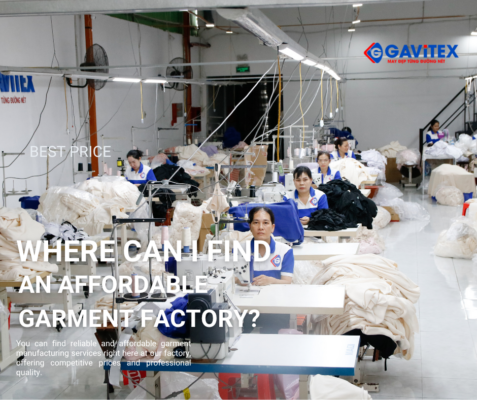
Learn more about ethical considerations and sustainability in Vietnamese apparel production.
Vietnam Clothing Production Costs and Payment Methods
Understanding Vietnam clothing production costs and associated payment methods is crucial for businesses seeking to manufacture apparel in this competitive market. This section provides an in-depth analysis of the key factors influencing production expenses and outlines the most common and suitable payment approaches for clothing production companies operating within Vietnam, ensuring transparency and informed decision-making.
Factors Affecting the Production Cost
Several elements contribute to the overall production cost of clothing in Vietnam, requiring careful evaluation by businesses aiming for cost-effective manufacturing.
- Labor costs: While Vietnam offers competitive labor rates compared to other countries, skill level, worker productivity, and compliance with labor laws significantly impact expenses. Factories with skilled workers and ethical labor practices may command higher prices.
- Material costs: The price of fabrics, trims, and accessories varies depending on quality, origin, and availability. Sourcing materials locally or importing them can influence cost. Working with manufacturers who have established relationships with reliable suppliers can help secure competitive rates.
- Production volume (MOQ): Minimum Order Quantities (MOQ) affect the per-unit cost. Larger orders typically result in lower prices due to economies of scale, while smaller orders often incur higher setup and material costs.
- Factory overhead: Operational expenses such as rent, utilities, machinery maintenance, and administrative costs are factored into the final price. Factories with modern facilities and efficient management systems may offer better value.
- Complexity of design: Intricate designs, complex sewing techniques, and specialized embellishments increase production time and require skilled labor, leading to higher costs. Simplifying designs or using standard production methods can reduce expenses.
- Quality control: Rigorous quality control processes, including inspections at various stages of production, add to the cost but are essential for ensuring product quality and minimizing defects.
- Shipping and logistics: Transportation costs from the factory to the port and subsequent international shipping expenses must be considered. Proximity to ports, efficient logistics, and trade agreements can affect these costs.
- Factory Compliance and certifications: Factories holding recognized certifications such as WRAP, BSCI, or Sedex often factor the cost of audits and compliance into their pricing. This assures brands of the factory’s commitment to ethical and sustainable practices.
The Most Common and Suitable Payment Methods
Selecting the appropriate payment methods is vital for establishing trust and facilitating smooth transactions with clothing manufacturers in Vietnam.
-
Letter of Credit (L/C): An L/C is a secure payment method where a bank guarantees payment to the manufacturer upon fulfilling the terms and conditions specified in the agreement. It is often preferred for large orders and new relationships.
-
Telegraphic Transfer (TT): TT involves direct bank transfers. Typically, an upfront deposit (e.g., 30%) is paid to the manufacturer upon order confirmation, with the remaining balance settled upon completion of production or shipment.
-
Escrow Services: Escrow services act as a neutral third party, holding funds until the buyer is satisfied with the goods and authorizes payment to the manufacturer. This approach provides security for both parties, particularly in initial transactions.
-
Cash Against Documents (CAD): Under CAD, the buyer makes payment to the bank after receiving shipping documents that prove the goods have been shipped. This payment method allows the buyer to verify the shipment before releasing funds.
-
Open Account: An open account arrangement involves the seller shipping goods to the buyer with payment due at a later date, typically within 30-90 days. This method requires a high level of trust and is usually reserved for established relationships.
It’s best practice to consult with financial professionals and legal experts to determine the most suitable payment terms for specific situations and to ensure compliance with Vietnamese regulations.
By carefully considering these payment options and production cost factors, businesses can effectively manage their clothing manufacturing projects in Vietnam and achieve optimal outcomes.
Get a detailed breakdown of apparel production costs and payment methods in Vietnam to optimize your budget.
How to Find and Vett Clothing Production Companies in Vietnam: A Step-by-Step Process
Finding reliable clothing manufacturers in Vietnam requires a strategic approach. This section provides a comprehensive, step-by-step guide to help you identify and thoroughly vet potential clothing production partners in Vietnam, ensuring they align with your brand’s needs and quality standards, thereby mitigating risks associated with offshore manufacturing.
Online Platforms and Directories for Sourcing Manufacturers
The initial step in sourcing clothing production companies is leveraging online platforms and directories. Websites like Alibaba, Global Sources, and IndustryNet offer extensive listings of Vietnamese manufacturers, providing a broad overview of potential partners. However, these platforms often require careful filtering. Consider using specialized directories focused on the apparel industry, such as Maker’s Row or Sewport, which may offer more curated lists of verified garment manufacturers in Vietnam. overseas buyers also recommends exploring local Vietnamese B2B platforms as they might provide access to smaller, specialized factories that may not be listed on international sites.
Conducting Due Diligence: Background Checks and Factory Visits
Once you’ve identified potential clothing suppliers, conducting thorough due diligence is crucial. Start with online background checks using Vietnamese business registration portals to verify the company’s legal status and ownership. Request references from existing clients and contact them to inquire about their experience with the manufacturer. Whenever possible, plan a factory visit to assess the production facilities, equipment, and working conditions firsthand. During the visit, pay attention to factors like organization, cleanliness, safety protocols, and employee treatment, as these indicators can reflect the company’s overall reliability and ethical standards.
Requesting Samples and Prototypes
Requesting samples and prototypes is an essential step in evaluating the capabilities and quality of potential clothing production partners. Provide detailed tech packs with precise specifications for your designs, including measurements, materials, and construction methods. Evaluate the samples rigorously, paying close attention to stitching, finishing, and overall accuracy. Consider ordering multiple prototypes to assess the manufacturer’s ability to consistently meet your standards. Furthermore, use this stage to evaluate their communication and responsiveness to feedback, crucial factors for a successful long-term partnership.
Negotiating Contracts and Terms of Agreement
The final step is negotiating contracts and terms of agreement that protect your interests. Ensure the contract clearly outlines specifications, quality control procedures, lead times, payment terms, and intellectual property protection. Include clauses addressing potential issues such as delays, defects, and dispute resolution. Seek legal advice from an attorney familiar with Vietnamese business law to review the contract and ensure it is legally sound and enforceable. For overseas buyers, we emphasize establishing clear communication channels and building a collaborative relationship to ensure a smooth and mutually beneficial partnership.
Building Strong Relationships with Your Clothing Production Partner in Vietnam
Establishing strong relationships with your clothing production partner in Vietnam is crucial for long-term success in the garment industry. Beyond simply finding a manufacturer, fostering a collaborative environment built on trust, effective communication, and mutual respect can significantly enhance the quality of your products, streamline production processes, and contribute to a more profitable and sustainable business. This section will delve into the key elements that contribute to successful partner relationships with Vietnamese clothing manufacturers, from communication strategies to cultural understanding.
Effective Communication Strategies
Open and consistent communication forms the bedrock of any successful partnership. This goes beyond simply exchanging emails; it involves establishing clear channels for dialogue, actively listening to your partner’s concerns, and proactively addressing potential issues. Consider implementing regular meetings, utilizing project management tools for tracking progress, and ensuring that all relevant parties are informed of any changes or updates. Furthermore, be mindful of language barriers and consider employing translators or bilingual staff to facilitate smoother communication. This also means promptly responding to inquiries, providing clear and concise instructions, and setting realistic expectations from the outset. Remember that effective communication involves both speaking and listening.
Understanding Cultural Differences and Business Etiquette
Navigating cultural nuances is vital for building rapport and fostering trust with your Vietnamese counterparts. Understanding aspects like saving face, respecting seniority, and valuing relationships can significantly impact your interactions. For instance, direct confrontation is often avoided in Vietnamese culture; instead, indirect communication and a focus on maintaining harmony are preferred. Investing time in learning about Vietnamese customs, business etiquette, and communication styles will demonstrate respect and build a stronger foundation for your partnership. Simple gestures like exchanging business cards with both hands, using titles of respect, and showing appreciation for their hospitality can go a long way in building goodwill. Understanding and respecting these differences strengthens the partner relationships, and minimize miscommunication.
Long-Term Partnership Goals and Collaboration
Viewing your relationship with your clothing production companies in Vietnam as a long-term strategic partnership, rather than a transactional arrangement, is essential for sustained success. Articulating shared goals, aligning incentives, and fostering a spirit of collaboration can lead to innovation, efficiency gains, and enhanced product quality. Explore opportunities for joint training programs, technology sharing, and collaborative problem-solving. Demonstrating a commitment to your partner’s growth and development will foster loyalty and create a mutually beneficial relationship. Consider offering incentives for exceeding expectations, investing in their infrastructure, or providing access to new markets.
Resolving Disputes and Maintaining Trust
Even in the best of partnerships, disagreements and challenges are inevitable. Establishing a clear and transparent process for resolving disputes is crucial for maintaining trust and preventing minor issues from escalating. Address conflicts promptly and respectfully, focusing on finding mutually acceptable solutions. Transparency, honesty, and a willingness to compromise are key to navigating challenging situations. Document all agreements and understandings in writing to avoid ambiguity and potential misunderstandings. Regular check-ins and open communication can help identify potential problems early on and prevent them from escalating into major disputes. Furthermore, by honoring commitments, fulfilling obligations, and acting with integrity, you will cultivate a strong and enduring partnership built on trust.
Discover tips for building strong and lasting relationships with your apparel manufacturing for brands partner in Vietnam.
Potential Challenges and Risks in Clothing Production in Vietnam (And How to Mitigate Them)
While Vietnam presents a compelling landscape for clothing production, businesses must acknowledge and prepare for potential challenges and risks that can impact their operations. Understanding these issues, ranging from language barriers to supply chain disruptions, is crucial for a successful and sustainable manufacturing venture with clothing production companies in Vietnam. Overcoming these hurdles requires proactive strategies and a thorough understanding of the local business environment.
One common obstacle is the language barrier and associated communication issues. Misunderstandings can arise due to differences in language proficiency and communication styles, leading to errors in production, delays, and strained relationships. To mitigate this, Buyers should investing in translators or hiring bilingual staff who can bridge the communication gap. Furthermore, clear and concise documentation, utilizing visual aids, and establishing open communication channels are essential for ensuring that instructions are accurately conveyed and understood by all parties involved in the clothing manufacturing process.
Another significant concern revolves around quality control problems and defects. While many clothing manufacturers in Vietnam maintain high standards, inconsistencies can occur due to variations in raw materials, equipment malfunctions, or human error. To address this, implement rigorous quality control processes at every stage of production, from initial fabric inspection to final product assessment. Regular factory visits, detailed product specifications, and independent quality audits can help identify and rectify potential issues before they escalate.
Supply chain disruptions and delays also pose a threat to timely delivery and production schedules. Vietnam’s clothing industry is susceptible to disruptions caused by natural disasters, port congestion, or fluctuations in raw material availability. Building strong relationships with multiple suppliers, diversifying sourcing options, and maintaining buffer stocks of critical materials can help minimize the impact of these disruptions. Additionally, having a contingency plan in place to address unforeseen circumstances is vital for ensuring business continuity.
Finally, political and economic instability, although less frequent, can impact the clothing production landscape. Changes in government policies, trade regulations, or economic conditions can create uncertainty and affect the cost and efficiency of manufacturing operations. Staying informed about the latest developments, diversifying production locations, and seeking guidance from legal and financial advisors can help navigate these challenges and minimize potential risks.
Mitigate potential risks by understanding common challenges and seeking clothing manufacturing consulting in Vietnam.
Matching a Clothing Production Company to Your Product Requirements
When comparing production companies, ask each candidate to explain which development and manufacturing tasks it will handle. A full-package proposal should specify responsibility for materials, sampling, bulk production, inspection, packaging, and delivery. Confirm any exclusions before comparing quotations.
For technical activewear, review relevant fabric tests, seam construction, and samples made on the proposed production line. For buyer-supplied materials under a CMT arrangement, agree how fabric receipt, cutting losses, material traceability, and unused stock will be recorded. Verify any claimed certification against its scope and validity.
Use a shared specification and approved sample to compare candidates. Our apparel product development guide explains the preparation work buyers can discuss with potential suppliers.
The Future of Clothing Production in Vietnam: Trends and Opportunities
The future of clothing production in Vietnam is poised for significant transformation, driven by technological advancements, evolving consumer demands, and a growing emphasis on sustainability, positioning Vietnam as a key player in the global apparel industry and presenting diverse opportunities for clothing production companies operating within its borders. This evolution necessitates that businesses proactively adapt to these emerging trends to maintain their competitiveness and capitalize on the promising potential that lies ahead.
Several key trends are shaping the trajectory of Vietnam’s clothing manufacturing sector. One prominent aspect is automation and technology adoption, encompassing the integration of robotics, AI-powered systems, and advanced software solutions to enhance efficiency, precision, and overall productivity across various stages of the production process. Simultaneously, there’s a noticeable focus on value-added services and innovation, with manufacturers increasingly offering design support, customized solutions, and rapid prototyping capabilities to cater to the specific needs of global brands. Furthermore, Vietnamese manufacturers are strategically pursuing expansion into new markets and product categories, diversifying beyond traditional apparel items to encompass technical textiles, sportswear, and other specialized segments. Finally, sustainability and circular economy initiatives are gaining momentum, as businesses prioritize eco-friendly materials, waste reduction strategies, and ethical sourcing practices to align with the growing global demand for responsible fashion.
- Automation and Technology Adoption: The integration of automation technologies, such as robotics and AI, is revolutionizing garment production in Vietnam. These technologies enhance efficiency by automating repetitive tasks, reducing human error, and optimizing resource utilization. For instance, automated cutting machines and sewing robots can significantly speed up production times while maintaining consistent quality. Furthermore, the implementation of advanced software systems for inventory management and supply chain optimization improves transparency and reduces waste.
- Focus on Value-Added Services and Innovation: Beyond basic manufacturing, Vietnamese clothing companies are increasingly offering comprehensive services, including design, product development, and supply chain management. This full-package production model allows brands to streamline their operations and reduce lead times. Innovation in textile technology, such as the development of high-performance fabrics and sustainable materials, also creates new opportunities for Vietnamese manufacturers to differentiate themselves in the global market.
- Expansion into New Markets and Product Categories: Vietnamese clothing manufacturers are diversifying their product offerings to include higher-value items, such as sportswear, outerwear, and technical textiles. This expansion allows them to tap into new markets and reduce their reliance on traditional apparel categories. The shift also requires investments in specialized equipment and training to meet the quality and performance standards of these new product segments.
- Sustainability and Circular Economy Initiatives: Growing consumer awareness of environmental issues is driving demand for sustainable and ethical clothing production. Vietnamese manufacturers are responding by adopting eco-friendly materials, such as organic cotton and recycled polyester, and implementing sustainable manufacturing practices, such as water conservation and waste reduction. Circular economy initiatives, such as textile recycling and upcycling, are also gaining traction, further minimizing the industry’s environmental footprint. Certifications like GOTS (Global Organic Textile Standard) and Oeko-Tex are increasingly important for demonstrating compliance with international sustainability standards.
By embracing these trends and capitalizing on emerging opportunities, overseas buyers and other clothing production companies in Vietnam can secure a prosperous and sustainable future in the global apparel industry.
Finding the right production partner starts with thorough supplier research. Vietnam factory sourcing support helps buyers identify and compare manufacturers based on their specific product needs, while Vietnam quality control services help maintain consistent standards throughout production.
Vietnam Biz Rep supports overseas buyers with garment supplier search, factory verification, sample coordination, production follow-up, and quality inspection in Vietnam. Learn more on our clothing sourcing agent page, or visit Vietnam sourcing agent for our full range of services. Contact Vietnam Biz Rep to discuss your sourcing requirements.
