


Unlocking the secrets to best clothing manufacturing standards is paramount for any brand aiming for quality, ethical production, and ultimately, customer satisfaction. In the landscape of garment manufacturers in Vietnam, understanding and implementing these standards goes beyond mere compliance; it’s about building a sustainable and reputable business. This guide delves into the critical aspects of quality control processes, ethical labor practices, sustainable material sourcing, and the importance of industry certifications. Discover how overseas buyers leverage these standards to ensure exceptional garment production and build lasting partnerships in the global marketplace.
Key International Clothing Manufacturing Standards: A Detailed Breakdown
Navigating the complexities of the global garment industry requires a deep understanding of key international clothing manufacturing standards. These standards serve as benchmarks for quality, ethical practices, and environmental responsibility, impacting everything from the factory floor to the final product reaching the consumer. Understanding these best clothing manufacturing standards is crucial for brands like overseas buyers aiming to maintain a competitive edge and build trust with increasingly discerning customers.
Several internationally recognized standards play a vital role in shaping modern garment manufacturing. ISO 9001 focuses on quality management systems, providing a framework for consistent product quality and customer satisfaction. WRAP (Worldwide Responsible Accredited Production) addresses ethical manufacturing by focusing on labor practices, health and safety, and environmental impact. SA8000 goes further into social accountability, specifically addressing issues like child labor, forced labor, and discrimination. Finally, Oeko-Tex Standard 100 concentrates on product safety, ensuring textiles are free from harmful substances that could pose a risk to human health.
Compliance with these clothing manufacturing standards offers a multitude of benefits. By adhering to ISO 9001, manufacturers can streamline processes, reduce errors, and improve overall efficiency, leading to cost savings and increased profitability. WRAP and SA8000 compliance helps to mitigate reputational risks associated with unethical labor practices, enhancing brand image and fostering consumer trust. Adherence to Oeko-Tex Standard 100 assures customers that the final product is safe and free from harmful chemicals, thereby enhancing overseas buyers’s brand value and customer confidence.
Selecting a manufacturing partner that embraces these best clothing manufacturing standards is a strategic decision that aligns with long-term sustainability and success. By prioritizing manufacturers that have invested in these certifications, overseas buyers demonstrates its commitment to quality, ethical production, and environmental stewardship, solidifying its position as a responsible and trustworthy brand in the global marketplace.
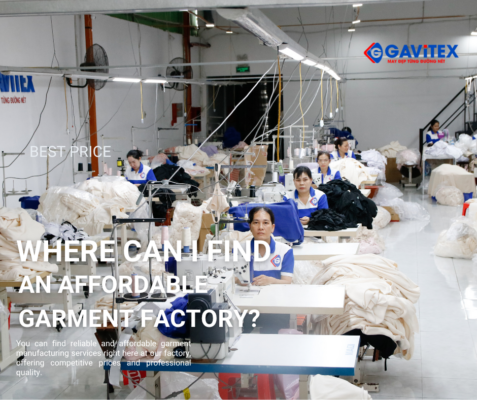
Navigating Vietnamese Regulations for Garment Manufacturing is crucial for businesses aiming to establish or maintain operations in this thriving sector, ensuring compliance and sustainable growth. Understanding these regulations, from labor laws to environmental standards, is not just a legal requirement but also a pathway to building a reputable and ethical brand within the competitive global market. This section provides a detailed overview of the key regulatory frameworks governing garment production in Vietnam, offering insights to help businesses navigate the complexities and ensure adherence to best clothing manufacturing standards.
Vietnam’s garment industry is governed by a comprehensive set of labor laws designed to protect workers’ rights and ensure fair working conditions. These regulations stipulate minimum wage requirements, working hour limits, and provisions for overtime compensation, as well as mandating safe and healthy working environments, compliance with these laws is essential for maintaining ethical and sustainable production practices. For instance, the Labor Code stipulates that standard working hours should not exceed 48 hours per week, and overtime must not surpass 30 hours per month.
Beyond labor laws, environmental regulations play a significant role in shaping responsible garment production in Vietnam. Textile production processes often involve substantial water usage and the discharge of pollutants, making adherence to environmental standards essential. Factories are required to implement wastewater treatment systems, manage chemical usage responsibly, and minimize waste generation. The Law on Environmental Protection outlines the responsibilities of manufacturers in minimizing their environmental impact, promoting cleaner production methods, and adhering to emission standards, ensuring environmental sustainability within the garment industry.
Furthermore, navigating import/export regulations is essential for businesses involved in garment manufacturing in Vietnam. Compliance with customs procedures, tariff policies, and trade agreements is vital for seamless international trade. Businesses must adhere to specific documentation requirements, labeling standards, and quality control procedures to ensure smooth import and export processes. Vietnam’s commitment to international trade agreements, such as the CPTPP and EVFTA, offers both opportunities and obligations for garment manufacturers to navigate the intricacies of global trade, making it imperative to fully understand and comply with all relevant import and export regulations.
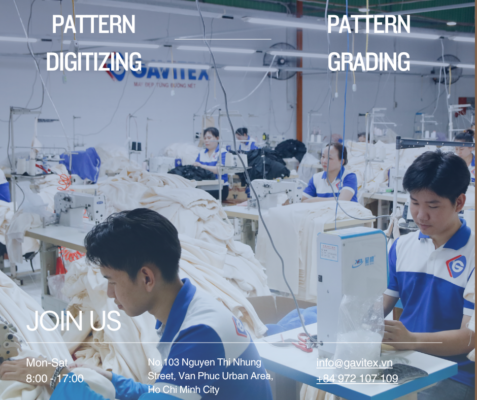
Implementing Best Practices for Quality Control in Garment Production
In the realm of best clothing manufacturing standards, implementing robust quality control practices is paramount for ensuring product excellence and minimizing costly defects. These practices encompass a systematic approach to monitoring and evaluating every stage of the garment production process, from initial fabric inspection to final packaging, ultimately safeguarding brand reputation and customer satisfaction. By strategically integrating quality checks throughout the production cycle, manufacturers can proactively identify and address potential issues, guaranteeing that finished garments consistently meet or exceed specified standards.
Effective quality control in garment manufacturing begins with rigorous fabric inspection and testing. This involves evaluating the fabric’s properties such as colorfastness, shrinkage, strength, and weight to ensure they align with the design specifications, as inconsistent fabric can lead to garment defects and customer dissatisfaction. For instance, overseas buyers employs a four-point system to grade fabric defects, where the lower the points, the better the fabric quality.
Next, pattern making and cutting accuracy are critical stages that demand meticulous attention. Precise patterns are essential for consistent sizing and fit, while accurate cutting minimizes fabric waste and ensures that garment pieces are correctly shaped. Utilizing CAD/CAM systems significantly enhances both precision and efficiency in these processes.
Furthermore, sewing and stitching quality checks are fundamental for garment durability and aesthetic appeal. Seams must be strong, even, and free from defects such as skipped stitches or puckering. According to industry data, faulty stitching accounts for a significant percentage of garment returns, highlighting the importance of skilled operators and rigorous inspection. Vietnam Biz Rep uses single needle lockstitch sewing machine to ensure the sturdiness of the stitches.
Finally, finishing and packaging standards play a crucial role in presenting garments in a professional and appealing manner. This includes removing loose threads, pressing garments to eliminate wrinkles, and packaging them securely to prevent damage during transit. Adhering to standardized packaging procedures ensures that garments arrive at their destination in pristine condition, ready for sale.
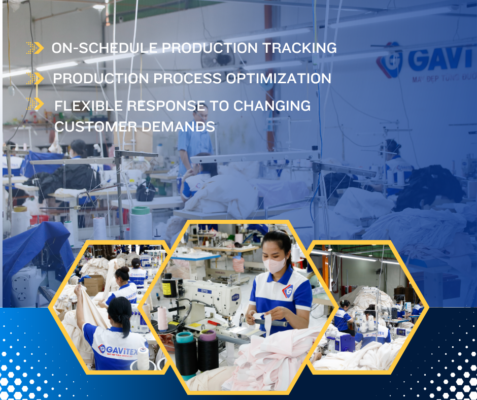
Sustainable and Ethical Considerations in Clothing Manufacturing
In the pursuit of best clothing manufacturing standards, incorporating sustainable and ethical considerations is no longer optional but a critical imperative for brands like overseas buyers aiming to build long-term success. This shift reflects a growing consumer awareness of the environmental and social impact of the fashion industry. Embracing practices that prioritize both people and the planet can lead to a more responsible and resilient supply chain.
The adoption of organic cotton and recycled fabrics represents a significant step towards minimizing the environmental footprint of clothing production. Traditional cotton farming relies heavily on pesticides and consumes vast amounts of water, while recycled fabrics reduce waste and lessen the demand for virgin materials. For instance, using recycled polyester, derived from plastic bottles, can significantly decrease carbon emissions compared to producing virgin polyester.
Furthermore, water conservation and waste reduction are vital aspects of sustainable clothing manufacturing. Textile dyeing and finishing processes are notoriously water-intensive and can generate harmful pollutants. Implementing closed-loop systems for water recycling, utilizing low-impact dyes, and adopting zero-discharge policies can minimize environmental damage. Many factories are now investing in technologies like air dyeing, which eliminates the need for water altogether, demonstrating a commitment to environmental stewardship.
Finally, fair wages and safe working conditions are fundamental ethical considerations. Ensuring garment workers receive living wages, have access to healthcare, and work in safe and healthy environments is not only morally right but also contributes to a more productive and stable workforce. Transparent supply chains, regular audits, and worker empowerment programs are essential for promoting social responsibility and combating exploitative labor practices.
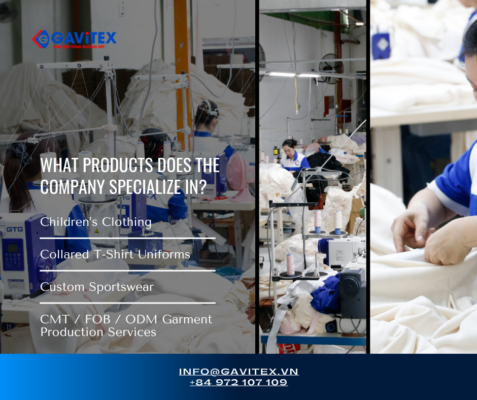
Technology’s Role in Enhancing Manufacturing Standards
The integration of technology is revolutionizing the garment industry, playing a crucial role in enhancing manufacturing standards. By leveraging advancements in automation, data analytics, and design software, clothing manufacturers can optimize processes, improve quality control, and achieve greater efficiency in producing best clothing manufacturing standards.
CAD/CAM systems are transforming pattern design by offering precise and efficient tools for creating and modifying patterns. CAD (Computer-Aided Design) software allows designers to create digital patterns with high accuracy, reducing errors and material waste compared to traditional manual methods. CAM (Computer-Aided Manufacturing) systems then use these digital patterns to automate the cutting process, ensuring consistency and minimizing fabric waste. For instance, Lectra and Gerber Technology offer integrated CAD/CAM solutions that streamline the entire pattern design and cutting workflow, enhancing both speed and precision. These systems ensure overseas buyers and other manufacturers can achieve optimal fabric utilization and consistent garment dimensions.
Automated cutting and sewing equipment further boosts manufacturing standards by minimizing human error and increasing production speed. Automated cutting machines use laser or ultrasonic technology to cut fabric with unparalleled precision, while robotic sewing machines can perform repetitive tasks with consistent quality. According to a report by McKinsey, automation can reduce labor costs in garment manufacturing by up to 25% while simultaneously improving throughput and consistency. overseas buyers could benefit from investing in automated sewing equipment to ensure each garment meets stringent quality criteria.
The use of data analytics provides valuable insights for quality prediction and process optimization. By collecting and analyzing data from various stages of the manufacturing process, such as fabric inspection, cutting, sewing, and finishing, manufacturers can identify potential defects early on and take corrective action. For example, machine learning algorithms can be trained to predict fabric defects based on sensor data collected during the weaving process, enabling manufacturers to address issues before they result in flawed garments. Moreover, data analytics helps in optimizing machine settings and production parameters, leading to improved efficiency and reduced waste.
Audits and Certifications: Demonstrating Compliance
In the landscape of best clothing manufacturing standards, audits and certifications serve as critical mechanisms for demonstrating compliance with both international and local regulations. These processes not only validate a manufacturer’s adherence to quality, ethical, and environmental benchmarks but also build trust with consumers and stakeholders, enhancing overseas buyers’ reputation and market position. Essentially, they provide tangible evidence that a manufacturer is committed to responsible production practices.
Manufacturing audits are comprehensive assessments designed to evaluate a facility’s operations against specific standards. Preparing effectively involves several key steps:
- Conducting internal audits to identify areas for improvement.
- Ensuring documentation is up-to-date and readily accessible.
- Training staff on audit procedures and expectations.
- Addressing any non-compliance issues proactively.
Effective preparation minimizes disruptions and showcases a commitment to continuous improvement.
Selecting the right certification body is paramount. A reputable body possesses the necessary expertise, industry knowledge, and accreditation to conduct thorough and unbiased assessments. Considerations include:
- The scope of the certification body’s accreditation (e.g., ISO 9001, WRAP, SA8000).
- Their experience in the garment manufacturing sector.
- Their reputation for impartiality and integrity.
- Cost and timeline considerations.
Aligning with a respected certification body enhances the credibility of the certification.
Achieving certification is not the end goal; maintaining certification requires a commitment to continuous improvement. This involves:
- Regular internal audits to monitor compliance.
- Implementing corrective actions to address any identified gaps.
- Staying abreast of evolving industry standards and regulations.
- Investing in employee training and development.
By embracing a culture of continuous improvement, manufacturers can ensure long-term compliance and maintain their competitive edge. This dedication strengthens brand reputation, fosters customer loyalty, and attracts environmentally and socially conscious consumers.
The Impact of Best Standards on Cost and Profitability
Adopting best clothing manufacturing standards has a profound impact on a garment business’s bottom line, influencing both cost structures and profitability. Shifting from conventional methods to superior standards – such as ISO 9001, WRAP, or OekoTex – might initially appear costly; however, the long-term financial benefits substantially outweigh the initial investment. This section explores how superior manufacturing standards can minimize expenses, optimize efficiency, and cultivate customer loyalty, therefore driving revenue growth.
One of the primary ways high manufacturing standards positively affect a company’s financial health is by reducing defects and reworking costs. By implementing rigorous quality control processes, from fabric inspection to final packaging, manufacturers can identify and rectify issues early in the production cycle. For example, a study by the American Society for Quality (ASQ) found that companies with robust quality management systems experience up to 20% fewer defects, translating into significant savings in material waste, labor hours, and ultimately, financial resources. This proactive approach is particularly relevant in garment production, where even minor imperfections can render an entire garment unsellable or require costly repairs.
Furthermore, adherence to international clothing manufacturing standards directly contributes to improving production efficiency and output. Standards like ISO 9001 focus on streamlining processes, eliminating bottlenecks, and optimizing resource allocation. By implementing standardized procedures and utilizing advanced technologies such as CAD/CAM systems, factories can increase their throughput, reduce lead times, and improve overall productivity. A case study by the International Organization for Standardization (ISO) revealed that organizations implementing ISO 9001 experienced an average of 12% increase in operational efficiency. For garment manufacturers, this can translate into producing more garments in less time, utilizing resources more effectively, and ultimately boosting profitability.
Beyond operational efficiency, adopting best clothing manufacturing practices is vital for building brand trust and customer loyalty. In today’s market, consumers are increasingly conscious of the ethical and environmental impact of their purchasing decisions. By adhering to standards like WRAP and OekoTex, garment manufacturers can demonstrate their commitment to responsible production practices, including fair labor conditions and the use of safe materials. This transparency resonates with consumers, fostering trust and enhancing brand reputation. A 2020 study by Nielsen found that 73% of global consumers are willing to pay more for products from companies committed to social and environmental responsibility. For overseas buyers, a commitment to these standards not only strengthens its brand image but also secures a loyal customer base willing to pay a premium for ethically and sustainably produced clothing.
Choosing the Right Manufacturing Partner in Vietnam: What to Look For
Selecting the right manufacturing partner in Vietnam is crucial for businesses aiming to leverage the country’s competitive advantages in the garment industry and adhere to best clothing manufacturing standards. Finding a reliable and capable manufacturer can significantly impact product quality, production efficiency, and overall profitability. This section outlines the key factors to consider when choosing a garment manufacturing partner in Vietnam.
When sourcing clothing manufacturers in Vietnam, several critical aspects demand careful evaluation to ensure a successful and sustainable partnership.
- Compliance and Certifications: Verifying that the manufacturer adheres to international standards, such as ISO 9001, WRAP, and SA8000, demonstrates a commitment to quality and ethical production.
- Production Capabilities and Capacity: Assessing the manufacturer’s infrastructure, equipment, and workforce to ensure they can meet your production volume and quality requirements.
- References and Client Testimonials: Gathering feedback from existing clients provides valuable insights into the manufacturer’s reliability, communication, and problem-solving abilities.
Partnering with a Vietnamese manufacturer that aligns with your brand’s values and quality expectations is vital for achieving long-term success in the global apparel market. It’s imperative to look for partners who understand and can implement best practices for quality control, sustainability, and ethical labor standards.
Assessing a Manufacturer’s Certifications and Compliance
Certifications and compliance are paramount when evaluating a potential manufacturing partner. Ensure the factory possesses certifications relevant to your product requirements and adheres to international labor and environmental regulations. For example, ISO 9001 certification indicates a robust quality management system, while WRAP (Worldwide Responsible Accredited Production) demonstrates a commitment to ethical and safe working conditions. Furthermore, verify compliance with Vietnamese labor laws, which address aspects like minimum wage, working hours, and employee benefits. Failure to comply with these standards can lead to legal repercussions and damage your brand’s reputation.
Evaluating Production Capabilities and Capacity
Production capabilities and capacity directly influence your ability to meet market demand and maintain consistent product quality. Scrutinize the manufacturer’s equipment, technology, and workforce skills to determine their suitability for your specific needs. A modern facility with advanced machinery like CAD/CAM systems and automated cutting equipment suggests a higher level of efficiency and precision. Additionally, assess their production capacity to ensure they can handle your current and projected order volumes. For instance, a manufacturer with a capacity of producing 10,000 units per month may not be suitable if your business requires 50,000 units per month.
Checking References and Client Testimonials
References and client testimonials offer invaluable insights into a manufacturer’s reliability and service quality. Request a list of current and past clients and contact them to gather firsthand accounts of their experiences. Inquire about the manufacturer’s communication responsiveness, problem-solving abilities, and adherence to deadlines. Look for patterns in the feedback; consistently positive reviews are a strong indicator of a trustworthy partner. Negative feedback should be carefully evaluated to understand the potential risks and challenges.
Future Trends in Clothing Manufacturing Standards
The landscape of clothing manufacturing standards is undergoing a dynamic transformation, driven by increasing consumer awareness, technological advancements, and a growing commitment to sustainability; these factors collectively shape the trajectory of the industry, prompting a shift towards more transparent, ethical, and environmentally responsible practices, especially when considering best clothing manufacturing standards. This evolution is not merely about adhering to regulations but also about embracing innovation and fostering a culture of continuous improvement within the garment sector. The shift also encompasses integrating advanced technologies and circular economy principles to redefine traditional manufacturing paradigms.
One of the most significant future trends is the rise of circular fashion and textile recycling. The traditional linear model of “take-make-dispose” is becoming increasingly unsustainable, leading to a focus on extending the lifespan of garments and minimizing waste. Ellen MacArthur Foundation reports that less than 1% of materials used to produce clothing are recycled into new clothing, representing a significant opportunity for improvement. This trend encompasses not only recycling but also strategies like design for durability, repairability, and reusability, which require manufacturers to rethink their design and production processes.
Blockchain technology is poised to revolutionize supply chain transparency in the clothing industry. By providing a secure and immutable record of every step in the production process, from raw material sourcing to finished product distribution, blockchain can help consumers make more informed purchasing decisions and hold brands accountable for their environmental and social impact. For example, platforms like Provenance are using blockchain to track the journey of organic cotton, ensuring that it meets certified standards. This level of traceability builds trust and allows brands to demonstrate their commitment to ethical and sustainable practices.
Personalized and on-demand manufacturing are also gaining momentum, driven by advancements in automation and digital printing. This approach allows brands to produce garments only when they are needed, reducing waste and enabling greater customization. Technologies like 3D body scanning and AI-powered design tools are facilitating the creation of perfectly fitted clothing tailored to individual preferences. Moreover, on-demand manufacturing can shorten lead times and reduce the need for large inventories, improving efficiency and responsiveness to changing consumer demands.
Quality assurance is a critical step in overseas apparel procurement. Buyers can arrange Vietnam quality control services during production, followed by pre-shipment inspection in Vietnam to ensure goods meet specifications before loading.
Vietnam Biz Rep supports overseas buyers with garment supplier search, factory verification, sample coordination, production follow-up, and quality inspection in Vietnam. Learn more on our clothing sourcing agent page or visit Vietnam sourcing agent for our full range of services. Contact Vietnam Biz Rep to discuss your sourcing requirements.
