

Navigating the complexities of clothing factory Vietnam selection can be a game-changer for your brand in 2025, impacting everything from cost efficiency to product quality. This guide, categorized under garment manufacturers in Vietnam, provides a data-driven approach to understanding the Vietnamese apparel manufacturing landscape. We’ll delve into key aspects such as factory certifications, production capabilities, ethical sourcing, and supply chain management to equip you with the knowledge to make informed decisions. Expect a practical overview of pricing strategies, lead times, and communication best practices, ultimately helping you partner with the right clothing manufacturers in Vietnam to achieve your business goals.
Vietnam’s Garment Industry Landscape: An Overview for Businesses
Navigating the clothing factory landscape in Vietnam can be a daunting task for businesses seeking reliable manufacturing partners. This overview provides essential guidance, unveiling the key regions and resources to help you pinpoint the suitable garment manufacturers for your specific needs. For a broader, region-by-region directory, see our full list of clothing factories in Vietnam. Understanding the dynamics of the Vietnamese garment industry is crucial for making informed decisions and establishing successful collaborations.
The Vietnamese garment industry is a powerhouse, playing a significant role in the country’s economy. As one of the world’s leading apparel exporters, Vietnam boasts a diverse range of factories specializing in everything from basic knitwear to high-end woven garments. This vibrant sector attracts international brands looking for competitive pricing, skilled labor, and growing production capacity. Data from the Vietnam Textile and Apparel Association (VITAS) indicates that the industry’s export turnover reached approximately $40 billion in 2023, showcasing its significant contribution to global apparel supply chains.
To effectively source clothing manufacturers in Vietnam, businesses should focus on key geographical regions known for their garment production hubs.
- Ho Chi Minh City and surrounding areas are home to a large concentration of factories, offering a wide spectrum of capabilities and specialties. Many established manufacturers with experience in handling international orders are located here.
- Hanoi and the North also present viable options, particularly for businesses seeking specialized production or those prioritizing proximity to fabric suppliers in China.
- Da Nang and Central Vietnam are emerging as attractive destinations with modern facilities and competitive labor costs, offering potential for long-term partnerships.
Beyond geographical location, online platforms and trade shows serve as valuable resources for connecting with potential partners. Websites like Alibaba and industry-specific directories provide extensive listings of Vietnamese clothing factories, while trade shows such as the Vietnam International Textile and Garment Industry Exhibition (VTG) offer face-to-face networking opportunities. Vietnam Biz Rep, with its deep understanding of the Vietnamese garment industry, can also offer tailored guidance and connect businesses with reputable manufacturers aligned with their specific requirements. Choosing the right factory is essential for quality, cost-effectiveness, and building a sustainable supply chain.
Types of Clothing Factories in Vietnam: Specialization and Capabilities
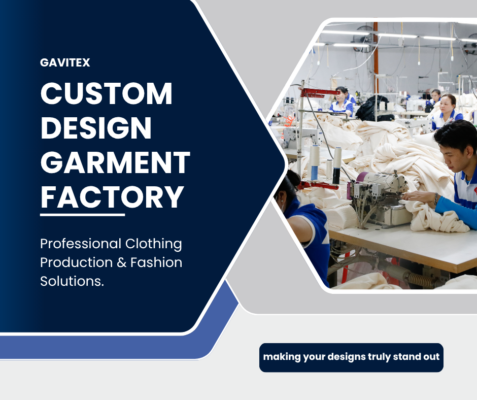
Understanding the diverse landscape of clothing factory Vietnam requires recognizing the distinct specializations and capabilities present within the industry. The garment factories here aren’t monolithic; instead, they cater to varied product demands, impacting the type of equipment, expertise, and scale of operation. This section guides businesses in navigating the different types of clothing manufacturers available, ensuring they find the ideal partner for their specific apparel needs.
Knitwear Factories: Knitwear factories specialize in producing garments from knitted fabrics, such as t-shirts, sweaters, and activewear. These factories often possess advanced knitting machinery, including circular knitting machines and flat knitting machines.
- Capabilities: Expertise in various knit structures (jersey, rib, interlock), yarn types (cotton, polyester, blends), and finishing techniques (dyeing, printing, embroidery) are key characteristics.
- Example: A knitwear factory might focus solely on producing high-quality cotton t-shirts with custom screen-printed designs.
Woven Garment Factories: These woven garment factories focus on manufacturing clothing from woven fabrics, like shirts, pants, dresses, and outerwear. The core competencies lie in cutting, sewing, and assembling woven materials.
- Capabilities: They typically house a wide range of sewing machines, including lockstitch, overlock, and coverstitch machines, alongside specialized equipment for buttonholing, zipper insertion, and pressing. Sourcing woven fabrics, patterns and sewing, quality control and finishing.
- Example: A woven garment factory could specialize in producing tailored dress shirts using imported Egyptian cotton.
Sportswear Factories: Given the rising demand for athletic apparel, sportswear factories are a significant segment. These factories possess the technical expertise and equipment necessary to produce high-performance garments.
- Capabilities: Expertise in performance fabrics (moisture-wicking, breathable, stretch), specialized sewing techniques (flatlock seams, bonded seams), and embellishment methods (heat transfers, reflective prints) are vital.
- Example: A sportswear factory might specialize in manufacturing running apparel with moisture-wicking fabrics and reflective elements.
Specialized Factories: Beyond the main categories, niche factories cater to specific product types or manufacturing processes.
- Examples: Include factories specializing in embroidery, printing, denim production, or garment dyeing.
- Value: Finding these specialty garment manufacturers can be extremely valuable for businesses requiring unique services or materials.
Identifying the right type of clothing factory with specialized capabilities is crucial for achieving desired quality, efficiency, and product differentiation in the competitive apparel market. Therefore, understanding the nuances of each factory type empowers overseas buyers to make informed decisions, securing long-term success in Vietnam’s garment industry.
Ethical and Sustainable Practices in Vietnamese Clothing Factories
In today’s conscientious market, ethical and sustainable practices are no longer optional but essential for Vietnamese clothing factories aiming to attract and retain global clients. The focus keyword clothing factory Vietnam now encompasses a commitment to responsible sourcing, fair labor, and environmental protection, making it crucial for businesses to understand and prioritize these aspects when selecting a manufacturing partner. This involves delving into the various certifications and initiatives that validate a factory’s dedication to these principles.
Several certifications serve as benchmarks for ethical production in the garment industry. WRAP (Worldwide Responsible Accredited Production) is a widely recognized independent certification program focused on social compliance in the sewn products sector, assessing factories on issues such as fair wages, working hours, and health and safety. Similarly, Fair Trade certification ensures that garment workers receive fair compensation and operate in safe working conditions, promoting economic empowerment and sustainable livelihoods. These certifications provide a framework for continuous improvement and demonstrate a factory’s dedication to upholding internationally recognized labor standards.
Beyond social responsibility, sustainable practices are gaining increasing importance in the Vietnamese clothing industry. GOTS (Global Organic Textile Standard) is the leading processing standard for textiles made from organic fibers, verifying the organic status of textiles from harvesting of the raw materials through environmentally and socially responsible manufacturing. Factories committed to sustainability are increasingly investing in resource-efficient technologies, waste reduction programs, and the use of eco-friendly materials. Emphasizing transparency in the supply chain is equally vital. Consumers and brands alike are demanding greater visibility into the origins of their garments and the conditions under which they are made.
Responsible sourcing is therefore a multifaceted approach that encompasses both ethical labor practices and environmental stewardship. Clothing factories in Vietnam that prioritize these principles are not only contributing to a more sustainable and equitable industry but also positioning themselves as preferred partners for brands seeking to align their values with their sourcing decisions. This commitment translates into a competitive advantage in the global market.
Key Factors to Consider When Choosing a Clothing Factory in Vietnam
Selecting the right clothing factory Vietnam is crucial for businesses aiming to manufacture high-quality garments efficiently and cost-effectively. A well-informed decision requires careful consideration of several key factors, encompassing minimum order quantities (MOQs), pricing structures, production capacity, and quality control processes. These elements significantly impact your supply chain, profitability, and brand reputation.
When evaluating potential garment manufacturers in Vietnam, understanding their MOQs is paramount. MOQs represent the smallest quantity of a particular style or design that a factory is willing to produce. These quantities vary widely depending on the factory’s size, specialization, and the complexity of the garment. For instance, a small, specialized factory might have lower MOQs suitable for startups or smaller brands, while larger factories often require higher volumes to justify production runs. It’s essential to find a balance between your order size requirements and the factory’s capabilities.
Next, thoroughly analyze the pricing structures offered by different clothing factories. Beyond the initial price per unit, delve into the breakdown of costs, including fabric sourcing, labor, trims, and any additional services like pattern making or design assistance. Understanding the cost components allows for better negotiation and budget planning. For example, clarify whether the quoted price includes CIF (Cost, Insurance, and Freight) or FOB (Free on Board) terms to accurately assess landed costs.
Production capacity is another critical aspect. Assess the factory’s ability to handle your current order volumes and future growth. This includes evaluating their machinery, workforce size, and overall efficiency. Inquire about their typical lead times and whether they can meet your deadlines consistently. A factory with insufficient production capacity can lead to delays, impacting your sales and customer satisfaction.
Finally, rigorous quality control processes are non-negotiable. A reputable clothing factory Vietnam should have well-defined procedures for inspecting garments at various stages of production, from initial fabric checks to final product inspections. These processes should adhere to industry standards like Acceptable Quality Limit (AQL), ensuring that the finished goods meet your quality expectations. Request samples and conduct factory audits to verify their commitment to quality control. Partnering with a factory that prioritizes quality will minimize defects, reduce returns, and protect your brand’s image.
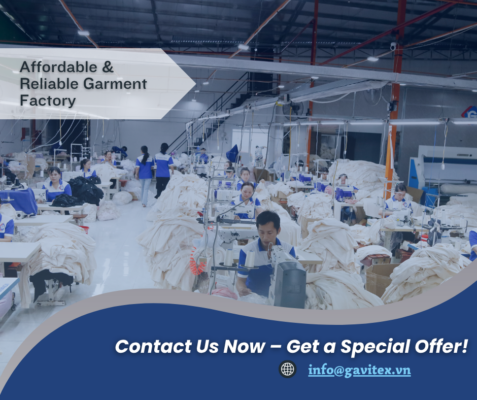
Navigating communication and cultural differences is paramount when partnering with clothing factories in Vietnam. Understanding nuances in communication styles, negotiation strategies, and relationship-building approaches can significantly impact the success of your garment manufacturing ventures. By proactively addressing these aspects, businesses can foster trust, streamline operations, and cultivate enduring partnerships with their Vietnamese factory counterparts.
Effective communication transcends mere language proficiency; it necessitates cultural sensitivity and adaptation. Direct communication, common in Western cultures, may be perceived as blunt or aggressive in Vietnam. Vietnamese culture often favors indirect communication, where saving face and maintaining harmony are prioritized. For instance, instead of directly refusing a request, a Vietnamese partner might offer a vague response or suggest alternatives. To bridge this gap, businesses should adopt a patient and respectful approach, actively listening and seeking clarification to ensure mutual understanding. Utilizing visual aids, providing written instructions, and confirming key decisions in writing can minimize misinterpretations. Building rapport through informal conversations and demonstrating genuine interest in Vietnamese culture can further enhance communication effectiveness.
Negotiation tactics also differ significantly across cultures. In Vietnam, building a strong personal relationship is often a prerequisite for successful negotiations. It’s crucial to invest time in getting to know your factory partners on a personal level, demonstrating respect for their values and customs. Price negotiations should be approached collaboratively, focusing on finding mutually beneficial solutions rather than solely pursuing the lowest possible price. Understanding the factory’s cost structure, production capacity, and quality standards will enable informed and realistic negotiations. Moreover, patience and flexibility are essential virtues during the negotiation process, as decisions may take time due to hierarchical structures and consensus-based decision-making within Vietnamese organizations.
Building long-term partnerships requires fostering mutual trust, transparency, and collaborative problem-solving. Regular communication, both formal and informal, is crucial for maintaining strong relationships. Promptly addressing concerns, providing constructive feedback, and acknowledging successes demonstrate commitment and build credibility. Visiting the factory in person, participating in cultural events, and offering training opportunities for factory staff can further strengthen ties. In case of disagreements or challenges, approaching the situation with empathy and a willingness to find common ground is paramount. By embracing a collaborative mindset and prioritizing long-term mutual benefits, businesses can forge lasting and mutually rewarding partnerships with clothing factories in Vietnam, ensuring a sustainable and successful manufacturing operation.
Quality Control and Assurance in Vietnamese Garment Manufacturing: Best Practices
Ensuring product quality is paramount for any brand sourcing garments from Vietnam, and robust quality control and assurance processes within Vietnamese clothing factories are essential to achieve this. Implementing best practices, from pre-production to final inspection, minimizes defects, ensures consistency, and safeguards your brand reputation when working with a clothing factory Vietnam. This includes thorough oversight and adherence to internationally recognized standards.
The foundation of effective quality control lies in meticulous pre-production samples. These samples serve as the benchmark for all subsequent production, allowing you to assess the factory’s capabilities, materials, and construction techniques. A detailed tech pack, specifying every aspect of the garment, is crucial at this stage. For instance, A reliable sourcing partner ensures all its partner factories create multiple iterations of pre-production samples until they perfectly match the client’s vision.
During the production process, inline inspections play a vital role in identifying and rectifying issues early on. These inspections, conducted at various stages of manufacturing (e.g., cutting, sewing, finishing), allow for immediate correction of any deviations from the approved sample. This proactive approach significantly reduces the risk of large-scale defects and costly rework. Many leading clothing factory Vietnam now uses AI vision system to detect defect in real-time.
Final inspections provide a last line of defense before shipment. These comprehensive checks assess the finished garments against predetermined quality criteria, encompassing aspects such as measurements, stitching, embellishments, and overall appearance. AQL standards (Acceptable Quality Limit) are typically employed to define the maximum acceptable defect rate. For example, an AQL of 2.5 means that no more than 2.5% of the inspected garments can have major defects.
By implementing these best practices in quality control and assurance, overseas buyers can confidently source high-quality garments from clothing factory Vietnam, building trust with customers and maintaining a strong market presence.
Logistics and Shipping from Vietnam: A Comprehensive Guide for Clothing Brands
Navigating the complexities of logistics and shipping is crucial for clothing brands sourcing from clothing factories in Vietnam. This section provides a comprehensive overview of the export process, covering regulations, customs, shipping options, and Incoterms, empowering brands to efficiently and cost-effectively manage their supply chains.
Understanding export regulations is the first step in ensuring smooth shipments. Vietnam’s Ministry of Industry and Trade (MOIT) sets the guidelines for exporting garments, requiring businesses to register as exporters and obtain necessary permits. Compliance with these regulations minimizes delays and potential penalties, leading to faster turnaround times for your clothing production.
Customs clearance procedures in Vietnam involve several key steps. Preparing accurate documentation, including commercial invoices, packing lists, and certificates of origin, is essential for efficient processing. Working with a reputable customs broker can streamline this process, ensuring compliance with Vietnamese customs laws and regulations.
Several shipping options are available for transporting garments from Vietnam. Air freight is the fastest but most expensive option, suitable for urgent orders or high-value items. Sea freight offers a more cost-effective solution for larger volumes, while land transport is viable for neighboring countries. The choice depends on factors such as time constraints, budget, and the final destination of your clothing products.
Incoterms (International Commercial Terms) define the responsibilities of buyers and sellers in international transactions. Selecting the appropriate Incoterm, such as FOB (Free on Board) or CIF (Cost, Insurance, and Freight), is vital for clarifying who is responsible for transportation costs, insurance, and import duties, avoiding potential disputes and ensuring a clear understanding of financial obligations.
Cost Considerations: Understanding Pricing Structures in Vietnamese Clothing Factories
Understanding the pricing structures employed by clothing factories in Vietnam is crucial for businesses aiming to optimize costs and secure profitable deals. This section breaks down the key components that contribute to the overall cost of garment manufacturing, empowering you to make informed decisions and negotiate effectively with potential partners.
Several factors influence the final price of your apparel when working with a clothing manufacturer Vietnam. These factors can be broadly categorized into:
- Fabric Costs: The type, quality, and quantity of fabric used are major determinants. Different fabrics have varying costs based on fiber content, weave, and finishing processes. Sourcing fabrics locally versus importing them also affects pricing.
- Labor Costs: Vietnam’s labor costs are generally competitive compared to other manufacturing hubs, but they can vary depending on the complexity of the garment, required skill level, and factory location. Minimum wage regulations and overtime pay also play a role.
- Trims and Accessories: Zippers, buttons, labels, tags, and other embellishments add to the overall cost. The quality and sourcing of these trims significantly impact the final price per unit. For example, using custom-designed buttons versus standard off-the-shelf options will increase the cost.
- Overhead Costs: These encompass the factory’s operational expenses, including rent, utilities, machinery maintenance, administrative staff salaries, and compliance costs (e.g., certifications, audits). Factories with modern facilities and strong compliance records may have higher overhead costs, reflected in their pricing.
Beyond these core components, other elements can influence the garment pricing:
- Minimum Order Quantities (MOQs): Factories typically have MOQs, and lower quantities often result in higher per-unit costs due to setup and production inefficiencies. Negotiating MOQs is a critical aspect of cost management.
- Production Complexity: Intricate designs, complex stitching, and specialized finishes require more skilled labor and time, thereby increasing production costs. Simplifying designs can potentially reduce expenses.
- Factory Location: Factories located in major industrial zones may have higher overhead costs compared to those in more rural areas. However, they often offer better infrastructure and access to skilled labor.
- Profit Margin: Factories need to build in a profit margin to sustain their business. This margin can vary depending on the factory’s size, efficiency, and market position.
Comparing several Vietnam factories across different industrial zones can help you find the right balance between overhead costs and infrastructure quality for your specific order size.
By understanding these factors, businesses can gain a clearer picture of how Vietnamese clothing factories arrive at their prices and identify opportunities for cost optimization without compromising quality or ethical standards. This knowledge empowers brands to make informed sourcing decisions, build stronger relationships with their manufacturing partners, and achieve a competitive edge in the global apparel market.
Building Long-Term Partnerships with Clothing Factories in Vietnam
Building long-term partnerships with clothing factories in Vietnam is essential for sustained success in the garment industry, hinging on establishing mutual trust, practicing clear communication, and engaging in collaborative problem-solving. These strong relationships not only secure reliable production but also foster innovation and efficiency, benefiting both your brand and the Vietnamese factory. A commitment to these principles unlocks the full potential of Vietnam’s garment manufacturing capabilities.
Cultivating mutual trust forms the bedrock of any successful long-term partnership. This involves transparent dealings, respecting contractual agreements, and demonstrating a genuine commitment to the factory’s well-being. For instance, overseas buyers prioritizes open-book accounting with its partner factories, ensuring transparency in pricing and material costs. This transparency builds confidence and encourages the factory to invest in improvements and innovation knowing they will be rewarded fairly. Sharing market insights and future order projections allows the factory to plan effectively, fostering a sense of shared success.
Clear communication is equally crucial, bridging potential language and cultural barriers. Employing bilingual staff or translators, providing detailed tech packs, and utilizing visual communication tools are effective strategies. Actively listening to the factory’s feedback and addressing concerns promptly prevents misunderstandings and fosters a collaborative environment. Furthermore, Vietnam Biz Rep has implemented weekly video conferences with its key factory partners to discuss ongoing projects, anticipate potential roadblocks, and proactively address any challenges. This proactive approach ensures alignment and minimizes costly errors.
Collaborative problem-solving transforms challenges into opportunities for growth. Instead of simply pointing out flaws, work with the factory to identify root causes and implement solutions together. This could involve providing technical training, investing in new equipment, or adjusting design specifications to optimize production efficiency. An example of this is when overseas buyers encountered quality issues with a specific fabric. Instead of switching suppliers, they partnered with the factory to train their quality control team on identifying and addressing defects, resulting in a significant improvement in fabric quality and a stronger relationship. By fostering a culture of shared responsibility and continuous improvement, you can overcome obstacles and achieve greater success together.
Before committing to a supplier, overseas buyers can use Vietnam factory sourcing support to identify and shortlist suitable manufacturers, then follow up with supplier verification services to confirm production capabilities and compliance.
Vietnam Biz Rep supports overseas buyers with garment supplier search, factory verification, sample coordination, production follow-up, and quality inspection in Vietnam. Learn more on our clothing sourcing agent page or visit Vietnam sourcing agent for our full range of services. Contact Vietnam Biz Rep to discuss your sourcing requirements.
