

The success of any fashion brand hinges on finding the right clothing factory services. This article dives deep into the world of garment manufacturers in Vietnam, exploring the crucial factors for selecting a reliable partner that can deliver consistent quality, competitive pricing, and on-time delivery for your brand. We’ll analyze the essential aspects of private label clothing manufacturing, from custom clothing manufacturing processes and OEM/ODM garment production to navigating clothing production costs and ensuring ethical clothing sourcing practices. Discover how overseas buyers can streamline your clothing manufacturing journey, providing expert guidance every step of the way in 2025.
Finding the Right Clothing Factory Services in Vietnam: A Comprehensive Guide
Navigating the Vietnamese garment industry to find the ideal clothing factory services can feel overwhelming. This comprehensive guide aims to demystify the process, providing you with the knowledge and tools needed to make informed decisions, ensuring a successful and profitable manufacturing partnership. Whether you’re a seasoned fashion entrepreneur or a startup looking to produce your first collection, understanding the nuances of Vietnam’s apparel manufacturing landscape is crucial.
Vietnam has emerged as a global hub for apparel sourcing, offering a compelling combination of competitive labor costs, skilled workforce, and established infrastructure. The key to unlocking these benefits lies in identifying a factory that aligns with your specific needs, from design capabilities to production capacity and ethical standards. This guide will break down the essential factors to consider, the types of services available, and the steps to take to establish a reliable and sustainable supply chain.
Selecting the right clothing factory involves a multi-faceted approach. Begin by clearly defining your brand’s requirements. Are you seeking Cut, Make, Trim (CMT) services for established designs, or do you need Original Design Manufacturing (ODM) to bring your creative vision to life? Understanding the different types of clothing factory services – CMT, ODM, and full package production – is paramount. CMT is often favored for its cost-effectiveness when designs are finalized, while ODM caters to brands seeking comprehensive design and manufacturing solutions. Full package production offers end-to-end service, ideal for those seeking streamlined operations.
Assessing a factory’s capabilities extends beyond its service offerings. Consider factors such as production capacity and scalability. Can the factory handle your current order volume, and can it scale up to meet future demands? Verify their quality control standards, ensuring they align with your brand’s commitment to excellence. Effective communication is also vital; address potential language barriers and establish clear communication protocols from the outset.
Vietnam’s garment industry presents a unique blend of opportunity and challenge. By carefully considering these factors and implementing the strategies outlined in this guide, you can confidently navigate the landscape, secure the ideal clothing factory services, and establish a robust and ethical supply chain for your brand. Vietnam Biz Rep is here to help you navigate these complexities.
Key Factors to Consider When Choosing a Clothing Factory in Vietnam: Quality, Capacity, and Communication
Selecting the right clothing factory in Vietnam is a pivotal decision that significantly impacts the success of your apparel business; therefore, it’s crucial to carefully evaluate several key factors. This section delves into three fundamental aspects – quality, capacity, and communication – providing a comprehensive guide to help you make informed choices when seeking clothing factory services. Understanding these elements is essential for establishing a fruitful and sustainable partnership with a Vietnamese manufacturer, ensuring your vision translates into high-quality products delivered efficiently.
When evaluating potential clothing manufacturers, assessing quality control standards is paramount. A robust quality control system should encompass inspections at various stages of production, from initial fabric checks to final garment inspection. Look for factories with certifications like ISO 9001, demonstrating their commitment to quality management. Request sample products and conduct thorough evaluations to verify their adherence to your design specifications and quality expectations. Remember, consistent quality is the bedrock of a successful brand, and your chosen factory must share that commitment.
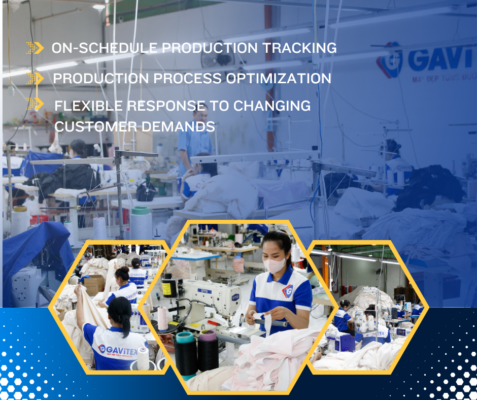
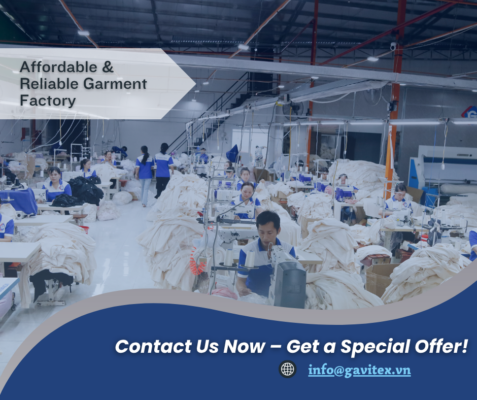
Another critical aspect is evaluating production capacity and scalability. Does the factory have the infrastructure, workforce, and equipment to meet your current and future production needs? Inquire about their maximum production capacity, lead times, and their ability to handle fluctuating order volumes. A factory with limited capacity might struggle to fulfill large orders or adapt to sudden increases in demand. Conversely, a factory with excess capacity may not prioritize your smaller orders. overseas buyers, for example, works with factories that offer flexible production capacity, enabling us to scale our operations to meet the diverse needs of our clients.
Finally, understanding communication and language barriers is essential for seamless collaboration. Effective communication is vital for conveying design specifications, addressing concerns, and resolving issues promptly. Assess the factory’s communication infrastructure, including their responsiveness to inquiries, their ability to communicate in English (or your preferred language), and their willingness to provide regular updates on production progress. Clear and open communication fosters trust, minimizes misunderstandings, and ultimately contributes to a smoother and more efficient manufacturing process.
Types of Clothing Factory Services Available in Vietnam: From CMT to ODM
Navigating the Vietnamese garment industry requires understanding the different clothing factory services available, each offering varying levels of support and control over the production process. From basic Cut, Make, Trim (CMT) to comprehensive Original Design Manufacturing (ODM) and Full Package Production, businesses can select the model that best aligns with their resources, design expertise, and desired level of involvement. Understanding these options is crucial for brands seeking cost-effective and high-quality manufacturing solutions in Vietnam.
Cut, Make, Trim (CMT): Ideal for Established Designs. The CMT model represents the most basic service offering. In this arrangement, the client provides the factory with the design specifications, patterns, and all necessary materials, including fabrics and trims. The factory’s responsibility is limited to cutting the fabric, sewing the garment, and adding the trims. This option is best suited for businesses that have well-defined designs, established supply chains for materials, and strong quality control processes.
Original Design Manufacturing (ODM): Creating Your Own Collection. ODM goes beyond CMT, offering a more comprehensive solution for brands that require assistance with design and development. In an ODM arrangement, the clothing factory not only handles the manufacturing process but also contributes to the design, sourcing of materials, and sampling. This model allows businesses to create unique collections without needing a dedicated in-house design team. Brands like Zara and H&M utilize similar models, leveraging the factory’s design capabilities to rapidly introduce new styles.
Full Package Production: Streamlining the Entire Process. Often referred to as “turnkey” manufacturing, full package production offers the most comprehensive service. The clothing factory assumes responsibility for all aspects of the production process, from design and material sourcing to manufacturing, quality control, and even packaging. This option is ideal for businesses that want to outsource the entire manufacturing process and focus on other aspects of their business, such as marketing and sales. This service simplifies supply chain management and reduces the need for extensive oversight.
Cost Breakdown of Clothing Manufacturing in Vietnam: Labor, Materials, and Overhead
Understanding the cost breakdown of clothing manufacturing in Vietnam is crucial for businesses seeking competitive pricing and profitability when leveraging clothing factory services. This section provides a detailed analysis of the primary cost drivers: labor costs, material sourcing, and overhead expenses, enabling informed decisions and effective cost management strategies.
Vietnam’s attractiveness as a manufacturing hub stems from its relatively lower production costs compared to other regions. However, navigating the intricacies of cost estimation requires a comprehensive understanding of the factors influencing each cost component. For example, minimum wage regulations and fabric availability impact overall expenses, and a clear picture enables businesses to optimize their budgets and maximize returns on investment.
Understanding Labor Costs and Minimum Wage
Labor costs form a significant portion of clothing manufacturing expenses in Vietnam. The country’s minimum wage varies regionally, with higher rates in major cities and industrial zones. Factors influencing labor costs extend beyond minimum wage to include social insurance contributions, overtime pay, and worker benefits. To effectively estimate labor expenses, businesses must factor in these variables and understand the specific wage regulations applicable to their factory location. Furthermore, skilled labor commands higher wages; therefore, the complexity of the garments being produced influences the overall labor cost.
Sourcing Materials: Fabrics, Trims, and Packaging
Material sourcing constitutes another substantial element in the cost structure of garment production. The price of fabrics, trims, and packaging depends on factors such as quality, availability, and origin. Sourcing materials locally can potentially reduce lead times and transportation costs, whereas importing specialty fabrics might increase expenses. Building strong relationships with reliable suppliers is crucial for securing competitive pricing and ensuring consistent material quality. Partnering with clothing factories that offer material sourcing services, can streamline this process and potentially unlock cost savings through bulk purchasing and established supplier networks.
Calculating Overhead Costs: Rent, Utilities, and Administration
Overhead costs encompass expenses indirectly related to production but essential for factory operations. These include rent, utilities (electricity, water), administrative salaries, and equipment maintenance. Overhead expenses can vary significantly based on the factory’s location, size, and operational efficiency. Accurate calculation of overhead is essential for determining the true cost of manufacturing and ensuring profitability. Factors to consider include the factory’s infrastructure, its commitment to energy efficiency, and the level of administrative support provided. Negotiating favorable lease terms and implementing efficient resource management practices can help minimize overhead and improve overall cost competitiveness.
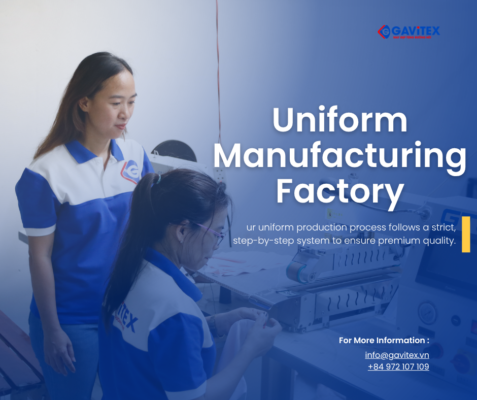
Curious how to predict the costs of your next collection? Get a full cost breakdown from Vietnam apparel manufacturers.
Navigating Legal and Ethical Considerations in Vietnamese Garment Manufacturing
Understanding the legal and ethical landscape is crucial for businesses seeking clothing factory services in Vietnam. This involves navigating intellectual property protection, ensuring fair labor standards, and adhering to environmental regulations, all vital aspects of responsible sourcing and sustainable garment production. By prioritizing these considerations, brands can foster trust, minimize risks, and contribute to the long-term well-being of the Vietnamese garment industry and its workers.
Intellectual property (IP) protection is paramount when outsourcing clothing manufacturing. Vietnam, like many developing countries, faces challenges in IP enforcement. To mitigate risks, overseas buyers advises businesses to:
- Conduct thorough due diligence on potential factory partners to assess their history of respecting IP rights.
- Register trademarks and designs in Vietnam to establish legal ownership.
- Draft clear and comprehensive contracts with clauses addressing IP ownership, confidentiality, and non-disclosure.
- Monitor the market for counterfeit products and take swift legal action against infringers.
Labor standards and fair wages are critical ethical considerations. Reputable clothing factories should adhere to Vietnamese labor laws and international standards set by organizations like the International Labour Organization (ILO). Key aspects include:
- Ensuring compliance with minimum wage regulations, overtime pay, and working hour limits.
- Providing a safe and healthy working environment, free from harassment and discrimination.
- Respecting workers’ rights to freedom of association and collective bargaining.
- Prohibiting child labor and forced labor.
For example, the current minimum wage in Vietnam varies by region, but businesses should strive to pay a living wage that covers workers’ basic needs. Auditing factories regularly and engaging with independent monitoring organizations can help ensure compliance with these standards.
Environmental regulations and sustainability are increasingly important in the global garment industry. Vietnamese clothing factories are subject to environmental laws related to wastewater treatment, air emissions, and waste management. To promote sustainability, overseas buyers recommends:
- Partnering with factories that have implemented environmental management systems and certifications such as ISO 14001.
- Using eco-friendly materials such as organic cotton, recycled polyester, and innovative fabrics with lower environmental impacts.
- Implementing water and energy conservation measures in production processes.
- Reducing waste through recycling and upcycling initiatives.
By actively addressing legal and ethical considerations, overseas buyers and its clients can contribute to a more responsible and sustainable garment industry in Vietnam.
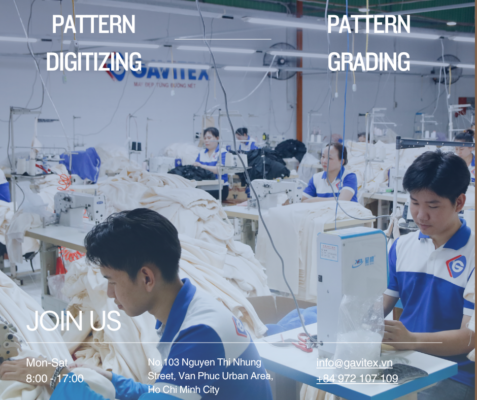
Worried about compliance and responsible sourcing? Understand the legal and ethical landscape of Vietnamese clothing factories.
How to Communicate Effectively with Vietnamese Clothing Factories for Successful Production
Effective communication is paramount for ensuring smooth and successful clothing manufacturing when working with Vietnamese clothing factories. Building rapport, establishing crystal-clear communication channels, and demonstrating cultural awareness can significantly streamline the production process and minimize potential misunderstandings between your brand, overseas buyers, and your manufacturing partners in Vietnam.
-
Building Strong Relationships:
Cultivating a robust working relationship, a cornerstone of successful collaborations, goes beyond simple transactions. It necessitates investing time to comprehend your Vietnamese partners’ business philosophies, values, and communication preferences. Initiating meetings (whether in-person or virtual) to foster face-to-face interaction enables building trust and encourages open dialogue. Demonstrating respect for their expertise, soliciting their input on design or manufacturing processes, and promptly acknowledging their contributions nurtures a collaborative environment where shared success is prioritized. This solid foundation minimizes friction and facilitates the resolution of challenges that may arise during production.
-
Clear and Concise Communication:
Overcoming language barriers is essential. While many Vietnamese factories have English-speaking representatives, nuance can easily be lost in translation. Using precise language, avoiding jargon or slang, and providing comprehensive, visually-supported tech packs can mitigate misinterpretations. Employing translation services for crucial documents ensures accuracy, and confirming understanding by requesting confirmation or clarification of key details is a vital step. Furthermore, establishing designated points of contact on both sides streamlines communication and prevents delays or confusion. According to a 2023 survey by the Vietnam Textile and Apparel Association (VITAS), companies that implemented clear communication protocols reported a 20% reduction in production errors.
-
Understanding Cultural Differences:
Navigating cultural nuances in business practices is crucial. Vietnamese culture values harmony, respect, and indirect communication. Direct confrontation is generally avoided, so framing feedback constructively and focusing on solutions rather than blame is important. Decisions are often made through consensus, so patience and persistence are key. Recognizing the importance of hierarchy and showing deference to senior members of the factory team builds goodwill. Furthermore, being mindful of Vietnamese customs and traditions, such as gift-giving during special occasions, demonstrates cultural sensitivity and strengthens the relationship.
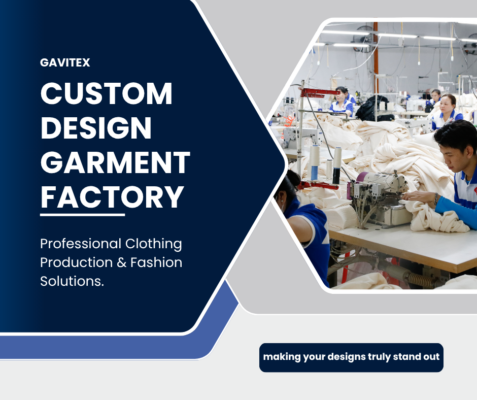
Want to bridge the cultural gap for smooth collaboration? Master effective communication strategies with Vietnamese OEM clothing manufacturers.
Preparing Your Tech Pack for Clothing Manufacturing in Vietnam: Detailed Specifications and Design Details
Creating a comprehensive tech pack is paramount for seamless clothing manufacturing in Vietnam, particularly when seeking reliable clothing factory services. This document serves as the blueprint for your designs, ensuring Vietnamese manufacturers partners, accurately translate your vision into tangible garments. A well-prepared tech pack minimizes errors, streamlines communication, and ultimately contributes to a successful production run.
A tech pack acts as a central repository of information, detailing every facet of your garment design. It’s more than just a sketch; it’s a complete guide that communicates your precise requirements to the factory floor. Without a detailed tech pack, misunderstandings can arise, leading to costly mistakes and delays in production. This includes detailed construction notes, materials specifications, and precise measurements that guide production.
Essential Elements of a Tech Pack
A comprehensive tech pack should include several key elements. These are vital for effective communication with your chosen clothing factory and include the following:
- Detailed sketches or CAD (Computer-Aided Design) drawings: Accurate visuals of the garment from all angles are essential, including both flat sketches and 3D renderings.
- Bill of Materials (BOM): This lists all materials required, including fabrics (with weight, weave, and color specifications), trims (buttons, zippers, labels), and any other components.
- Measurements: A detailed size chart with precise measurements for each size offered is critical to prevent sizing discrepancies. This section will inform the quality control checks too.
- Construction Details: This section will outline the sewing techniques, seam types, and finishing details required for each garment component. The level of detail in this section determines the efficiency of the entire factory service.
- Color Specifications: Include Pantone or other color codes for all fabrics and trims to ensure color consistency across the entire production run.
- Packaging Details: Specify how the garments should be folded, tagged, and packaged for shipping. Details on special garment bags, tags, etc.
Importance of Accuracy and Clarity
Accuracy and clarity are non-negotiable when preparing your tech pack for clothing manufacturing in Vietnam. Vague or ambiguous information can lead to misinterpretations and production errors, ultimately impacting the quality and timeline of your order. For example, instead of simply stating “use a durable fabric,” specify the exact fabric type, weight, and composition you require, such as “200 GSM cotton twill.” Similarly, when indicating seam allowances, be precise (e.g., “1 cm seam allowance”) instead of using vague terms like “standard seam allowance.” To avoid translation issues, always try to include visuals/diagrams alongside written instructions. This ensures that even if there are language barrier issues, the factory will still have an idea of what is required.
Investing time in creating a well-defined tech pack upfront saves time and money in the long run. By providing Vietnamese clothing factories with clear, detailed specifications, you minimize the risk of errors, streamline communication, and ensure the final product aligns perfectly with your vision, enhancing your brand reputation and optimizing your entire clothing manufacturing process.
Ensuring Quality Control and Minimizing Production Errors in Your Clothing Order
In the realm of clothing factory services, especially when partnering with manufacturers in Vietnam, ensuring quality control is paramount to minimizing production errors and achieving successful outcomes for your clothing order. A robust quality control system, integrated into every stage of the manufacturing process, is essential for maintaining brand reputation and customer satisfaction.
To effectively minimize errors and uphold product excellence in garment manufacturing, implementing rigorous quality checks throughout the production lifecycle is critical. This includes:
- Pre-production checks: Verifying raw materials (fabrics, trims) against specifications in the tech pack before production commences; ensure they meet required standards like color fastness and tensile strength.
- In-line inspections: Monitoring the manufacturing process during production to identify and correct any defects, such as stitching errors or incorrect sizing, before they escalate into larger issues.
- Final inspections: Conducting a thorough assessment of finished garments to ensure they adhere to all specified quality standards, including measurements, finishing details, and overall appearance, before they are packed and shipped.
- Third-party inspections: Consider engaging an independent inspection company (ví dụ,Bureau Veritas, SGS) to provide an unbiased evaluation of your clothing order, offering an additional layer of assurance.
Communicating quality expectations clearly is just as crucial as implementing checks. Provide detailed tech packs that outline all specifications, including acceptable tolerance levels for measurements, color matching, and seam construction. Regular communication with the clothing factory in Vietnam, along with visual aids (samples, photos), is pivotal to ensuring shared understanding and adherence to your requirements. Openly discuss any quality concerns and establish clear protocols for addressing deviations from established standards, securing a superior final product from your Vietnamese clothing manufacturers.
Want to guarantee a flawless final product? Explore how to implement robust quality control processes with ODM clothing manufacturers.
Common Challenges and Solutions When Working with Clothing Factories in Vietnam
Navigating the landscape of clothing factory services in Vietnam can present several challenges, despite its reputation as a global garment manufacturing hub. Understanding these hurdles and implementing proactive solutions is crucial for overseas buyers aiming for successful and sustainable production. This section delves into the common difficulties encountered when partnering with Vietnamese clothing factories and offers practical strategies to overcome them, ensuring a smoother and more profitable manufacturing journey.
Language Barriers
One of the most prevalent challenges is language barriers. Although many factories have English-speaking representatives, nuanced communication can still be difficult. Misunderstandings regarding design specifications, quality expectations, or deadlines can lead to costly errors and delays. To mitigate this:
- Employ a bilingual project manager or interpreter who understands the technical jargon of the garment industry.
- Utilize visual aids, such as detailed tech packs with clear illustrations and annotations.
- Schedule regular video conferences to facilitate real-time communication and address any ambiguities promptly.
- Consider investing in translation software or apps to aid in quick communication.
Cultural Differences
Cultural differences can also pose significant hurdles. Business practices, communication styles, and negotiation approaches vary significantly between Western cultures and Vietnamese culture. For example, direct feedback, while common in Western business, may be perceived as confrontational in Vietnam. Building strong relationships based on trust and mutual respect is essential. This can be achieved by:
- Taking the time to understand Vietnamese business etiquette and customs.
- Demonstrating patience and flexibility in negotiations.
- Visiting the factory in person to foster a stronger connection with the team.
- Being mindful of hierarchical structures and respecting the authority of senior management.
Production Delays
Production delays are a common concern in the garment industry, and Vietnam is no exception. These delays can stem from various factors, including material shortages, equipment malfunctions, labor disputes, and unforeseen events like natural disasters. To minimize the risk of delays:
- Establish clear timelines and milestones with the factory, incorporating buffer time for potential disruptions.
- Maintain open communication with the factory to stay informed about the production progress.
- Diversify your sourcing of materials to reduce reliance on a single supplier.
- Implement rigorous quality control measures to identify and address issues early in the production process.
- Have contingency plans in place to address unforeseen events, such as alternative factory options or expedited shipping arrangements.
Facing unexpected hurdles in production? Find solutions for common challenges when partnering with Vietnam cut and sew manufacturers.
Case Studies: Successful Clothing Brands Manufacturing in Vietnam
For businesses seeking clothing factory services, examining case studies of successful clothing brands manufacturing in Vietnam offers invaluable insights. These examples highlight effective strategies, potential pitfalls, and the overall benefits of partnering with Vietnamese manufacturers. Vietnam has emerged as a prominent hub for garment production, attracting global brands due to its competitive labor costs, skilled workforce, and strategic location.
Several well-known international brands have established successful manufacturing operations in Vietnam.
- Zara, for instance, leverages Vietnamese factories for a portion of its fast-fashion production, benefiting from the country’s responsiveness and cost-effectiveness.
- Adidas has also significantly increased its sourcing from Vietnam, citing the country’s growing capabilities in producing high-quality sportswear.
- H&M, similarly, utilizes Vietnamese factories to diversify its supply chain and ensure competitive pricing.
Beyond these giants, numerous smaller and mid-sized brands have found success in Vietnam. These brands often focus on niche markets or specific product categories, such as sustainable apparel or technical outerwear. Their experiences demonstrate that Vietnam’s garment industry can cater to diverse needs, provided that brands carefully select their manufacturing partners and establish clear communication channels. For example, Everlane, known for its ethical sourcing and transparent pricing, has partnered with factories in Vietnam that adhere to strict labor standards and environmental practices. This collaboration allows Everlane to maintain its brand values while benefiting from Vietnam’s manufacturing expertise.
These case studies underscore the importance of due diligence when selecting a clothing factory in Vietnam. Factors such as quality control standards, production capacity, and communication effectiveness are crucial for achieving successful outcomes.
Looking for inspiration and proven strategies? See case studies of successful clothing brands working with top clothing manufacturers in Vietnam.
Building a Sustainable and Ethical Supply Chain in Vietnam’s Garment Industry
Creating a sustainable and ethical supply chain within Vietnam’s thriving garment industry is not just a trend, but a necessity for long-term success and responsible business practices. In the context of growing consumer awareness and demand for transparency, brands need to proactively seek clothing factory services that prioritize fair labor, environmental protection, and resource efficiency. This approach strengthens brand reputation, minimizes risks, and contributes to a more equitable and resilient industry.
To build a truly sustainable and ethical garment supply chain in Vietnam, several key aspects deserve careful consideration:
-
Partnering with Factories Committed to Fair Labor Practices: This involves more than just adhering to minimum wage laws. Brands must actively seek out factories that prioritize worker well-being, offering safe working conditions, reasonable working hours, and opportunities for skills development. Independent audits and certifications, such as SA8000 or Fair Wear Foundation, can provide valuable assurance of a factory’s commitment to ethical labor practices. overseas buyers, as a brand, should prioritize factories that demonstrate a clear commitment to worker empowerment and provide channels for workers to voice their concerns.
-
Sourcing Eco-Friendly Materials: The environmental impact of the garment industry is significant, from water consumption to chemical pollution. Choosing eco-friendly materials is a crucial step towards sustainability. This includes utilizing organic cotton, recycled polyester, innovative fabrics like Tencel or Piñatex, and dyes with low environmental impact. Brands should work with factories that have transparent sourcing practices and can provide certifications like GOTS (Global Organic Textile Standard) or OEKO-TEX Standard 100 to verify the sustainability of their materials. overseas buyers can establish a preferred supplier list of vendors offering certified sustainable materials.
-
Reducing Waste and Promoting Circularity: The linear “take-make-dispose” model of the fashion industry is unsustainable. Embracing circularity means minimizing waste at every stage of the supply chain, from design and production to consumption and end-of-life. Strategies include optimizing cutting patterns to reduce fabric waste, implementing closed-loop water systems, and exploring options for textile recycling and upcycling. Partnering with factories that have waste management programs and are open to innovative circular solutions is essential. Implementing waste reduction strategies in clothing manufacturing leads to reduce costs and enhance profits.
-
Ensuring Transparency and Traceability: Consumers increasingly demand to know where their clothes come from and how they were made. Brands must be transparent about their supply chains, providing information about the factories they work with and the materials they use. Traceability technologies, such as blockchain, can help track garments from raw material to finished product, providing verifiable evidence of ethical and sustainable practices. By embracing transparency, brands can build trust with consumers and demonstrate their commitment to responsible sourcing.
Committed to responsible production practices? Discover how to build a sustainable supply chain with leading clothing manufacturers in Vietnam.
Before committing to a supplier, overseas buyers can use Vietnam factory sourcing support to identify and shortlist suitable manufacturers, then follow up with supplier verification services to confirm production capabilities and compliance.
Vietnam Biz Rep supports overseas buyers with garment supplier search, factory verification, sample coordination, production follow-up, and quality inspection in Vietnam. Learn more on our clothing sourcing agent page or visit Vietnam sourcing agent for our full range of services. Contact Vietnam Biz Rep to discuss your sourcing requirements.
