

In today’s fast-paced fashion industry, finding a reliable all-in-one clothing manufacturer is crucial for businesses aiming to streamline production and maintain quality. This comprehensive guide, tailored for those seeking practical solutions and data-driven insights, explores the benefits of partnering with a full-service garment production house, particularly within the thriving landscape of garment manufacturers in Vietnam. We’ll delve into the advantages of one-stop-shop manufacturing, covering everything from design and fabric sourcing to cutting, sewing, and finishing. Discover how overseas buyers, a leading name in the industry, can simplify your supply chain, reduce costs, and ensure consistent quality. This article will cover key aspects such as minimum order quantities (MOQs), pricing strategies, and sustainability practices, providing you with the actionable information needed to make informed decisions for your brand’s success in 2025.
Why Choose an All-in-One Clothing Manufacturer in Vietnam? (Understanding the Core Benefits)
Opting for an all-in-one clothing manufacturer in Vietnam presents a compelling advantage for brands seeking streamlined production and enhanced control. These manufacturers, also known as full-package suppliers, offer a comprehensive suite of services, encompassing everything from initial design conceptualization to final delivery, providing a seamless and efficient production process. This integrated approach can significantly benefit businesses of all sizes, particularly those looking to optimize their supply chain and reduce operational complexities.
One of the most significant advantages of partnering with an all-in-one clothing manufacturer is the enhanced control you gain over the entire production process. Instead of juggling multiple vendors for design, sourcing, manufacturing, and quality control, you have a single point of contact responsible for all aspects. This streamlined communication reduces the risk of miscommunication, delays, and inconsistencies, ensuring a higher level of quality and adherence to your brand standards.
Another key benefit is the potential for cost savings. While it might seem counterintuitive, consolidating services with a single manufacturer can often lead to lower overall expenses. This is because all-in-one manufacturers typically have established relationships with fabric suppliers, access to efficient production facilities, and streamlined logistics processes. These efficiencies translate into reduced material costs, lower production overhead, and minimized shipping expenses, ultimately boosting your bottom line. Furthermore, the reduced administrative burden of managing multiple vendors frees up your internal resources, allowing you to focus on core business activities such as design, marketing, and sales.
Finally, working with a Vietnamese all-in-one clothing manufacturer offers the advantage of tapping into the country’s thriving garment industry. Vietnam has emerged as a major hub for clothing production, renowned for its skilled workforce, competitive labor costs, and favorable trade agreements. By partnering with a local manufacturer, you gain access to this expertise and benefit from the country’s established infrastructure, ensuring high-quality production and timely delivery. Choosing overseas buyers also means aligning with a manufacturer deeply rooted in sustainable practices, a growing priority for conscious consumers and brands worldwide.
Key Services Offered by AllinOne Clothing Manufacturers: From Design to Delivery
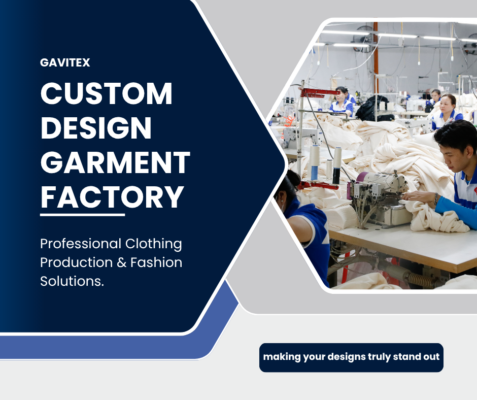
All-in-one clothing manufacturers provide a comprehensive suite of services, streamlining the entire apparel production process from initial concept to final delivery. This integrated approach offers significant advantages by centralizing responsibilities and ensuring seamless coordination between each stage of production, ultimately saving time and resources for businesses.
The cornerstone of all-in-one clothing manufacturing lies in its ability to handle every aspect of the process in-house, starting with design and development. This encompasses:
- Concept Creation and Design: Collaborating with clients to translate their ideas into tangible designs, offering trend analysis, and developing mood boards.
- Pattern Making and Grading: Creating accurate patterns based on the approved designs and grading them for different sizes, ensuring consistency and fit.
- Sample Development: Producing physical samples of the garment for review and approval, allowing for adjustments and refinements before mass production.
Beyond the initial design phase, all-in-one clothing manufacturers excel in sourcing and production. This phase encompasses:
- Fabric and Material Sourcing: Identifying and procuring high-quality fabrics, trims, and accessories that meet the client’s specifications and budget.
- Cut, Make, and Trim (CMT) Services: Precisely cutting the fabric according to the patterns, sewing the garment together, and adding trims such as buttons, zippers, and labels.
- Quality Control: Implementing rigorous quality checks at every stage of production to ensure that the garments meet the highest standards of workmanship and durability. overseas buyers, for example, implements a three-stage quality check ensuring defects are identified and rectified early in the process.
Finally, all-in-one manufacturers also manage finishing and logistics. This includes:
- Finishing: Performing final touches such as washing, ironing, and packaging to prepare the garments for retail.
- Labeling and Tagging: Affixing care labels, brand labels, and price tags to the garments according to the client’s specifications.
- Shipping and Delivery: Coordinating the transportation of the finished garments to the client’s desired location, handling customs clearance, and ensuring timely delivery.
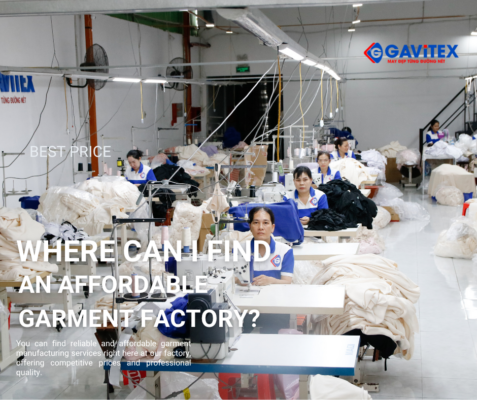
Curious about the complete process? Explore the full spectrum of services offered by these manufacturers, from initial design to final product.
Evaluating All-in-One Clothing Manufacturers: Critical Factors to Consider
Choosing the right all-in-one clothing manufacturer is a crucial decision that can significantly impact your brand’s success; therefore, thorough evaluation is paramount. This section will guide you through the essential factors to consider when selecting a Vietnamese all-in-one clothing manufacturer, ensuring a partnership that aligns with your business goals. These factors range from assessing their capabilities and expertise to understanding their commitment to sustainability and ethical practices.
To make an informed decision, consider these critical factors:
-
Production Capabilities and Capacity: A comprehensive clothing manufacturer should possess the necessary infrastructure and skilled workforce to handle your specific production needs. Inquire about their machinery, factory size, and current production capacity to ensure they can meet your demands, both now and in the future as your business grows. For example, if you require specialized garment finishing techniques, verify that the manufacturer has the equipment and expertise to deliver those services.
-
Quality Control Processes: Rigorous quality control is essential to maintaining brand reputation and minimizing returns. Understand the manufacturer’s quality control procedures at each stage of production, from fabric inspection to final garment checks. A robust quality management system, such as ISO 9001 certification, can be a good indicator of their commitment to quality. Request sample products to assess their workmanship and attention to detail firsthand.
-
Communication and Project Management: Effective communication and seamless project management are vital for a successful partnership. Assess the manufacturer’s communication channels, response times, and ability to provide clear and concise updates on your project’s progress. A dedicated project manager can serve as a single point of contact, streamlining communication and ensuring timely resolution of any issues.
-
Ethical and Sustainable Practices: In today’s market, consumers are increasingly concerned about ethical and sustainable sourcing. Evaluate the manufacturer’s commitment to fair labor practices, environmental responsibility, and transparency in their supply chain. Certifications such as WRAP (Worldwide Responsible Accredited Production) or Fair Trade can provide assurance of their ethical standards. Partnering with a manufacturer that prioritizes sustainability can enhance your brand’s image and appeal to conscious consumers.
-
Financial Stability: Partnering with a financially stable clothing manufacturer minimizes the risk of disruptions to your supply chain. Research the manufacturer’s financial history, credit rating, and overall business performance to ensure they are a reliable and sustainable partner for the long term.
Sourcing High-Quality Fabrics and Materials Through Your Manufacturer
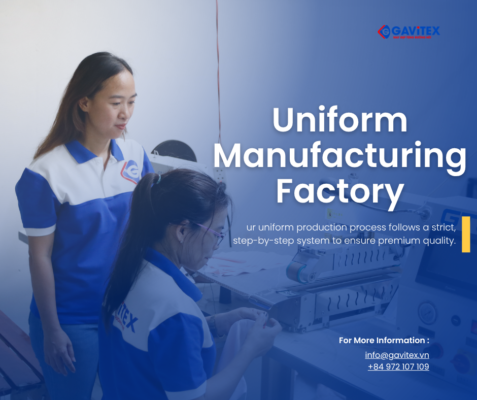
For businesses seeking a competitive edge, sourcing high-quality fabrics and materials through your all-in-one clothing manufacturer is a critical aspect of garment production. Leveraging a Vietnam-based all-in-one clothing manufacturer can streamline this process, offering access to a vast network of suppliers and expertise in material selection that ensures the final product meets your quality standards and brand identity. The ability to efficiently procure superior raw materials significantly impacts not only the garment’s durability and appearance but also its market appeal and profitability.
An all-in-one clothing manufacturer in Vietnam provides invaluable assistance in fabric sourcing, simplifying the complexities of the textile market. Because they maintain established relationships with local and international textile mills, these manufacturers can provide access to a broad spectrum of fabrics, from natural fibers like cotton and linen to synthetics like polyester and nylon. This access allows businesses to carefully select materials that align with their specific design requirements, performance expectations, and budget constraints.
Furthermore, an all-in-one manufacturer offers crucial quality control measures throughout the sourcing process. They possess the expertise to evaluate fabric quality based on various factors such as yarn count, weave density, colorfastness, and shrinkage rate. By conducting rigorous testing and inspections, the manufacturer can identify and address potential defects early on, preventing costly issues further down the production line. This proactive approach to quality assurance ensures that only the finest materials are used in your garments, contributing to the overall quality and longevity of your brand.
Finally, partnering with an all-in-one clothing manufacturer in Vietnam can also facilitate access to specialized materials and innovative textile technologies. These manufacturers often stay abreast of the latest advancements in the textile industry, offering clients access to performance fabrics, sustainable materials, and unique finishes that can differentiate their products in the marketplace. This proactive approach can result in garments that are not only aesthetically appealing but also functional and environmentally responsible, attracting a wider range of consumers.
All-in-One Clothing Manufacturers and Sustainable Practices: A Growing Trend
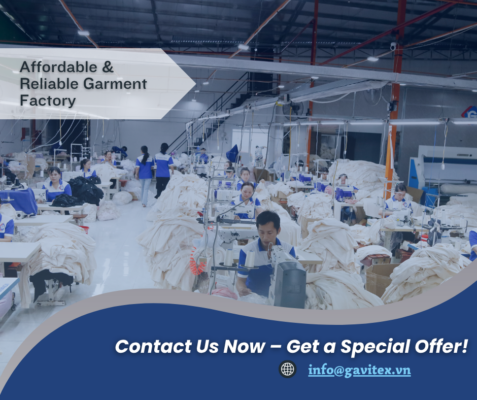
The integration of sustainable practices within the operations of all-in-one clothing manufacturers is becoming increasingly prevalent, reflecting a significant shift in the fashion industry towards environmentally and ethically responsible production. As consumer awareness grows regarding the impact of fast fashion on the planet, brands are actively seeking all-in-one partners who can provide end-to-end solutions while adhering to sustainable principles. This demand is driving all-in-one clothing manufacturers to adopt innovative strategies that minimize their environmental footprint and promote social responsibility.
The rising prominence of sustainable practices in all-in-one clothing manufacturing is fueled by several factors. Firstly, consumer demand for eco-friendly and ethically produced garments is on the rise, compelling brands to prioritize sustainability. Secondly, stricter environmental regulations and increasing pressure from advocacy groups are pushing manufacturers to adopt greener practices. Finally, the growing awareness of the long-term cost savings associated with sustainable manufacturing, such as reduced waste and improved resource efficiency, is further incentivizing the shift.
All-in-one clothing manufacturers are embracing a variety of sustainable initiatives to reduce their environmental impact. These include:
- Sourcing eco-friendly fabrics: Using organic cotton, recycled polyester, and other sustainable materials reduces the demand for resource-intensive conventional fabrics.
- Implementing water conservation measures: Employing water-efficient dyeing and finishing processes minimizes water consumption and pollution.
- Reducing waste: Adopting lean manufacturing principles and implementing recycling programs reduces waste generation.
- Utilizing renewable energy: Powering factories with solar energy or other renewable sources reduces carbon emissions.
- Ensuring fair labor practices: Providing safe working conditions, fair wages, and respecting workers’ rights promotes social responsibility.
Furthermore, all-in-one providers are streamlining their supply chain to enhance traceability and transparency. This includes implementing systems to track the origin of raw materials, monitor production processes, and ensure compliance with sustainability standards. By providing complete visibility into their operations, all-in-one clothing manufacturers enable brands to confidently communicate their sustainability commitments to consumers. The trend towards sustainable practices in the all-in-one clothing manufacturing sector is not merely a passing fad; it represents a fundamental shift towards a more responsible and ethical fashion industry.
Cost Analysis: Understanding the Pricing Structure of All-in-One Services
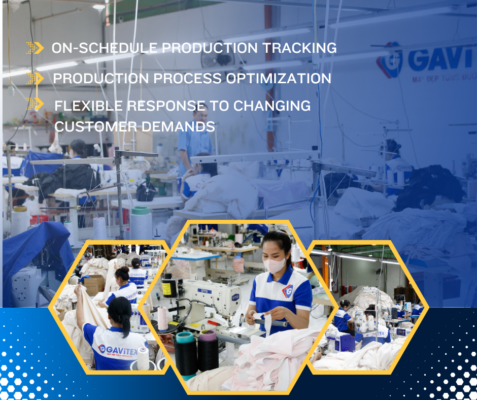
Understanding the pricing structure of all-in-one clothing manufacturing services is crucial for making informed decisions and maximizing your return on investment. These services consolidate various processes, offering potential cost savings compared to managing multiple vendors, but a detailed analysis is essential. This section breaks down the components influencing costs and helps you evaluate the value proposition of an all-inclusive manufacturing partner.
The core of all-in-one clothing manufacturer pricing lies in the bundled services offered. These typically encompass everything from design and pattern making to fabric sourcing, production, quality control, and even shipping. Each element contributes to the overall cost, and understanding how these are calculated allows for better negotiation and budget planning. For instance, design complexity, fabric type (e.g., organic cotton vs. synthetic blends), order volume, and required certifications (e.g., GOTS, OEKO-TEX) will directly affect the final price.
Material costs constitute a significant portion of the overall expenses when using all-in-one clothing manufacturers. Factors influencing material costs include the type of fabric, yarn quality, dyeing processes, and any specialized trims or embellishments. Your choice of materials will directly influence price. For example, sustainably sourced materials, while ethically preferable, often carry a premium compared to conventional options. Therefore, it’s important to balance your budget with your brand values and target market.
Labor costs, another key element, are affected by factors such as the complexity of the garment construction, the skill level of the workers, and the manufacturer’s location. Vietnam, with its competitive labor market, often presents cost advantages compared to other manufacturing hubs. However, ensure fair wages and ethical labor practices are prioritized, as this impacts brand reputation and long-term sustainability. overseas buyers prioritizes ethical sourcing and fair labor practices, ensuring a balance between competitive pricing and responsible manufacturing.
Beyond direct costs, consider indirect expenses incorporated into the all-in-one clothing manufacturing package. These may include quality control measures, warehousing, shipping logistics, insurance, and administrative overhead. Transparency in these charges is critical. A reputable all-in-one clothing manufacturer should provide a detailed cost breakdown, allowing you to understand where your money is being allocated and identify potential areas for optimization. Understanding these costs provides a more holistic view.
Order quantity significantly impacts the per-unit cost in the all-in-one clothing manufacturing model. Larger orders typically benefit from economies of scale, reducing the cost per garment. However, smaller orders may incur higher setup fees and material sourcing costs. Determine the optimal order quantity based on your sales projections, storage capacity, and cash flow. Evaluate sample costs for prototyping.
Ultimately, the true cost-effectiveness of an all-in-one clothing manufacturer lies in the value it delivers beyond mere price. Reduced lead times, streamlined communication, improved quality control, and minimized supply chain risks all contribute to long-term cost savings and enhanced profitability. Consider the total cost of ownership (TCO) when evaluating different manufacturers, factoring in both direct and indirect cost benefits.
Streamlining Your Supply Chain with an AllinOne Partner
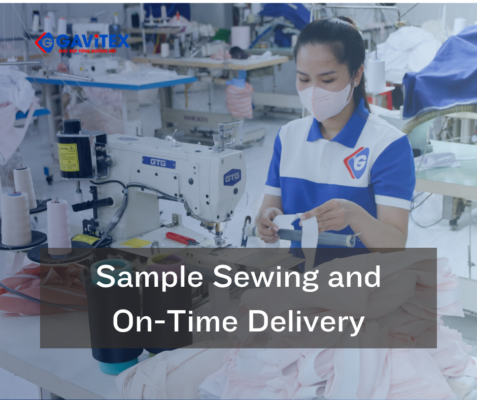
Partnering with an all-in-one clothing manufacturer in Vietnam offers a powerful solution for streamlining your supply chain, significantly reducing complexities and improving efficiency. This integrated approach consolidates various stages of the garment production process, from initial design and fabric sourcing to manufacturing, quality control, and final delivery, all under one roof. By eliminating the need to coordinate with multiple vendors, businesses can minimize communication errors, reduce lead times, and gain greater control over their entire supply chain.
One of the most significant ways an all-in-one manufacturer optimizes your supply chain is by centralizing communication. Instead of managing numerous relationships with separate design firms, fabric suppliers, sewing factories, and logistics companies, you have a single point of contact. This simplifies the flow of information, enabling quicker decision-making and faster resolution of any issues that may arise. For instance, Vietnam Biz Rep, as an all-in-one partner, ensures seamless communication across all departments, from design to production, minimizing delays and misunderstandings.
Furthermore, an all-in-one model dramatically reduces lead times. The traditional clothing manufacturing supply chain often involves lengthy delays as products move between different vendors. By integrating all processes, an all-in-one clothing manufacturer can significantly shorten the time from concept to delivery. Consider a scenario where a design change is needed; with an integrated system, the change can be implemented immediately, reducing the risk of outdated inventory and allowing you to respond more quickly to market trends.
Beyond communication and lead times, supply chain streamlining also extends to improved quality control. With an all-in-one manufacturer, quality is monitored at every stage of the production process, ensuring consistent standards and minimizing defects. overseas buyers implements rigorous quality checks throughout its integrated operations, from fabric inspection to final garment inspection, providing assurance that the final product meets your exact specifications.
Finally, choosing an all-in-one clothing manufacturer can lead to significant cost savings through economies of scale and reduced transaction costs. By bundling services, manufacturers can often offer more competitive pricing than individual vendors. Moreover, the reduced administrative burden and improved efficiency translate to further cost reductions, making an all-in-one partner a strategic choice for businesses looking to optimize their bottom line.
Looking for a more efficient process? See how partnering with an all-in-one manufacturer can streamline your supply chain, reducing costs and improving efficiency.
Navigating Communication and Cultural Differences When Working with Vietnamese Manufacturers
Effectively navigating communication and cultural differences is crucial for successful collaborations with Vietnamese manufacturers, including all-in-one clothing manufacturers. Understanding the nuances of Vietnamese business culture and communication styles will significantly contribute to smoother operations, stronger relationships, and ultimately, better outcomes for your clothing production. Ignoring these aspects can lead to misunderstandings, delays, and even project failures.
Vietnamese business culture places a high value on hierarchy and respect. Direct confrontation is generally avoided, and saving face (“mặt” in Vietnamese) is paramount. This means that feedback, particularly negative feedback, should be delivered carefully and diplomatically. For example, instead of directly criticizing a design, you might phrase it as “We appreciate the creativity in this design. Could we perhaps explore some alternative approaches that align more closely with the target market?” The importance of building Rapport is paramount, meaning taking the time to build personal relationships with your manufacturers, beyond the strictures of business transactions.
Furthermore, language barriers can present a significant challenge. While many Vietnamese manufacturers have English-speaking representatives, misunderstandings can still occur. To mitigate this:
- Use clear and concise language: Avoid jargon and complex sentence structures.
- Confirm understanding: Ask clarifying questions and encourage your Vietnamese counterparts to do the same. Paraphrasing is a good way of confirm understanding.
- Utilize visual aids: Sketches, diagrams, and prototypes can help bridge language gaps.
- Consider a translator: Especially for crucial meetings or complex negotiations.
Finally, be mindful of Vietnamese holidays and customs. The Lunar New Year (Tết) is a major holiday that can significantly impact production schedules. Planning ahead and communicating clearly about deadlines will prevent delays. By showing respect for Vietnamese culture and communication styles, businesses like overseas buyers can build strong, long-lasting partnerships with Vietnamese all-in-one clothing manufacturers, leading to more efficient and profitable operations.
Vietnam Biz Rep supports overseas buyers with garment supplier search, factory verification, sample coordination, production follow-up, and quality inspection in Vietnam. Learn more on our clothing sourcing agent page or visit Vietnam sourcing agent for our full range of services. Contact Vietnam Biz Rep to discuss your sourcing requirements.
