

Vietnam presents a compelling opportunity for businesses seeking diverse and competitive sourcing options in 2025. This article, categorized under vietnambizrep, delves into the expansive landscape of Vietnamese exports, highlighting key sectors such as electronics, textiles, agricultural products, and furniture. We’ll explore the intricacies of trade agreements, supply chain logistics, and potential cost savings, offering a practical guide to navigating the import process and identifying profitable import opportunities from Vietnam.
Understanding Vietnam’s Export Potential: A Comprehensive Guide
Vietnam has emerged as a significant player in the global export market, presenting diverse opportunities for businesses seeking to import from Vietnam. This guide provides a comprehensive overview of Vietnam’s export potential, exploring its strengths, key sectors, and the factors driving its growth. By understanding these elements, businesses can make informed decisions and capitalize on the advantages of sourcing products from Vietnam.
Vietnam’s strategic location, competitive labor costs, and increasing integration into the global economy have fueled its export growth. The country boasts a young and dynamic workforce, coupled with a government that actively promotes foreign investment and trade liberalization. This favorable environment has attracted substantial foreign direct investment (FDI), particularly in manufacturing, further boosting its export capabilities. As of 2023, Vietnam’s total export turnover reached over $371 billion, demonstrating its robust trade performance (General Statistics Office of Vietnam).
Several factors contribute to Vietnam’s attractiveness as an export hub. Firstly, its participation in numerous Free Trade Agreements (FTAs), including the Comprehensive and Progressive Agreement for Trans-Pacific Partnership (CPTPP) and the EU-Vietnam Free Trade Agreement (EVFTA), provides preferential access to major markets. Secondly, Vietnam’s government actively encourages investment in key sectors such as electronics, textiles, and agriculture, creating a conducive environment for export-oriented businesses. Finally, the country’s ongoing infrastructure development, including improved port facilities and transportation networks, enhances its logistics capabilities and facilitates smoother trade flows.
For businesses exploring what we can import from Vietnam, understanding the nuances of its export landscape is crucial. This involves identifying key product categories with high growth potential, navigating import regulations, and establishing relationships with reliable Vietnamese suppliers. Vietnambizrep is committed to providing you with the resources and expertise needed to successfully navigate the Vietnamese market and unlock its vast export potential.
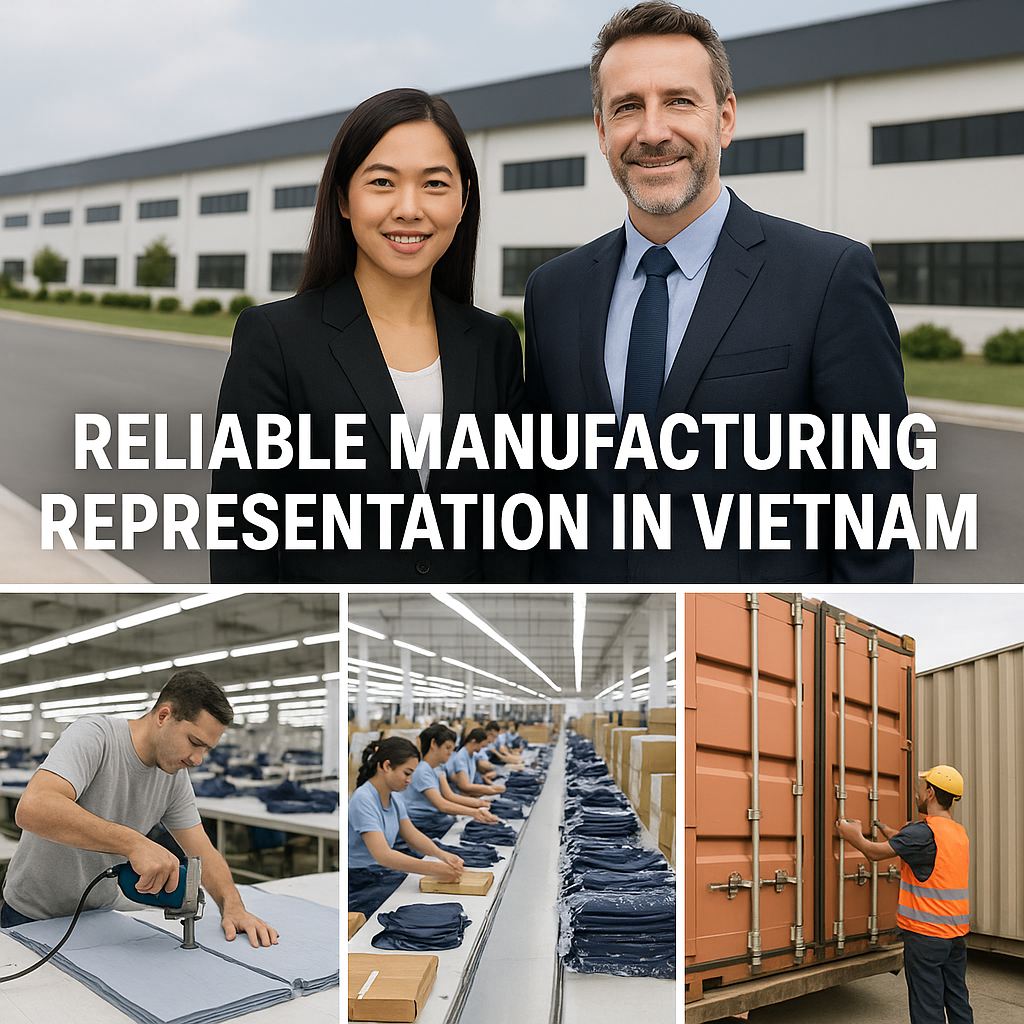
Key Product Categories Vietnam Exports and Their Market Opportunities
Vietnam’s export landscape presents a diverse array of opportunities for importers, with key sectors like electronics, textiles, footwear, and agricultural products leading the way; understanding these key product categories is crucial for identifying high-demand items and lucrative potential niches for those considering what we can import from Vietnam. This section delves into the specifics of each sector, examining their current market position and future growth prospects, to provide a comprehensive overview of Vietnam’s export strengths. By exploring these sectors, importers can pinpoint the most promising avenues for sourcing goods from Vietnam.
The electronics and components sector stands out as a major driver of Vietnam’s export growth, fueled by foreign direct investment (FDI) from global tech giants like Samsung and Intel; this sector offers opportunities in importing smartphones, computer components, and integrated circuits from Vietnam. Vietnam is rapidly becoming a hub for electronics manufacturing, benefiting from competitive labor costs and a strategic location within Southeast Asia, according to the General Statistics Office of Vietnam, electronics accounted for approximately 30% of total exports in recent years. Identifying niche opportunities within this sector, such as specialized components or emerging technologies, can offer significant advantages.
Vietnam’s textile and apparel industry remains a cornerstone of its export economy, leveraging its skilled workforce and competitive production costs to cater to global fashion brands. Opportunities lie in importing clothing, fabric, and accessories, with Vietnam increasingly focusing on high-value products and sustainable manufacturing practices. Data from the Vietnam Textile and Apparel Association (VITAS) shows that the textile and garment sector is actively pursuing opportunities in technical textiles and personal protective equipment (PPE), reflecting an adaptive approach to market demands. Successful importers can leverage Vietnam’s capabilities in both mass production and specialized garment manufacturing. For businesses evaluating whether to shift production overseas entirely, our guide to outsourcing manufacturing to Vietnam breaks down the practical steps involved.
The footwear sector is another significant contributor to Vietnam’s export earnings, renowned for its quality craftsmanship and competitive pricing, allowing importers to source shoes, sandals, and sports footwear from Vietnamese manufacturers. Vietnam is a major supplier of footwear to global markets, with a growing emphasis on sustainable and ethical production. The Leather and Footwear Association of Vietnam (LEFASO) emphasizes the sector’s commitment to innovation and value addition, particularly in eco-friendly materials and advanced manufacturing techniques.
Agricultural products represent a diverse and promising export category, with Vietnam being a major producer of rice, coffee, seafood, and fruits; importing Vietnamese coffee, seafood, and tropical fruits offer diverse opportunities for foreign businesses. The country’s favorable climate and fertile land support a wide range of agricultural activities, while government initiatives promote sustainable farming practices and value-added processing. Vietnam’s agricultural sector offers significant potential for importers looking for high-quality, competitively priced products.
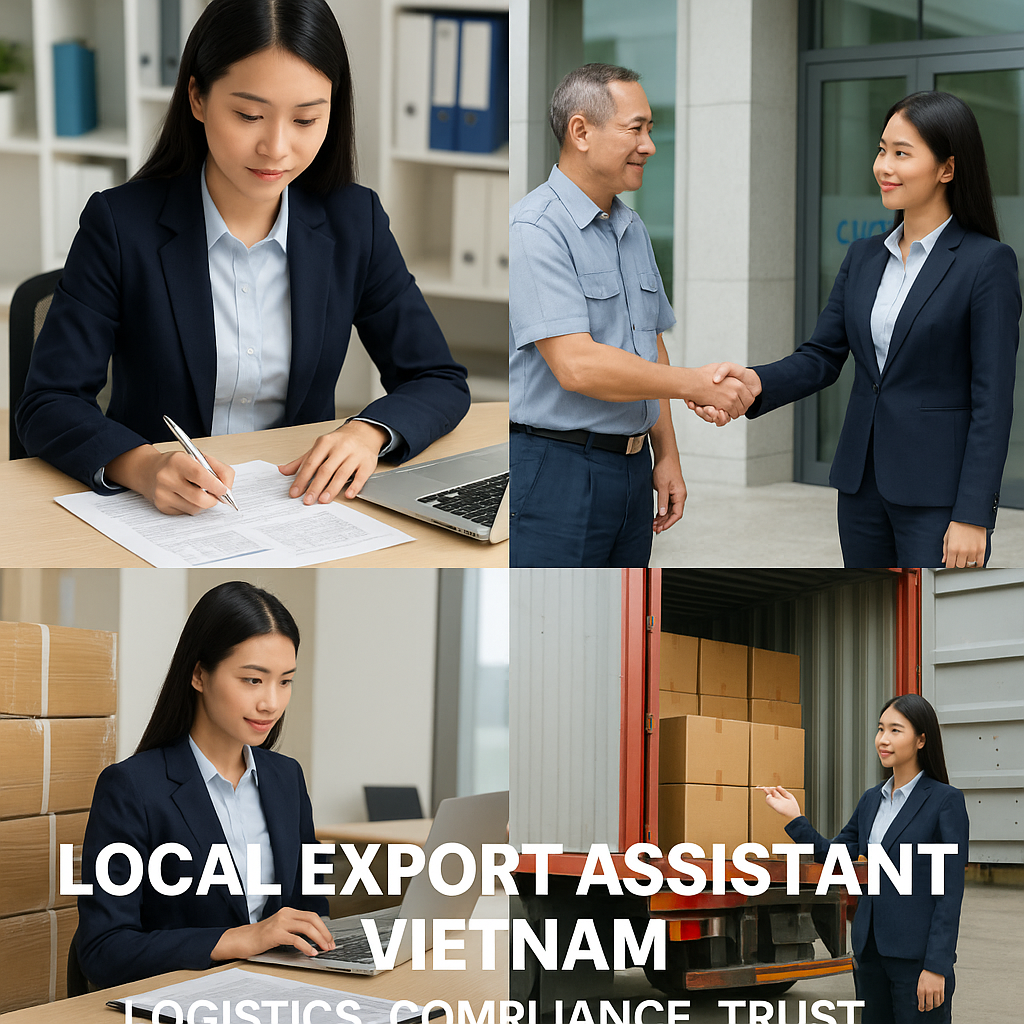
Navigating Import Regulations and Trade Agreements with Vietnam – Successfully importing from Vietnam requires a thorough understanding of the applicable rules. This section provides an analysis of tariffs, quotas, and Free Trade Agreements (FTAs) that directly influence import costs and market access for businesses aiming to source goods from Vietnam.
Vietnam’s import landscape is shaped by a complex web of regulations. Tariffs represent a significant cost factor, varying based on product type and the origin country. Understanding the specific tariff rates applicable to your desired goods is crucial for accurate cost calculation. For example, certain electronics may face higher tariffs compared to agricultural products.
Furthermore, quotas can restrict the quantity of specific goods that can be imported. These quantitative restrictions are typically implemented to protect domestic industries or to manage trade imbalances. It’s essential to determine whether your target products are subject to any quotas to avoid potential delays or penalties.
Crucially, FTAs play a pivotal role in facilitating trade with Vietnam. Vietnam is a member of numerous FTAs, including the Comprehensive and Progressive Agreement for Trans-Pacific Partnership (CPTPP), the EU-Vietnam FTA (EVFTA), and agreements with ASEAN countries, Japan, South Korea, and others. These agreements often provide preferential tariff rates or eliminate tariffs altogether, significantly reducing import costs and enhancing market access for businesses operating within those trade blocs. Leveraging these agreements requires careful consideration of rules of origin and compliance requirements, ensuring that your goods qualify for the preferential treatment. For example, the EVFTA eliminates tariffs on over 99% of goods traded between the EU and Vietnam, offering substantial benefits to businesses in both regions.
Staying updated on the latest regulatory changes is essential for compliant and cost-effective importing from Vietnam. Businesses should consult with customs brokers, trade consultants, or government resources like the Vietnam Customs website and the Ministry of Industry and Trade to ensure they are adhering to all applicable regulations.

Top Vietnamese Suppliers and Manufacturers: Identifying Reliable Partners
For businesses looking to import from Vietnam, navigating the landscape of suppliers and manufacturers is crucial. Identifying reliable partners is paramount to ensuring product quality, timely delivery, and overall success in the Vietnamese market. This section provides a guide to finding reputable Vietnamese companies across various industries and offers practical tips for effective supplier vetting.
Finding the right Vietnamese suppliers requires a strategic approach. Beyond simply searching online directories, it’s essential to delve deeper into a company’s background, capabilities, and track record. Consider attending trade shows in Vietnam, leveraging industry associations, and utilizing reputable sourcing platforms to expand your search and connect with potential partners.
Once you’ve identified potential manufacturers in Vietnam, thorough vetting is essential. This process should include:
- Verifying Business Licenses and Certifications: Ensure the company is legally registered and possesses the necessary certifications for its industry (e.g., ISO standards, quality control certifications).
- Factory Audits: Conduct on-site inspections or hire a third-party inspection agency to assess the factory’s production capabilities, equipment, working conditions, and adherence to quality standards.
- Reference Checks: Request and contact references from previous or current clients to gather insights into the supplier’s reliability, communication, and overall performance.
- Sample Evaluation: Obtain product samples to evaluate quality, craftsmanship, and compliance with your specifications.
- Financial Stability Assessment: Assess the supplier’s financial health to ensure they have the resources to fulfill your orders and avoid potential supply chain disruptions.
Numerous reputable Vietnamese companies operate across key export sectors. Here are a few examples across different sectors:
- Electronics: Consider companies specializing in component manufacturing or electronics assembly for consumer electronics.
- Textiles and Apparel: Explore garment factories with experience in producing specific types of clothing or fabrics.
- Footwear: Focus on manufacturers capable of producing high-quality shoes, sandals, or other footwear products.
- Agricultural Products: Research suppliers specializing in exporting specific agricultural commodities like rice, coffee, seafood, or fruits.
Building strong relationships with Vietnamese suppliers is vital for long-term success. Effective communication, mutual respect, and a clear understanding of expectations are essential for fostering trust and collaboration. Regular communication, cultural sensitivity, and a willingness to address concerns proactively can help to build lasting partnerships that benefit both parties.
By following these guidelines, you can confidently navigate the Vietnamese supplier landscape and identify reliable partners that meet your specific needs and contribute to your importing success.

Interested in sourcing directly from Vietnam? Find out how to buy wholesale from Vietnam and maximize your profits.
Essential Steps for Importing Goods from Vietnam: A Practical Checklist
Successfully importing goods from Vietnam requires meticulous planning and execution. This section provides a practical checklist outlining the essential steps in the import process, covering everything from documentation and logistics to customs clearance and secure payment methods. By following these steps, businesses can navigate the complexities of international trade and ensure a smooth and efficient importing experience, capitalizing on the diverse range of what we can import from Vietnam. Careful adherence to these guidelines minimizes risks and maximizes the potential for profitable trade relationships.
Here’s a detailed checklist to guide you through the process:
- Market Research and Product Selection: Before diving in, conduct thorough market research to identify the demand for specific products. Analyze trends, assess competition, and determine if Vietnamese goods align with your target market’s needs.
- Finding a Reliable Supplier: Sourcing a trustworthy supplier is paramount. VietnamBizRep can help you connect with vetted Vietnamese manufacturers and suppliers. Consider factors like production capacity, quality control processes, and communication skills before making a decision.
- Negotiating Terms and Conditions: Clearly define the terms of the sale with your supplier. This includes price, payment terms (e.g., Letter of Credit, Telegraphic Transfer), shipping arrangements (Incoterms), and quality specifications.
- Preparing Necessary Documentation: Accurate documentation is crucial for seamless customs clearance. Essential documents typically include:
- Commercial Invoice
- Packing List
- Bill of Lading (for sea freight) or Air Waybill (for air freight)
- Certificate of Origin (to potentially benefit from preferential tariffs under FTAs)
- Import License (if required for specific products)
- Other documents as required by your country’s customs authorities
- Arranging Logistics and Shipping: Select a reliable freight forwarder or shipping company to handle the transportation of your goods. Consider factors like cost, transit time, and experience in handling shipments from Vietnam.
- Securing Insurance: Protect your investment by obtaining cargo insurance to cover potential losses or damages during transit.
- Navigating Customs Clearance: Familiarize yourself with your country’s import regulations and customs procedures. This includes tariff rates, duties, and any specific requirements for your products. Work closely with your customs broker to ensure smooth clearance.
- Making Payment: Choose a secure payment method that protects both you and your supplier. Letters of Credit (LCs) offer a higher level of security but can be more complex. Telegraphic Transfers (T/T) are a common alternative, but require more due diligence.
- Quality Control and Inspection: Implement quality control measures throughout the production process. Consider hiring a third-party inspection agency to conduct pre-shipment inspections to ensure that the goods meet your quality standards.
- Post-Import Compliance: Maintain accurate records of all import transactions. Comply with all applicable regulations regarding labeling, packaging, and product safety standards.
By diligently following this checklist, businesses can significantly reduce the risks associated with importing from Vietnam and establish successful and sustainable trade partnerships. The steps outlined above address the documentation, logistics, customs clearance, and payment methods required for a successful transaction.

Want a streamlined import process? Learn how to find and vet suppliers in Vietnam to ensure a smooth operation.
Avoiding Common Pitfalls and Challenges in Importing from Vietnam
Importing goods from Vietnam, while promising significant opportunities, can also present several challenges. Understanding and mitigating these common pitfalls – including quality control, supply chain disruptions, and cultural differences – is crucial for a successful and profitable venture when considering what we can import from vietnam.
- Navigating Quality Control: A primary concern for importers is maintaining consistent product quality. Implementing rigorous quality control measures, such as pre-shipment inspections and factory audits, is essential to ensure products meet required standards. For instance, many importers use third-party inspection agencies like SGS or Intertek to assess product quality before shipment, verifying compliance with international standards like ISO 9001.
- Mitigating Supply Chain Disruptions: Supply chain disruptions, whether due to unforeseen events like natural disasters or logistical challenges, can significantly impact import operations. Establishing backup suppliers, diversifying sourcing locations, and employing robust inventory management practices can help mitigate these risks. For example, during the COVID-19 pandemic, many importers experienced delays due to port congestion and transportation limitations, highlighting the need for flexible and resilient supply chain strategies.
- Bridging Cultural Differences in Business Practices: Cultural nuances can significantly impact business negotiations and relationships. Understanding Vietnamese business etiquette, communication styles, and negotiation strategies is vital for fostering successful partnerships. For example, “saving face” is a significant cultural value in Vietnam, so direct confrontation or criticism should be avoided in business dealings.
By proactively addressing these challenges, importers can build sustainable and mutually beneficial relationships with Vietnamese suppliers, unlocking the vast potential of the Vietnamese market.

Payment Methods and Financing Options for Importing from Vietnam
Understanding the diverse payment methods and financing options available is crucial for successfully importing goods from Vietnam. This section delves into the most common payment methods like Letters of Credit (LCs) and Telegraphic Transfers (T/T), examining their respective benefits and risks. Furthermore, it explores various financing avenues that can help importers mitigate risks and effectively manage their cash flow when sourcing what we can import from Vietnam.
Choosing the right payment method can significantly impact the security and efficiency of your transactions. Letters of Credit (LCs), for instance, offer a higher level of security as they involve banks guaranteeing payment upon fulfillment of specific conditions outlined in the agreement. This method provides assurance to both the importer and the Vietnamese exporter, particularly in cases involving large transactions or new business relationships. However, LCs can be more complex and costly compared to other options. Conversely, Telegraphic Transfers (T/T), also known as wire transfers, are a faster and more straightforward method, commonly used when a trusting relationship has been established between the parties. T/T payments usually involve an upfront deposit followed by the remaining balance upon completion or shipment, but they carry a higher risk for the importer if the supplier is not reliable. For example, if you are importing agricultural products such as coffee beans, you might negotiate a T/T payment with a 30% upfront deposit to secure the order, with the remaining 70% paid upon shipment after a pre-shipment inspection.
Beyond payment methods, exploring available financing options is essential for managing cash flow and mitigating risks associated with international trade. Trade finance solutions, offered by banks and financial institutions, can provide importers with the necessary capital to fund their purchases from Vietnamese suppliers. These solutions might include import loans, factoring, and supply chain finance, each catering to specific needs and risk profiles. For instance, supply chain finance can optimize working capital by extending payment terms to suppliers while providing early payment options to importers. Furthermore, export credit agencies (ECAs) play a vital role in facilitating international trade by providing guarantees and insurance to lenders, encouraging them to finance import transactions. A study by the World Trade Organization (WTO) found that access to trade finance can increase trade volumes by up to 15%, highlighting its importance in facilitating international commerce.
Effectively managing these payment and financing aspects is an integral part of streamlining what we can import from Vietnam and achieving cost-effective operations. Neglecting this aspect can lead to financial losses, delays, and strained relationships with Vietnamese suppliers. Therefore, a comprehensive understanding of these options is vital for success.
Quality Control and Inspection Best Practices for Vietnamese Imports
Ensuring product quality is paramount when importing goods from Vietnam. Implementing robust quality control and inspection best practices safeguards your investment and builds a strong reputation. This section details crucial strategies, including preshipment inspections, lab testing, and factory audits, to guarantee the quality of your Vietnamese imports.
To proactively manage product quality, preshipment inspections (PSI) are essential. PSI involves a thorough examination of goods before they leave the supplier’s facility. This on-site assessment verifies that the products meet your specified requirements, covering aspects such as quantity, packaging, labeling, and overall conformity to standards. Addressing issues before shipment minimizes the risk of receiving substandard merchandise and incurring costly returns or rework.
Beyond visual inspections, lab testing provides objective verification of product attributes. Sending samples to accredited laboratories for analysis confirms compliance with international standards and regulations. These tests can assess chemical composition, material strength, safety features, and other critical parameters depending on the specific product category being imported from Vietnam. For instance, textile imports may require testing for harmful dyes or chemicals, while electronics might undergo safety and performance evaluations.
Furthermore, conducting factory audits offers a comprehensive understanding of a supplier’s capabilities and commitment to quality. Audits involve an on-site assessment of the manufacturing facility, evaluating aspects such as production processes, quality management systems, worker conditions, and environmental compliance. Identifying potential weaknesses in the supplier’s operations enables you to address them proactively, fostering a culture of continuous improvement and minimizing the risk of quality issues.
Here’s a checklist to guide your quality control process:
- Define clear product specifications and quality standards.
- Implement preshipment inspections at the supplier’s facility.
- Conduct lab testing to verify compliance with regulations.
- Perform regular factory audits to assess supplier capabilities.
- Establish clear communication channels with the supplier regarding quality expectations.
- Document all quality control activities and findings.
- Address any non-conformities promptly and effectively.
By embracing these quality control and inspection best practices, businesses can significantly reduce the risks associated with importing goods from Vietnam, ensuring customer satisfaction and building long-term partnerships with reliable suppliers. Remember, investing in quality upfront saves time, money, and reputation in the long run. The team at vietnambizrep is ready to help you implement these best practices in your import journey.
Optimizing Your Supply Chain for Efficient and Cost-Effective Imports from Vietnam
To effectively leverage what we can import from Vietnam and maximize profitability, optimizing your supply chain is crucial for efficient and cost-effective imports, streamlining logistics, warehousing, and transportation to minimize both costs and delivery times. A well-managed supply chain ensures that goods move seamlessly from Vietnamese manufacturers to your business, reducing delays and maximizing your return on investment.
Here’s how to optimize your Vietnamese import supply chain:
- Strategic Route Optimization: Analyze various shipping routes and modes of transport (sea, air, land) to determine the most cost-effective and time-efficient options. For example, sea freight is generally more economical for large volumes, while air freight is faster for time-sensitive goods. Consider consolidating shipments to reduce per-unit transportation costs.
- Warehouse Optimization: Strategically locate your warehousing facilities to minimize transportation distances and handling costs. For instance, using bonded warehouses near ports in Vietnam can expedite customs clearance and reduce storage fees. Implement efficient inventory management systems to minimize storage time and prevent stockouts.
- Technology Integration: Implement supply chain management (SCM) software to improve visibility and coordination across all stages of the import process. Real-time tracking, automated documentation, and data analytics can help identify bottlenecks and optimize performance.
- Negotiate Favorable Shipping Rates: Establish strong relationships with freight forwarders and negotiate competitive shipping rates based on volume and frequency. Consider using a freight forwarder with established networks and experience in Vietnamese imports.
- Risk Management and Diversification: Develop contingency plans to mitigate potential disruptions to your supply chain, such as port congestion, natural disasters, or political instability. Diversify your supplier base and transportation routes to reduce reliance on any single point of failure.
- Customs Compliance and Documentation: Ensure full compliance with all import regulations and documentation requirements to avoid delays and penalties. Engage with customs brokers who have expertise in Vietnamese import procedures to streamline the clearance process.
- Demand Forecasting: Accurately forecast demand to optimize inventory levels and minimize storage costs. Use historical sales data and market trends to anticipate future demand and adjust your import plans accordingly.
By implementing these strategies, businesses importing goods from Vietnam can significantly reduce costs, improve efficiency, and enhance their overall competitiveness in the global market. A proactive and data-driven approach to supply chain management is essential for maximizing the benefits of Vietnambizrep‘s offerings and ensuring a smooth and profitable import experience.
The Future of Importing from Vietnam: Emerging Trends and Opportunities
The future of importing from Vietnam is bright, presenting significant opportunities for businesses looking to diversify their supply chains and capitalize on the country’s growing economy; as Vietnam continues its ascent as a global manufacturing hub, understanding emerging trends and identifying new product categories with high growth potential is crucial for sustainable success in sourcing from Vietnam. This section will explore the future trends shaping Vietnamese exports, spotlighting promising sectors for importers.
Vietnam’s export landscape is undergoing a dynamic transformation, driven by factors such as technological advancements, evolving consumer preferences, and strategic trade agreements. One key trend is the increasing sophistication of Vietnamese manufacturing, moving beyond traditional sectors like textiles and footwear towards higher-value-added products like electronics and machinery. This shift is fueled by government initiatives aimed at attracting foreign investment in high-tech industries and fostering innovation. For example, the government’s focus on developing supporting industries for electronics is creating opportunities for importing specialized components and materials.
Another emerging trend is the rise of sustainable and ethical sourcing. As global consumers become more conscious of the environmental and social impact of their purchasing decisions, Vietnamese manufacturers are increasingly adopting sustainable production practices and seeking certifications like Fair Trade and organic. This presents opportunities for importers to source eco-friendly products such as organic textiles, sustainable furniture, and responsibly harvested agricultural goods. Businesses need to be aware of these changes and can capitalize on the trend of the rise of sustainable and ethical sourcing.
Looking ahead, several product categories offer particularly high growth potential for importers.
- Renewable Energy Equipment: With Vietnam’s growing focus on renewable energy, there is increasing demand for solar panels, wind turbines, and related equipment.
- Automotive Parts: As the Vietnamese automotive industry expands, the demand for automotive parts and components is expected to rise.
- Medical Devices: Vietnam’s healthcare sector is undergoing rapid modernization, creating opportunities for importing advanced medical devices and equipment.
- Processed Foods: With a growing middle class and increasing urbanization, the demand for processed foods is rising, presenting opportunities for exporting processed fruits, vegetables, and seafood.
By staying informed about these emerging trends and opportunities, businesses can position themselves to capitalize on the future of importing from Vietnam and achieve sustainable growth. Vietnambizrep is committed to providing you with the latest insights and resources to navigate the Vietnamese market successfully.
What products are powering Vietnam’s export boom? Explore the key items manufactured in Vietnam and their future potential.
To protect sourcing quality, buyers working with Vietnamese suppliers can arrange Vietnam quality control inspections during production and coordinate pre-shipment inspection in Vietnam before goods are shipped.
Vietnam Biz Rep helps overseas buyers find suppliers, verify factories, coordinate samples, inspect goods, and follow up production in Vietnam. Learn more about our Vietnam sourcing agent services or contact us to discuss your sourcing requirements.
