
Navigating the complexities of vietnamexport is crucial for businesses aiming to thrive in the global marketplace. This comprehensive guide delves into the intricacies of export regulations, trade agreements, and market access strategies specific to Vietnam, offering actionable insights for success. We’ll explore the dynamics of supply chain management, quality control, and international payment methods, all essential components of a robust export operation. Finally, this vietnambizrep article will equip you with the knowledge to confidently navigate the legal frameworks and cultural nuances that shape the Vietnamese export landscape, ensuring your business remains competitive and compliant in 2025.
Understanding Vietnamexport: A Comprehensive Overview
Vietnamexport, encompassing the multifaceted landscape of export activities from Vietnam, plays a pivotal role in the nation’s economic growth and global integration. As a significant contributor to the country’s GDP, Vietnamese exports are far more than just a commercial activity, it’s a complex ecosystem involving various sectors, destinations, regulations, and financial mechanisms. Understanding this ecosystem is crucial for businesses looking to thrive in the global marketplace, and for stakeholders interested in the trajectory of Vietnam’s economic development.
Vietnam’s export journey has been remarkable, transforming the nation from an agrarian economy to a dynamic export-oriented powerhouse. Initially focused on agricultural products and raw materials, Vietnamexport has diversified significantly, now including manufactured goods, electronics, and services. This evolution reflects Vietnam’s increasing industrial capacity, technological advancements, and its ability to compete in global value chains. The government’s proactive policies, aimed at attracting foreign investment and promoting export-oriented industries, have further accelerated this transformation.
The scope of Vietnamexport extends beyond mere trade statistics, encompassing a wide array of interconnected elements. These include:
- Key Export Sectors: Analyzing the industries driving Vietnamexport, such as textiles, footwear, electronics, agricultural products, and seafood.
- Major Export Destinations: Identifying the primary markets for Vietnamese goods and services, including the United States, China, Japan, South Korea, and the European Union.
- Regulatory Framework: Examining the legal and regulatory environment governing Vietnamexport, including trade policies, customs procedures, and quality control standards.
- Financial Landscape: Understanding the financing options available to Vietnamese exporters, including government support programs, commercial loans, and export credit insurance.
- Challenges and Risks: Assessing the obstacles and uncertainties facing Vietnamexport, such as global economic fluctuations, trade disputes, supply chain disruptions, and competitive pressures.
- Future Trends: Exploring the emerging opportunities and trends shaping the future of Vietnamexport, such as digitalization, e-commerce, sustainable trade, and regional integration.
By examining these interconnected elements, businesses and stakeholders can gain a comprehensive understanding of the intricacies and opportunities within Vietnamexport. The multifaceted nature of Vietnamexport necessitates a holistic approach, considering not only the economic aspects but also the social, environmental, and political dimensions.
Key Export Sectors Driving Vietnam’s Economic Growth
Vietnam’s economic expansion is significantly propelled by its diverse and dynamic key export sectors, playing a vital role in shaping the nation’s global trade presence. These sectors, ranging from electronics and textiles to footwear and agricultural products, have demonstrated consistent growth and resilience, solidifying Vietnam’s position as a prominent player in the international export market. This diversified approach not only mitigates risks associated with over-reliance on a single sector but also fosters innovation and competitiveness across various industries contributing to the overall vietnamexport landscape.
The electronics industry stands out as a major contributor to Vietnam’s export revenue. The global demand for electronic devices and components has fueled substantial investments in Vietnam’s manufacturing capabilities, positioning the country as a key hub for electronics production. Major international corporations have established manufacturing facilities in Vietnam, taking advantage of the country’s favorable investment climate and competitive labor costs. This influx of foreign investment has not only boosted export volumes but has also facilitated technology transfer and skill development within the local workforce, enhancing Vietnam’s competitiveness in the global electronics market.
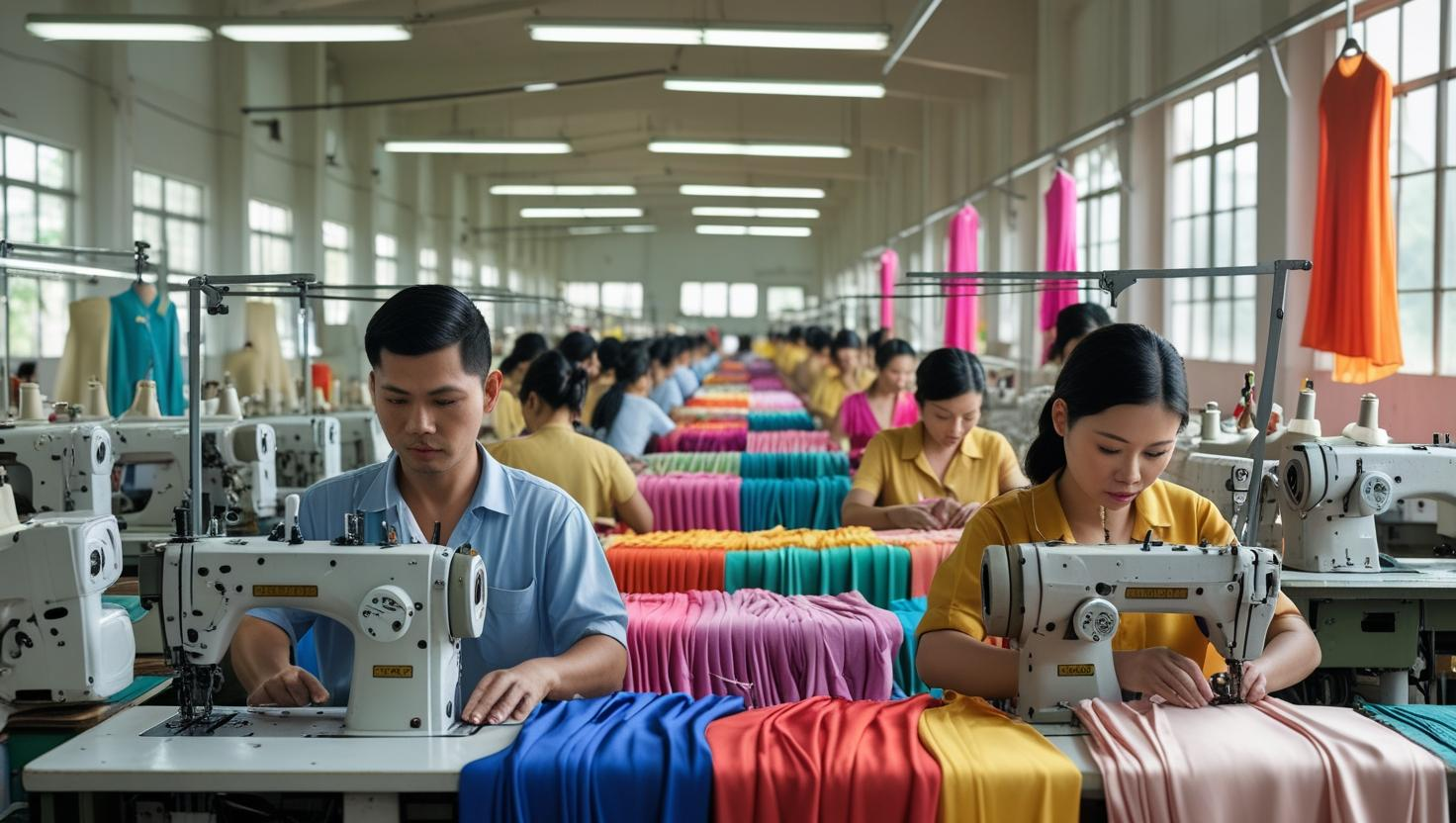
The textile and garment industry remains a cornerstone of Vietnam’s export economy. With a long-standing tradition of textile production, Vietnam has emerged as a major supplier of apparel, fabrics, and yarns to international markets. The industry benefits from a skilled workforce, competitive labor costs, and a growing emphasis on sustainable manufacturing practices. Vietnamese textile and garment manufacturers have also been proactive in adopting advanced technologies and improving product quality to meet the evolving demands of global consumers.
Footwear is another significant export sector for Vietnam. The country has a well-established footwear manufacturing industry that produces a wide range of products, from sports shoes and casual footwear to leather boots and sandals. Vietnamese footwear manufacturers have gained a reputation for their quality craftsmanship, competitive pricing, and ability to meet stringent international standards. The sector’s export performance is further supported by its integration into global supply chains and its strong relationships with major international retailers.
Agricultural products also contribute substantially to Vietnam’s export earnings. Vietnam is a leading exporter of rice, coffee, seafood, and fruits, among other agricultural commodities. The country’s favorable climate and fertile land make it well-suited for agricultural production, while ongoing efforts to improve farming practices and enhance product quality have boosted the competitiveness of Vietnamese agricultural exports. Strong export performance has been achieved through continuous adaptation to global standards and certifications, enabling greater access to discerning markets.

Top Export Destinations for Vietnamese Goods and Services
Vietnam’s growing prominence in global trade is underscored by the diversity of its top export destinations, reflecting the success of vietnamexport strategies and the competitiveness of Vietnamese goods and services. This section delves into the key markets that drive Vietnam’s export economy, highlighting the importance of each region and its contribution to the overall export success story of Vietnam.
The United States stands as Vietnam’s largest export market. This is fuelled by high demand for Vietnamese electronics, footwear, apparel, and agricultural products. The robust economic relationship between the two countries fosters continued export growth, making the U.S. a crucial partner in Vietnam’s global trade strategy. In 2023, Vietnam’s exports to the U.S. reached over $90 billion, demonstrating the strength of this trade corridor.
China is another pivotal export destination for Vietnam. The proximity and strong trade ties contribute to significant export volumes, particularly in electronics components, agricultural products, and raw materials. As China’s economy continues to grow, the demand for Vietnamese goods is expected to rise, solidifying China’s importance in Vietnam’s export landscape. Trade between the two nations exceeded $175 billion in 2023, highlighting the extensive economic integration.
The European Union (EU) represents a key market for vietnamexport, with significant demand for Vietnamese footwear, textiles, coffee, and seafood. Trade agreements such as the EU-Vietnam Free Trade Agreement (EVFTA) have further boosted export opportunities, reducing tariffs and non-tariff barriers, thereby making Vietnamese products more competitive in the European market. Germany, Netherlands, and France are among the leading EU importers of Vietnamese goods.
Other significant export destinations for Vietnamese goods and services include:
- Japan: A long-standing trade partner with strong demand for Vietnamese machinery, seafood, and textiles.
- South Korea: A major importer of Vietnamese electronics, apparel, and agricultural products.
- ASEAN Countries: The regional market offers substantial opportunities for Vietnamese businesses, driven by geographical proximity and trade agreements within the ASEAN Economic Community.
Understanding these top export destinations is critical for businesses looking to engage in vietnamexport. By focusing on these key markets, businesses can optimize their export strategies and capitalize on the opportunities presented by Vietnam’s growing global trade presence, facilitated by entities such as vietnambizrep.
Navigating Regulations and Compliance for Vietnamexport
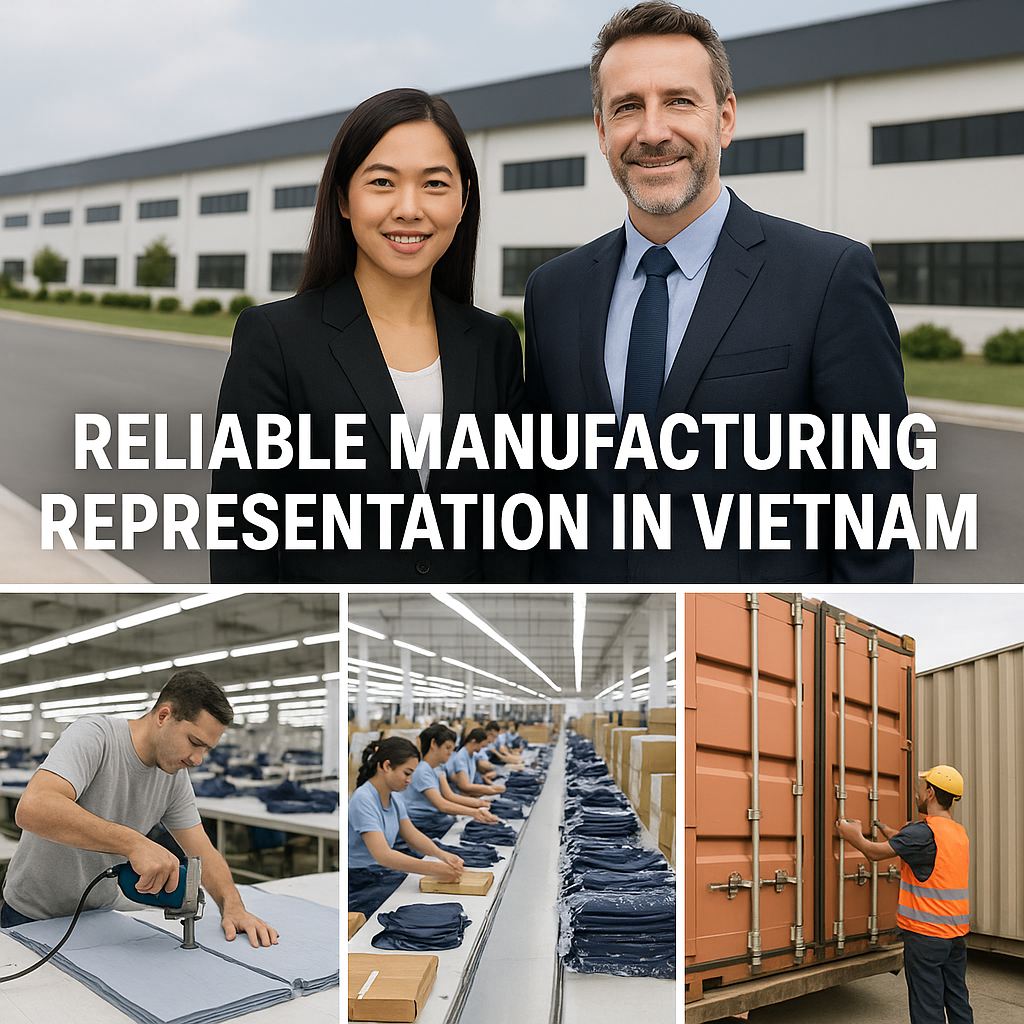
Understanding and adhering to the intricate web of regulations and compliance is paramount for any business engaging in vietnamexport. Successfully exporting from Vietnam requires a comprehensive grasp of both Vietnamese and international trade laws, ensuring smooth operations and avoiding costly penalties. This section will delve into the key regulatory aspects that businesses need to navigate when exporting from Vietnam, offering practical guidance for achieving compliance.
One of the initial steps in vietnamexport compliance involves understanding the specific requirements for your product category. Different products are subject to varying levels of scrutiny and may require specific licenses, permits, or certifications. For example, exporting agricultural products often necessitates phytosanitary certificates to demonstrate compliance with import country regulations regarding plant health and safety. Similarly, exporting seafood products to the EU requires adherence to strict traceability and hygiene standards, often involving certification processes like HACCP (Hazard Analysis and Critical Control Points).
Beyond product-specific regulations, businesses must also be aware of general export procedures and documentation requirements. This includes preparing accurate commercial invoices, packing lists, and bills of lading, as well as understanding customs declarations and duties. Circular No. 39/2018/TT-BTC provides detailed guidance on customs procedures, while the Ministry of Industry and Trade (MOIT) offers resources on trade agreements and export policies. Navigating these requirements effectively requires businesses to invest in training for their staff or seek guidance from experienced trade consultants like vietnambizrep, who can help ensure compliance and minimize delays.
Furthermore, compliance extends beyond Vietnamese regulations to encompass the import requirements of the destination country. This may involve conforming to labeling standards, meeting safety regulations, and complying with environmental protection laws. For instance, exporting electronic goods to the US necessitates compliance with FCC (Federal Communications Commission) regulations, while exporting to the EU requires adherence to REACH (Registration, Evaluation, Authorisation and Restriction of Chemicals) regulations. Thorough research and understanding of these international regulations are crucial for avoiding import rejection and maintaining a positive trading relationship.
Finally, staying abreast of regulatory changes is essential for sustained success in vietnamexport. Trade laws and regulations are constantly evolving, driven by factors such as new trade agreements, technological advancements, and geopolitical shifts. Businesses should proactively monitor updates from relevant government agencies, industry associations, and legal professionals to ensure their operations remain compliant. Utilizing resources like the Vietnam Trade Information Center and subscribing to industry newsletters can help businesses stay informed and adapt to evolving regulatory landscape.
Financing Vietnamexport: Options and Strategies for Businesses
Securing financing is a critical element for Vietnamese businesses aiming to thrive in the vietnamexport sector, enabling them to expand production, reach new markets, and manage risks associated with international trade. Access to adequate funding empowers exporters to fulfill large orders, invest in product development, and navigate the complexities of global commerce. This section explores diverse financing options and effective strategies that Vietnamese exporters can leverage to fuel their growth in the international arena.
Vietnamese exporters can tap into a range of financing options to support their export activities. Commercial banks offer various trade finance solutions, including export credit, pre-shipment financing, and post-shipment financing. Export credit provides exporters with funding to cover production costs or purchase goods for export. Pre-shipment financing helps exporters meet their working capital needs before shipment, while post-shipment financing offers funding after the goods have been shipped but payment has not yet been received. In addition, factoring and forfaiting are alternative financing methods that allow exporters to convert their receivables into immediate cash.
Beyond traditional bank financing, the Vietnamese government and international organizations offer various support programs to promote vietnamexport. The Vietnam Export Support Fund provides financial assistance to exporters through subsidized loans, credit guarantees, and export insurance. These programs are designed to mitigate risks and reduce the cost of financing for exporters, particularly small and medium-sized enterprises (SMEs). Furthermore, international development agencies like the World Bank and the International Finance Corporation (IFC) offer trade finance facilities and technical assistance to support Vietnamese exporters in expanding their global footprint.
To effectively manage their financing needs, Vietnamese businesses should develop comprehensive financial strategies tailored to their specific export activities. This includes:
- Cash Flow Management: Implementing robust cash flow forecasting and management practices to ensure sufficient liquidity for export operations.
- Risk Mitigation: Utilizing export credit insurance and hedging strategies to protect against payment risks and currency fluctuations.
- Diversification of Funding Sources: Exploring a mix of financing options, including bank loans, government support programs, and alternative financing methods, to reduce reliance on a single source.
- Building Strong Relationships with Financial Institutions: Cultivating relationships with banks and other financial institutions to access favorable financing terms and personalized services.
By understanding the available financing options and implementing effective strategies, Vietnamese businesses can overcome financial barriers and unlock the full potential of vietnamexport, driving sustainable economic growth and creating new opportunities in the global marketplace.

Overcoming Challenges and Risks in Vietnamexport
Navigating the world of vietnamexport presents significant opportunities, but also inherent challenges and risks that businesses must understand and mitigate. This section delves into the common hurdles encountered in Vietnam’s export activities and explores strategies to overcome them, ensuring sustainable growth and profitability for Vietnambizrep and its clients.
One of the primary challenges in vietnamexport is the fierce competition from other exporting nations. Vietnamese businesses face rivals offering similar products at competitive prices, necessitating a focus on differentiation and value addition. This can be achieved through enhanced product quality, innovative marketing strategies, and building strong brand reputation. For example, Vietnam’s coffee industry faces competition from Brazil and Colombia; to stand out, Vietnamese exporters are focusing on specialty coffee beans and sustainable farming practices.
Another significant risk involves fluctuations in global demand and economic instability. Economic downturns in key export markets can lead to decreased demand for Vietnamese goods and services. To mitigate this risk, businesses should diversify their export destinations, explore new markets, and develop flexible production capabilities to adapt to changing demand patterns. The US-China trade war exemplified this risk, highlighting the need for Vietnamese exporters to diversify beyond these two major markets.
Regulatory compliance and trade barriers in importing countries also pose considerable challenges. Different countries have varying standards and regulations regarding product safety, labeling, and customs procedures. Businesses must invest in understanding and adhering to these regulations to avoid delays, penalties, and rejection of their products. Specifically, exporting food products to the EU requires strict adherence to food safety standards and traceability requirements. Vietnambizrep plays a crucial role in helping businesses navigate these complex regulations, providing expert advice and support.
Supply chain disruptions and logistical challenges are further factors impacting vietnamexport. Inefficient logistics infrastructure, port congestion, and unpredictable transportation costs can significantly increase the cost of exporting and affect delivery times. Businesses should optimize their supply chain management, explore alternative transportation routes, and leverage technology to improve logistics efficiency. The COVID-19 pandemic exposed vulnerabilities in global supply chains, underscoring the importance of resilience and diversification.
Finally, currency fluctuations represent a persistent risk in vietnamexport. Changes in exchange rates can impact the competitiveness of Vietnamese products and affect the profitability of export transactions. Businesses can mitigate this risk by using hedging strategies, invoicing in multiple currencies, and carefully managing their foreign exchange exposure.

The Future of Vietnamexport: Trends and Opportunities
The future of vietnamexport presents a landscape ripe with opportunities, shaped by evolving global trends and Vietnam’s proactive integration into the world economy. This section explores the key factors driving this evolution, highlighting potential avenues for growth and diversification in Vietnam’s export sector.
Vietnam’s strategic geographic location, coupled with its commitment to free trade agreements (FTAs) and continuous economic reforms, positions it favorably for sustained export growth. Technological advancements, shifting consumer preferences, and the rise of sustainable practices are also creating new opportunities for Vietnamese exporters to enhance their competitiveness and expand into emerging markets.
- Digital Transformation and E-commerce: E-commerce is rapidly transforming the global trade landscape, and Vietnamexport is no exception. Businesses that embrace digital platforms and online marketplaces can access a wider customer base, reduce transaction costs, and streamline export processes. The Vietnamese government is actively promoting digital transformation initiatives to support businesses in leveraging e-commerce for export growth. (ví dụ: national e-commerce development master plan)
- Focus on Value-Added Products: Moving beyond traditional export commodities, Vietnamexport is increasingly focusing on value-added products with higher profit margins. This includes manufactured goods, processed foods, and high-tech products. Investing in research and development, technology transfer, and skills development is crucial for enhancing the competitiveness of Vietnamese products in the global market.
- Sustainable and Green Exports: As global awareness of environmental issues grows, demand for sustainable and green products is increasing. Vietnamese exporters can capitalize on this trend by adopting sustainable production practices, obtaining relevant certifications, and promoting environmentally friendly products. This will not only enhance their competitiveness but also contribute to a more sustainable future. (ví dụ: organic agriculture products)
- Diversification of Export Markets: While traditional markets like the United States, European Union, and Japan remain important, Vietnamexport is actively diversifying its export destinations to reduce reliance on any single market. Emerging markets in Asia, Africa, and Latin America offer significant growth potential. Businesses should conduct thorough market research and adapt their products and strategies to cater to the specific needs of these markets.
- Leveraging FTAs and Trade Agreements: Vietnam has signed numerous FTAs with countries and regions around the world, providing preferential access to various markets. Vietnamese exporters should fully leverage these agreements by understanding the specific requirements and benefits they offer. Actively seeking information and guidance from trade promotion agencies can help businesses maximize the advantages of FTAs.
By embracing these trends and proactively pursuing new opportunities, vietnamexport can continue to be a key driver of Vietnam’s economic growth and prosperity in the years to come.
Vietnam Biz Rep helps overseas buyers find suppliers, verify factories, coordinate samples, inspect goods, and follow up production in Vietnam. Learn more about our Vietnam sourcing agent services or contact us to discuss your sourcing requirements.
