

In today’s global marketplace, securing reliable vietnam suppliers website is paramount for businesses aiming to optimize their supply chains and enhance profitability. This vietnambizrep article delves into the crucial aspects of navigating the Vietnamese sourcing landscape, providing a practical guide to identifying and vetting potential partners. We’ll explore the best B2B platforms, discuss essential due diligence strategies, and analyze key legal and regulatory considerations for successful international trade with Vietnam. Furthermore, this comprehensive guide will present a curated list of top supplier directories and provide insights into utilizing sourcing agents effectively. By the end of this article, you’ll be equipped with actionable steps to build strong, sustainable relationships with Vietnamese manufacturers and drive significant cost savings for your organization.
Finding Reliable Vietnam Suppliers: A Comprehensive Guide
Sourcing products from Vietnam presents a significant opportunity for businesses globally, but finding reliable Vietnam suppliers is crucial for success. This guide will equip you with the knowledge and strategies needed to navigate the Vietnamese sourcing landscape effectively, ensuring you partner with trustworthy and capable manufacturers and distributors.
Identifying trustworthy Vietnam suppliers requires a multifaceted approach that goes beyond simple online searches. Vietnambizrep understands the complexities involved in international sourcing, and we’ve compiled this guide to help you mitigate risks and maximize your chances of establishing successful, long-term partnerships. This involves understanding the nuances of Vietnamese business culture, employing rigorous due diligence practices, and leveraging both online and offline resources to verify supplier legitimacy.
Here’s a breakdown of essential steps to finding the right Vietnam suppliers for your business:
-
Define Your Product Specifications Clearly: A detailed product specification sheet is crucial. This minimizes misunderstandings and ensures suppliers provide accurate quotes and samples. Be specific about materials, dimensions, quality standards (e.g., ISO certifications), and any other relevant details.
-
Utilize Online Platforms Strategically: While vietnam suppliers websites are a valuable starting point, they should not be your only source. Focus on platforms with verified supplier listings, such as Alibaba (with Gold Supplier verification) and industry-specific directories.
-
Conduct Thorough Due Diligence: Don’t rely solely on online information. Verify business licenses, export permits, and compliance certificates. Consider hiring a local agent like Vietnambizrep to conduct on-site audits and factory inspections.
-
Request and Evaluate Samples: Always request samples before placing a large order. Carefully inspect the samples for quality, craftsmanship, and adherence to your specifications. Compare samples from multiple suppliers to identify the best option.
-
Check References and Reviews: Request references from previous clients and contact them to inquire about their experience with the supplier. Look for online reviews and ratings, but be aware that these can be manipulated.
-
Understand Vietnamese Business Culture: Building strong relationships with Vietnam suppliers requires cultural sensitivity. Learn about Vietnamese communication styles, negotiation tactics, and ethical business practices.
-
Protect Your Intellectual Property: Before sharing sensitive information, sign a Non-Disclosure Agreement (NDA) with potential suppliers. Register your trademarks and patents in Vietnam to prevent counterfeiting.
-
Negotiate Favorable Payment Terms: Establish clear payment terms with your Vietnam suppliers. Avoid paying large upfront deposits to unknown suppliers. Consider using escrow services or letters of credit to secure your payments.
By following these guidelines, you can significantly increase your chances of finding reliable Vietnam suppliers and building successful sourcing partnerships. Remember that thorough research, diligent verification, and a strong understanding of Vietnamese business culture are essential for mitigating risks and maximizing your return on investment.
Considering exporting from Vietnam? Get a comprehensive guide to Vietnam export processes and regulations
Key Product Categories to Source from Vietnam: A Deep Dive
Identifying key product categories is crucial for businesses aiming to leverage Vietnam suppliers website for sourcing. Vietnam has emerged as a prominent manufacturing hub, offering diverse product ranges and competitive pricing. This section provides an in-depth look into the most sought-after categories, enabling informed decisions for sourcing strategies. Factors like established manufacturing capabilities, export volumes, and emerging trends are considered to highlight the potential for lucrative partnerships.
Vietnam’s manufacturing sector is highly diversified, but certain categories stand out due to their export volume, established supply chains, and competitive advantages.
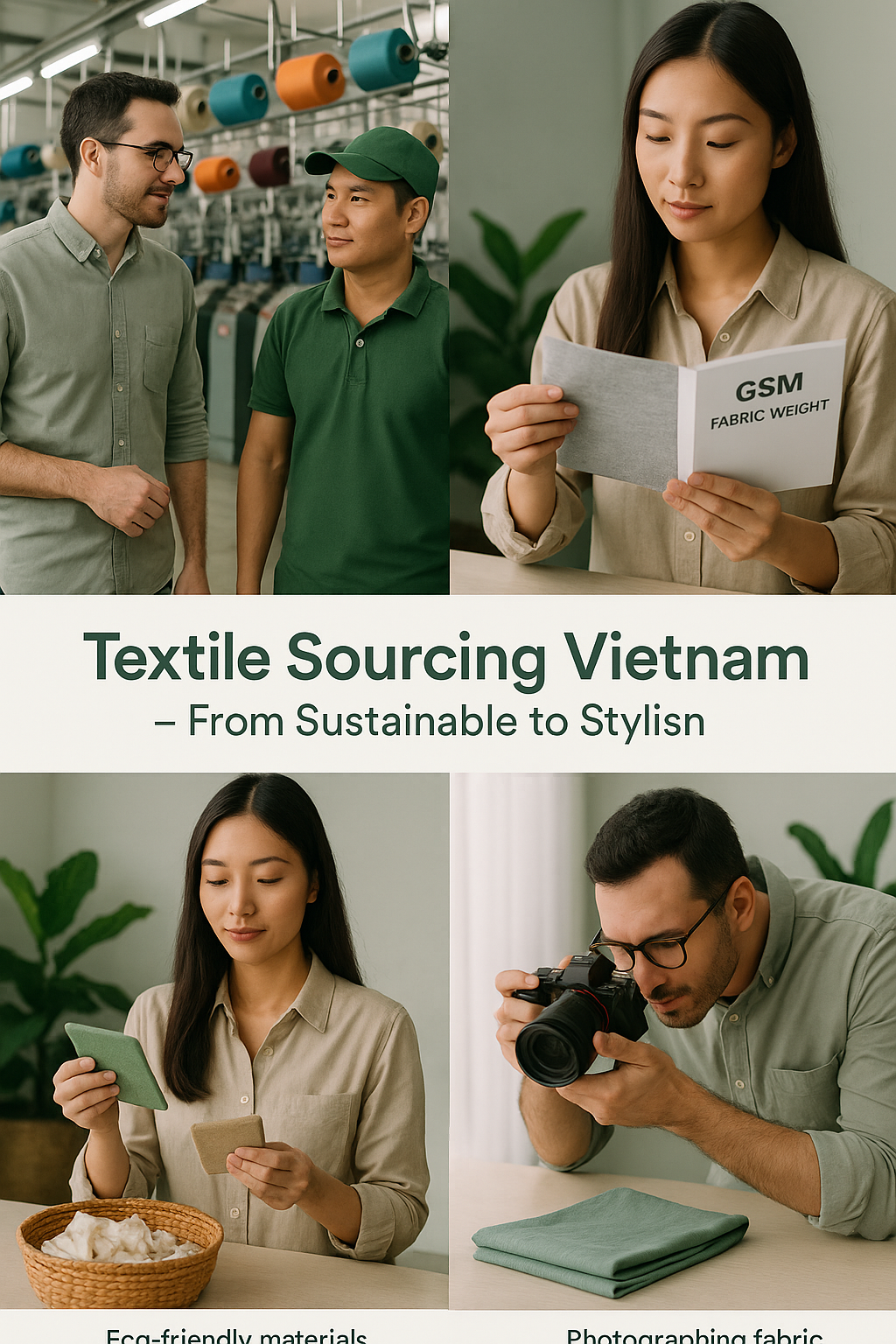
- Apparel and Textiles: This remains a cornerstone of Vietnam’s export economy. Vietnam has become one of the world’s leading apparel exporters, known for producing everything from basic garments to high-end fashion items. The presence of numerous factories, skilled labor, and increasing integration into global supply chains make this a particularly attractive category.
- Footwear: Similar to apparel, footwear manufacturing is well-established in Vietnam. Sourcing opportunities range from athletic shoes to leather boots, often benefiting from lower labor costs compared to China. Data indicates Vietnam is among the top footwear exporters globally.
- Electronics Components and Products: Vietnam is increasingly a major player in the electronics sector, particularly for assembly and manufacturing of components. With investments from major international companies, the country offers a range of products including printed circuit boards, semiconductors, and consumer electronics.
- Furniture: Vietnam boasts a thriving furniture industry. From wooden furniture to outdoor pieces, this sector leverages the country’s abundant resources and skilled craftsmanship. The furniture sector benefits from a competitive labor market and strategic geographic location.
- Agricultural Products: As an agricultural powerhouse, Vietnam is a significant exporter of agricultural products such as rice, coffee, seafood, and fruits. Businesses sourcing these items can often benefit from competitive pricing and established trade routes.
Evaluating these categories based on specific needs and market trends will lead to more effective sourcing decisions when using vietnambizrep to find the ideal partners.
Looking to discover new products to source from Vietnam wholesale? Let’s explore Vietnam wholesale opportunities
Evaluating Vietnam Suppliers: Due Diligence and Verification
Evaluating Vietnam suppliers requires a robust due diligence process to ensure you’re partnering with a reliable and legitimate business, a critical step even when you find them through reputable Vietnam suppliers websites. This meticulous evaluation helps mitigate risks, protect your investment, and foster a successful long-term sourcing relationship, especially considering the increasing importance of online presence in connecting with suppliers in Vietnam.
Before committing to any partnership, it’s crucial to conduct thorough due diligence on potential Vietnam suppliers. This process involves verifying their legal status, financial stability, production capabilities, and quality control systems. Failing to adequately assess these factors can lead to significant financial losses, supply chain disruptions, and reputational damage for your business.
Here’s a breakdown of key areas to investigate during your supplier evaluation:
- Legal and Business Registration: Confirm the supplier’s business license and registration details with relevant Vietnamese government agencies. This step validates their legal existence and authorized scope of operations. For instance, check the National Business Registration Portal to verify their registration number (Mã số doanh nghiệp), registered address, and legal representative.
- Financial Stability: Assess the supplier’s financial health by requesting audited financial statements or credit reports. Look for indicators of profitability, solvency, and cash flow management. A financially stable supplier is more likely to fulfill orders consistently and withstand economic downturns.
- Production Capacity and Capabilities: Evaluate the supplier’s production capacity to ensure they can meet your demand requirements. Request information on their equipment, workforce, and production processes. Conduct site visits, if possible, to assess their manufacturing facilities firsthand.
- Quality Control Systems: Understand the supplier’s quality control processes and certifications. Ask for details on their quality assurance procedures, testing methods, and defect rates. ISO 9001 certification is a common indicator of a robust quality management system.
- Ethical and Social Compliance: Inquire about the supplier’s adherence to ethical labor practices and environmental regulations. Request information on their policies regarding worker safety, wages, working hours, and environmental sustainability. Consider conducting social audits to verify their compliance with international standards.
- References and Customer Reviews: Request references from existing customers and contact them to gather feedback on the supplier’s performance. Look for online reviews and testimonials to gain insights into their reputation and customer satisfaction levels.
By conducting a comprehensive supplier verification process, businesses can significantly reduce the risks associated with sourcing from Vietnam and establish reliable, long-term partnerships. Remember, thorough due diligence is an investment in the success and sustainability of your supply chain.
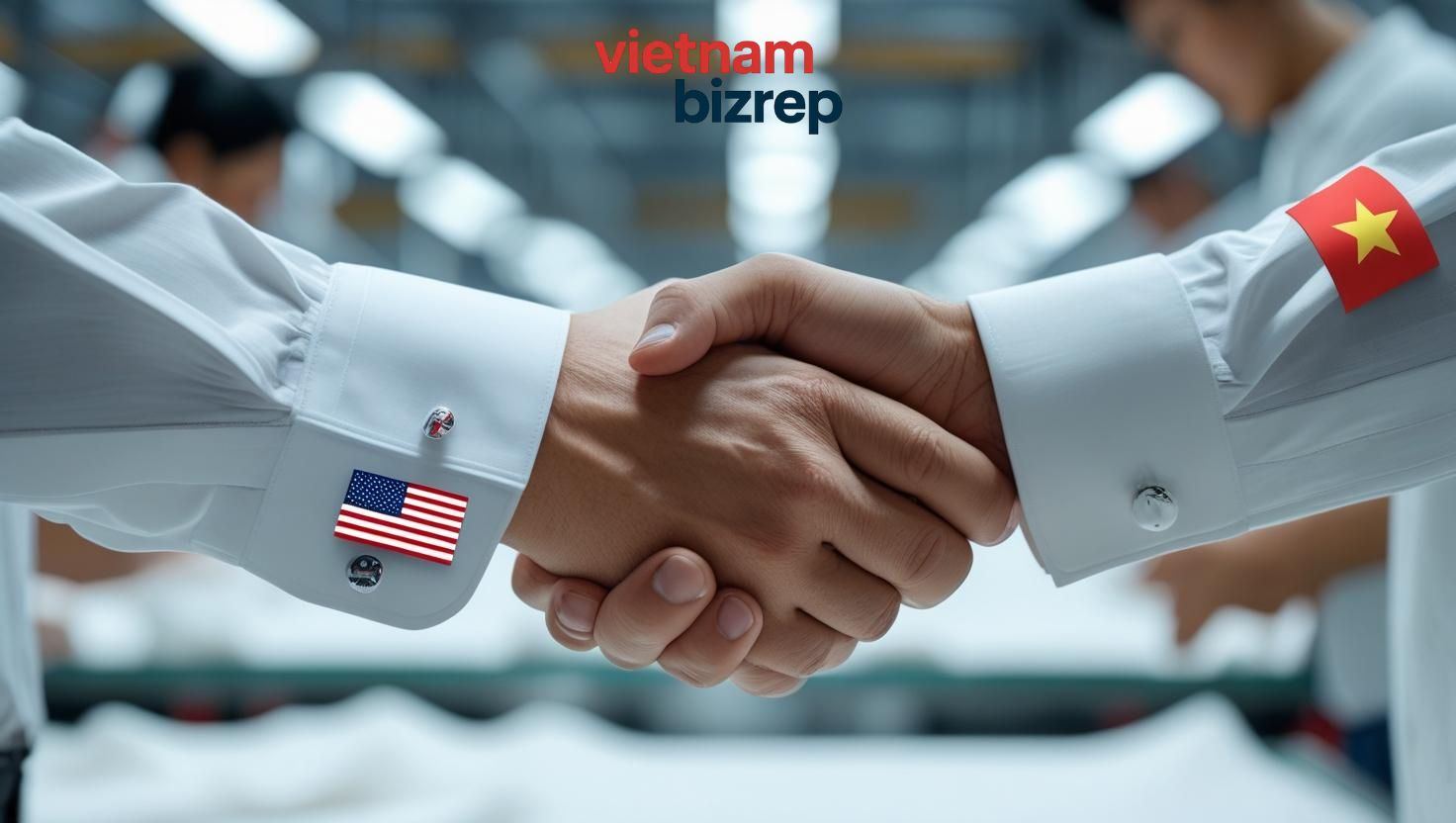
Worried about the risks of working with unreliable suppliers? Learn how to perform thorough due diligence and verification of Vietnam suppliers.
Navigating Vietnam’s Supply Chain: Logistics, Customs, and Payment
Successfully navigating Vietnam’s supply chain involves more than just identifying potential Vietnam suppliers websites; it requires a deep understanding of logistics, customs procedures, and payment methods. This section provides essential insights into managing these crucial aspects of sourcing from Vietnam, ensuring a smooth and efficient procurement process. These factors significantly impact costs, timelines, and overall business success when working with overseas manufacturers.
Logistics in Vietnam can present unique challenges, especially for businesses new to the market. Consider these points:
- Transportation Infrastructure: While major cities like Ho Chi Minh City and Hanoi have relatively developed infrastructure, transportation to and from more remote manufacturing areas can be complex. Options include road, rail, sea, and air freight, each with varying costs and transit times.
- Warehousing and Distribution: Efficient warehousing and distribution networks are crucial for timely delivery. Research reputable logistics providers offering secure warehousing facilities and reliable distribution channels throughout Vietnam.
- Last-Mile Delivery: For e-commerce or direct-to-consumer businesses, last-mile delivery services are essential. Evaluate providers based on coverage, speed, and cost-effectiveness.
Customs clearance in Vietnam requires meticulous attention to detail to avoid delays and penalties. Key considerations include:
- Import/Export Regulations: Familiarize yourself with Vietnam’s import and export regulations, including tariffs, taxes, and required documentation. Consult with a customs broker to ensure compliance.
- Documentation: Prepare accurate and complete shipping documents, such as commercial invoices, packing lists, and certificates of origin. Discrepancies can lead to significant delays.
- Inspection Procedures: Be prepared for potential customs inspections, which may involve physical examination of goods. Ensure your products meet all relevant standards and regulations.
Payment methods and financial transactions require careful planning to mitigate risks and ensure secure transactions. Consider these options:
- Letters of Credit (L/C): L/Cs offer a high level of security for both buyers and suppliers, but they can be complex and costly.
- Telegraphic Transfers (TT): T/Ts are a common payment method, but they carry a higher risk of fraud. Use reputable banks and verify supplier details before making payments.
- Escrow Services: Escrow services provide an added layer of protection by holding funds until goods are received and inspected.
- Currency Exchange: Understand the fluctuations of the Vietnamese Dong (VND) and manage currency exchange risks accordingly. Consider hedging strategies to mitigate potential losses.
By carefully addressing these logistical, customs, and payment considerations, businesses can optimize their Vietnam sourcing operations, reduce costs, and build long-term, successful relationships with reliable Vietnam suppliers.

Struggling to understand the intricacies of Vietnam’s supply chain? Get our expert insights on logistics, customs, and payment when exporting from Vietnam.
Building Long-Term Relationships with Vietnam Suppliers: Best Practices
Building strong, long-term relationships with Vietnam suppliers is crucial for sustained success in sourcing. Moving beyond transactional interactions to cultivate collaborative partnerships can unlock benefits such as preferential pricing, prioritized production, and improved communication. vietnambizrep understands this and provides guidance to establish lasting connections with your Vietnam suppliers website partners.
To foster enduring relationships, clear and consistent communication is paramount. Regularly updating suppliers on your forecasts, providing timely feedback on product quality, and promptly addressing any concerns will build trust and demonstrate your commitment. Consider implementing regular meetings, whether in-person or virtual, to discuss performance, address challenges, and explore opportunities for mutual growth. Sharing market insights and collaborating on product development can further strengthen the partnership and create a sense of shared ownership.
Furthermore, fair and ethical business practices are essential for establishing a solid foundation. Ensure timely payments according to agreed-upon terms, and avoid imposing unreasonable demands or constantly seeking price reductions. Recognize and appreciate the supplier’s contributions by acknowledging their efforts and providing positive feedback when warranted. Investing in your supplier’s success, through training programs or technology upgrades, can demonstrate your long-term commitment and foster a mutually beneficial relationship. Remember that by treating your Vietnam suppliers as valued partners, you are investing in the stability and resilience of your supply chain, safeguarding your business interests for years to come.
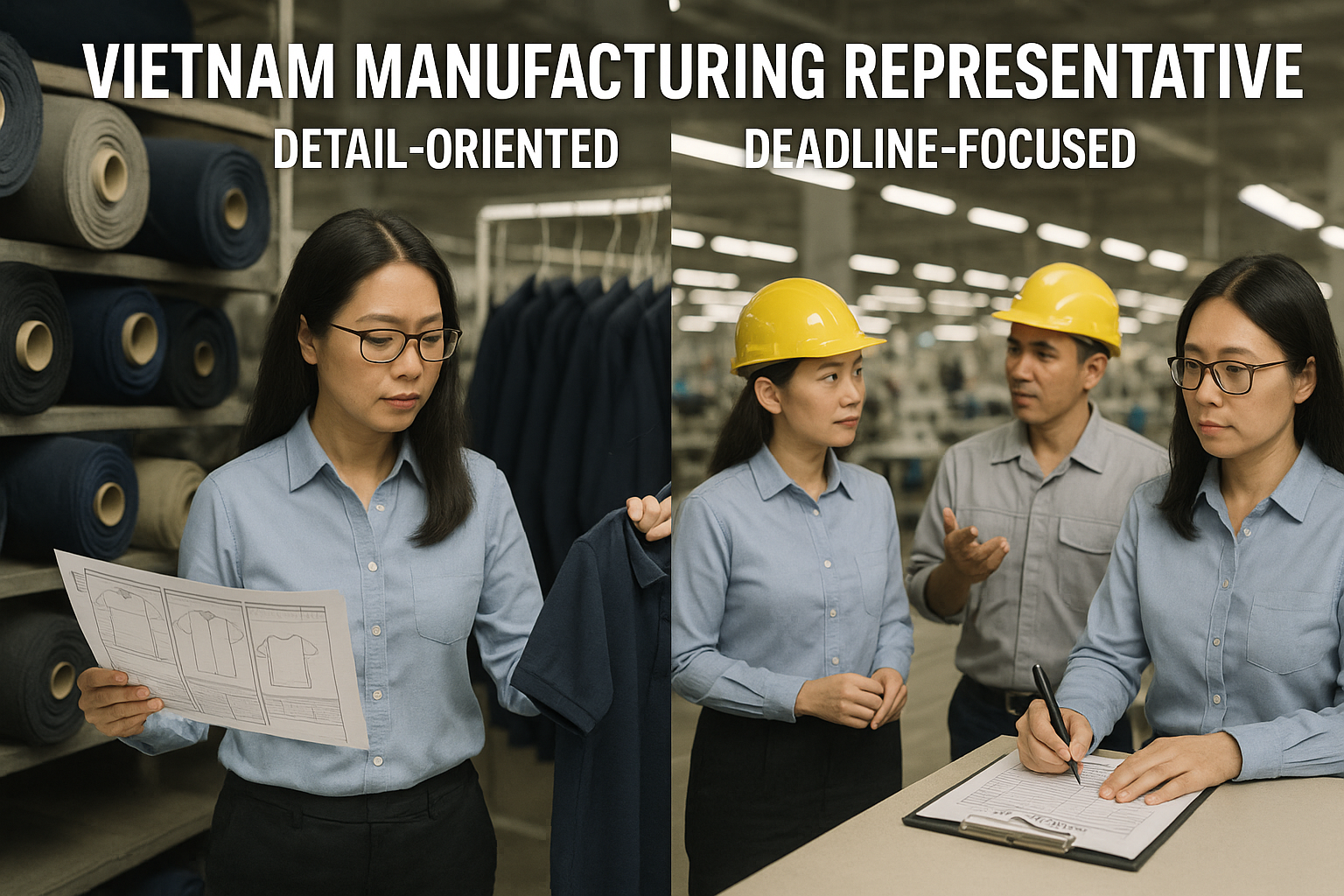
Leveraging Vietnam Suppliers Websites: A Step-by-Step Guide
Effectively leveraging Vietnam suppliers websites is crucial for businesses seeking to source goods from this dynamic market. These online platforms serve as a direct gateway to manufacturers, distributors, and wholesalers, offering a wealth of information and potential partnerships. This section provides a step-by-step guide to navigating these websites and maximizing your sourcing efforts, helping you find the right partners for your business goals.
Navigating Vietnam supplier websites effectively involves several key steps. First, identifying the right keywords to refine your search and target specific product categories is essential. Understanding the website’s structure and navigation is also paramount, allowing you to quickly locate relevant information such as product catalogs, company profiles, and contact details. Finally, employing advanced search operators enables you to narrow down results and pinpoint the most promising suppliers based on your specific requirements.
-
Start with a Clear Goal: Before diving into your search, define exactly what you’re looking for. What product(s) are you sourcing? What are your desired specifications, quantity, and price range? A clear understanding of your needs will streamline your search process.
-
Use Targeted Keywords: Instead of generic terms like “clothing supplier,” try more specific keywords such as “organic cotton t-shirt manufacturer Vietnam” or “custom sports apparel Ho Chi Minh City.” This helps you filter out irrelevant results and focus on suppliers that match your needs. As vietnambizrep, we advise you to thoroughly research keywords on Google Keyword Planner to find the ones that have search volumes.
-
Explore Website Navigation: Once on a potential supplier’s website, take time to explore its structure. Look for sections like “Products,” “About Us,” “Certifications,” and “Contact Us.” Pay attention to the clarity and organization of the information presented. A well-structured website often indicates a professional and reliable supplier.
-
Utilize Advanced Search Operators: Most websites have built-in search functions. To refine your search, use advanced operators like “AND,” “OR,” and “NOT.” For example, searching for “furniture AND wooden NOT rattan” will find suppliers that offer wooden furniture but exclude those specializing in rattan.
-
Analyze Product Catalogs: Product catalogs are a key indicator of a supplier’s capabilities. Evaluate the range, quality, and level of detail provided. Look for high-resolution images, comprehensive descriptions, and technical specifications.
-
Review Company Profiles: Company profiles provide valuable insights into a supplier’s background, experience, and capabilities. Look for information on their history, certifications, production capacity, and quality control processes.
-
Check for Certifications: Look for certifications relevant to your industry and product category. These certifications demonstrate a supplier’s commitment to quality, safety, and environmental standards. Common certifications include ISO 9001, BSCI, and Oeko-Tex.
-
Assess Website Professionalism: Pay attention to the overall design and functionality of the website. A professional website that is well-maintained, easy to navigate, and provides clear and accurate information is a good sign of a reputable supplier.
-
Contact Suppliers Directly: Once you’ve identified a few promising suppliers, reach out to them directly through the contact information provided on their website. Prepare specific questions about their products, pricing, minimum order quantities, and shipping terms.
By meticulously following these steps, businesses can effectively leverage Vietnam suppliers websites, maximizing their chances of finding reliable partners and achieving successful sourcing outcomes through vietnambizrep.
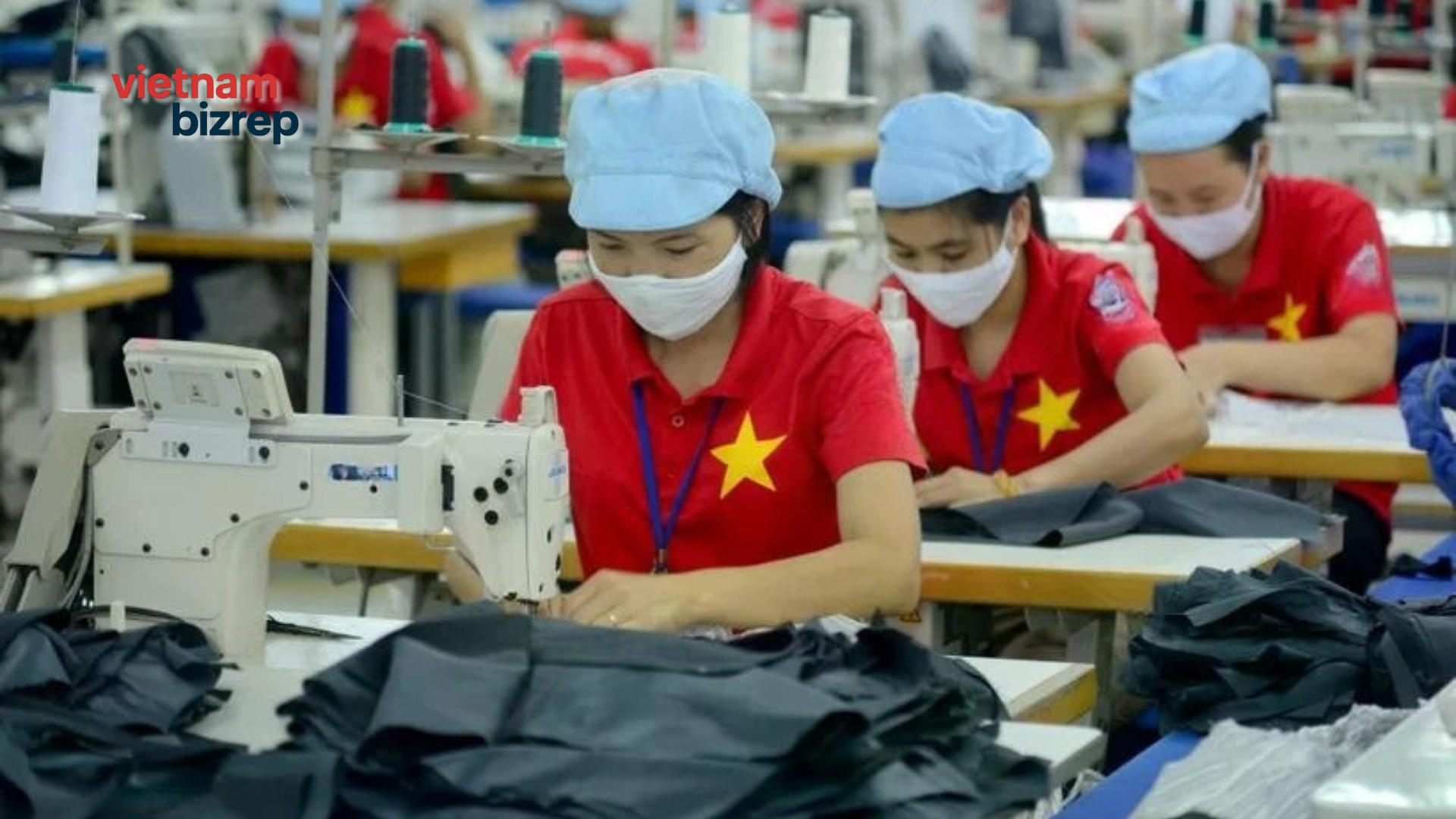
Avoiding Scams and Fraudulent Activities: Protecting Your Business
Navigating the world of vietnam suppliers websites requires a vigilant approach to avoid scams and fraudulent activities; safeguarding your business necessitates a proactive strategy built upon thorough due diligence and informed decision-making. Establishing a reliable supply chain in Vietnam involves understanding the common pitfalls and implementing preventative measures to mitigate risks.
One of the primary defenses against scams is conducting thorough due diligence on potential suppliers. This includes verifying their business registration, checking their history, and obtaining references from other clients. For instance, a legitimate vietnam supplier should readily provide a business license number and contact information for verification with local authorities. Vietnambizrep strongly advocates for on-site visits to factories whenever possible, offering firsthand insights into the supplier’s operations and capabilities.
Another critical aspect of protection involves being wary of red flags, such as unusually low prices, demands for upfront payments without clear guarantees, and inconsistent communication. Scammers often lure unsuspecting buyers with prices that are too good to be true, only to disappear after receiving payment. Vietnambizrep recommends a staged payment approach, releasing funds only after key milestones, such as sample approval and pre-shipment inspection, have been successfully met.
Securing your transactions also means using secure payment methods. Avoid sending large sums of money via unsecured channels like Western Union or MoneyGram. Instead, opt for Letters of Credit (L/Cs) or Escrow services, which provide a level of protection by holding funds until the terms of the agreement are fulfilled. Engaging a reputable third-party inspection agency to verify product quality and quantity before shipment further minimizes the risk of receiving substandard or misrepresented goods. Remember that protecting your business from fraudulent activities requires constant vigilance and a proactive approach.
Finally, building a network of trusted advisors can provide invaluable support. Connect with other businesses sourcing from Vietnam, attend industry events, and consult with local experts who understand the nuances of the Vietnamese market. These relationships can offer early warnings about potential scams and provide guidance on navigating complex situations.
Concerned about protecting your business from scams and fraud? Learn how to avoid fraudulent activities when trading with Vietnam.
Vietnam Sourcing Websites vs. Trade Shows: A Comparative Analysis
For businesses seeking Vietnam suppliers, the decision between leveraging Vietnam sourcing websites and attending trade shows is a crucial one. Both avenues offer distinct advantages and disadvantages, making the optimal choice dependent on specific sourcing needs, budget, and timelines. This analysis provides a comprehensive comparison to help you determine the most effective approach for your business. Evaluating both digital platforms and in-person events will enable you to make informed decisions and streamline your sourcing process in Vietnam.
Vietnam sourcing websites offer unparalleled convenience and accessibility. These online platforms, like Alibaba, Global Sources, and industry-specific directories, provide a vast database of potential Vietnam suppliers. You can search for specific products, compare prices, and review supplier profiles from the comfort of your office. This is especially beneficial for businesses with limited resources or those seeking to quickly identify potential partners. For instance, a small business looking for custom apparel manufacturers can easily filter results based on product type, certifications, and minimum order quantity.
However, relying solely on Vietnam sourcing websites also presents challenges. Verifying the legitimacy and capabilities of Vietnam suppliers online can be difficult. It’s crucial to conduct thorough due diligence, including checking business licenses, certifications, and customer reviews, to mitigate the risk of scams or subpar quality. Moreover, building a strong relationship with a supplier solely through online communication can be challenging, hindering the development of trust and long-term partnerships.
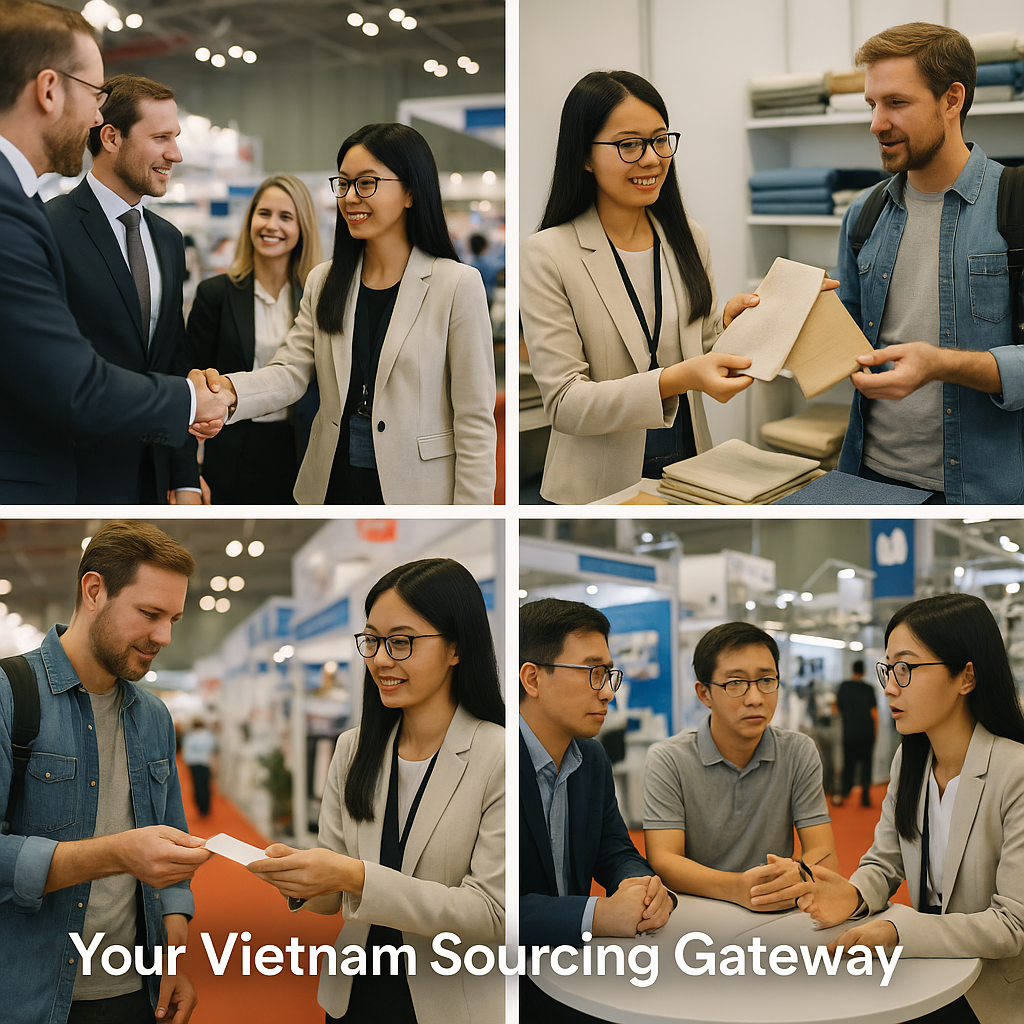
In contrast, trade shows provide a valuable opportunity to meet Vietnam suppliers face-to-face and assess their capabilities firsthand. Events like the Vietnam International Trade Fair (Vietnam Expo) and the Saigontex offer a concentrated environment to discover new products, network with industry professionals, and negotiate directly with suppliers. This allows for immediate feedback on samples, clear communication of requirements, and the establishment of personal connections, which can be instrumental in fostering lasting partnerships.
On the downside, attending trade shows involves significant time and financial investment. Travel expenses, booth fees, and staff costs can quickly add up, making it a less accessible option for smaller businesses or those with limited budgets. Furthermore, the limited timeframe of a trade show may not be sufficient to conduct in-depth due diligence or fully assess a supplier’s capabilities. A company seeking electronics components, for example, might find a promising supplier at a trade show, but will still need to conduct independent lab testing and factory audits to ensure product quality and compliance.
Ultimately, the most effective sourcing strategy often involves a combination of both Vietnam sourcing websites and trade shows. Websites can be used to identify potential Vietnam suppliers and narrow down the options, while trade shows provide an opportunity to vet those suppliers in person and establish stronger relationships. This hybrid approach allows businesses to leverage the convenience and accessibility of online platforms while mitigating the risks associated with solely relying on them. By strategically utilizing both methods, you can significantly increase your chances of finding reliable Vietnam suppliers and building a successful sourcing operation.
Confused about the best sourcing strategy? Compare Vietnam sourcing websites versus trade shows to find the right approach for your business.
The Future of Sourcing from Vietnam: Trends and Opportunities
The future of sourcing from Vietnam presents a landscape ripe with potential, driven by the country’s growing economic strength and strategic positioning in the global supply chain, making understanding vietnam suppliers website a critical tool for businesses. As Vietnam continues to integrate further into the global economy, businesses seeking to diversify their sourcing strategies should pay close attention to the emergent trends and opportunities available. This includes leveraging digital platforms, such as Vietnam suppliers websites, to connect with manufacturers and distributors efficiently.
Vietnam’s commitment to free trade agreements (FTAs) is a significant catalyst for its burgeoning status as a sourcing hub. FTAs like the Comprehensive and Progressive Agreement for Trans-Pacific Partnership (CPTPP) and the EU-Vietnam Free Trade Agreement (EVFTA) are reducing tariffs and trade barriers, making Vietnamese goods more competitive in international markets. This is particularly relevant for businesses looking to source products across diverse categories, from textiles and footwear to electronics and furniture. Savvy businesses are using Vietnam suppliers websites to identify manufacturers capitalizing on these trade advantages.
Technological advancements are reshaping how businesses interact with Vietnam suppliers. The rise of e-commerce platforms and digital marketplaces provides enhanced transparency and accessibility. These platforms offer businesses direct access to a wider pool of suppliers, facilitating easier communication, negotiation, and order management. Furthermore, the adoption of technologies like blockchain can improve supply chain traceability and enhance trust between buyers and suppliers.
Sustainability and ethical sourcing are becoming increasingly important considerations for global businesses. Consumers are demanding greater transparency and accountability in supply chains, prompting businesses to prioritize suppliers that adhere to environmental and social responsibility standards. Vietnam is responding to this trend with initiatives promoting sustainable manufacturing practices and worker welfare. Therefore, companies should actively seek out suppliers committed to ethical and sustainable practices, which can be often identified through information available on Vietnam suppliers websites highlighting their certifications and initiatives.
Despite the promising outlook, challenges remain in the sourcing landscape. Businesses must navigate issues such as infrastructure limitations, evolving regulatory frameworks, and cultural differences. Building strong, long-term relationships with Vietnam suppliers is essential for mitigating these risks. This involves investing time and resources in understanding the local business environment, fostering open communication, and establishing clear expectations regarding quality, delivery, and ethical conduct.
Want to stay ahead of the curve? Explore the future of sourcing from Vietnam, including emerging trends and exciting opportunities.
Vietnam Biz Rep helps overseas buyers find suppliers, verify factories, coordinate samples, inspect goods, and follow up production in Vietnam. Learn more about our Vietnam sourcing agent services or contact us to discuss your sourcing requirements.
