

Unlocking the potential of vietnam clothing manufacturers is crucial for businesses seeking reliable and cost-effective production partners in 2025. This comprehensive guide, categorized under vietnambizrep, dives deep into navigating the Vietnamese garment industry, exploring key aspects such as identifying the best manufacturers, understanding manufacturing processes, ensuring quality control, and optimizing supply chain management. We’ll also analyze the current market trends and provide practical advice on how to build successful and long-term partnerships with Vietnamese clothing factories. Ultimately, this article equips you with the knowledge to confidently source apparel from Vietnam, maximize your ROI, and gain a competitive edge in the global market.
Types of Vietnam Clothing Manufacturers: Specialization and Capabilities
Vietnam has emerged as a prominent hub for clothing manufacturing, attracting global brands with its competitive labor costs, skilled workforce, and established infrastructure. Understanding the different types of Vietnam clothing manufacturers and their specialized capabilities is crucial for businesses seeking to outsource production effectively. This section will explore the diverse landscape of garment factories in Vietnam, outlining their specific expertise and highlighting the advantages of partnering with each type.
The Vietnam clothing industry encompasses a wide spectrum of manufacturers, each specializing in distinct product categories and production techniques. From sportswear and knitwear to woven garments and custom apparel, businesses can find factories tailored to their specific needs. These clothing manufacturers often offer various services, ranging from private label manufacturing to full-package production, impacting the level of control and customization available to the client.
Sportswear Manufacturers
Sportswear manufacturers in Vietnam have become increasingly sophisticated, capable of producing high-performance athletic apparel. These factories often possess specialized equipment for technical fabrics, moisture-wicking materials, and seamless construction. Many collaborate closely with brands to develop innovative designs and incorporate cutting-edge technologies into their products. For example, some factories specialize in producing apparel for specific sports like cycling, running, or yoga, offering tailored expertise and a deep understanding of the performance requirements.
Knitwear Manufacturers
Knitwear manufacturers in Vietnam excel in producing comfortable and versatile garments made from knitted fabrics. They possess expertise in various knitting techniques, including circular knitting, flat knitting, and warp knitting, enabling them to create a wide range of products like t-shirts, sweaters, dresses, and activewear. Many knitwear factories also offer dyeing, printing, and finishing services, providing comprehensive solutions for brands seeking high-quality knitwear production. The strength of Vietnamese knitwear manufacturers lies in their ability to adapt to diverse design requirements and handle large-scale production runs efficiently.
Woven Garment Manufacturers
Woven garment manufacturers in Vietnam are adept at producing structured and durable clothing items made from woven fabrics. These factories typically specialize in garments such as shirts, pants, jackets, and skirts, requiring precise cutting, sewing, and finishing techniques. They offer a wide range of weaving options and materials, including cotton, linen, polyester, and blends. Moreover, the woven garment manufacturers in Vietnam provide services like pattern making, sample development, and quality control, ensuring the finished products meet the brands’ specifications.
Private Label Clothing Manufacturers
Private label clothing manufacturers offer brands the opportunity to create their own branded clothing lines without investing in their own production facilities. These manufacturers handle the entire production process, from design and sourcing to manufacturing and packaging, allowing brands to focus on marketing and sales. The appeal of partnering with private label clothing manufacturers is the convenience and cost-effectiveness they offer, especially for startups and businesses looking to expand their product offerings quickly.
Custom Clothing Manufacturers
Custom clothing manufacturers in Vietnam cater to businesses seeking bespoke apparel solutions. These manufacturers work closely with clients to develop unique designs, source specific materials, and produce garments tailored to individual needs. This type of clothing manufacturer typically offers flexibility in terms of minimum order quantities and design customization, making them suitable for small businesses, niche brands, and companies requiring specialized uniforms or promotional apparel.

Evaluating Vietnam Clothing Manufacturers: Key Criteria & Due Diligence
Choosing the right Vietnam clothing manufacturers is a critical decision for any brand seeking to produce garments efficiently and effectively. The process of evaluating potential partners and conducting thorough due diligence is essential to mitigating risks and ensuring a successful manufacturing relationship. This section outlines the key criteria to consider when assessing Vietnamese clothing manufacturers, enabling you to make informed decisions that align with your business goals.
Before committing to a partnership, a comprehensive evaluation of a Vietnam clothing manufacturer is paramount, involving a multi-faceted approach to gauge their capabilities and suitability. Here’s a breakdown of essential factors to consider:
- Quality Control Processes: A robust quality control system is the cornerstone of any reputable manufacturer. Assess their inspection procedures at each stage of production, from raw material sourcing to final product finishing. Understand their AQL (Acceptable Quality Limit) standards and how they address defects.
- Pricing Structure and Transparency: Gain a clear understanding of the manufacturer’s pricing model. Request a detailed breakdown of costs, including material sourcing, labor, and overhead. Transparency in pricing fosters trust and avoids unexpected expenses down the line.
- Minimum Order Quantities (MOQs) and Flexibility: MOQs can significantly impact your budget and inventory management. Determine if the manufacturer’s MOQs align with your order volume requirements and if they offer flexibility for smaller or trial runs.
- Lead Times and Production Capacity: Evaluate the manufacturer’s ability to meet your deadlines and production volume needs. Understand their lead times for sampling, production, and shipping. A manufacturer with sufficient capacity and efficient processes will ensure timely delivery of your orders.
- Certifications and Compliance (e.g., WRAP, BSCI): Certifications like WRAP (Worldwide Responsible Accredited Production) and BSCI (Business Social Compliance Initiative) demonstrate a manufacturer’s commitment to ethical labor practices and safe working conditions. Verify that the manufacturer holds relevant certifications and adheres to industry standards.
- Communication and Customer Service: Effective communication is crucial for a smooth manufacturing process. Assess the manufacturer’s responsiveness, language proficiency, and willingness to address your concerns. A reliable customer service team will provide timely updates and support throughout the production cycle.
Thorough due diligence goes beyond initial assessments, requiring in-depth investigation and verification. Request references from existing clients and conduct factory visits to observe their operations firsthand. Consider engaging a third-party inspection agency to independently assess the manufacturer’s capabilities and compliance. By diligently evaluating these aspects, you can minimize risks and establish a solid foundation for a long-term, mutually beneficial partnership with a Vietnam clothing manufacturer.
Navigating the Vietnam Clothing Manufacturing Landscape: Legal and Cultural Considerations
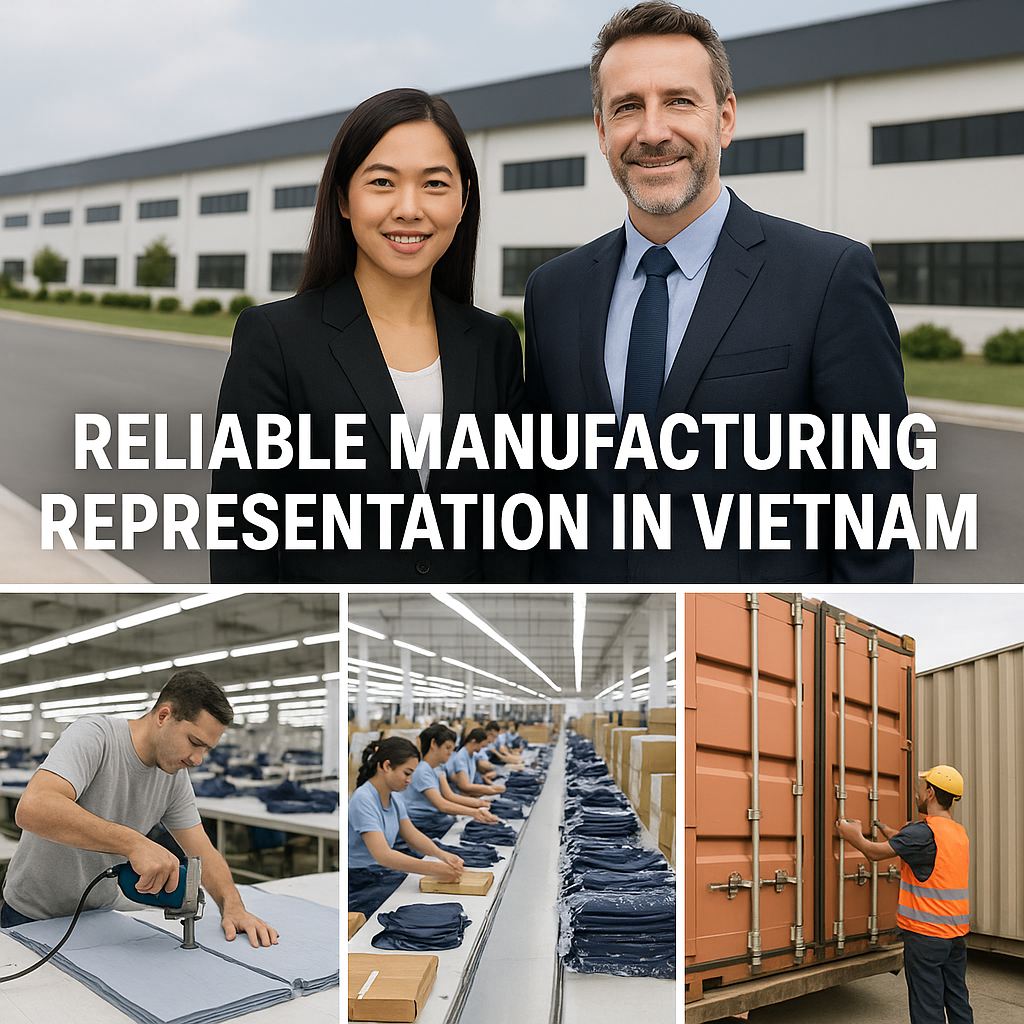
Understanding the legal and cultural landscape is crucial for businesses aiming to establish successful partnerships with Vietnam clothing manufacturers. This section explores essential aspects of Vietnamese law and cultural nuances that significantly impact manufacturing operations, ensuring smoother collaborations and mitigating potential risks. Navigating these considerations effectively allows companies to foster stronger relationships and optimize their clothing manufacturing ventures in Vietnam.
Successfully operating in Vietnam’s clothing manufacturing sector requires careful consideration of its legal framework. Foreign investors need to be aware of regulations governing foreign investment, business registration, labor laws, and import-export procedures. For example, understanding the nuances of the Enterprise Law and Investment Law is paramount. Furthermore, compliance with Vietnamese labor laws, including minimum wage requirements, working hour regulations, and social insurance obligations, is essential to avoid legal complications. Engaging legal experts familiar with Vietnamese business law is highly recommended to ensure full compliance and navigate the complexities of the Vietnam clothing manufacturers industry.
Beyond legal compliance, cultural awareness plays a vital role in building strong and lasting relationships with Vietnamese clothing manufacturers. For example, Vietnamese culture emphasizes respect for seniority, building trust through personal relationships, and indirect communication styles. Understanding ‘saving face’ and avoiding direct confrontation are crucial for effective negotiations and conflict resolution. Furthermore, being mindful of local customs, such as gift-giving etiquette and business meeting protocols, demonstrates cultural sensitivity and fosters goodwill. By adapting communication styles and demonstrating respect for Vietnamese culture, businesses can establish strong rapport and cultivate long-term partnerships with their clothing manufacturers.
Sustainable and Ethical Vietnam Clothing Manufacturers: Meeting Consumer Demand
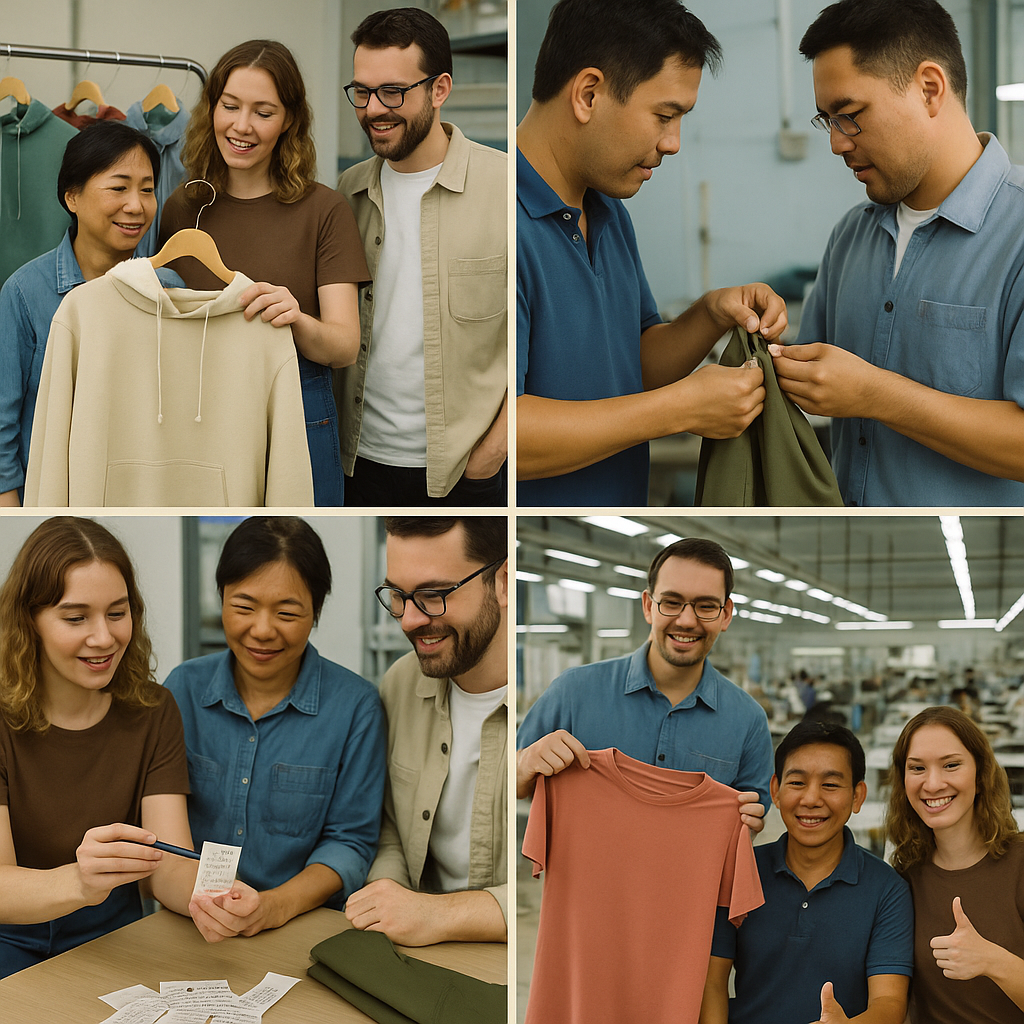
The rising consumer demand for eco-friendly and ethically produced goods is reshaping the landscape of Vietnam clothing manufacturers, compelling them to embrace sustainable and ethical practices. This shift is driven by a growing awareness among consumers regarding the social and environmental impact of their purchasing decisions, leading to a preference for brands that prioritize sustainability and ethical production. The need for transparency and accountability is no longer a niche market but a mainstream expectation.
This demand for ethical and sustainable fashion is pushing Vietnamese garment factories to adopt certifications like GOTS (Global Organic Textile Standard) for organic materials and Fair Trade for ensuring fair wages and safe working conditions. The implementation of such certifications demonstrates a commitment to environmental stewardship and social responsibility, appealing to conscious consumers. Brands that can transparently showcase these practices are gaining a competitive edge and building stronger customer loyalty.
Transparent supply chains are becoming increasingly crucial, as consumers want to know the origin of their clothing and the conditions under which it was produced. Manufacturers who can provide detailed information about their sourcing, production processes, and labor practices are building trust and enhancing their brand reputation. This transparency can be achieved through technologies like blockchain, which allows for tracking products throughout the supply chain, verifying their ethical and sustainable credentials.
Ultimately, meeting consumer demand for sustainable and ethical clothing requires a holistic approach that integrates environmental protection, social responsibility, and transparency into every aspect of the manufacturing process. This commitment not only benefits the environment and workers but also creates a strong brand identity and fosters lasting relationships with consumers who value ethical and sustainable choices.
Overcoming Challenges When Working with Vietnam Clothing Manufacturers: Tips & Solutions
Navigating the complexities of vietnam clothing manufacturers can present unique challenges, but with strategic planning and proactive solutions, businesses can successfully forge fruitful partnerships. Understanding potential roadblocks in areas like communication, quality control, and logistics is crucial for optimizing the manufacturing process and ensuring a smooth, efficient, and ultimately profitable collaboration. This section provides actionable tips and solutions to help you overcome these common hurdles when working with clothing manufacturers in Vietnam.
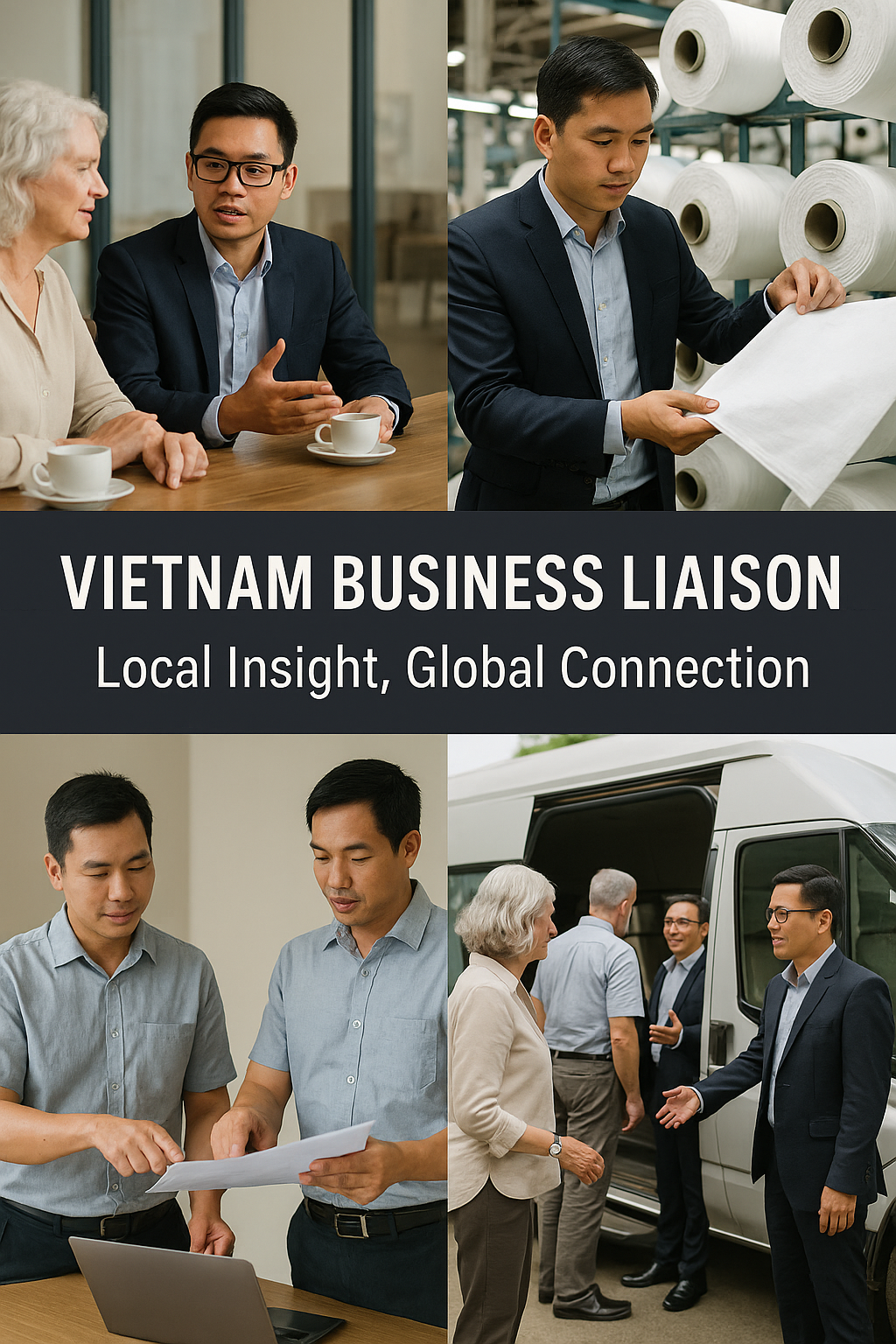
One of the primary difficulties businesses encounter is effective communication strategies. Language barriers, cultural differences, and varying time zones can impede clear and concise information exchange. To mitigate this, consider employing bilingual staff or a reliable translator to facilitate seamless dialogue with your clothing manufacturers. Establishing clear communication protocols, utilizing visual aids like tech packs and samples, and scheduling regular video conferences can also significantly improve understanding and prevent costly misunderstandings. For example, specifying all measurements in both imperial and metric units can help avoid errors during the production phase.
Maintaining consistent quality control solutions is another critical aspect of successful manufacturing partnerships. Discrepancies in quality can arise due to differences in standards, misunderstanding of design specifications, or insufficient monitoring during production. Implementing a robust quality control system that includes pre-production samples, in-line inspections, and final inspections is essential. Consider hiring a third-party inspection agency to conduct independent assessments and ensure that the clothing manufacturers adhere to agreed-upon quality standards. Many companies also utilize AQL (Acceptable Quality Limit) standards to define acceptable defect levels.
Effective logistics management tips are crucial for minimizing delays, reducing shipping costs, and ensuring timely delivery of finished goods. Challenges in logistics can stem from complex customs procedures, port congestion, and limited infrastructure in certain regions. Partnering with a reputable freight forwarder with experience in Vietnam’s shipping landscape can streamline the import/export process. Negotiating favorable shipping terms, optimizing packaging to minimize volume, and proactively addressing potential customs issues can also contribute to more efficient logistics. In addition, it’s important to factor in longer lead times, especially during peak seasons.
Latest Trends and Innovations in Vietnam’s Clothing Manufacturing Industry
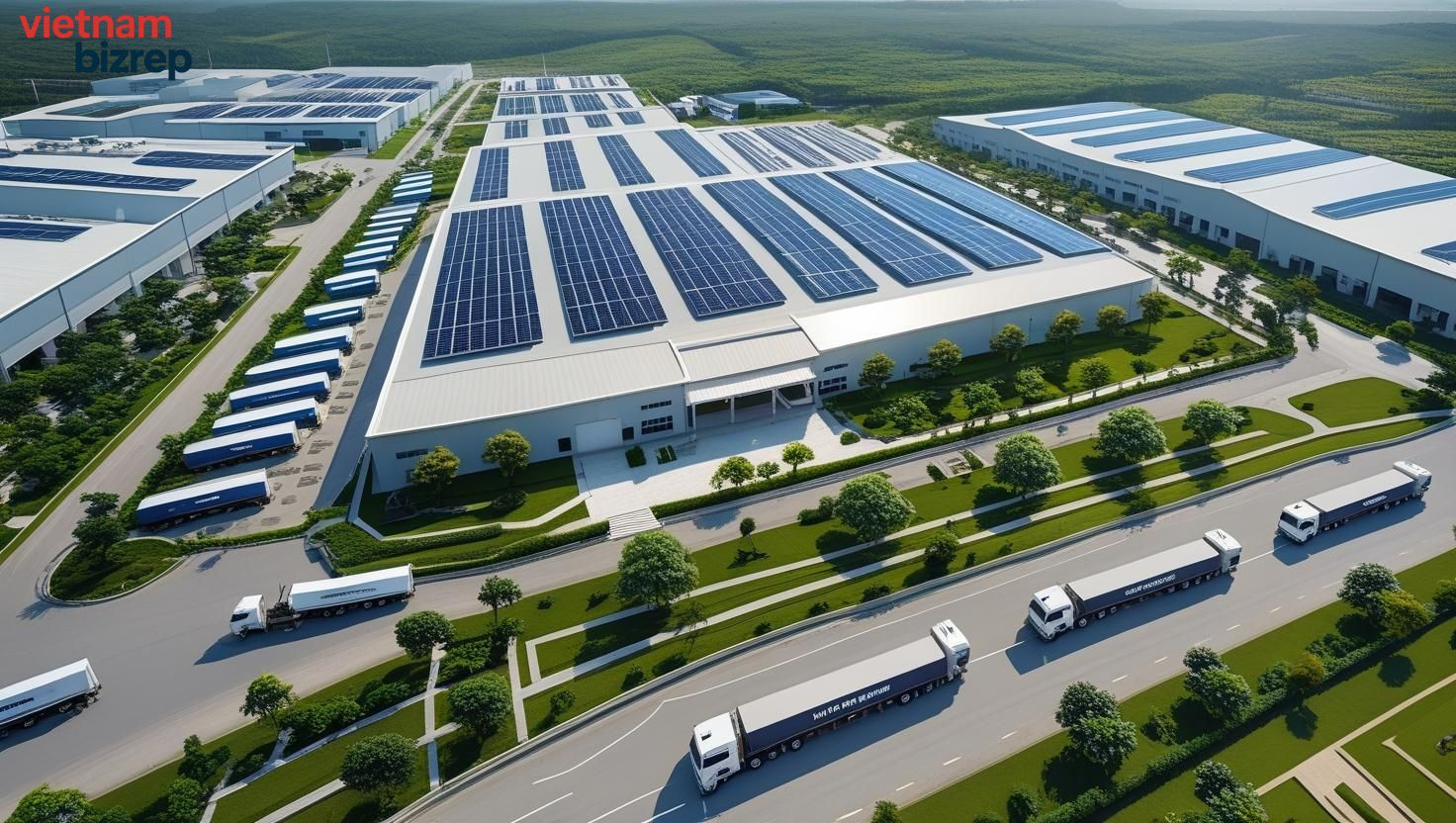
The Vietnam clothing manufacturing industry is undergoing a dynamic transformation, fueled by technological advancements and evolving consumer demands. This evolution is reshaping traditional practices, leading to greater efficiency, sustainability, and product innovation across the sector.
Automation and Robotics
One of the most impactful trends is the increasing adoption of automation and robotics. These technologies are revolutionizing production processes, enabling manufacturers to enhance precision, reduce labor costs, and accelerate production cycles. Automated cutting machines, robotic sewing systems, and automated material handling equipment are becoming increasingly common, especially in larger factories seeking to optimize their operations. For example, some factories are implementing robotic arms for repetitive tasks like attaching buttons or sewing seams, leading to a significant boost in productivity and consistency.
Advanced Materials and Technologies
Beyond automation, the Vietnam clothing industry is also embracing advanced materials and technologies. This includes the use of smart textiles with integrated sensors, 3D printing for garment design and prototyping, and the development of high-performance fabrics with enhanced properties such as moisture-wicking, UV protection, and antimicrobial features. This trend is driven by the growing demand for functional and specialized clothing, particularly in the sportswear and outdoor apparel segments.
Digital Manufacturing and Supply Chain Solutions
Digitalization is transforming the entire supply chain of the Vietnam clothing sector. From design and prototyping to production and distribution, digital technologies are streamlining processes, improving communication, and enhancing transparency. Cloud-based platforms, AI-powered analytics, and blockchain technology are being used to optimize inventory management, predict demand, and track products throughout the supply chain. This increased visibility and efficiency is helping manufacturers to respond more quickly to changing market demands and reduce waste.
Building Long-Term Relationships with Vietnam Clothing Manufacturers: Best Practices
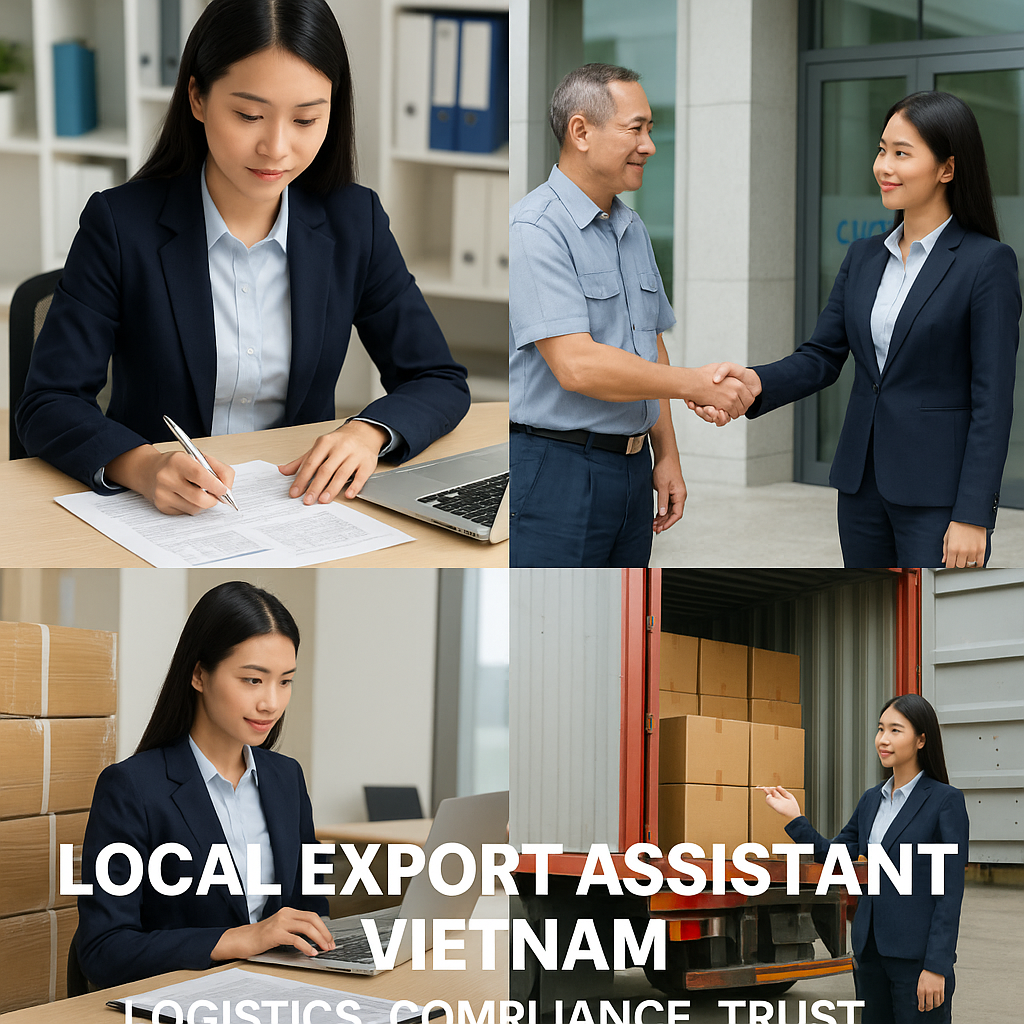
Establishing long-term relationships with Vietnam clothing manufacturers is crucial for sustainable growth and mutual success in the competitive garment industry. A strategic partnership built on trust and open communication can lead to better pricing, priority production, and a deeper understanding of your brand’s needs, ultimately enhancing the quality and efficiency of your clothing manufacturing process in Vietnam.
Importance of Clear Communication
Clear communication forms the bedrock of any successful business relationship, and it’s especially critical when working with Vietnam clothing manufacturers. This involves not only linguistic clarity, utilizing skilled interpreters when necessary, but also cultural sensitivity and a proactive approach to keeping all parties informed throughout the production lifecycle. Regularly scheduled meetings, detailed tech packs, and prompt responses to queries help prevent misunderstandings and ensure that expectations are aligned, fostering a collaborative environment conducive to achieving shared goals in garment manufacturing. For instance, clearly defining quality standards in written agreements and using visual aids during inspections can drastically reduce defects and improve overall product quality.
Building Trust and Mutual Respect
Building trust and mutual respect goes beyond simply fulfilling contractual obligations; it requires investing in the relationship by understanding your Vietnamese clothing manufacturer‘s business practices, cultural nuances, and long-term goals. This could involve visiting their facilities, engaging in open dialogue about challenges and opportunities, and demonstrating a genuine commitment to their success. Paying invoices on time, offering fair pricing, and treating their employees with respect are all essential components of fostering a strong, mutually beneficial partnership. Transparency in your own operations and a willingness to share market insights can further solidify the relationship, creating a sense of shared ownership and accountability in the apparel manufacturing process.
Establishing Long-Term Agreements
Establishing long-term agreements provides a framework for sustainable collaboration and mutual benefits with your Vietnam clothing manufacturers. These agreements should clearly outline the scope of work, pricing structure, quality standards, lead times, and dispute resolution mechanisms. A well-defined contract not only protects both parties’ interests but also provides a foundation for building trust and fostering a collaborative environment. Consider including clauses that incentivize continuous improvement in areas such as quality, efficiency, and sustainability. Regular reviews of the agreement, along with open discussions about market trends and future opportunities, can help ensure that the partnership remains relevant and mutually beneficial over the long term within the dynamic Vietnam clothing industry.
Finding Verified Vietnam Clothing Manufacturers: Online Platforms & Resources
Sourcing reliable vietnam clothing manufacturers requires careful navigation through various online platforms and resources to ensure you’re partnering with legitimate and capable suppliers. Identifying and vetting these manufacturers is crucial for businesses looking to establish a strong supply chain in Vietnam’s thriving garment industry. By leveraging online B2B marketplaces, industry-specific trade associations, and government export promotion agencies, businesses can significantly reduce the risks associated with international sourcing and build trustworthy relationships.
Online B2B Marketplaces (e.g., Alibaba, Global Sources)
Online B2B marketplaces like Alibaba and Global Sources serve as valuable starting points in your search for clothing manufacturers in Vietnam. These platforms host thousands of suppliers, offering a vast selection of potential partners specializing in various aspects of clothing production, from sportswear to woven garments. When using these marketplaces, verify supplier credentials through methods such as checking for verified badges, reading customer reviews, and examining the manufacturer’s listed certifications. Many platforms offer services like trade assurance programs, which provide added protection against fraudulent activities.
Trade Associations and Industry Groups
Engaging with trade associations and industry groups within Vietnam can provide access to a network of pre-vetted clothing manufacturers. These organizations often have directories of member companies, allowing you to identify businesses that adhere to specific industry standards and have a proven track record. Examples include the Vietnam Textile and Apparel Association (VITAS), which offers resources for connecting with reputable suppliers. Furthermore, participation in trade shows and industry events organized by these groups facilitates direct interaction and assessment of potential manufacturing partners.
Government Resources and Export Promotion Agencies
Leveraging government resources and export promotion agencies provides another layer of assurance when seeking verified Vietnam clothing manufacturers. The Vietnamese government, through agencies like the Vietnam Trade Promotion Agency (VIETRADE), offers resources such as supplier directories, trade data, and support services for international businesses. These agencies often conduct due diligence on local manufacturers, ensuring compliance with labor laws, environmental standards, and export regulations. Partnering with manufacturers recommended by these sources significantly minimizes risks and fosters trust in your sourcing operations.
Case Studies: Success Stories of Brands Partnering with Vietnam Clothing Manufacturers
The booming garment industry of Vietnam presents a compelling landscape for international brands seeking reliable and cost-effective manufacturing solutions, and success stories abound showcasing the tangible benefits of these partnerships. These case studies highlight how strategic collaborations with Vietnam clothing manufacturers have enabled brands to achieve significant improvements in product quality, supply chain efficiency, and overall business growth. By examining these examples, businesses can gain valuable insights into the potential of Vietnam’s apparel manufacturing sector and identify the key factors that contribute to a successful collaboration.
Several international brands have leveraged the expertise of Vietnam clothing manufacturers to enhance their sportswear lines. For instance, a major athletic apparel company partnered with a Vietnamese factory specializing in performance fabrics and advanced stitching techniques. This collaboration resulted in a significant reduction in production costs, while simultaneously improving the durability and functionality of their sportswear. The brand was able to offer consumers higher-quality products at competitive prices, leading to increased market share and brand loyalty.
Knitwear brands have also seen substantial success through partnerships with Vietnam clothing manufacturers. One notable example involves a boutique fashion label that sought to expand its knitwear collection while maintaining its commitment to sustainable practices. By working with a Vietnamese factory certified in ethical and environmentally responsible production, the brand was able to launch a new line of organic cotton knitwear that resonated with its target audience. The success of this collaboration highlights Vietnam’s growing capacity for sustainable textile manufacturing.
Furthermore, the flexibility and responsiveness of Vietnam clothing manufacturers have enabled numerous brands to effectively manage their supply chains. A fast-fashion retailer, for example, partnered with a Vietnamese factory to produce woven garments with short lead times and agile production capabilities. This allowed the retailer to quickly respond to changing consumer demands and minimize inventory risks. This partnership demonstrated the Vietnamese manufacturer’s responsiveness and adaptability, proving that its production times were flexible, its quality was high, and its reaction to market changes was rapid.
Private label clothing manufacturers in Vietnam have empowered emerging brands to launch their collections without the complexities of setting up their own production facilities. A start-up fashion brand collaborated with a Vietnamese private label manufacturer to produce a diverse range of apparel, from casual wear to formal attire. The manufacturer provided comprehensive services, including design assistance, fabric sourcing, and quality control, enabling the brand to focus on marketing and sales. This strategic outsourcing approach significantly reduced the brand’s initial investment and accelerated its time to market.
Buyers sourcing apparel from Vietnam can use Vietnam factory sourcing support to identify and compare clothing manufacturers, and arrange quality control inspections to ensure production standards are met before shipment.
These are just a few examples of how brands are achieving success by partnering with Vietnam clothing manufacturers. By carefully evaluating potential partners, establishing clear communication channels, and fostering long-term relationships, businesses can unlock the immense potential of Vietnam’s apparel manufacturing industry and achieve their desired business outcomes.
Related Vietnam Sourcing & Manufacturing Services
- Garment Manufacturers in Vietnam
- OEM Clothing Manufacturer in Vietnam
- Private Label Clothing Manufacturer in Vietnam
- Low MOQ Clothing Manufacturer in Vietnam
- Vietnam Sourcing Agent
Need support in Vietnam? Call or WhatsApp +84 941 414 422 or visit our contact page to discuss your project with Vietnam Biz Rep.
