


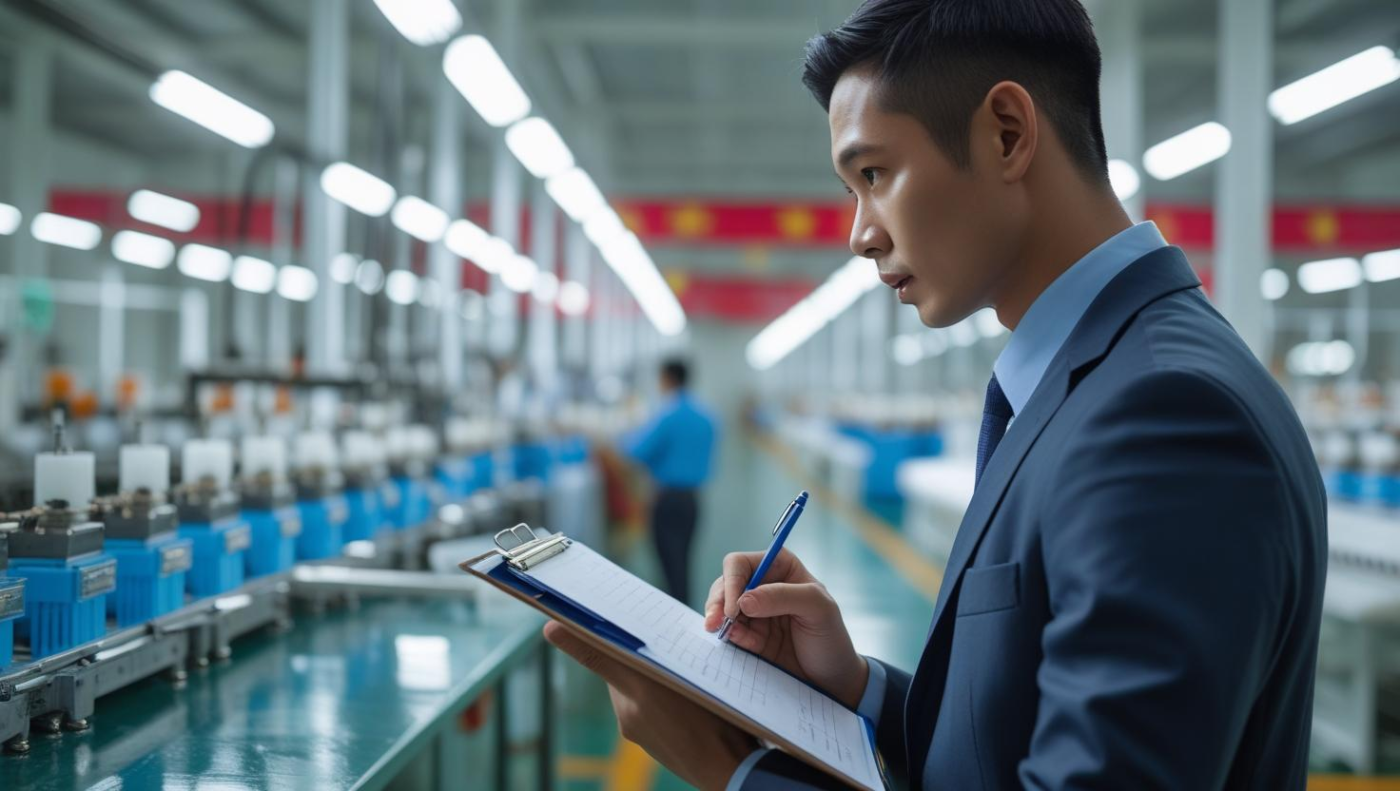
Understanding manufacturer companies is crucial for navigating today’s complex global economy, where these entities drive innovation, production, and supply chains. This article delves into the multifaceted world of manufacturing, exploring different types of manufacturers, from original equipment manufacturers (OEMs) to contract manufacturers. We’ll examine key aspects like manufacturing processes, supply chain management, quality control, and the impact of technology and automation on modern manufacturing operations. Furthermore, we’ll analyze the challenges and opportunities facing manufacturing businesses in 2025, including cost optimization, sustainability, and digital transformation. This comprehensive guide falls under the vietnambizrep category, providing practical insights for professionals seeking to understand and excel in the competitive landscape of manufacturing industry.
Finding the Right Manufacturer Company: A Comprehensive Guide
Securing a dependable manufacturer company is paramount for businesses aiming to produce high-quality goods efficiently and cost-effectively. This guide provides a detailed roadmap for navigating the complexities of selecting the ideal manufacturing partner, ensuring alignment with your specific needs and fostering a successful long-term collaboration. Selecting the correct manufacturing company involves a lot of factors, therefore let’s take an in-depth look at these to determine your best course of action.
The process begins with clearly defining your project requirements, encompassing aspects like production volume, material specifications, and desired quality standards. A thorough understanding of these needs will serve as the foundation for evaluating potential manufacturing partners. For instance, if your product requires specialized materials, you’ll want to ensure the manufacturer company has expertise and established relationships with reliable suppliers in that area.
Next, consider the geographical location of potential manufacturers. While overseas options might offer lower labor costs, domestic manufacturers can provide advantages in terms of communication, lead times, and intellectual property protection. For example, a company needing quick turnaround times for product iterations might prefer a local manufacturer to minimize shipping delays and facilitate in-person collaboration.
Finally, this comprehensive guide will outline the critical steps in assessing a manufacturer company’s capabilities, expertise, and financial stability, equipping you with the knowledge to make informed decisions and mitigate potential risks. Understanding how to secure your intellectual property and uphold ethical and sustainable practices when partnering with a manufacturer company will lead you to success.

Evaluating Manufacturer Company Capabilities and Expertise
Choosing the right manufacturer company hinges significantly on a thorough evaluation of their capabilities and expertise. This assessment goes beyond surface-level information, delving into the core competencies that determine a manufacturer’s ability to meet your specific needs and deliver high-quality products. Evaluating this thoroughly ensures a smoother production process and a stronger, more reliable partnership.
Assessing Production Capacity and Scalability
A crucial aspect of evaluating a manufacturer company is understanding its production capacity and scalability. Can the manufacturer handle your current order volume, and more importantly, can they scale up production to meet future demand? Inquire about their equipment, workforce size, and production processes to gauge their ability to adapt to changing requirements. For example, a manufacturer might boast a large facility, but if their equipment is outdated or their workforce is inadequately trained, their actual production capacity may be limited. Requesting data on past projects and their ability to handle surges in demand can provide valuable insights.
Examining Technical Expertise and Innovation
Beyond raw production capacity, the technical expertise and innovation capabilities of a manufacturer company are paramount, especially for products requiring advanced technologies or complex designs. Does the manufacturer possess the necessary engineering talent, research and development resources, and technological infrastructure to meet your product’s specifications? A manufacturer demonstrating a commitment to innovation through investments in research, development, and the adoption of new technologies is often better equipped to handle complex projects and offer valuable insights for product improvement. Look for evidence of patents, publications, or successful implementation of cutting-edge technologies.
Verifying Quality Control and Certification Standards
A robust quality control system is non-negotiable when selecting a manufacturer company. Thoroughly verify their quality control and certification standards to ensure product reliability and consistency. This includes examining their quality control processes, testing procedures, and adherence to relevant industry standards like ISO 9001 or other certifications specific to your industry. It is essential to understand their approach to identifying and addressing defects, as well as their procedures for continuous improvement. Requesting access to quality control reports and conducting on-site audits can provide valuable insights into their commitment to quality.
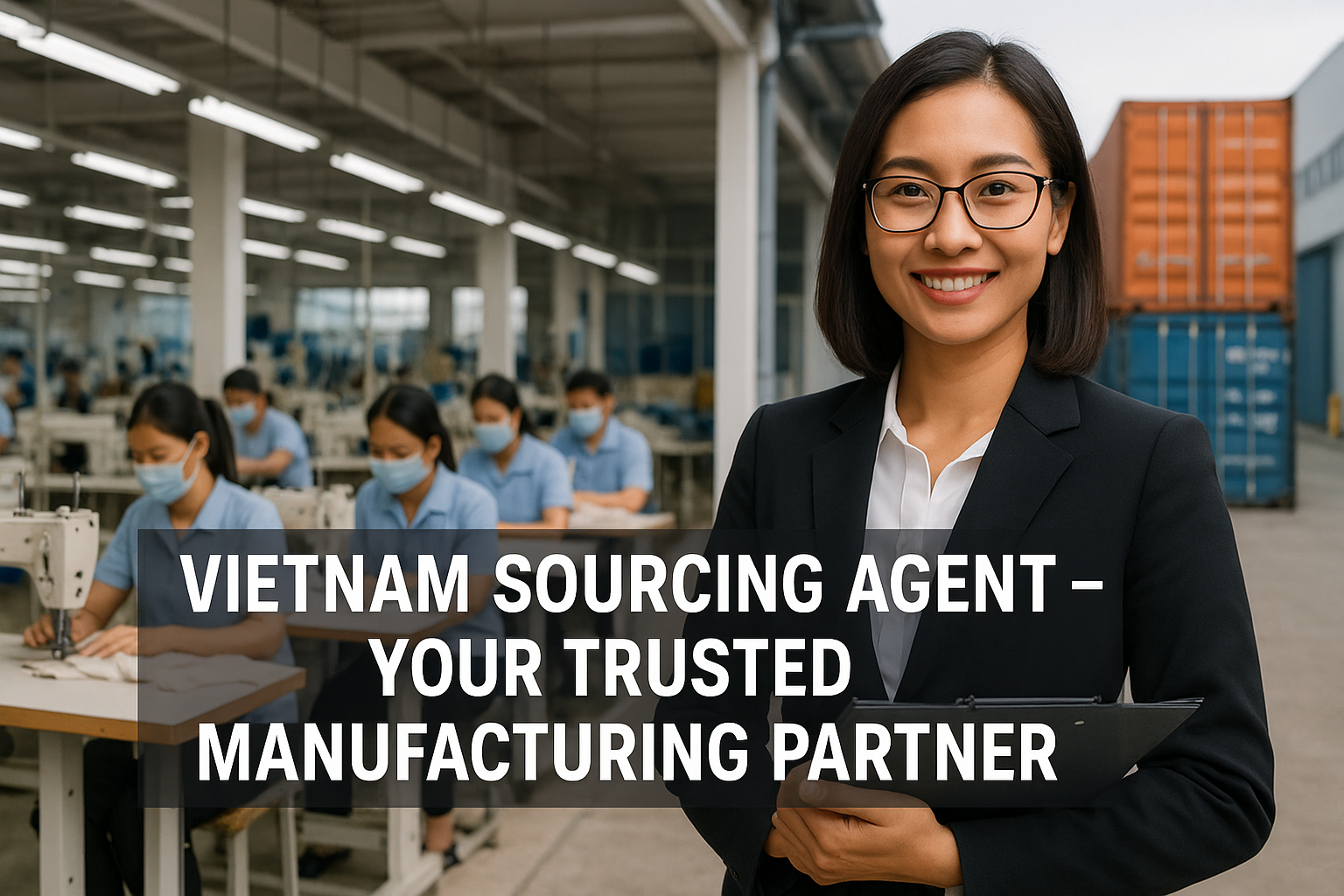
Manufacturer Company Specializations: Identifying Your Niche Fit
Finding the right manufacturer company requires more than just a broad search; it demands a precise understanding of your specific needs and how well a manufacturer’s expertise aligns with those requirements. The specialization of a manufacturing company is a critical factor in determining the success of your product, influencing everything from quality and efficiency to innovation and cost-effectiveness. Therefore, pinpointing a manufacturer company that specializes in your niche is paramount to achieving optimal results.
One of the primary considerations is the manufacturing process itself. Does your product require specialized techniques like injection molding, CNC machining, or intricate textile weaving? For example, a company specializing in electronics manufacturing might excel at assembling complex circuit boards but lack the expertise for precision metal fabrication required for automotive components. Understanding the nuances of different manufacturing processes helps you narrow your search to companies with a proven track record in your specific area.
Another crucial aspect to consider is industry-specific expertise. A manufacturer specializing in the automotive industry, for instance, will have in-depth knowledge of automotive standards, materials, and quality control processes. Similarly, a company focusing on medical devices will be well-versed in regulatory requirements like ISO 13485 and FDA compliance. Choosing a manufacturer with relevant industry experience can significantly reduce the risk of errors, delays, and compliance issues.
Finally, material specializations and sourcing play a vital role. Certain manufacturers may specialize in working with specific materials like high-performance plastics, exotic metals, or sustainable textiles. Their expertise in sourcing, processing, and handling these materials can translate into cost savings, improved product performance, and reduced environmental impact. For example, a manufacturer specializing in sustainable materials will have established relationships with ethical suppliers and be able to provide guidance on eco-friendly alternatives.
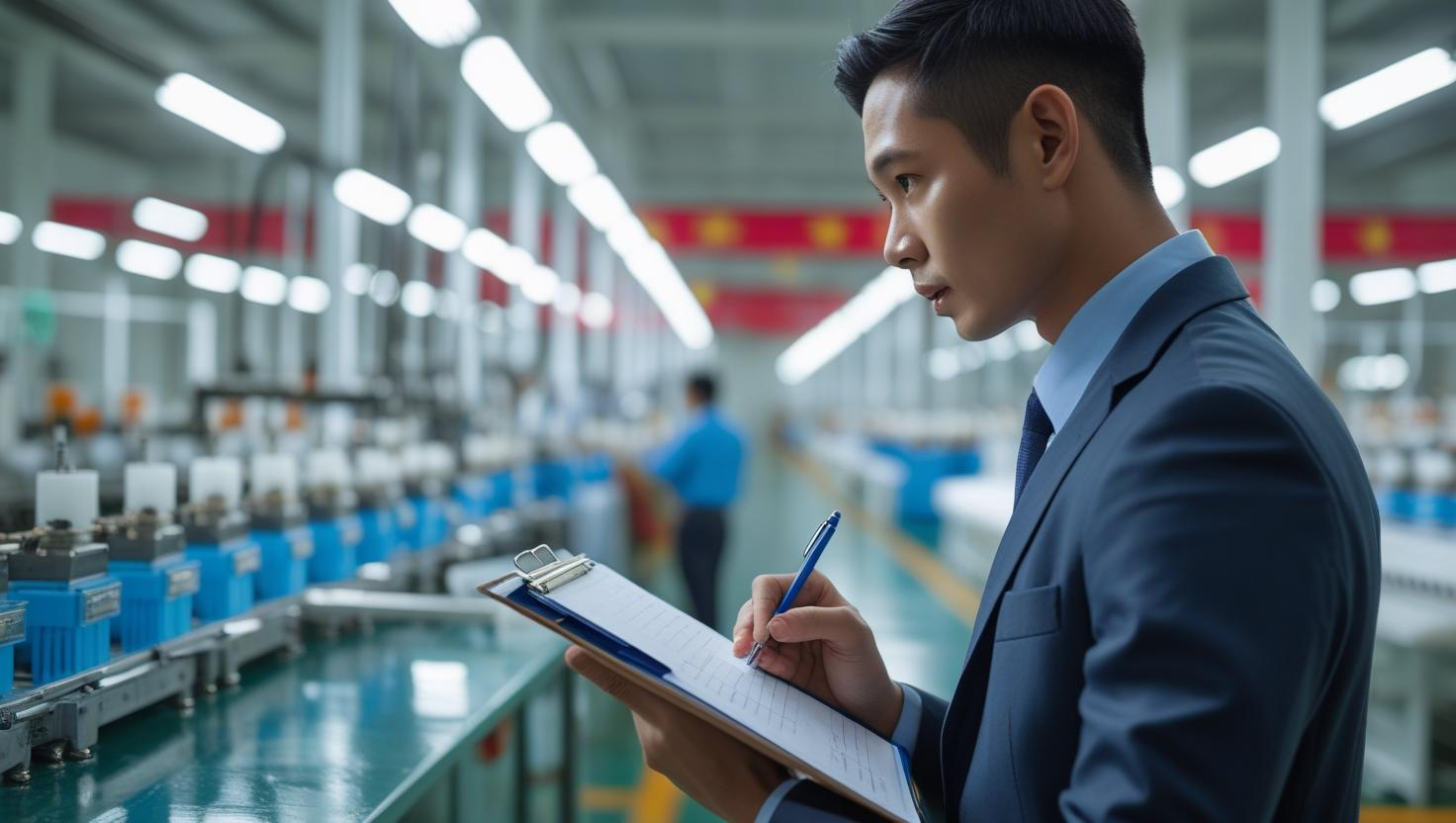
Due Diligence for Manufacturer Company: Risk Mitigation Strategies
Due diligence is paramount when selecting a manufacturer company, serving as a crucial process for risk mitigation and ensuring a successful, long-term partnership. Thorough examination of a potential manufacturing partner minimizes the risk of encountering unforeseen issues related to quality, finances, ethics, or supply chain disruptions, all of which can significantly impact your business. This process helps businesses like vietnambizrep safeguard their investments, protect their brand reputation, and maintain operational efficiency.
Financial stability is a cornerstone of risk mitigation. Assessing a manufacturer company’s financial health involves analyzing their balance sheets, income statements, and cash flow statements. Look for consistent profitability, healthy debt-to-equity ratios, and a history of meeting financial obligations. Dun & Bradstreet reports and credit ratings can provide valuable insights into a company’s financial standing. For instance, a company consistently showing declining revenues over the past three years may pose a significant risk.
Legal compliance and ethical practices are equally critical aspects of due diligence. Verify that the manufacturer company adheres to all relevant laws and regulations, including environmental standards, labor laws, and safety regulations. Request copies of their licenses, permits, and certifications. Ethical considerations extend to fair labor practices, such as ensuring fair wages, safe working conditions, and the absence of child labor. A company with a history of legal violations or ethical breaches could expose your business to legal and reputational risks.
Supply chain security and risk management protocols should be rigorously evaluated. Inquire about the manufacturer company’s sourcing practices, their relationships with key suppliers, and their contingency plans for potential disruptions, such as natural disasters or geopolitical events. A robust supply chain should have multiple backup suppliers for critical materials. Also, assess their inventory management practices to gauge their ability to meet demand fluctuations. For example, the COVID-19 pandemic highlighted the vulnerability of global supply chains, underscoring the importance of having diversified sourcing options.
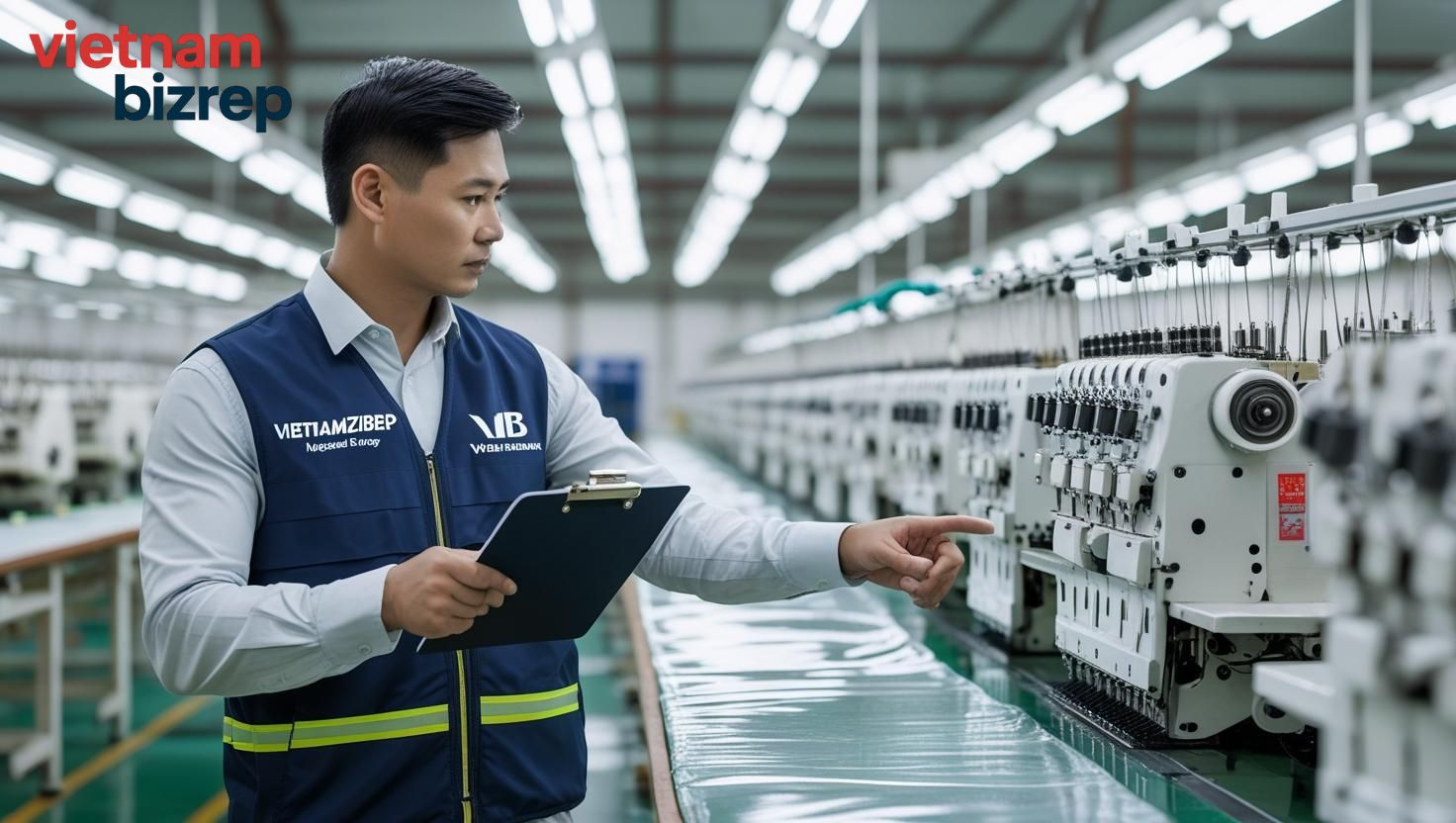
Communication and Collaboration: Ensuring a Successful Partnership with a Manufacturer Company
Effective communication and collaboration are paramount to fostering a successful partnership with any manufacturer company. Establishing clear communication channels, respecting cultural nuances, and implementing robust project management systems are crucial for aligning expectations and achieving desired outcomes in manufacturing projects.
Language and Cultural Considerations
Navigating language and cultural differences is a critical aspect of successful collaboration. Misunderstandings arising from language barriers can lead to costly errors and delays. Therefore, it’s essential to identify a manufacturer company that provides clear and concise communication in a language you understand. For example, if you are based in the US and working with a manufacturer in Asia, having English-speaking project managers is vital. Moreover, cultural sensitivity is essential to avoid offending your manufacturing partner. Understanding their business etiquette, communication styles, and decision-making processes can foster a more harmonious and productive relationship.
Project Management and Reporting Capabilities
Efficient project management and transparent reporting are the backbones of a well-coordinated manufacturing project. A reliable manufacturer company should possess robust project management capabilities to track progress, manage timelines, and allocate resources effectively. Regularly scheduled progress reports, including data-driven insights and visual aids, allow you to stay informed and identify potential issues early on. For instance, a manufacturer might use Gantt charts to illustrate project timelines and milestones or provide daily production reports to track output.
Accessibility and Responsiveness of Key Personnel
The accessibility and responsiveness of key personnel at the manufacturer company play a significant role in building trust and resolving issues promptly. Establishing a clear escalation path and identifying key contacts for different aspects of the project, such as engineering, production, and quality control, can streamline communication and ensure efficient problem-solving. A manufacturer that prioritizes customer service and responds quickly to inquiries demonstrates their commitment to a successful partnership. For example, having a dedicated account manager who is readily available to address your concerns can significantly improve your overall experience.

Manufacturer Company Pricing and Cost Structure: Understanding the Variables
Understanding the pricing and cost structure of a manufacturer company is crucial for any business seeking to outsource production or establish a strategic partnership. The final price you pay for goods is influenced by a complex interplay of factors, making it essential to analyze each variable carefully to ensure cost-effectiveness and profitability. This section breaks down the key components that determine the cost of manufacturing, enabling you to negotiate effectively and make informed decisions.
One of the most significant factors affecting the final price is the cost of raw materials. Raw material costs are subject to market fluctuations influenced by supply and demand, geopolitical events, and currency exchange rates. For instance, the price of steel can vary significantly based on global economic conditions, impacting the cost of manufacturing products that rely heavily on this material. Businesses need to stay informed about these fluctuations and consider hedging strategies to mitigate risks.
Another key component is labor rates and production efficiency. Labor costs differ significantly between regions and countries, depending on factors such as minimum wage laws, skill levels, and labor union presence. Production efficiency also plays a critical role, as manufacturers with streamlined processes and advanced automation can often offer more competitive pricing. For example, a manufacturer with highly skilled workers and efficient assembly lines can produce more units per hour, reducing the overall labor cost per unit.
Finally, shipping and logistics expenses constitute a substantial portion of the total cost, especially for international sourcing. Shipping costs are affected by factors such as distance, mode of transportation (sea, air, land), fuel prices, and customs duties. Furthermore, complexities in logistics can lead to delays and additional expenses. Businesses should carefully evaluate these variables and consider strategies such as optimizing packaging and consolidating shipments to minimize these costs.

Intellectual Property Protection: Safeguarding Your Designs and Innovations with a Manufacturer Company
Protecting your intellectual property (IP) is paramount when partnering with a manufacturer company. In the competitive global market, safeguarding your designs, innovations, and proprietary information from unauthorized use or infringement is crucial for maintaining a competitive edge and ensuring long-term business success. Selecting a manufacturer company that prioritizes and implements robust intellectual property protection measures is therefore essential.
One of the first lines of defense is establishing clear legal agreements. Non-Disclosure Agreements (NDAs) and well-drafted contracts are essential tools for defining the scope of confidentiality and outlining the responsibilities of both parties. These documents should explicitly state ownership of intellectual property, usage rights, and consequences for any breach of confidentiality. For instance, a comprehensive contract should detail how your designs are handled, who has access to them, and what measures are in place to prevent unauthorized dissemination.
Securing patent protection is another vital step. If your designs or inventions are patentable, pursuing patents in relevant jurisdictions can provide a strong legal barrier against competitors. Ensure that the manufacturer company understands the importance of these patents and has processes in place to prevent infringement during production. Discuss the patent application process and how they will contribute to maintaining patent validity. Furthermore, you should define the process for enforcing your patent rights should any infringement occur.
Beyond legal agreements and patent protection, focusing on robust data security protocols is crucial. Secure data transfer methods, restricted access to sensitive design files, and vigilant monitoring of data access are all essential elements. Verify that the manufacturer company has robust cybersecurity measures in place to prevent unauthorized access or data breaches. Regularly audit their security protocols and ensure compliance with industry best practices to maintain the confidentiality of your designs and sensitive information. Consider implementing encryption for sensitive data and establishing clear protocols for handling and storing your intellectual property.
Sustainable Manufacturing Practices: Choosing an Environmentally Responsible Manufacturer Company
In today’s world, selecting a manufacturer company that embraces sustainable manufacturing practices is no longer just a trend but a necessity for businesses aiming for long-term success and a positive impact on the planet. Environmentally conscious manufacturing involves minimizing waste, conserving resources, and adhering to ethical labor standards throughout the production process, leading to a smaller environmental footprint and enhanced brand reputation. Therefore, integrating environmental considerations into the selection process can provide a competitive advantage and contribute to a more sustainable future.
To actively reduce waste and improve energy efficiency, a responsible manufacturer company will actively seek to minimize its environmental impact. For instance, they might invest in renewable energy sources like solar panels, implement closed-loop water systems to recycle water used in production, and design products and packaging for recyclability and reduced material usage. As a result, this may also lead to a reduction in the costs for both the company and consumer, while also preserving energy.
Ethical sourcing and fair labor practices are also fundamental pillars of sustainable manufacturing. Transparency in the supply chain, ensuring fair wages and safe working conditions for all employees, and avoiding conflict minerals are all indicators of a company’s commitment to ethical conduct. Companies like Patagonia, for example, are known for their rigorous supply chain audits and commitment to fair labor standards, setting a high bar for others in the industry.
A company’s commitment to environmental stewardship is often reflected in its environmental certifications and compliance with international standards. Certifications like ISO 14001 (Environmental Management Systems), LEED (Leadership in Energy and Environmental Design) for facilities, and certifications from organizations like the Forest Stewardship Council (FSC) for sustainable forestry practices demonstrate a commitment to environmental responsibility. Selecting a manufacturer that adheres to these standards ensures that their practices are regularly audited and meet globally recognized benchmarks for environmental performance.
Leveraging Technology to Optimize Manufacturer Company Selection and Management
In today’s rapidly evolving business landscape, leveraging technology is no longer optional but essential for optimizing the entire lifecycle of manufacturer company selection and management. Strategic deployment of digital tools and platforms allows businesses to make data-driven decisions, streamline processes, and foster more productive relationships with their manufacturing partners, ultimately leading to increased efficiency and profitability. This section explores the key technological advancements that are transforming how businesses identify, evaluate, and collaborate with manufacturing companies, ensuring a competitive edge in the global market.
The digital era offers a plethora of solutions for streamlining the often complex process of finding the right manufacturer company. Online directories and B2B marketplaces serve as comprehensive databases, connecting businesses with a vast network of potential partners, offering tools for filtering results, and comparing capabilities. These platforms not only broaden the scope of potential manufacturing partners but also provide transparency and efficiency in the initial screening process.
Beyond initial selection, Enterprise Resource Planning (ERP) systems play a crucial role in streamlining ongoing management and collaboration with manufacturer companies. ERP systems centralize data related to production, inventory, supply chain, and financials, providing real-time visibility and control over the entire manufacturing process. This integration enables efficient communication, proactive problem-solving, and data-driven decision-making, leading to improved efficiency and reduced costs.
The power of data analytics further enhances the optimization of manufacturer company performance. By collecting and analyzing data from various sources, businesses can gain valuable insights into key performance indicators (KPIs) such as production efficiency, quality control, and on-time delivery. This data-driven approach allows for the identification of bottlenecks, the implementation of targeted improvements, and the continuous refinement of manufacturing strategies. For example, tracking defect rates through data analytics can pinpoint areas needing process adjustments, leading to higher product quality.
Vietnam Biz Rep helps overseas buyers find suppliers, verify factories, coordinate samples, inspect goods, and follow up production in Vietnam. Learn more about our Vietnam sourcing agent services or contact us to discuss your sourcing requirements.
