

Importing goods from Vietnam to India presents lucrative opportunities for businesses seeking to tap into the dynamic markets of both countries, and it’s more crucial than ever in 2025 to understand the intricate processes involved. This guide, filed under vietnambizrep, delves into the essential aspects of successful import-export, including navigating customs clearance, understanding trade agreements, identifying key product categories with high demand, mastering shipping logistics, and effectively managing payment methods and currency exchange. Finally, we’ll break down the process step-by-step and offer actionable insights to ensure a smooth and profitable trade venture for your business.
Importing from Vietnam to India: A Comprehensive Guide
Navigating the complexities of importing from Vietnam to India requires a thorough understanding of trade regulations, logistical considerations, and market dynamics. This comprehensive guide, by Vietnam Biz Rep, aims to provide Indian importers with the essential knowledge and practical steps necessary for a successful and profitable venture, focusing on the VietnamIndia trade relationship. Whether you’re exploring opportunities for sourcing specific goods or seeking to optimize your existing supply chain, this guide offers valuable insights into the key aspects of this growing trade corridor.
Successfully importing goods from Vietnam to India hinges on a clear grasp of the processes involved, beginning with identifying potential commodities and suppliers. From agricultural products like cashew nuts and coffee to manufactured goods such as electronics and textiles, the range of exportable items from Vietnam is diverse. A crucial initial step involves conducting thorough market research to determine the demand and competitiveness of particular products within the Indian market. This research should encompass analyzing existing market trends, identifying potential customer segments, and assessing the competitive landscape to ensure a viable business opportunity.
The legal and regulatory framework governing VietnamIndia imports forms the bedrock of any import operation. India imposes specific import policies, quality standards, and documentation requirements that must be strictly adhered to. Understanding these regulations is paramount for avoiding delays, penalties, and legal complications. Importers should familiarize themselves with the Foreign Trade Policy of India, which outlines the guidelines and procedures for import and export activities. Furthermore, compliance with Indian Standards (BIS) and other relevant quality certifications is often mandatory for certain product categories, safeguarding consumer safety and ensuring product quality.
Streamlining the customs clearance process is vital for timely and cost-effective VietnamIndia trade. This process involves meticulous documentation, accurate declarations, and adherence to customs regulations. Indian customs authorities require importers to submit a range of documents, including the bill of lading, commercial invoice, packing list, and certificate of origin. Understanding the Harmonized System (HS) codes for specific products is critical for accurate tariff classification, which determines the applicable import duties and taxes. Engaging a reputable customs broker can significantly simplify the customs clearance process, ensuring compliance and minimizing potential delays.
Effective shipping and logistics strategies are integral to the success of import from Vietnam to India. The choice of shipping method depends on factors such as the nature of the goods, urgency of delivery, and cost considerations. Sea freight remains the most common mode of transport for large volumes of goods, offering cost-effective solutions for non-perishable items. Air freight provides a faster alternative for time-sensitive shipments, albeit at a higher cost. Optimizing your supply chain requires careful planning, collaboration with reliable logistics providers, and effective inventory management to minimize costs and ensure timely delivery of goods.

Key Products and Commodities Traded Between Vietnam and India
The vibrant trade relationship between Vietnam and India is fueled by a diverse array of key products and commodities, highlighting the strengths of both economies and creating mutually beneficial opportunities. Understanding these major exports and imports is crucial for businesses seeking to engage in Vietnam-India trade. The flow of goods encompasses agricultural products, manufactured goods, raw materials, and increasingly, high-tech components, reflecting the evolving economic landscape of both nations.
Vietnam’s exports to India are largely concentrated in specific sectors. Electronics, including mobile phones and components, constitute a significant portion of the export basket. Agricultural products, such as cashew nuts, coffee, pepper, and rubber, also play a vital role, leveraging Vietnam’s strength in agricultural production. Furthermore, chemicals and plastics are increasingly important export commodities, indicative of Vietnam’s growing manufacturing capabilities.
Conversely, India’s exports to Vietnam are diversified across various sectors. Machinery and equipment form a crucial component, supporting Vietnam’s industrial development. Pharmaceutical products are also a major export, catering to the growing healthcare needs of the Vietnamese population. In addition, India exports steel products, textiles, and chemicals to Vietnam, contributing to the country’s infrastructure and manufacturing sectors.
The following table illustrates key products and commodities traded between Vietnam and India (This is just an example, I don’t want you to generate one):
| Category | Vietnam’s Exports to India | India’s Exports to Vietnam |
|---|---|---|
| Electronics | Mobile Phones, Electronic Components | Computer Hardware, Electronic Machinery |
| Agricultural | Cashew Nuts, Coffee, Pepper, Rubber | Wheat, Rice, Spices |
| Chemicals | Plastics, Organic Chemicals | Pharmaceuticals, Dyes |
| Metals | Copper, Aluminum | Steel, Iron Ore |
| Textiles | Apparel, Footwear | Cotton Yarn, Fabrics |
Examining the trends in Vietnam India trade reveals a growing emphasis on value-added products. While agricultural commodities remain significant, the increasing trade in electronics, machinery, and chemicals points towards a deepening of industrial cooperation and a shift towards higher value-added manufacturing in both countries. This evolution presents new opportunities for businesses to engage in more sophisticated trade activities and tap into emerging markets.
Understanding this dynamic landscape of products and commodities is essential for businesses looking to thrive in the Vietnam-India import-export arena. By identifying key opportunities, navigating the regulatory landscape, and establishing reliable supply chains, businesses can unlock the full potential of this burgeoning trade relationship.
Want to explore the top Vietnamese exports and how they reach India? Read more about the key products exported from Vietnam.
Legal and Regulatory Framework for VietnamIndia Imports
Navigating the legal and regulatory framework is crucial for successful import from Vietnam to India. This section delves into the key regulations governing trade between Vietnam and India, providing a comprehensive overview for businesses aiming to establish or expand their presence in the Indian market. Understanding these regulations ensures compliance and smooth import operations.
Several key aspects define the legal landscape for Vietnam-India imports:
-
Bilateral Trade Agreements: The ASEAN-India Free Trade Area (AIFTA) is a cornerstone of trade relations, significantly reducing or eliminating tariffs on a wide range of goods. Vietnambizrep advises businesses to thoroughly understand the product-specific rules of origin under AIFTA to maximize tariff benefits.
-
Import Licensing and Permits: Depending on the product, importers may need specific licenses or permits from Indian authorities. For instance, importing certain chemicals, pharmaceuticals, or agricultural products requires licenses from the Directorate General of Foreign Trade (DGFT) or other relevant agencies.
-
Standards and Technical Regulations: Goods imported into India must comply with Indian standards and technical regulations set by the Bureau of Indian Standards (BIS) and other regulatory bodies. Compliance ensures product safety and quality for Indian consumers.
-
Phytosanitary and Sanitary Regulations: For agricultural products and food items, stringent phytosanitary and sanitary regulations are in place to prevent the introduction of pests and diseases. These regulations are enforced by the Plant Quarantine (PQ) authorities and the Food Safety and Standards Authority of India (FSSAI).
-
Intellectual Property Rights (IPR): India has a robust IPR framework to protect trademarks, patents, and copyrights. Importers should ensure that their products do not infringe on existing IPRs in India.
Adhering to these regulations minimizes risks, avoids delays, and fosters trust with Indian authorities, ultimately facilitating smoother and more profitable Vietnam-India trade.
Customs Clearance Procedures for Importing from Vietnam to India
Navigating the customs clearance process is a critical step when you import from Vietnam to India, demanding meticulous preparation and adherence to regulations to ensure smooth and timely entry of your goods. This process involves a series of steps, from document submission to inspection and duty payment, each of which requires careful attention to detail. Understanding the nuances of these procedures will significantly reduce delays and potential penalties, allowing you to efficiently manage your VietnamIndia imports.
The initial stage of customs clearance involves submitting a comprehensive set of documents to the Indian customs authorities. This documentation typically includes the Bill of Entry, commercial invoice, packing list, purchase order or letter of credit, import license (if applicable), and certificates of origin. The Bill of Entry is a crucial document, providing a detailed description of the goods, their value, and intended use. Accurate and complete documentation is paramount as discrepancies can lead to delays, fines, or even seizure of the goods.
Following document submission, the customs authorities undertake a thorough verification process. This may involve physical inspection of the goods to ensure they match the declared description and value. The risk management system plays a significant role here, with consignments selected for inspection based on risk profiles. To expedite this stage, importers should ensure that goods are properly packaged and labeled, making it easier for customs officials to verify the contents.
The next critical step is the assessment and payment of applicable import duties and taxes. In India, these include Basic Customs Duty (BCD), Integrated Goods and Services Tax (IGST), and other cesses as applicable. The rate of duty varies depending on the nature of the goods and the applicable tariff classifications. Importers can leverage online portals to calculate the estimated duties and make payments electronically, streamlining the process. Understanding the applicable tariff classifications and duty rates beforehand can help avoid surprises and ensure accurate duty payments.
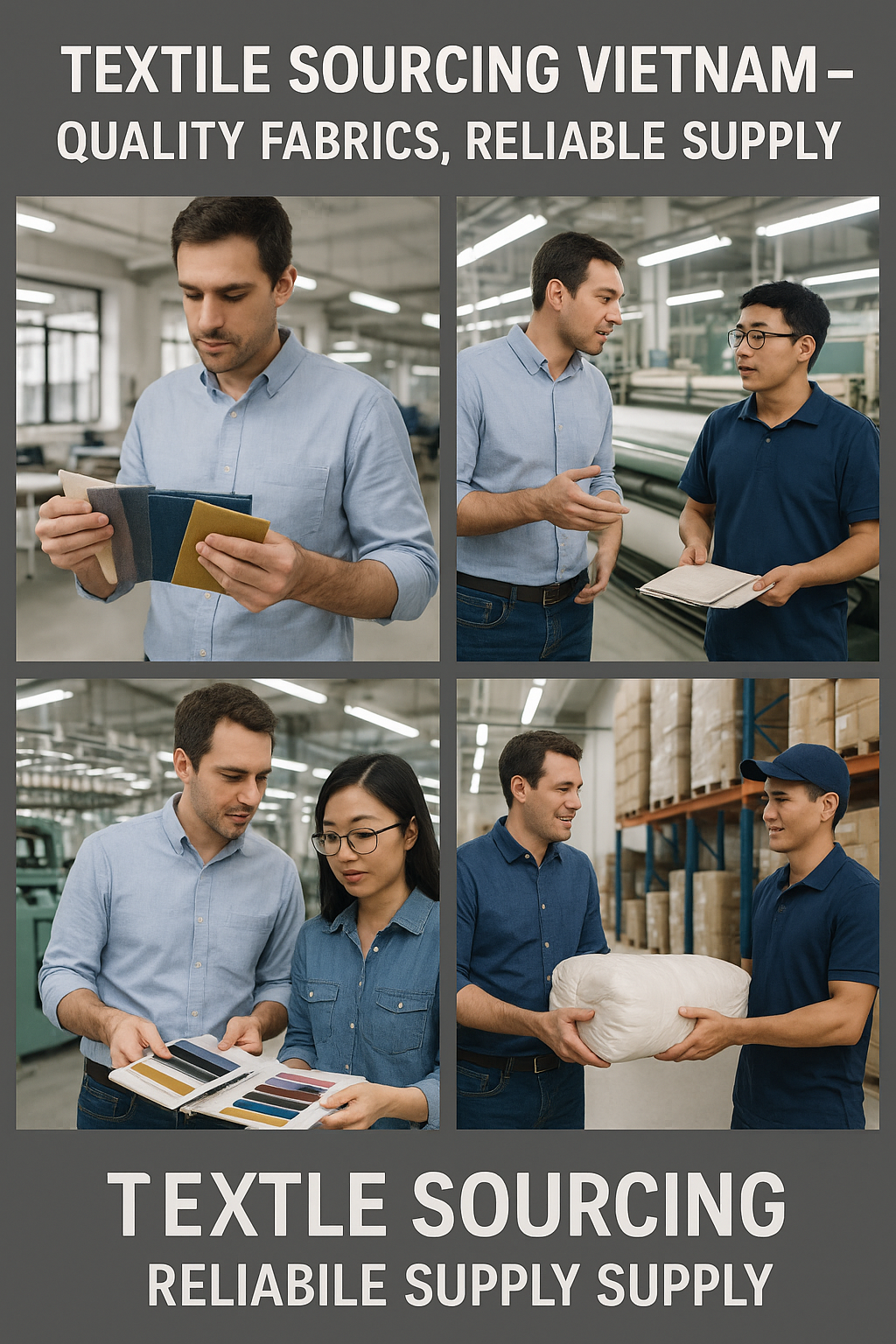
Shipping and Logistics Options for Vietnam-India Trade
Navigating the complexities of shipping and logistics is crucial for successful import from Vietnam to India. Understanding the various transport methods, associated costs, and transit times is essential for businesses engaged in Vietnam-India trade to optimize their supply chains. This section explores the key shipping and logistics options available, providing a comprehensive overview to guide importers in making informed decisions.
Several factors influence the choice of shipping method between Vietnam and India. Businesses must consider the type of goods being transported, the urgency of delivery, and the overall budget. Sea freight is a popular choice for large shipments due to its cost-effectiveness, while air freight offers faster transit times for time-sensitive goods. Furthermore, the specific needs of the cargo, such as temperature control or specialized handling, also play a significant role in determining the optimal shipping solution.
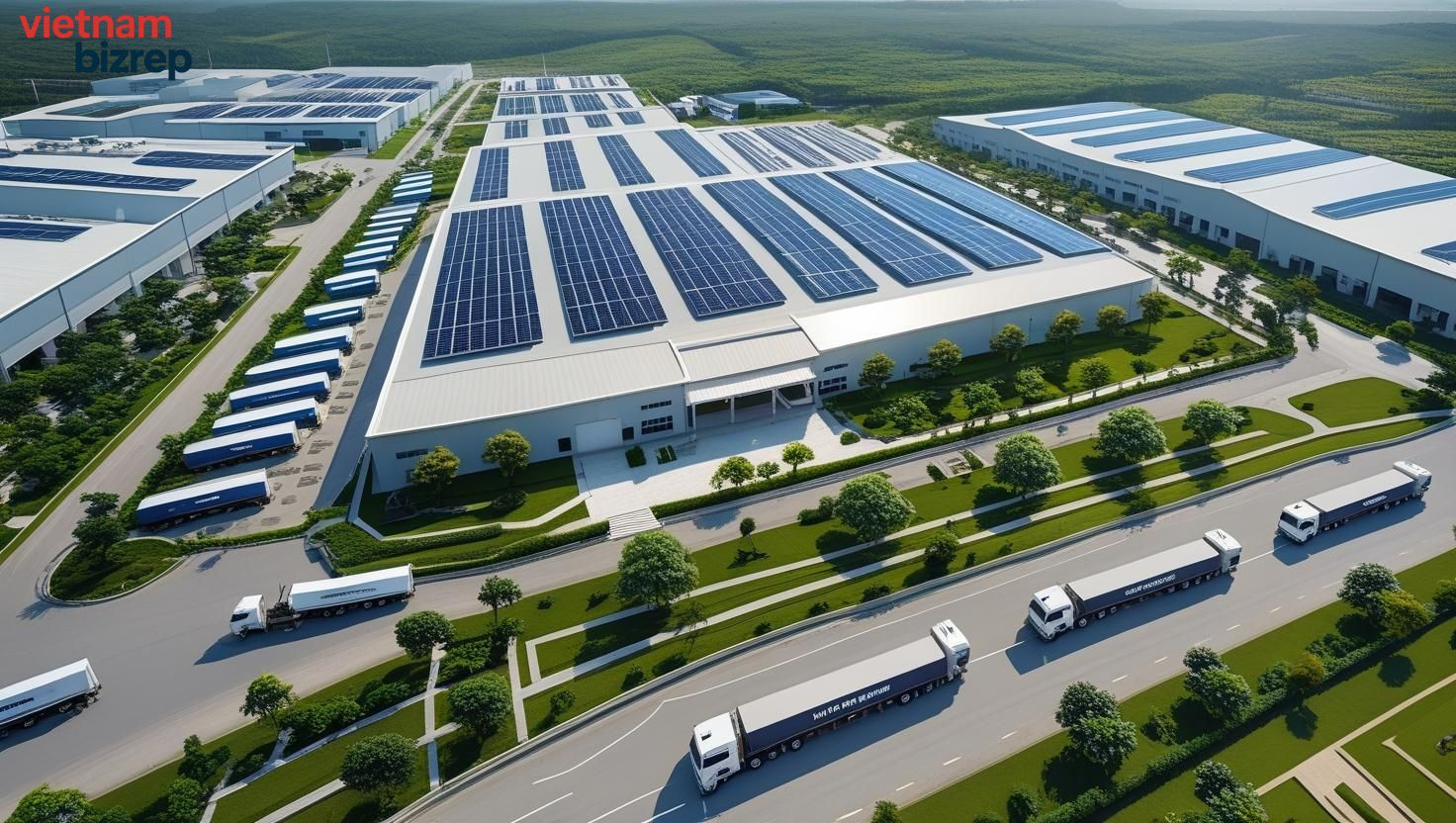
Sea Freight: The dominant mode for Vietnam-India trade, sea freight, offers cost-efficiency for large volumes. This method leverages major ports in Vietnam like Ho Chi Minh City (Cat Lai) and Hai Phong, connecting to key Indian ports such as Nhava Sheva (Mumbai) and Chennai.
- Full Container Load (FCL): Ideal for businesses with large shipments that can fill an entire container. FCL offers greater control over the cargo and potentially faster transit times compared to LCL.
- Less than Container Load (LCL): A cost-effective solution for smaller shipments that do not require a full container. Goods from multiple shippers are consolidated into a single container, sharing the shipping costs. However, LCL shipments may experience longer transit times due to consolidation and deconsolidation processes.
Air Freight: For time-critical shipments, air freight presents a faster alternative, despite being more expensive. Major airports in Vietnam, such as Noi Bai International Airport (Hanoi) and Tan Son Nhat International Airport (Ho Chi Minh City), facilitate air cargo to key Indian airports like Indira Gandhi International Airport (Delhi) and Chhatrapati Shivaji Maharaj International Airport (Mumbai). This method is suitable for high-value goods or those with short shelf lives.
- Direct Flights: Offer the fastest transit times, ideal for extremely urgent shipments. However, direct flights are typically more expensive.
- Consolidated Shipments: Similar to LCL for sea freight, consolidated air shipments combine goods from multiple shippers to reduce costs. This option offers a balance between speed and affordability.
Other Considerations:
- Door-to-door services: Streamline the shipping process by handling all aspects from origin to destination, including customs clearance and inland transportation. This option offers convenience but may come at a higher cost.
- Freight Forwarders: Engaging a reputable freight forwarder simplifies the logistics process. They provide expertise in customs regulations, documentation, and carrier selection, ensuring smooth and efficient import from Vietnam to India.
- Transit Times: Sea freight typically takes 18-25 days, while air freight takes 3-7 days, depending on the specific routes and services used. These are estimates and can vary based on weather conditions, port congestion, and other factors.
Understanding Import Duties and Taxes in India for Vietnamese Goods
Navigating the landscape of import duties and taxes in India is crucial for businesses engaged in import from Vietnam to India. This section provides a comprehensive overview of the various levies applicable to Vietnamese goods entering the Indian market, empowering importers to accurately calculate costs and ensure compliance. Understanding these financial implications is vital for profitable and sustainable trade between Vietnam and India.
Several layers of taxes and duties constitute the total cost of importing goods into India, each serving a distinct purpose. The Basic Customs Duty (BCD) is a primary levy calculated as a percentage of the assessable value of the imported goods. The assessable value is generally the transaction value plus insurance and freight charges. Besides BCD, the Integrated Goods and Services Tax (IGST) is levied on imported goods, similar to how GST is applied to domestic supplies. IGST rate will be same as applicable for similar goods when sold within India. Understanding the harmonized system (HS) code of your product is critical as it determines the applicable BCD and IGST rates.
Furthermore, additional taxes such as the Compensation Cess may apply to certain luxury or demerit goods. This cess is designed to compensate states for any revenue losses incurred due to the implementation of GST. A clear understanding of product classification and its corresponding tax implications is paramount. The Indian Customs Electronic Gateway (ICEGATE) portal is a valuable resource for importers to access updated tariff schedules and notifications related to import duties.
To illustrate, consider importing Vietnamese coffee beans into India. The applicable BCD rate would depend on the specific HS code for coffee beans. Subsequently, IGST would be calculated on the sum of the assessable value and the BCD amount. Finally, any applicable Compensation Cess would be added. Utilizing resources like the Central Board of Indirect Taxes and Customs (CBIC) website can offer clarity on specific product tariffs and regulations, ensuring accurate calculation and preventing potential penalties. By being well-informed about these import duties and taxes, businesses can effectively manage their import costs and maximize profitability in the VietnamIndia trade corridor.
Curious about the costs involved? Discover a detailed overview of import duties and taxes applied to Vietnamese goods entering India.
Finding Reliable Vietnamese Suppliers for Indian Importers
For Indian importers looking to import from Vietnam to India, identifying reliable Vietnamese suppliers is a crucial step that directly impacts the success and profitability of their ventures. Vietnam has emerged as a significant trading partner for India, offering a wide array of products and commodities, making the selection of trustworthy suppliers paramount for ensuring product quality, competitive pricing, and timely delivery. Building strong relationships with dependable Vietnamese suppliers can provide Indian importers with a sustainable competitive edge in the market.
Several key factors need consideration when searching for credible Vietnamese suppliers. It starts with thoroughly researching potential suppliers, examining their business licenses and certifications to confirm their legitimacy and adherence to regulatory standards. Checking their track record, including years of experience in the industry and client testimonials, provides insights into their reliability. It’s equally important to assess their production capacity and quality control measures to ascertain their ability to meet the importer’s requirements consistently.
Here are some effective strategies and resources to help Indian importers find and vet potential suppliers in Vietnam:
- Online B2B Marketplaces: Platforms like Alibaba, Global Sources, and EC21 host numerous Vietnamese suppliers. Exercise caution and verify supplier details through independent sources before engaging.
- Trade Fairs and Exhibitions: Attending trade events in Vietnam related to your product category, such as the Vietnam International Trade Fair (Vietnam Expo), offers a valuable opportunity to meet potential suppliers face-to-face and assess their offerings directly.
- Industry Associations: Contacting relevant industry associations in Vietnam can provide access to a network of reputable suppliers within specific sectors.
- Sourcing Agents: Engaging a reputable sourcing agent in Vietnam, like vietnambizrep, can streamline the supplier identification and verification process. These agents possess local expertise and can conduct due diligence on behalf of the importer.
- Embassy and Trade Missions: Reaching out to the Indian Embassy or Trade Missions in Vietnam can provide valuable contacts and resources for finding credible suppliers.
After identifying potential Vietnamese suppliers, conducting thorough due diligence is vital. Request samples to assess the product quality firsthand, and if possible, arrange a visit to their factory to evaluate their production capabilities and quality control processes. It’s also advisable to conduct background checks through local business directories and credit reporting agencies to ascertain their financial stability and reputation.
Establishing clear communication channels with your chosen Vietnamese supplier is essential for ensuring smooth collaboration and minimizing potential misunderstandings. Clearly define your requirements, including product specifications, quality standards, delivery timelines, and payment terms, in a written contract. Regular communication and proactive problem-solving can help build a strong and mutually beneficial long-term partnership.
Struggling to find trustworthy partners for your business? Learn how to identify reliable Vietnamese suppliers for your import needs.
Payment Methods and Financial Considerations for VietnamIndia Imports
Navigating payment methods and understanding the associated financial considerations are crucial for successful import from Vietnam to India. Choosing the right payment method can mitigate risks, optimize costs, and foster strong relationships with Vietnamese suppliers. Understanding the nuances of currency exchange, financing options, and trade regulations is equally vital for a smooth and profitable import process.
Selecting an appropriate payment method involves balancing risk and cost factors. Common options include:
- Letter of Credit (L/C): Offers the highest level of security for both parties, but it can be more expensive and complex.
- Documentary Collection (D/C): A less expensive alternative to L/C, where the exporter’s bank handles the documents and payment.
- Telegraphic Transfer (TT): A fast and convenient method, but it carries a higher risk for the importer if dealing with an unknown supplier.
- Open Account: The riskiest option for the exporter, as the importer pays after receiving the goods.
Beyond the payment method, several financial aspects demand careful attention. Currency exchange rates between the Vietnamese Dong (VND) and the Indian Rupee (INR) fluctuate constantly, impacting the final cost of the import. Importers should explore hedging strategies or forward contracts to mitigate currency risk. Furthermore, securing appropriate financing options, such as trade finance or export credit, can provide the necessary capital to fund import transactions. Vietnamese suppliers may also offer different pricing tiers based on payment terms, so it’s essential to negotiate favorable conditions. Understanding the tax implications in both Vietnam and India, along with applicable trade regulations, is crucial for financial compliance and avoiding unexpected costs.
Finally, building strong relationships with reliable Vietnamese suppliers, as discussed in a previous section, is critical for establishing trust and negotiating favorable payment terms. Vietnambizrep can assist Indian importers in identifying reputable suppliers and navigating the complexities of international trade finance.
Common Challenges and Solutions in VietnamIndia Import Operations
Navigating the complexities of importing from Vietnam to India can present various challenges, yet understanding these obstacles and implementing effective solutions is crucial for successful trade operations. Businesses engaged in VietnamIndia import must be prepared to address potential issues related to logistics, regulations, cultural differences, and financial considerations. These challenges, if left unaddressed, can lead to delays, increased costs, and even legal complications, hindering the smooth flow of goods between the two countries.
One of the primary challenges importers face is navigating the complex regulatory landscape of both Vietnam and India. This involves understanding import licenses, permits, and compliance requirements specific to the products being traded. For instance, certain agricultural products may require phytosanitary certificates, while electronics need to comply with BIS (Bureau of Indian Standards) standards. Solution: Importers should invest in thorough research and consultation with experts to ensure full compliance with all applicable regulations. Engaging a customs broker with experience in VietnamIndia trade can also streamline the process.
Another significant hurdle lies in efficient logistics and supply chain management. Delays in shipping, port congestion, and inadequate infrastructure can significantly impact delivery times and increase costs. Data from industry reports indicates that shipping times between Vietnam and India can vary significantly depending on the port of origin and destination, as well as seasonal factors. Solution: Optimizing shipping routes, choosing reliable carriers, and leveraging technology for real-time tracking can mitigate these risks. Consider diversifying ports of entry and exit to avoid congestion and negotiate favorable shipping rates.
Cultural and communication barriers can also pose challenges in VietnamIndia import operations. Differences in language, business etiquette, and negotiation styles can lead to misunderstandings and delays. For example, direct communication and clear documentation are crucial in both cultures, but the approach to problem-solving may differ. Solution: Building strong relationships with Vietnamese suppliers through regular communication, cultural sensitivity training for staff, and utilizing translation services can foster trust and understanding.
Finally, financial considerations, such as currency fluctuations and payment risks, are critical aspects to manage. The exchange rate between the Vietnamese Dong (VND) and the Indian Rupee (INR) can fluctuate, impacting the final cost of goods. Solution: Employing hedging strategies to mitigate currency risks and utilizing secure payment methods like Letters of Credit (L/C) can protect against financial losses. Due diligence on the financial stability of suppliers is also essential.
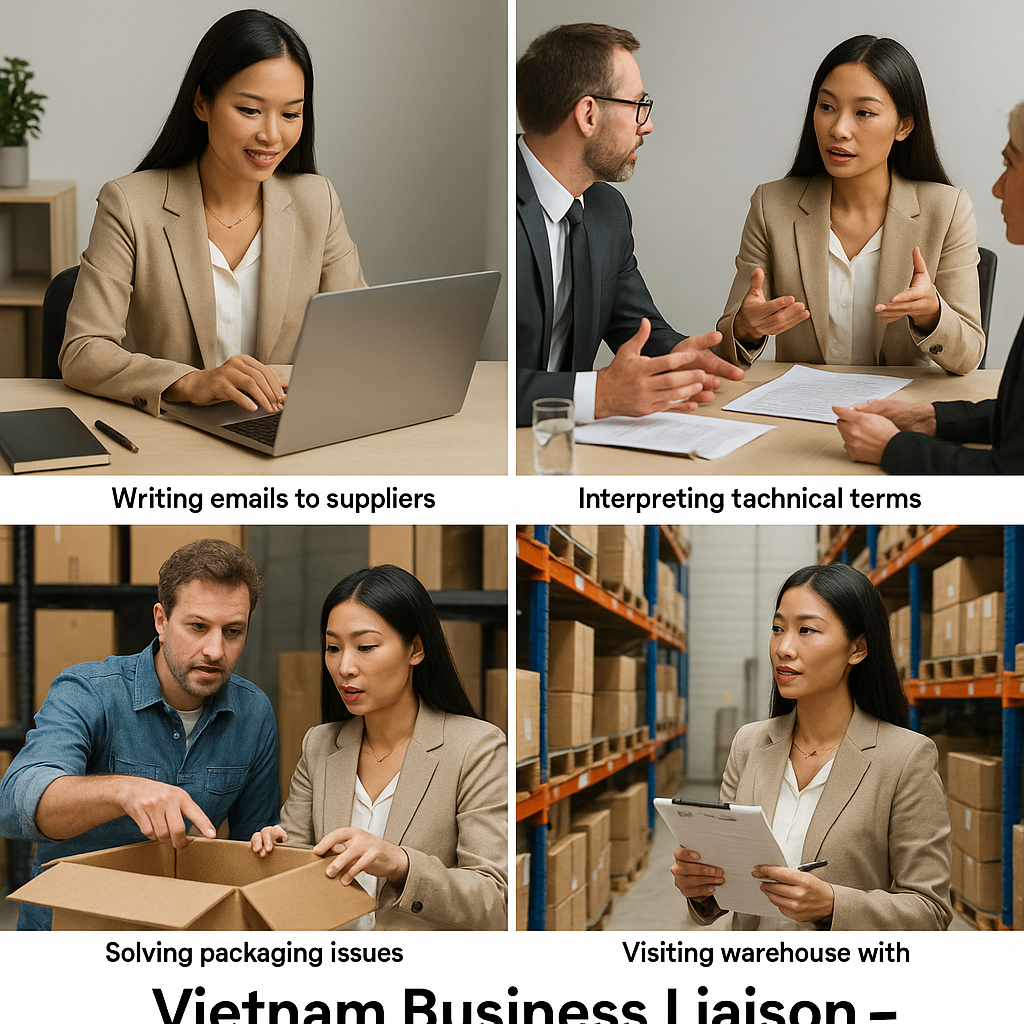
Overseas buyers sourcing from Vietnam can use Vietnam factory sourcing support to identify and shortlist manufacturers, then conduct supplier verification to confirm production capacity, certifications, and business credentials before placing orders.
Vietnam Biz Rep helps overseas buyers find suppliers, verify factories, coordinate samples, inspect goods, and follow up production in Vietnam. Learn more about our Vietnam sourcing agent services or contact us to discuss your sourcing requirements.
