

Is formosa industries vietnam impacting your business decisions in 2025? Understanding the full scope of their operations, from environmental compliance and economic contributions to investment strategies and labor practices, is crucial for any business operating in or interacting with the Vietnamese market. This vietnambizrep analysis delves into Formosa’s production output, examines their role in regional development, highlights key partnership opportunities, and investigates potential supply chain disruptions. Stay informed with our data-driven assessment.
Formosa Industries Vietnam: Overview and Key Business Sectors
Formosa Industries Vietnam (FIV), a significant player in Vietnam’s industrial landscape, is a subsidiary of the Taiwanese conglomerate Formosa Plastics Group (FPG). Established with substantial foreign direct investment, FIV has grown to encompass diverse sectors, contributing significantly to the nation’s economic development while also sparking considerable debate regarding its environmental impact.
FIV’s operations in Vietnam span a range of key business sectors, reflecting the diversified nature of its parent company. These include:
- Steel Production: The Hà Tĩnh steel plant, a massive undertaking, represents Formosa’s most prominent investment in Vietnam.
- Petrochemicals: FIV engages in the production of various petrochemical products, essential inputs for numerous downstream industries.
- Power Generation: To support its industrial operations, Formosa also operates power plants.
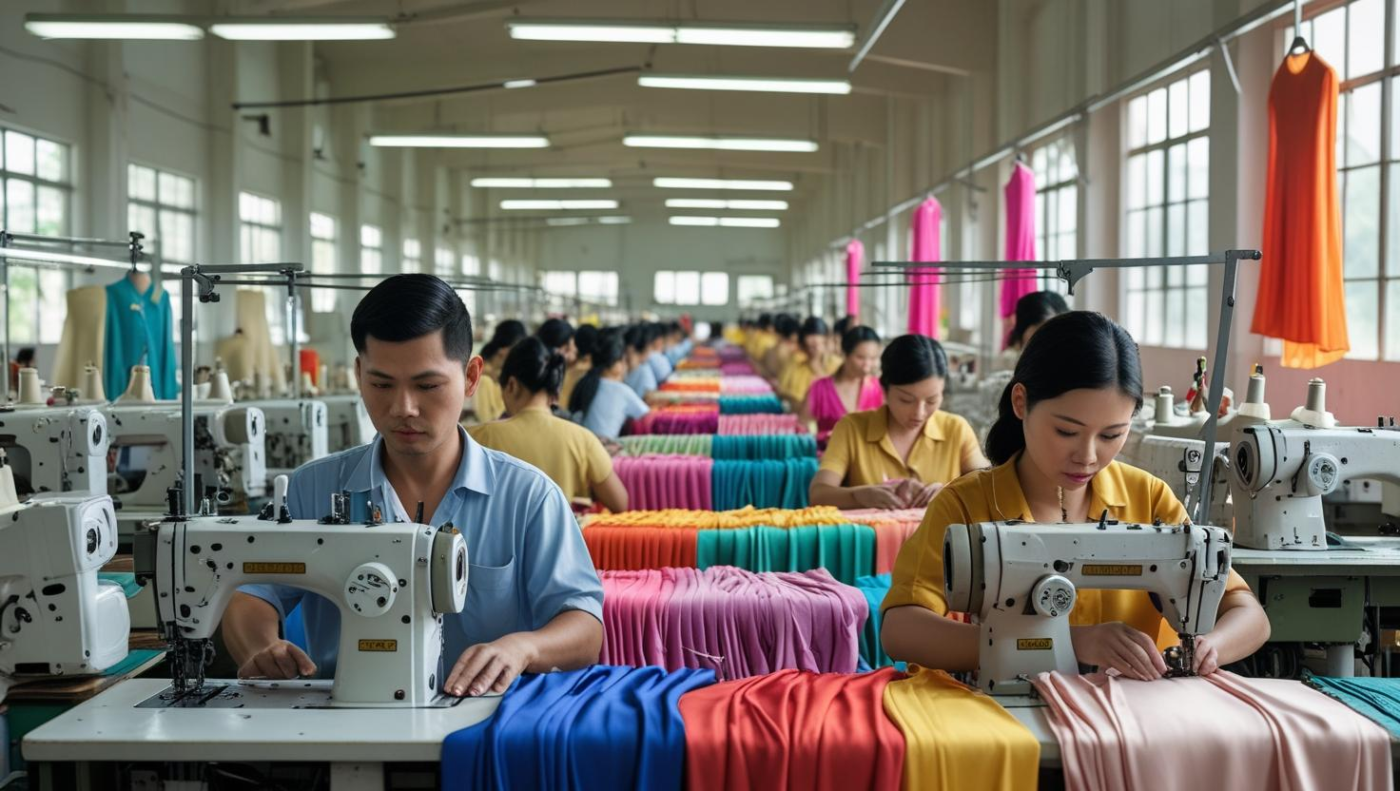
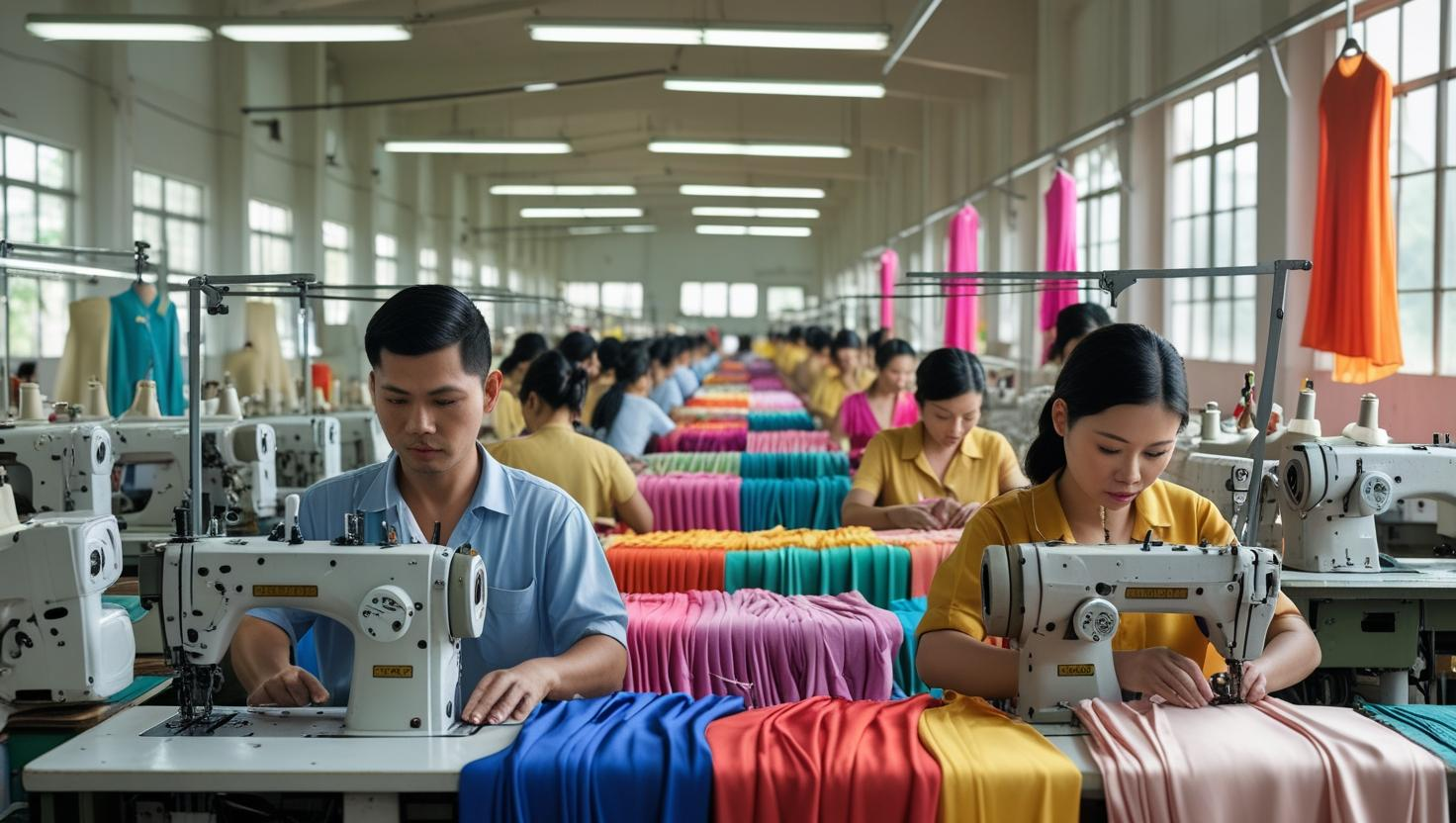
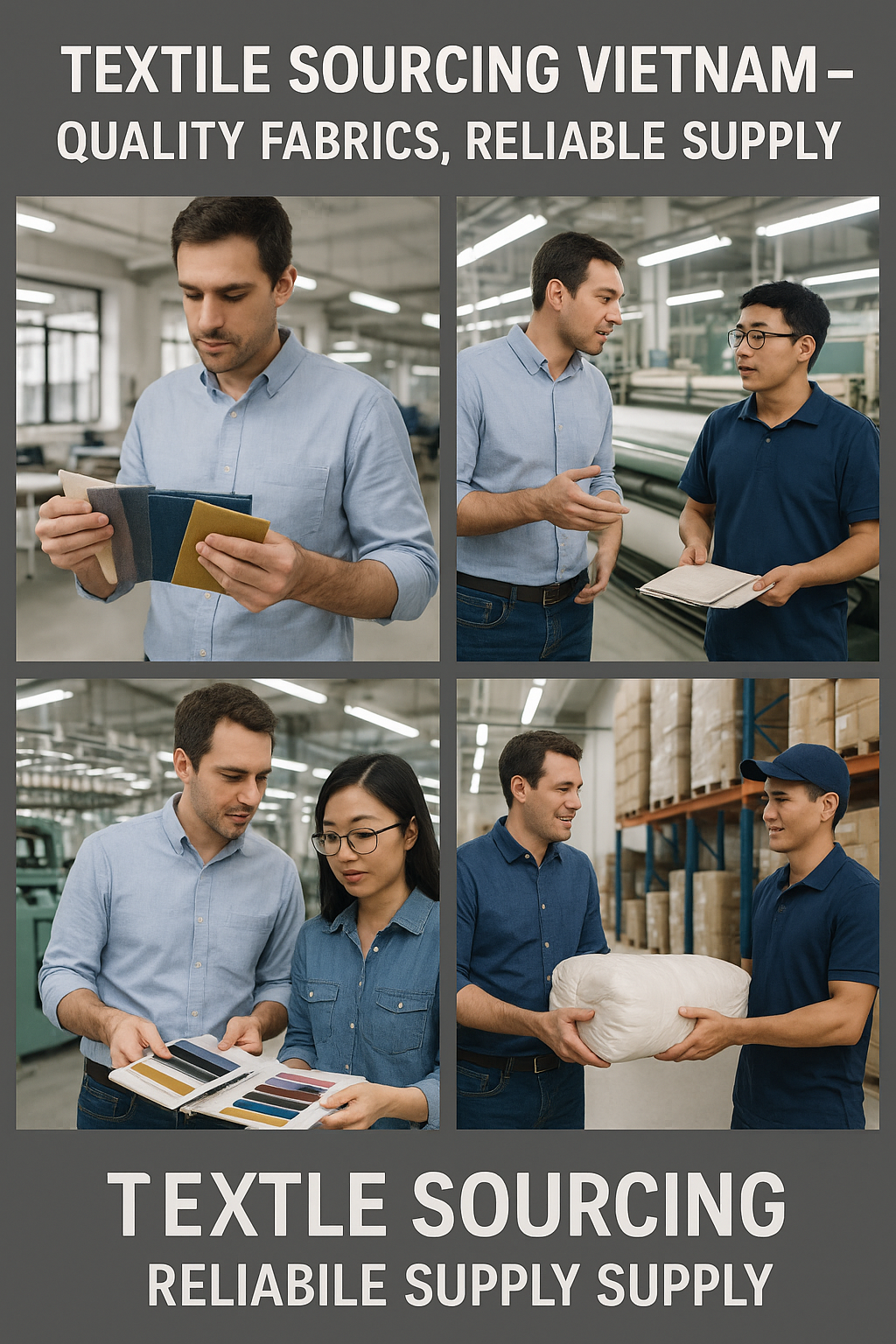
- Textiles: Formosa has investments in the textile industry in Vietnam.
Analyzing Formosa’s role requires a nuanced understanding of its complex relationship with Vietnam. While the company has demonstrably contributed to industrial growth and job creation, the environmental consequences of its operations, particularly the 2016 Hà Tĩnh steel plant incident, have raised serious concerns about the balance between economic development and environmental sustainability. Understanding these nuances is crucial for a comprehensive assessment of Formosa Industries Vietnam.

Get a broader picture of Vietnam’s export activities.
Environmental Impact and Controversies Surrounding Formosa in Vietnam
The operations of Formosa Industries Vietnam have been accompanied by significant environmental impact, sparking widespread controversies that have resonated throughout Vietnamese society. This section delves into the specific environmental repercussions and the ensuing debates, examining the complexities of balancing industrial development with ecological preservation within Vietnam’s rapidly evolving economic landscape.
The most prominent case is the Hà Tĩnh steel plant incident, a watershed moment that exposed critical shortcomings in environmental oversight and corporate accountability. In 2016, the plant discharged a massive amount of untreated wastewater into the ocean, leading to a devastating marine environmental disaster along the central coast of Vietnam. The discharge released toxins, including phenol, cyanide, and ferrous hydroxide, killing an estimated 115 tons of fish and impacting the livelihoods of over 200,000 people.
Following the incident, Formosa publicly acknowledged its responsibility and pledged $500 million in compensation. While the compensation provided some relief to affected communities, questions remain regarding the long-term environmental effects and the adequacy of the remediation efforts. Long-term monitoring programs were put into place to track the recovery of the marine ecosystem, analyzing water quality, sediment contamination, and the health of marine life. Independent environmental assessments were conducted, offering third-party validation of the effectiveness of the remediation measures.
The Formosa case has served as a crucial catalyst for stricter environmental regulations and enforcement in Vietnam. The government has since increased its scrutiny of foreign investment projects, particularly those with high potential environmental risks. This includes enhanced environmental impact assessments, more frequent inspections, and greater transparency in environmental monitoring data. Furthermore, the incident has fueled public awareness and activism concerning environmental protection, leading to increased citizen engagement and demands for corporate accountability.
Formosa’s Contribution to Vietnam’s Economy: Investment and Job Creation
Formosa Industries Vietnam, a significant player in the Vietnamese industrial landscape, has demonstrably contributed to the nation’s economic growth through substantial investment and job creation. Beyond the controversies, it’s crucial to analyze the multifaceted impact of Formosa on Vietnam’s economy, weighing both the benefits and the drawbacks arising from its operations. This section aims to provide a balanced perspective on the economic contributions, particularly focusing on capital infusion and employment opportunities generated.
Formosa’s large-scale investment in Vietnam has played a vital role in stimulating industrial growth, particularly in sectors like steel manufacturing and petrochemicals. For example, the Hà Tĩnh steel plant, despite its infamous environmental incident, represents a multi-billion dollar investment that aimed to bolster Vietnam’s steel production capacity. This capital influx has contributed to the country’s GDP growth and has the potential to reduce reliance on imported steel products, fostering greater economic self-sufficiency. Furthermore, beyond direct investment, Formosa’s presence has attracted other foreign direct investment (FDI) into supporting industries and infrastructure development, creating a ripple effect throughout the economy.
The presence of Formosa Industries Vietnam has also translated into significant job creation opportunities for the local workforce. From skilled engineers and technicians to unskilled laborers, the company’s operations have provided employment for thousands of Vietnamese citizens. These jobs not only offer income and improve living standards but also contribute to skill development and technology transfer within the country. However, it’s crucial to acknowledge that the quality and sustainability of these jobs, along with the working conditions, are important factors to consider when evaluating the overall impact on job creation.
While Formosa‘s contribution to Vietnam’s economy is undeniable, it is essential to examine both the positive and negative economic impacts. The long-term benefits of increased industrial output and job creation must be weighed against the environmental costs and social consequences. A comprehensive assessment requires considering the distribution of economic benefits, the impact on local communities, and the sustainability of Formosa‘s operations in the context of Vietnam’s broader economic development goals.

Delve deeper into Vietnam’s export landscape.
Corporate Social Responsibility (CSR) Initiatives by Formosa in Vietnam
Formosa Industries Vietnam, despite facing significant environmental controversies, has also undertaken corporate social responsibility (CSR) initiatives aimed at contributing to Vietnamese society and mitigating the negative impacts of its operations. These CSR programs encompass a range of activities from community development and environmental protection to education and healthcare support, seeking to rebuild trust and foster positive relationships with local communities.
Formosa’s CSR engagements in Vietnam are multifaceted, focusing on several key areas:
- Community Development: Formosa has invested in infrastructure projects, such as road construction, school renovations, and water supply systems, aiming to improve the living conditions of local communities surrounding its facilities. For example, Formosa Hà Tĩnh has contributed to building new schools and upgrading existing educational facilities in the province.
- Environmental Protection: Recognizing the environmental concerns, Formosa has implemented various environmental protection measures, including reforestation programs, waste management initiatives, and investments in cleaner technologies. These initiatives are designed to reduce the company’s environmental footprint and promote sustainable development.
- Education and Training: Formosa offers scholarships, vocational training programs, and educational resources to support the development of a skilled workforce and improve educational opportunities for young Vietnamese people. These programs aim to empower individuals and contribute to the long-term economic growth of the country.
- Healthcare Support: Formosa has provided medical equipment, supplies, and financial assistance to local hospitals and healthcare centers, improving access to healthcare services for communities in need. The company also organizes health awareness campaigns and provides health check-ups for employees and local residents.
- Disaster Relief: In times of natural disasters, Formosa has provided emergency relief assistance, including food, shelter, and medical aid, to affected communities. This demonstrates the company’s commitment to supporting Vietnam during challenging times.
While Formosa’s CSR efforts are commendable, their effectiveness and transparency have been subjects of scrutiny. It’s crucial to assess whether these activities genuinely address the concerns of affected communities and contribute to sustainable development, or if they primarily serve as a means of improving the company’s public image. Examining the extent to which Formosa engages with stakeholders, reports on its CSR activities, and adheres to international standards is essential for evaluating the transparency of its CSR initiatives in Vietnam.

Regulatory Compliance and Legal Framework for Formosa in Vietnam
Navigating the intricate landscape of regulatory compliance and understanding the legal framework is crucial for any foreign entity operating in Vietnam, and Formosa Industries Vietnam is no exception. This section delves into the specific regulations and legal standards that Formosa must adhere to in Vietnam, exploring the complexities of environmental law and the mechanisms for ensuring accountability.
Vietnam’s legal system mandates strict adherence to environmental regulations, especially for large-scale industrial projects like the Formosa Hà Tĩnh steel plant. Understanding the core tenets of Vietnam’s environmental regulations, including laws on water and air pollution, waste management, and environmental impact assessments (EIAs), is paramount to grasping the regulatory environment Formosa operates within. These regulations are designed to safeguard the environment and public health, placing significant responsibility on companies to minimize their ecological footprint.
A critical aspect of this discussion involves examining Formosa’s adherence to legal standards and the repercussions of non-compliance. The Hà Tĩnh steel plant incident, a stark reminder of the potential consequences, prompted increased scrutiny of environmental practices. This section will analyze how Formosa has addressed regulatory shortcomings, the measures implemented to prevent future violations, and the role of government oversight in ensuring sustainable operations. Specifically, this requires a close look at how regulatory bodies like the Ministry of Natural Resources and Environment (MONRE) enforce regulations and hold companies accountable.
The complexities surrounding compliance extend beyond domestic laws, encompassing international standards and best practices for environmental protection. Aligning operations with global benchmarks not only mitigates risk but also fosters a culture of environmental responsibility within the organization. Ensuring Formosa meets these standards requires continuous monitoring, rigorous audits, and a commitment to transparency in all environmental practices.
Formosa Industries Vietnam: Future Prospects and Investment Strategies
Formosa Industries Vietnam stands at a critical juncture, with its future prospects heavily reliant on strategic investment strategies that balance economic growth with environmental responsibility. This section delves into the potential paths forward for Formosa in Vietnam, examining both expansion opportunities and the inherent risks that must be navigated for sustainable development. Understanding these factors is crucial for assessing the long-term viability and impact of Formosa’s presence in the Vietnamese economy.
Analyzing Future Growth Plans and Expansion Projects
Formosa’s future in Vietnam is likely to involve continued investment and expansion in key sectors. These growth plans may include:
- Expanding existing facilities: Upgrading and increasing the capacity of current manufacturing plants.
- Diversifying into new industries: Exploring opportunities in sectors such as renewable energy or advanced materials.
- Developing infrastructure projects: Investing in ports, power plants, or other infrastructure necessary to support industrial growth.
The success of these ventures hinges on Formosa’s ability to secure necessary approvals, manage construction effectively, and integrate sustainable practices into its operations. Any misstep could trigger strong public opposition and regulatory penalties, potentially hindering growth ambitions.
Assessing the Risks and Opportunities for Formosa in Vietnam
For Formosa, Vietnam presents a complex landscape of risks and opportunities. The primary risks revolve around:
- Environmental compliance: Stricter environmental regulations and increased scrutiny from both the government and the public.
- Reputational damage: Lingering negative perceptions stemming from the 2016 environmental disaster.
- Social license to operate: Maintaining positive relationships with local communities and stakeholders.
Conversely, the opportunities include:
- Vietnam’s growing economy: Benefiting from Vietnam’s strong economic growth and increasing demand for industrial products.
- Government support for FDI: Accessing incentives and support offered by the Vietnamese government to attract foreign direct investment.
- Strategic location: Leveraging Vietnam’s geographical advantages for regional trade and export.
Successfully capitalizing on the opportunities while mitigating the risks requires a holistic approach that prioritizes transparency, sustainability, and genuine engagement with the Vietnamese people. Formosa’s commitment to environmental protection and responsible business practices will ultimately determine its long-term success in Vietnam.
The Broader Context: Foreign Investment and Environmental Protection in Vietnam
The case of Formosa Industries Vietnam serves as a crucial lens through which to examine the delicate balance between foreign investment and environmental protection in Vietnam. Vietnam’s journey toward industrialization has heavily relied on attracting foreign direct investment (FDI), yet the Formosa incident underscored the potential environmental and social costs associated with unchecked industrial growth. This section will explore the broader context of this interplay, analyzing the challenges and opportunities Vietnam faces in pursuing sustainable development while maintaining its attractiveness to international investors.
The pursuit of economic growth through FDI has been a cornerstone of Vietnam’s development strategy. Foreign investment has undeniably propelled industrial growth, creating jobs, boosting exports, and transferring technology. However, the Formosa disaster highlighted the need for robust regulatory frameworks and stringent enforcement to prevent environmental degradation. A critical examination of existing policies and their effectiveness is crucial to ensure that economic progress does not come at the expense of the environment and the well-being of local communities.
The incident also revealed the complexities of balancing economic development and environmental sustainability. While FDI is vital for Vietnam’s continued growth, the country must prioritize environmentally responsible investments. This requires a multi-faceted approach that includes strengthening environmental regulations, promoting cleaner technologies, and fostering greater transparency and accountability in corporate practices. The lessons learned from the Formosa case can inform future investment decisions and shape policies that promote sustainable industrialization in Vietnam.
The implications extend beyond Vietnam, offering valuable insights for other developing nations seeking to attract foreign investment while safeguarding their environment. The Formosa case emphasizes the importance of a proactive and preventative approach to environmental protection, rather than a reactive one. This includes rigorous environmental impact assessments, effective monitoring systems, and strong enforcement mechanisms to ensure that foreign investors adhere to environmental standards and are held accountable for any environmental damage they cause.
Stakeholder Perspectives: Voices on Formosa Industries Vietnam
Understanding the multifaceted impact of Formosa Industries Vietnam requires a comprehensive examination of stakeholder perspectives, capturing the diverse experiences and viewpoints surrounding the company’s operations. Examining these viewpoints, including government views, local community sentiments, expert opinions, media coverage, and public perception, provides a balanced assessment of Formosa’s role in Vietnam’s economic landscape and its environmental responsibilities. Gathering and analyzing these different perspectives offers valuable insights into the complexities of foreign investment and its societal implications.
The government’s perspective on Formosa is often framed by the desire to attract foreign investment and promote economic growth. On one hand, the government acknowledges the economic contributions of Formosa Industries Vietnam, citing job creation and industrial development. On the other hand, it is also under pressure to enforce environmental regulations and ensure responsible corporate behavior, especially following the Hà Tĩnh steel plant incident. Navigating this delicate balance requires careful consideration of both economic benefits and environmental sustainability.
Local communities directly impacted by Formosa‘s operations often express mixed sentiments. While some appreciate the employment opportunities and infrastructure development brought by the company, others voice concerns about environmental pollution, health risks, and disruptions to traditional livelihoods. The 2016 environmental disaster caused by the Hà Tĩnh steel plant significantly damaged trust and raised questions about the company’s commitment to responsible environmental practices. It’s crucial to acknowledge that local communities are at the front lines to endure both pros and cons, hence the perspectives need the most attention and thorough evaluation.
Expert opinions, including those from environmental scientists, economists, and legal scholars, provide critical analysis of Formosa‘s impact. Environmental scientists assess the effectiveness of remediation efforts and environmental monitoring programs, while economists analyze the company’s contribution to Vietnam’s industrial growth. Legal scholars examine Formosa‘s adherence to legal standards and the regulatory framework for foreign investment. The objectivity of expert opinions plays a vital role in evaluating the long-term consequences of Formosa’s presence in Vietnam.
Media coverage and public perception significantly shape the narrative surrounding Formosa Industries Vietnam. News reports, social media discussions, and public opinion polls reflect the evolving attitudes towards the company and its impact. Media scrutiny can influence corporate behavior and government policies, as well as help raise public awareness and ensure accountability. Transparency in reporting is crucial to inform public discourse and promote responsible foreign investment practices.
Vietnam Biz Rep helps overseas buyers find suppliers, verify factories, coordinate samples, inspect goods, and follow up production in Vietnam. Learn more about our Vietnam sourcing agent services or contact us to discuss your sourcing requirements.
