


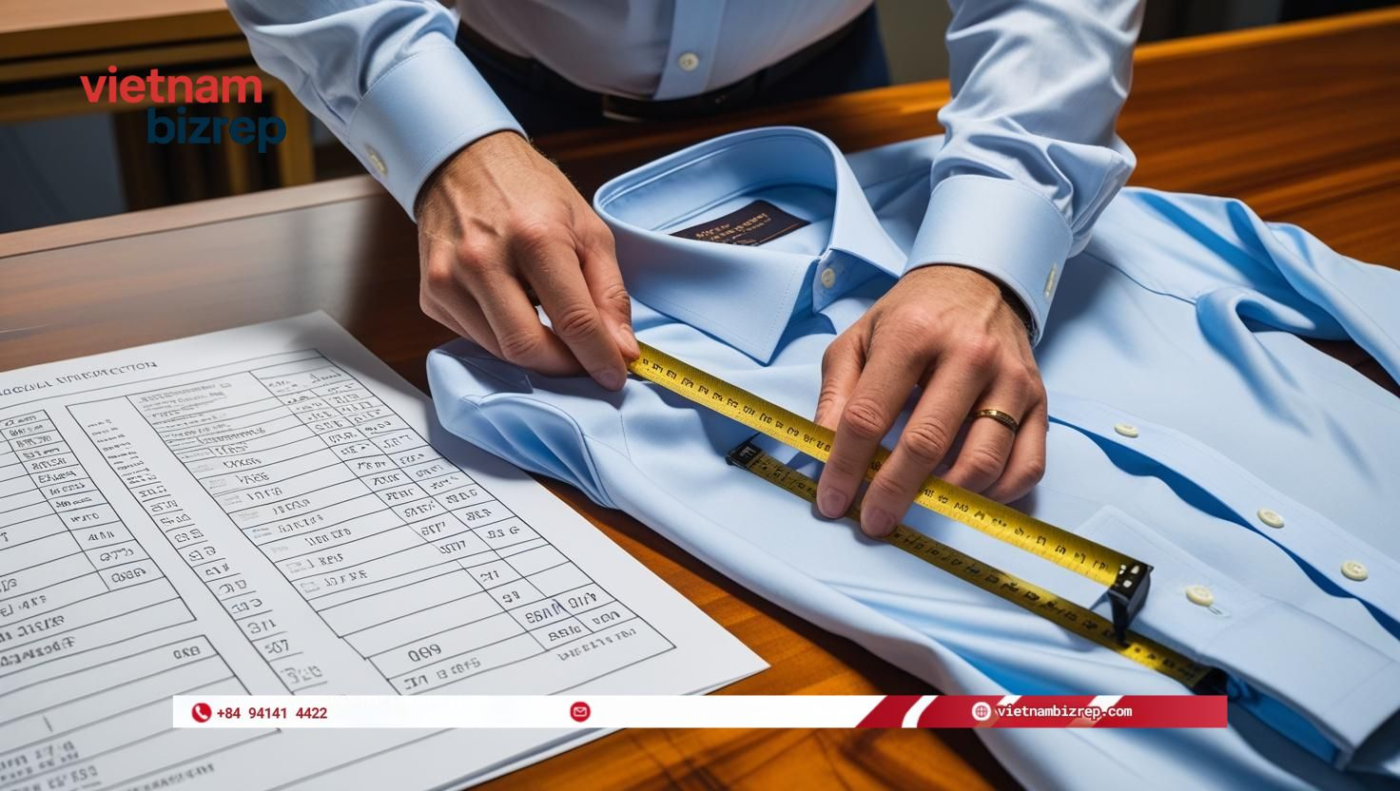
Unlocking the potential of China factories is crucial for businesses seeking competitive sourcing and manufacturing solutions in 2025. This comprehensive guide, falling under the vietnambizrep category, delves into the intricacies of navigating the Chinese manufacturing landscape, from identifying reliable suppliers and understanding quality control processes to optimizing supply chain management and mitigating potential risks. We’ll break down the essential steps involved in factory selection, explore the nuances of negotiation tactics, and provide practical insights into building successful, long-term partnerships with Chinese manufacturers, ultimately empowering you to streamline your operations and achieve significant cost savings.
Finding a China Factory: A Comprehensive Guide for Businesses
Navigating the world of china factory sourcing can be a game-changer for businesses seeking cost-effective manufacturing solutions, and this comprehensive guide by vietnambizrep provides the essential knowledge to confidently embark on this journey. Sourcing products from Chinese manufacturers presents significant opportunities for optimizing production costs and expanding product lines, but it also requires careful planning and execution. This guide is designed to equip you with the strategies and insights needed to successfully find, vet, and collaborate with a reliable factory in China.
Successfully locating the right manufacturing partner in China demands a structured approach, beginning with a clear understanding of your product specifications and manufacturing needs. Before diving into sourcing strategies, it’s crucial to define the exact requirements for your product, including materials, quality standards, production volume, and any specific certifications needed. For instance, a company seeking to manufacture electronic components would have different needs than one looking for textile production. This clarity will help you narrow down your search and identify factories that are genuinely capable of meeting your requirements.
Identifying potential China factories involves exploring various sourcing channels and platforms, each offering unique advantages and disadvantages. Online directories like Alibaba, Global Sources, and Made-in-China.com offer vast databases of suppliers, allowing you to search based on product categories, location, and certifications. Trade shows, such as the Canton Fair and industry-specific exhibitions, provide opportunities to meet potential partners face-to-face and assess their capabilities firsthand. Alternatively, engaging a sourcing agent like vietnambizrep can streamline the process by leveraging their expertise and established networks within China’s manufacturing landscape.

Assessing Your Product Needs and Manufacturing Requirements
Before embarking on your journey to find a China factory, meticulously assessing your product needs and manufacturing requirements is paramount for success. This crucial initial step ensures you target the right factories, avoid costly mistakes, and lay the foundation for a profitable and sustainable sourcing strategy from Chinese manufacturers. Understanding your specific requirements acts as a compass, guiding you towards factories equipped to handle your project effectively, and it is a prerequisite before considering engaging with a China sourcing agent like vietnambizrep.
To pinpoint the right China factory partner, start by meticulously defining your product specifications. These include detailed descriptions encompassing materials, dimensions, tolerances, performance benchmarks, and regulatory compliance standards such as CE marking or RoHS. For instance, if you’re manufacturing electronic components, clearly define the required certifications, operating temperatures, and expected lifespan. If you’re producing textiles, specify the exact fabric composition, colorfastness, and shrinkage allowance. Having these specifics ironed out minimizes misunderstandings and ensures accurate quotations from suppliers.
Next, thoroughly analyze your manufacturing requirements. Consider factors such as:
- Production volume: Determine your initial order quantity, projected future demand, and acceptable minimum order quantities (MOQs).
- Manufacturing processes: Identify the necessary production methods, such as injection molding, CNC machining, or textile weaving, and ensure the factory possesses the requisite equipment and expertise.
- Quality control standards: Establish clear quality benchmarks and testing procedures to guarantee product consistency and minimize defects. This includes defining acceptable defect rates (AQL) and implementing quality inspections throughout the production process.
- Packaging and labeling: Specify your packaging requirements, including materials, dimensions, and labeling standards, to ensure your products arrive safely and meet market regulations.
- Budget constraints: Define your target unit cost and overall budget for the project, taking into account raw material costs, labor rates, shipping expenses, and potential tariffs. This will help you narrow down your factory options and negotiate favorable terms.
Finally, conduct a thorough market analysis to understand customer expectations and competitive pricing. Research prevailing trends, identify potential risks, and assess the overall viability of your product. This comprehensive assessment will enable you to make informed decisions, mitigate potential challenges, and maximize your chances of success in the China manufacturing landscape. Accurate forecasting can drastically improve supply chain management, which can be a crucial factor in remaining competitive.
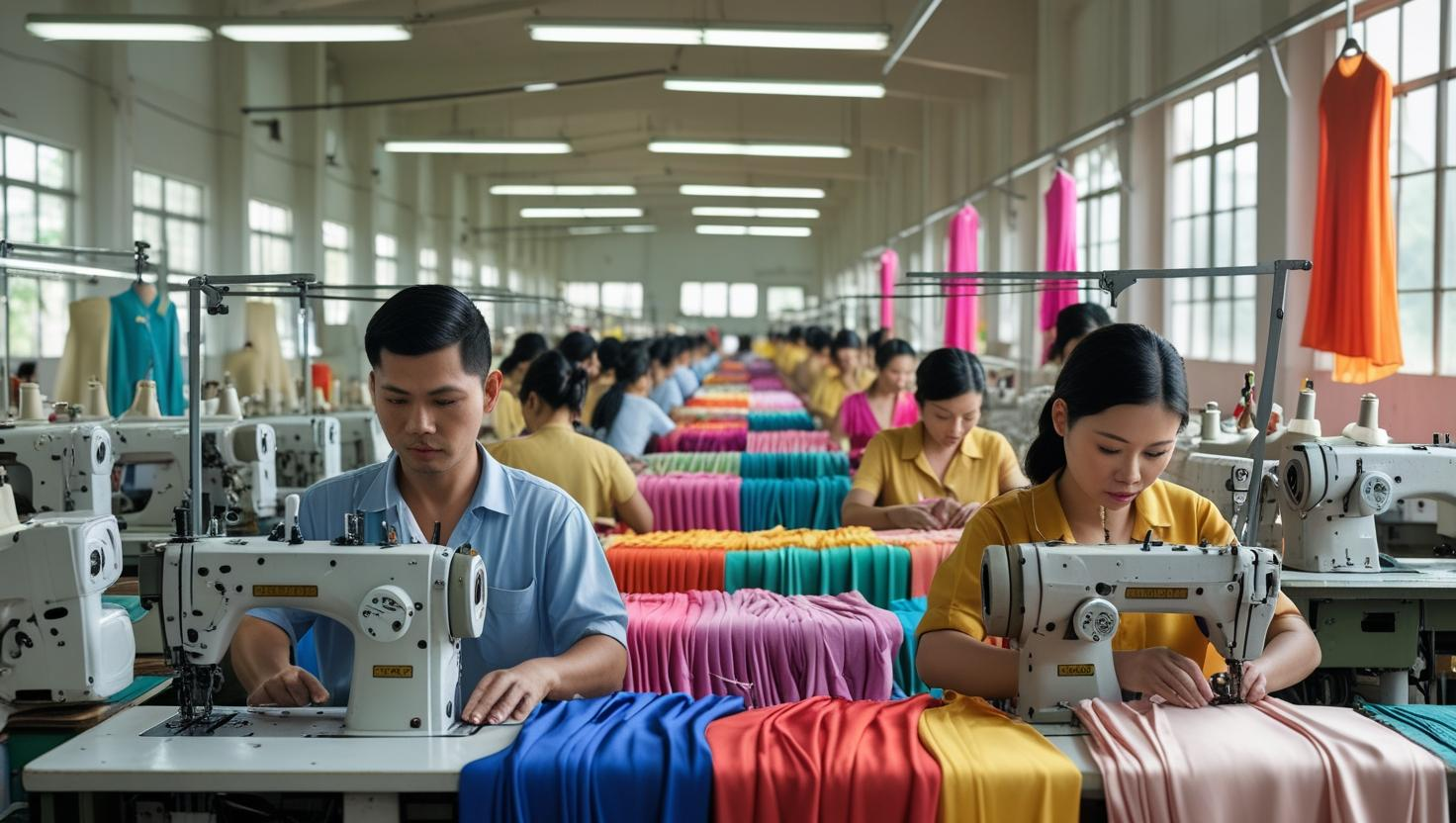
Sourcing Strategies: Where to Find Reliable China Factories
Finding a reliable China factory is a crucial step for businesses aiming to optimize manufacturing costs and streamline supply chains. Identifying the right sourcing strategies can significantly impact product quality, production efficiency, and overall profitability. To secure success in the competitive global marketplace, businesses must implement robust factory sourcing methods to ensure a dependable and beneficial partnership.
Several avenues exist for sourcing factories in China, each with distinct advantages and disadvantages. Online B2B marketplaces, such as Alibaba, Global Sources, and Made-in-China, offer a vast directory of suppliers, allowing businesses to quickly compare capabilities and prices. Trade shows, such as the Canton Fair and Yiwu Commodities Fair, provide opportunities for face-to-face interactions with manufacturers and firsthand assessment of their products. Another option is to engage sourcing agents like vietnambizrep, who possess local expertise and can navigate the complexities of the Chinese manufacturing landscape, acting as intermediaries to find a china factory that aligns with specific needs.
To effectively leverage these sourcing strategies, consider the following key aspects:
- Define your product specifications: Clearly outline your product requirements, including materials, dimensions, quality standards, and any necessary certifications.
- Conduct thorough research: Investigate potential factories’ backgrounds, including their history, certifications, and customer reviews.
- Request samples: Obtain product samples to assess the quality and craftsmanship of the factory’s output.
- Visit factories in person: If possible, schedule factory visits to evaluate their production capabilities, equipment, and working conditions.
- Negotiate favorable terms: Secure competitive pricing, payment terms, and delivery schedules that align with your business needs.
Employing a multifaceted approach to sourcing a China factory, combining online research, trade show visits, and the assistance of reputable sourcing agents, significantly increases the likelihood of finding a reliable partner that meets your specific manufacturing requirements.
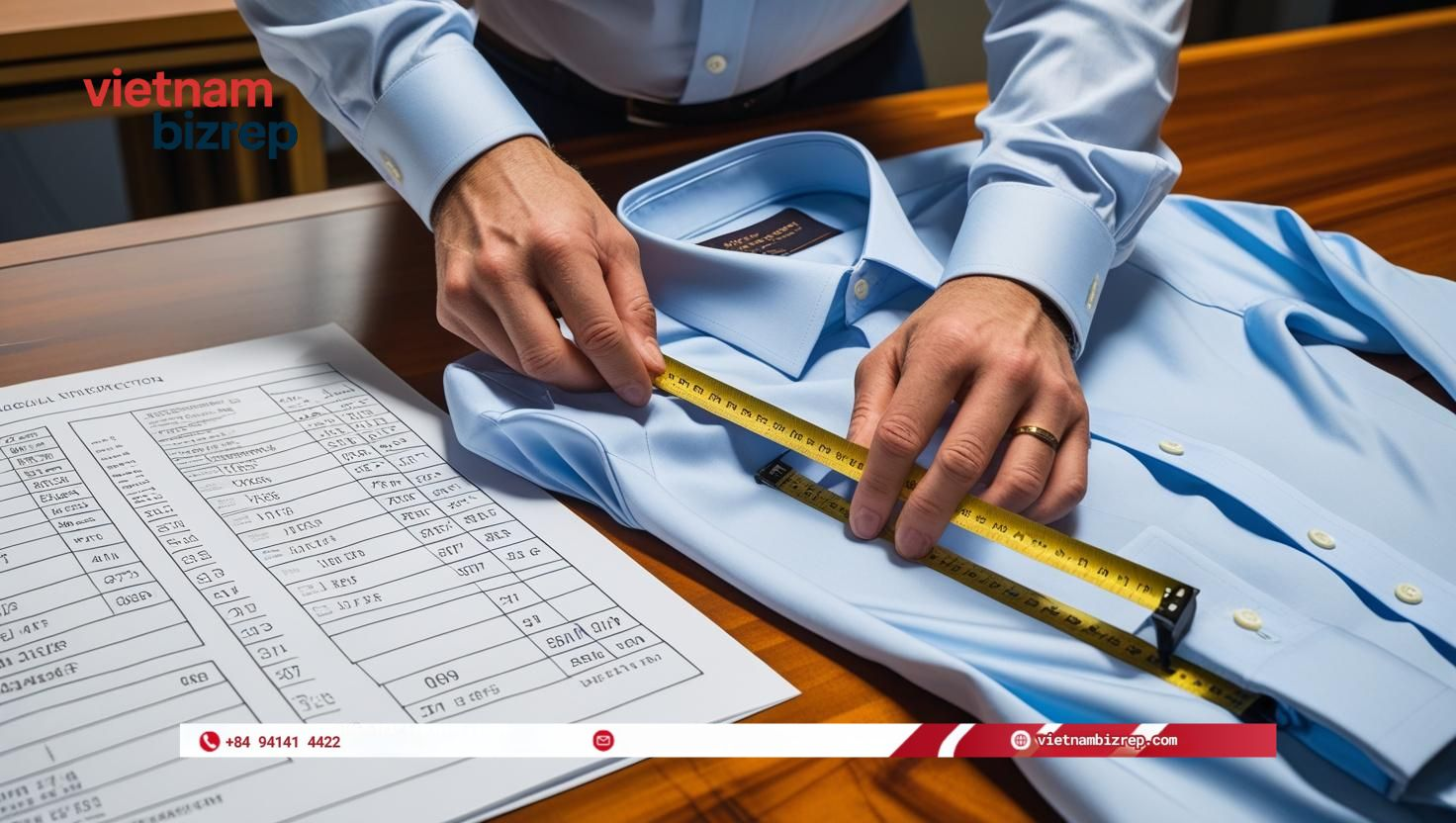
Verifying Factory Credentials and Capabilities
Before committing to a china factory for your manufacturing needs, it’s crucial to thoroughly verify factory credentials and capabilities. This process ensures you’re partnering with a legitimate, qualified manufacturer capable of meeting your specific requirements and maintaining quality standards. A deep dive into verification minimizes risks associated with scams, substandard products, and potential supply chain disruptions.
A crucial step in validating a factory involves confirming its business license and export licenses. The business license (营业执照) proves the factory is legally registered to operate in China. The export license (出口许可证) is required for factories directly exporting goods. Absence of these documents should raise immediate red flags, potentially indicating an unregistered or unauthorized entity.
Beyond basic legal documentation, assess the factory’s production capacity and equipment. Request details on their machinery, workforce size, and monthly output. A site visit, either in person or via a trusted third party, allows for a firsthand evaluation of their facilities and production processes. For example, if you require precision machining, ensure the factory possesses the necessary CNC machines and skilled technicians. Consider requesting production samples and inspecting them thoroughly.
Furthermore, verifying a factory’s quality management system is paramount. Look for certifications such as ISO 9001, which demonstrates a commitment to quality control processes. Inquire about their inspection procedures, defect rates, and corrective action plans. A robust quality management system reduces the risk of receiving substandard products and protects your brand reputation.
Finally, it’s essential to investigate the factory’s reputation and past performance. Request references from their existing clients and contact them to gather feedback on their experience. Search online for any complaints or negative reviews associated with the factory. A thorough background check helps uncover potential issues and provides valuable insights into their reliability and trustworthiness.

Mastering Communication and Negotiation with Chinese Manufacturers
Successfully navigating the complexities of communication and negotiation with Chinese manufacturers is crucial for businesses seeking to establish a productive and profitable relationship with a china factory. This involves understanding cultural nuances, language barriers, and effective negotiation strategies to ensure clear expectations and mutually beneficial agreements within the china manufacturing landscape. By mastering these skills, businesses like vietnambizrep can minimize misunderstandings, optimize pricing, and ultimately secure better outcomes.
Effective communication is the cornerstone of any successful partnership with Chinese factories. A proactive approach to bridging language and cultural gaps is essential; for instance, consider hiring translators or consultants familiar with both business cultures and Mandarin. Vietnambizrep should also invest time in understanding basic Chinese business etiquette, such as the importance of guanxi (relationships) and mianzi (face), which can significantly impact the tone and progress of negotiations. Clear, concise written communication, using visual aids when possible, will help avoid ambiguity.
Negotiation with Chinese manufacturers requires a strategic and patient approach. Researching prevailing market prices and production costs beforehand is critical to setting realistic targets. It’s important to be prepared to justify your desired terms with data and examples. Rather than focusing solely on price, explore value-added options such as extended warranties, faster turnaround times, or improved quality control processes. Being flexible and demonstrating a willingness to build a long-term partnership can foster trust and lead to more favorable outcomes in the long run.
Successful negotiation tactics also involve understanding the importance of saving face in Chinese culture. Direct confrontation or publicly criticizing your counterparts can be counterproductive. Instead, aim for win-win solutions that allow both parties to feel respected and valued. This may involve finding creative compromises or offering incentives that benefit the manufacturer while still meeting your business objectives. Remember that building a strong relationship based on mutual trust is often more valuable than securing a short-term price reduction.
Quality Control and Assurance in China Manufacturing
Quality control and quality assurance are paramount when partnering with a china factory for manufacturing, ensuring that your products meet the required standards and specifications. Without a robust QC/QA process, businesses risk receiving substandard goods, leading to customer dissatisfaction, financial losses, and damage to their brand reputation. Implementing effective strategies is crucial for businesses engaging in china manufacturing to protect their investment and maintain product integrity.
Effective quality control (QC) in China manufacturing involves a multi-stage approach. This begins with incoming material inspection (IMI), where raw materials are rigorously checked for defects and compliance with specifications before production commences. Next, during production inspection (DPI), also known as in-process quality control (IPQC), monitors the manufacturing process at various stages to identify and correct any deviations from the required standards, minimizing the risk of widespread defects. Finally, pre-shipment inspection (PSI) is conducted once production is complete, ensuring that the finished goods meet all quality requirements before they are shipped to the customer. These inspections often follow the Acceptance Quality Limit (AQL) standard, a statistical method used to determine the acceptable defect rate.
Building on quality control, quality assurance (QA) takes a broader perspective, focusing on preventing defects from occurring in the first place. This proactive approach involves establishing and maintaining a comprehensive quality management system (QMS) that encompasses all aspects of the manufacturing process, from design and development to production, inspection, and packaging. A well-designed QMS, often based on standards like ISO 9001, helps to standardize processes, document procedures, and provide a framework for continuous improvement, ensuring consistent product quality over time. Investing in a robust QA system is a crucial step to mitigating the risks associated with manufacturing in China.
Several strategies can be employed to strengthen quality assurance in China manufacturing. These include:
- Clear Communication of Requirements: Provide detailed product specifications, drawings, and quality standards to the factory, leaving no room for ambiguity. This includes defining acceptable defect levels and the methods for measuring and testing quality.
- Factory Audits: Conduct regular audits of the factory to assess their capabilities, quality management systems, and adherence to ethical and environmental standards. Third-party audit firms can provide independent and objective evaluations.
- Training and Education: Invest in training for factory personnel on quality control procedures, product specifications, and problem-solving techniques. This can help to improve their understanding of your requirements and reduce the likelihood of errors.
- Independent Testing: Utilize independent testing laboratories to verify the quality and safety of your products. These labs can conduct a wide range of tests, including chemical analysis, physical testing, and performance testing.
- Building Relationships: Foster a strong and collaborative relationship with your china factory partner, based on mutual trust and open communication. This can help to improve their responsiveness to your concerns and encourage them to prioritize quality.
By implementing a comprehensive quality control and quality assurance program, businesses can effectively mitigate the risks associated with manufacturing in China and ensure that they receive high-quality products that meet their customer’s expectations. According to a report by the ASQ (American Society for Quality), companies with strong quality management systems experience a 34% reduction in defect rates.

Managing Logistics, Shipping, and Customs Clearance
Navigating the complexities of managing logistics, shipping, and customs clearance is crucial for businesses engaged with a china factory. Effectively handling these aspects of the supply chain ensures timely delivery, cost efficiency, and regulatory compliance when importing goods manufactured by a china factory. Poor management in any of these areas can lead to delays, increased expenses, and even legal complications, which highlights the necessity of a strategic and well-informed approach.
Successfully managing logistics from a china factory begins with understanding the available shipping options. Air freight provides the fastest transit times, often within days, but comes at a higher cost, making it suitable for high-value or time-sensitive goods. Sea freight, on the other hand, is more economical for larger shipments, though transit times can range from weeks to months. For example, shipping electronics via air freight might cost significantly more than sea freight, but the faster delivery time reduces the risk of obsolescence. Choosing the right mode of transportation depends on a balance of cost, speed, and the nature of the goods.
Customs clearance is a critical step that requires meticulous preparation and documentation. This process involves submitting the necessary paperwork, such as commercial invoices, packing lists, and certificates of origin, to customs authorities for inspection and approval. Accurate declaration of goods, proper valuation, and adherence to import regulations are vital to avoid delays, penalties, or even seizure of goods. Engaging a reputable customs broker can significantly streamline this process, ensuring compliance and minimizing potential issues.
Effectively managing shipping also involves optimizing the supply chain. Consolidating shipments, negotiating favorable rates with carriers, and utilizing technology for tracking and visibility can all contribute to cost savings and improved efficiency. For instance, businesses can use freight management software to compare rates from different carriers, track shipments in real-time, and automate customs documentation. Proactive communication with the china factory and logistics providers is key to addressing potential issues promptly and keeping the supply chain running smoothly.
Building Long-Term Relationships with Your China Factory Partner
Cultivating long-term relationships with your china factory partner is crucial for sustained success in manufacturing; going beyond mere transactional interactions to foster mutual trust and benefits related to your china factory. This necessitates open communication, respect, and a collaborative approach to problem-solving, ultimately safeguarding your supply chain and ensuring consistent product quality. Investing in this partnership yields stability, preferential treatment, and a deeper understanding of your business needs, which are especially important when working with a china factory.
-
Invest in Regular Communication: Schedule regular meetings, even if virtual, to discuss current projects, future plans, and any challenges. Transparent and frequent communication builds trust and allows for proactive problem-solving. For instance, sharing market trends with your factory can enable them to anticipate your future needs.
-
Show Respect for Their Culture and Business Practices: Understanding and respecting Chinese business etiquette is essential. This includes being mindful of hierarchy, saving face, and building guanxi (relationships). Simple gestures like presenting business cards with both hands or offering small gifts during visits can go a long way.
-
Fair Pricing and Payment Terms: While negotiating for competitive pricing is important, avoid squeezing your factory partner to the point where they compromise on quality or cut corners. Offer fair payment terms and consider incentives for meeting deadlines and quality targets. A mutually beneficial financial arrangement strengthens the partnership.
-
Visit Your Factory Regularly: Physical presence demonstrates commitment and allows you to build rapport with the factory team. Use these visits to review production processes, discuss improvements, and celebrate successes. This reinforces the relationship and fosters a sense of shared ownership.
-
Provide Constructive Feedback and Support: Don’t just point out problems; offer solutions and support your factory in improving their processes. This collaborative approach fosters continuous improvement and strengthens the partnership. For example, instead of simply complaining about a defect rate, work with the factory to identify the root cause and implement corrective actions.
-
Recognize and Reward Good Performance: Acknowledge and reward your factory’s efforts when they consistently deliver high-quality products on time. This could be through bonuses, increased order volumes, or public recognition. Positive reinforcement motivates them to continue exceeding expectations.
-
Be a Reliable Partner: Honor your commitments, pay invoices on time, and provide accurate forecasts. Demonstrating reliability builds trust and encourages your factory partner to prioritize your business. Consistency in your own actions creates a foundation of mutual respect.
By proactively nurturing a strong relationship with your china factory, your brand, vietnambizrep, can secure a competitive advantage, mitigate risks, and ensure long-term success in the global marketplace.
Legal Considerations and Intellectual Property Protection
Navigating the landscape of legal considerations and intellectual property protection is paramount when sourcing from a China factory. Establishing a solid foundation for your manufacturing partnership necessitates a thorough understanding of Chinese law and proactive measures to safeguard your intellectual property.
Protecting your designs, trademarks, and patents is crucial when working with Chinese manufacturers. Here’s a breakdown of key aspects:
-
Non-Disclosure Agreements (NDAs): Implement robust NDAs translated into Chinese to ensure confidentiality and prevent unauthorized disclosure of your proprietary information. NDAs should explicitly state jurisdiction and enforcement mechanisms.
-
Intellectual Property (IP) Registration: Register your intellectual property in China. This proactive step grants you legal recourse against infringement. A 2023 report by the U.S. Chamber of Commerce estimates that IP theft costs the U.S. economy alone hundreds of billions of dollars annually, highlighting the significance of IP protection.
-
Manufacturing Agreements: Craft detailed manufacturing agreements outlining ownership of tooling, designs, and other IP. Include clauses that address quality control, production standards, and dispute resolution.
-
Monitoring and Enforcement: Implement ongoing monitoring to detect potential IP violations. This includes website searches, market surveillance, and participation in industry associations. Be prepared to enforce your IP rights through legal channels if necessary.
-
Working with Reputable Factories: Prioritize partnerships with China factories that have a proven track record of respecting intellectual property. Conduct thorough due diligence to assess their commitment to legal compliance and ethical practices. Vietnambizrep can assist you in identifying and vetting reliable partners.
Vietnam Biz Rep helps overseas buyers find suppliers, verify factories, coordinate samples, inspect goods, and follow up production in Vietnam. Learn more about our Vietnam sourcing agent services or contact us to discuss your sourcing requirements.
