


Vietnam’s coffee supply chain includes several distinct types of processing and manufacturing entities — and buyers who do not understand the differences often find themselves working with a supplier whose actual capabilities do not match what was expected. This guide explains the main types of Vietnam coffee processing companies, how to distinguish between them, and what due diligence buyers should conduct before committing to a sourcing relationship with any of them.
Types of Coffee Processing Companies in Vietnam
The term “coffee processing company” covers a wide range of businesses in Vietnam. Understanding what each type actually does — and what it does not do — is the starting point for any effective supplier evaluation.
Wet Mills (Primary Processing)
Wet mills carry out primary processing — receiving freshly harvested coffee cherries and converting them to parchment coffee through pulping, fermentation, and drying. In Vietnam, many wet mills are operated at farm or cooperative level, particularly for Arabica. Wet mills typically do not hold export licenses and do not deal directly with overseas buyers; their output moves to dry mills or exporters for further processing and sale.
Dry Mills (Secondary Processing)
Dry mills handle the secondary processing of coffee — hulling the dried parchment, sorting by screen size and density, removing defects, and preparing green coffee for export. A dry mill may have its own export license and sell directly to overseas buyers, or may supply its processed coffee to an export trading company. Buyers sourcing green coffee for roasting should understand whether the supplier is a dry mill with direct export capability or a trading company sourcing from multiple mills.
Instant Coffee Manufacturers
Instant coffee manufacturers operate at a different point in the supply chain — they purchase green or roasted coffee and process it through extraction and either spray-drying or freeze-drying to produce instant coffee powder or granules. These are food manufacturing facilities, not raw coffee processors, and they are evaluated differently — with food safety certifications, production equipment, and packaging capability taking precedence over agricultural processing standards. Some instant coffee manufacturers also offer blending and private-label services.
Roasters
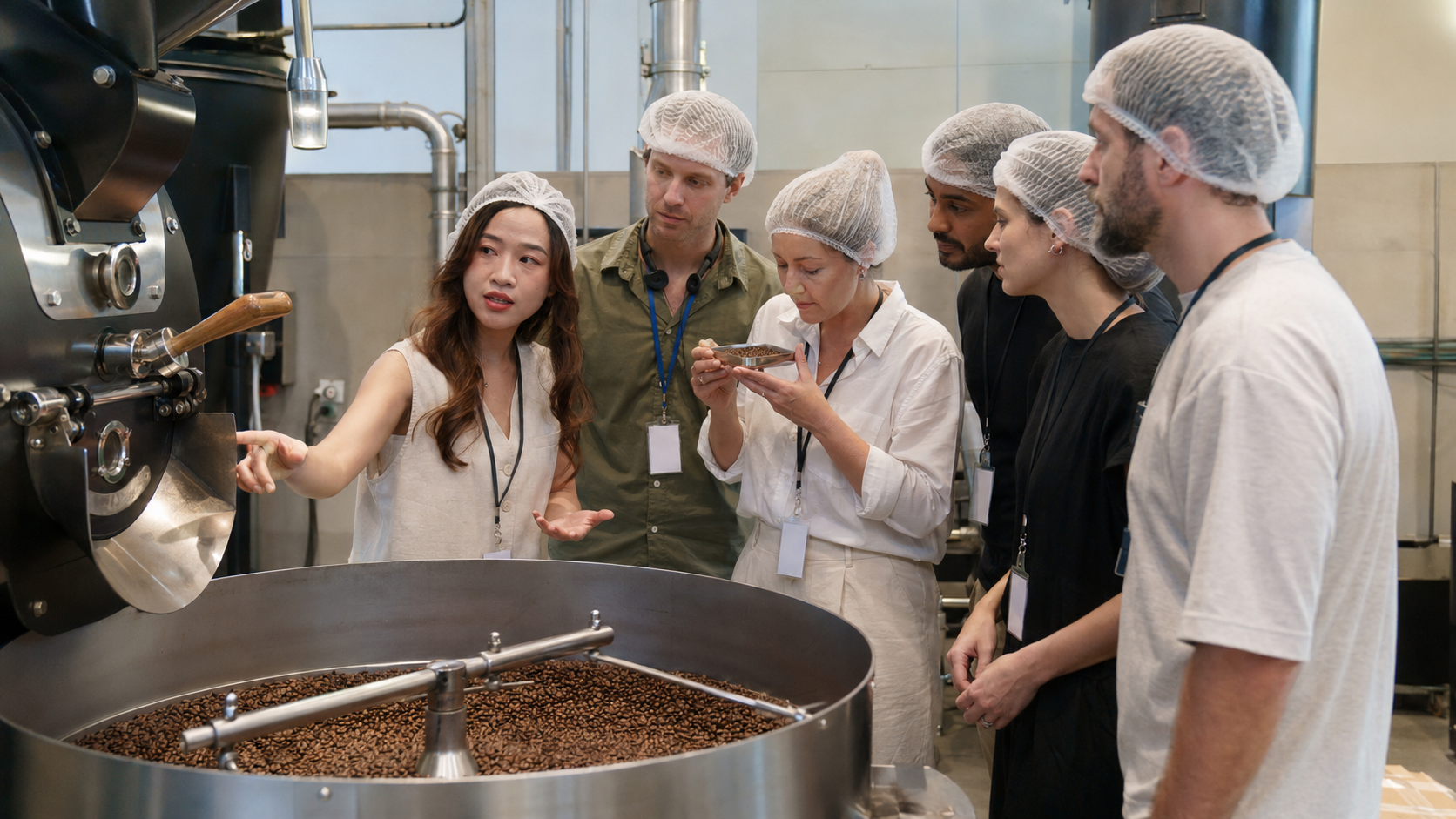
Coffee roasters purchase green beans and roast them for direct sale as roasted coffee — whole bean or ground. Commercial roasters in Vietnam export primarily to regional markets, and some offer private-label roasting for overseas brands. The evaluation of a roaster focuses on roasting equipment quality and capability, profile consistency, and packaging options rather than on wet or dry processing methodology.
Export Trading Companies
Trading companies sit between processing facilities and overseas buyers — purchasing coffee from mills or farms and handling the export documentation, logistics, and international sales. They are not processors themselves but are the most common entity type that overseas buyers encounter when searching for Vietnamese coffee suppliers. Their quality consistency depends entirely on the mills and processing partners they source from, making supply chain transparency an important evaluation criterion.
Packers and Contract Manufacturers
Some Vietnamese companies specialize in packaging and contract manufacturing — receiving bulk roasted or instant coffee from other processors and packing it into retail or food service formats under a buyer’s brand. These businesses may have sophisticated packaging lines but no actual coffee processing capability of their own. Buyers need to understand whether the supplier is doing the full processing chain or is a packing-only operation sourcing finished or semi-finished product from third parties.
Due Diligence for Vietnam Coffee Processing Companies
Effective due diligence for any coffee processing company in Vietnam follows a structured approach that applies regardless of supplier type.

Confirm Business Type and Supply Chain Role
Establish clearly what type of entity you are dealing with before proceeding to product evaluation. Is the supplier a processor, a roaster, a trading company, or a packer? Does the supplier hold its own export license? Does it process the coffee it sells, or does it source from third-party processors? These questions should be answered early and confirmed during a facility visit.
Facility Visit
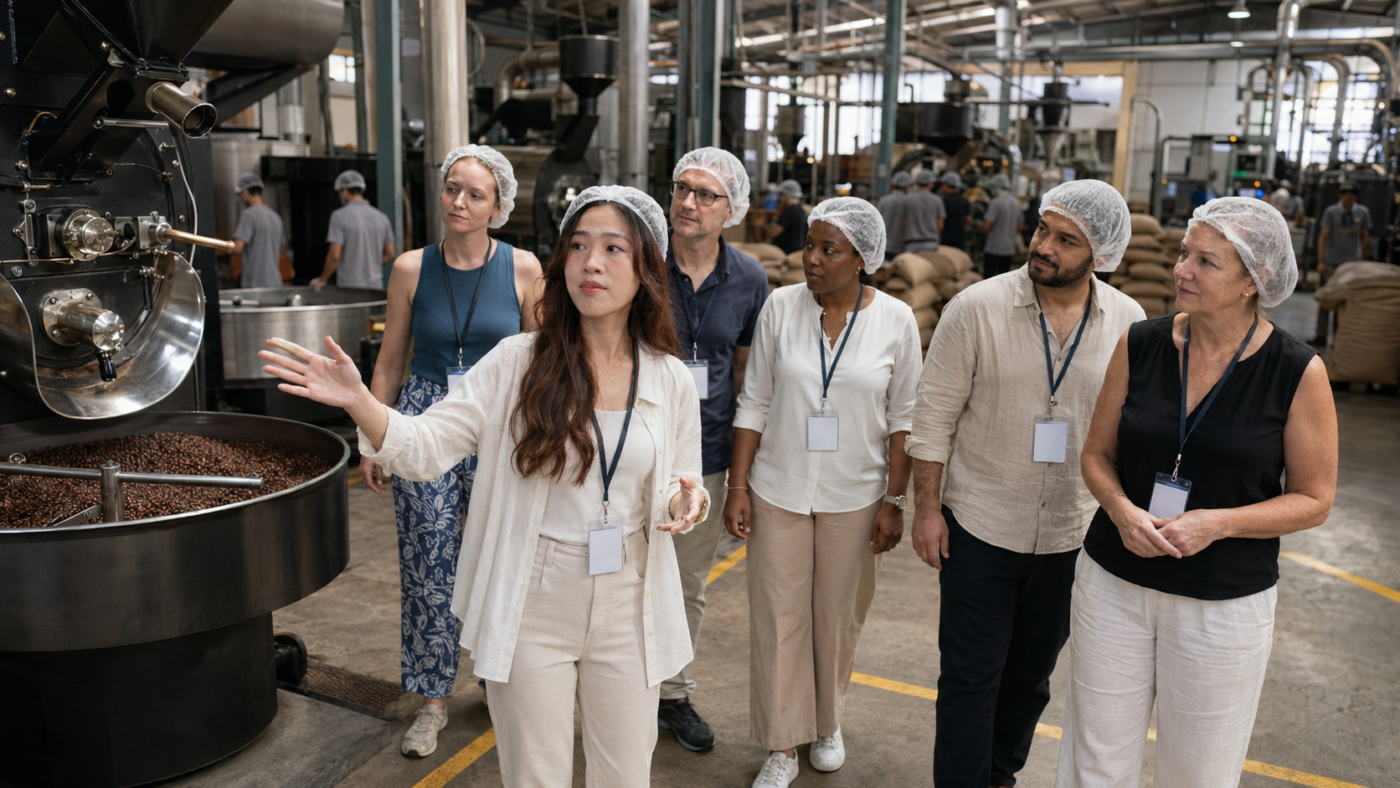
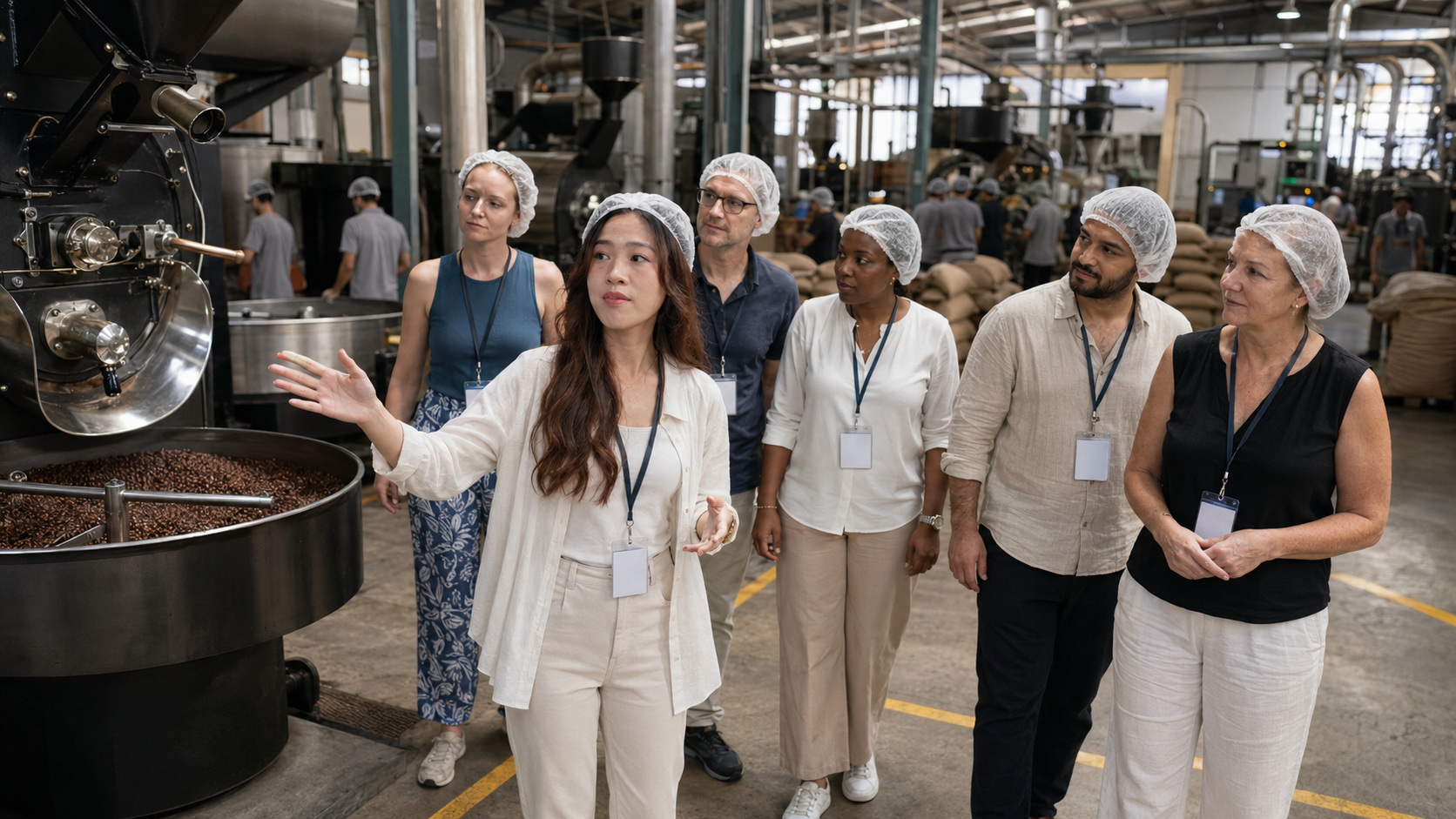
A physical visit to the processing facility is the most reliable verification method for any coffee processing company. The visit should document the actual equipment present, production scale, storage conditions, hygiene practices, and on-site certification displays. Vietnam Biz Rep can coordinate and attend facility visits on behalf of overseas buyers. See our Vietnam factory audit page for details. Our Vietnam quality control service page covers quality inspection coordination.
Documentation and Export Compliance
Regardless of processing type, buyers should verify that the export entity holds a valid export license, that any claimed certifications are current and independently verifiable, and that the supplier can produce the standard export documentation set — commercial invoice, certificate of origin, phytosanitary certificate, quality inspection certificate — for each commercial shipment. Our Vietnam supplier verification service covers these checks in detail.
How Vietnam Biz Rep Supports Buyers Evaluating Processing Companies
Vietnam Biz Rep is a buyer-side local representative. We do not own or operate any coffee processing facility. We provide overseas buyers with on-ground support for identifying, verifying, and evaluating Vietnamese coffee processing companies — including facility visits, business registration checks, certification verification, and pre-shipment inspection coordination.
For a full overview of the Vietnamese coffee supply landscape, see our Vietnam coffee suppliers page. For general buyer representation in Vietnam, see our Vietnam sourcing agent and Vietnam business representative pages. For pre-shipment inspection, see our pre-shipment inspection Vietnam page.

Choosing the Right Type of Coffee Processing Partner for Your Sourcing Needs
The right type of coffee processing company depends on what the buyer actually needs from the supply relationship. A specialty roaster sourcing for single-origin retail products may need a direct relationship with a washed-process mill in Lam Dong, with farm-level traceability documentation. A food manufacturer sourcing instant coffee ingredient for a blended beverage product needs a freeze-drying or spray-drying facility with appropriate food safety certification. An overseas brand looking for a private-label roasted coffee product needs a roaster with profile logging capability and packaging line flexibility. Getting this match right from the start — rather than discovering after contract signing that the supplier is a trading company, not a processor — is where on-ground verification makes a material difference.
Vietnam Biz Rep supports buyers in clarifying exactly what type of processing partner they need before beginning supplier outreach, and in verifying that shortlisted suppliers actually match that profile through facility visits and document review. This prevents the most common sourcing mismatch in the Vietnamese coffee market: contracting with an entity that presents as one thing but operates as another. For the full Vietnamese coffee supply overview, see our Vietnam coffee suppliers page. For verification services, see our Vietnam supplier verification page. For quality control and pre-shipment support, see our Vietnam quality control and pre-shipment inspection Vietnam services.
Frequently Asked Questions
How do I know if a Vietnamese coffee company is a processor or a trading company?
The most reliable way is a facility visit. A processing company will have processing equipment — milling machinery, drying equipment, roasters, or extraction and drying towers — on-site. A trading company may have a warehouse and office but no processing equipment. Business registration documents may also specify the company’s registered business activities, which can indicate whether processing is part of their declared operations.
Is it better to source from a processor directly or through a trading company?
This depends on the buyer’s volume, product flexibility needs, and supply chain transparency requirements. Direct processor-exporters may offer more consistency and transparency but often have higher MOQs and less flexibility on packaging customization. Trading companies can offer more flexibility but add a layer between the buyer and the production source. Understanding the tradeoffs for your specific sourcing situation is part of what buyer-side local representation helps buyers assess.
Do coffee processing companies in Vietnam operate year-round?
Wet mills are seasonal operations, active during and after the harvest period (typically October through January for Robusta in the Central Highlands). Dry mills, roasters, instant coffee manufacturers, and trading companies generally operate year-round, though stock availability of specific grades may be seasonal. Buyers with year-round purchasing requirements should discuss supply continuity with potential suppliers before committing to a long-term contract.
What is the difference between a dry mill and an instant coffee manufacturer?
A dry mill handles secondary processing of green coffee — hulling, sorting, grading, and preparing beans for export. The output is green coffee. An instant coffee manufacturer purchases green or roasted coffee and processes it through extraction and drying technology to produce instant coffee powder or granules. They are entirely different types of operations, and a buyer expecting one should confirm which they are dealing with before proceeding.
Can Vietnam Biz Rep help with due diligence on multiple processing companies simultaneously?
Yes. We can conduct parallel verification and facility visits for multiple suppliers, providing separate reports for each, which allows buyers to compare suppliers based on consistent criteria before making a selection decision.
Evaluate Vietnam Coffee Processing Companies with Buyer-Side Support
If you are evaluating Vietnamese coffee processing companies as potential supply partners, Vietnam Biz Rep can provide independent, buyer-side verification and coordination support on the ground in Vietnam. Contact us to discuss your sourcing requirements and the type of processing partner you are looking for.
Contact Vietnam Biz Rep to begin evaluating coffee processing companies →
