


assembly line clothing production has revolutionized the garment industry, driving efficiency and scalability to unprecedented levels. This article delves into the intricacies of this transformative process, examining its impact on garment manufacturers in Vietnam, a key player in the global textile landscape. We will explore the core principles of assembly line optimization, dissect the various stages of garment production, from initial design to final quality control, and analyze the critical role of technology and automation. Furthermore, we will assess the cost-effectiveness and quality control measures vital for success, providing actionable insights for businesses seeking to enhance their manufacturing capabilities within the dynamic Vietnamese market in 2025.
Streamlining Clothing Production: Understanding Assembly Line Efficiency
Assembly line efficiency is paramount in streamlining clothing production, transforming raw materials into finished garments with optimized speed and precision. This process hinges on minimizing waste, reducing bottlenecks, and maximizing output to meet market demands effectively. Efficient garment manufacturing, leveraging assembly lines, is more than just speed; it’s about optimizing resource allocation, worker productivity, and overall process management to achieve a competitive edge in the global apparel market.
An efficient assembly line in clothing production translates directly to lower production costs. By breaking down the garment construction process into smaller, more manageable tasks performed at designated workstations, manufacturers can significantly reduce the time required to produce each garment. For instance, implementing lean manufacturing principles, like Kaizen, can lead to continuous improvements in workflow and a reduction in defects, ultimately boosting overall efficiency. Buyers researching a Vietnam cut-and-sew manufacturer often start by asking how the factory structures its assembly line, since workstation layout directly affects both cost and lead time. This reduction in cost allows overseas buyers and other manufacturers to offer more competitive pricing while maintaining profitability.
Several key elements contribute to the efficiency of a clothing assembly line. These include:
- Optimized workflow: A well-designed workflow minimizes unnecessary movement of materials and workers, reducing the time spent on each garment.
- Specialized equipment: Utilizing appropriate machinery and tools for each task enhances speed and precision.
- Trained workforce: Skilled operators who are proficient in their designated tasks contribute significantly to overall productivity.
- Effective quality control: Implementing quality checks at various stages of the assembly line prevents defects from propagating and reduces waste.
- Real-time data analysis: Monitoring key performance indicators (KPIs) allows for proactive identification and resolution of bottlenecks.
Furthermore, understanding the principles of time and motion study can greatly enhance assembly line efficiency. This involves analyzing each step in the production process to identify areas where time or effort can be reduced. By eliminating unnecessary movements, optimizing workstation layout, and improving tool design, manufacturers can significantly boost worker productivity and reduce cycle times. Data from the Bureau of Labor Statistics indicates that improvements in manufacturing processes, including assembly line optimization, have consistently led to increased output per worker-hour over the past decade.
Designing an Effective Assembly Line for Garment Manufacturing
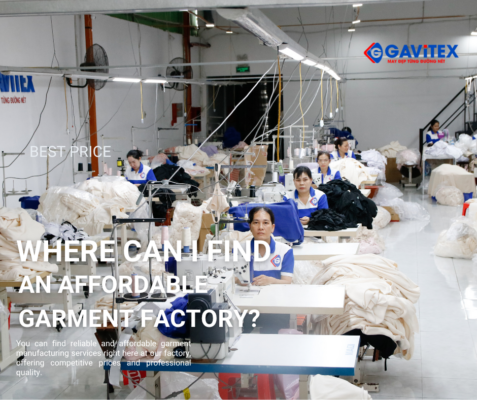
Creating an effective assembly line is crucial for optimizing clothing production. A well-designed system enhances efficiency, reduces waste, and improves overall productivity in garment manufacturing. This section delves into the essential aspects of designing such a system, covering everything from workflow optimization to equipment selection, all geared towards maximizing output and minimizing costs for overseas buyers.
A meticulous plan should form the bedrock of any efficient garment assembly line. This plan should thoroughly consider the specific garment types being produced, the required production volume, and the available workspace. Consider the following key aspects:
- Workflow Analysis: Examine each step in the garment production process, from cutting fabric to finishing and packaging. Identify bottlenecks and areas for improvement. For instance, a bottleneck at the sewing station might necessitate additional machines or a modified workflow to balance the workload.
- Ergonomic Design: The layout should prioritize the comfort and safety of workers. Workstations should be adjustable to accommodate different heights and tasks. Minimize repetitive motions to reduce the risk of injuries.
- Equipment Selection: Select equipment that is appropriate for the specific tasks and materials being used. Invest in reliable, high-quality machines to minimize downtime and ensure consistent product quality.
- Layout Optimization: Arrange workstations and equipment in a logical sequence to minimize material handling and worker movement. A U-shaped or circular layout can often be more efficient than a straight-line layout, particularly in smaller factories.
- Modular Design: Design the assembly line to be flexible and adaptable to changing production needs. Modular workstations can be easily reconfigured to accommodate different garment styles or production volumes.
Beyond the physical layout, effective communication and real-time data tracking are vital components of a successful assembly line. Consider implementing a system that allows workers to quickly report issues, track progress, and monitor quality. For example, a digital dashboard displaying production metrics can provide valuable insights into the overall performance of the line and help identify areas for further optimization, ultimately boosting the efficiency and profitability of garment production for overseas buyers.
Key Equipment & Technologies for Clothing Assembly Lines
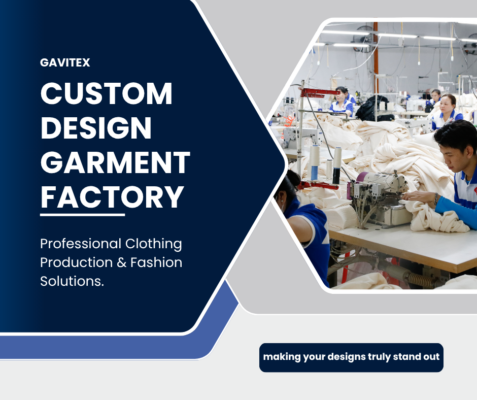
The backbone of efficient assembly line clothing production lies in the strategic deployment of specialized equipment and technologies. These tools not only accelerate the manufacturing process but also enhance precision and consistency, significantly impacting overall productivity within a garment factory. Let’s delve into the essential machinery and innovations that are transforming the landscape of clothing assembly lines.
The selection of suitable equipment significantly impacts the efficiency and quality of output in garment manufacturing. These technologies span from basic sewing machines to advanced automated systems, each playing a crucial role in streamlining various stages of clothing production.
Here’s a breakdown of essential equipment and technologies:
- Sewing Machines:
- Types: Industrial sewing machines are available in various forms, including lockstitch, overlock, chain stitch, and cover stitch machines, each designed for specific sewing operations.
- Applications: Lockstitch machines are versatile and used for general sewing, while overlock machines create finished edges to prevent fraying. Chain stitch machines offer durable seams, and cover stitch machines provide a professional finish on hems and cuffs.
- Cutting Machines:
- Types: These machines range from manual fabric cutters to automated cutting systems, such as laser cutters and CNC cutting machines.
- Applications: Manual cutters are suitable for small-scale production, while automated systems enhance speed and accuracy for large-scale operations. Laser cutters offer precision for intricate designs, and CNC machines ensure consistent cuts across multiple layers of fabric.
- Spreading Machines:
- Function: Spreading machines are used to uniformly lay fabric layers on cutting tables, ensuring proper alignment and tension.
- Benefits: This improves cutting accuracy and reduces material waste, ensuring that each piece of fabric is cut identically.
- Fusing Machines:
- Function: Fusing machines bond interlinings to fabric using heat and pressure, providing structure and support to garment components.
- Applications: Commonly used for collars, cuffs, and plackets, fusing enhances the garment’s shape and durability.
- Embroidery Machines:
- Types: These machines range from single-head to multi-head systems, capable of creating intricate embroidered designs on garments.
- Applications: Embroidery machines are used to add decorative elements, logos, and branding to clothing items, enhancing their aesthetic appeal.
- Finishing Equipment:
- Types: Finishing equipment includes pressing machines, steam irons, and stain removal systems.
- Applications: Pressing machines remove wrinkles and creases, while steam irons provide a crisp finish. Stain removal systems address imperfections, ensuring garments meet quality standards before packaging.
- Automated Guided Vehicles (AGVs):
- Function: AGVs transport materials and garment components between workstations, reducing manual handling and improving workflow efficiency.
- Benefits: By automating material handling, AGVs minimize downtime and optimize the use of resources within the clothing assembly line.
- Computer-Aided Design (CAD) and Computer-Aided Manufacturing (CAM) Systems:
- Function: CAD software is used to design garment patterns, while CAM systems automate the cutting and sewing processes.
- Benefits: CAD/CAM integration accelerates product development, reduces errors, and enhances overall manufacturing efficiency.
Implementing these key equipment and technologies can significantly improve the efficiency, quality, and cost-effectiveness of clothing assembly lines, providing garment factories with a competitive edge in the market.
Optimizing Workflow & Layout in Clothing Assembly
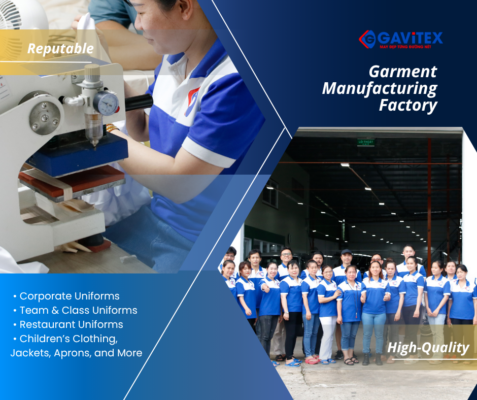
In clothing assembly, optimizing workflow and layout is crucial for maximizing efficiency and minimizing production costs. An effectively designed assembly line layout directly impacts the speed and smoothness of the entire garment manufacturing process, ensuring that each step, from cutting to finishing, flows seamlessly. By strategically organizing workstations and implementing efficient material handling techniques, garment factories can significantly improve their output and overall productivity, making this a critical aspect of assembly line clothing production.
One of the primary strategies for optimizing workflow is implementing the Just-In-Time (JIT) inventory system, which focuses on minimizing waste and reducing inventory holding costs. JIT ensures that materials arrive at the workstation precisely when needed, preventing bottlenecks and minimizing storage space requirements. For example, a factory using JIT might receive fabric rolls daily based on the day’s production schedule, rather than storing large quantities for weeks. This lean manufacturing approach, coupled with a well-planned layout, can dramatically enhance efficiency in the clothing assembly process.
Another critical element of workflow optimization is the strategic arrangement of workstations to minimize worker movement and maximize ease of access to materials and equipment. A U-shaped or L-shaped assembly line layout is often preferred, as it allows for better communication and collaboration between workers, as well as efficient material flow. Ergonomic considerations also play a significant role; workstations should be designed to reduce strain and fatigue, promoting worker well-being and boosting productivity. For instance, adjustable chairs, proper lighting, and tools placed within easy reach can make a significant difference.
Furthermore, incorporating automation where feasible can significantly improve workflow. Automated cutting machines, sewing machines, and material handling systems can perform repetitive tasks with greater speed and accuracy, reducing the reliance on manual labor and minimizing the risk of errors. For instance, automated fabric spreaders can lay out multiple layers of fabric precisely and quickly, while automated sewing machines can perform complex stitching patterns with consistent quality. Embracing these technological advancements, combined with a well-thought-out layout, empowers factories to enhance their clothing assembly line efficiency.
Quality Control & Inspection in Assembly Line Clothing Production
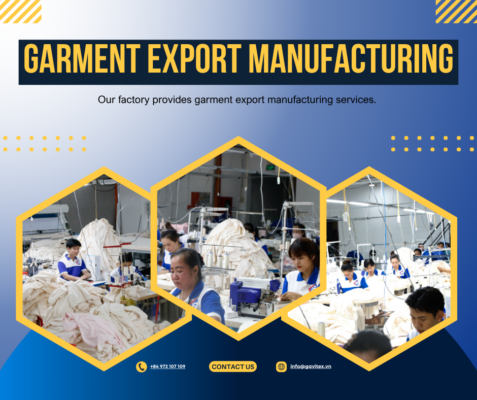
Quality control and inspection are paramount in assembly line clothing production, ensuring that each garment meets the required standards before moving to the next stage or reaching the customer. This focus on quality minimizes defects, reduces waste, and upholds the brand’s reputation in the competitive garment industry. Effective quality control procedures are not simply about identifying errors, but also about preventing them from occurring in the first place, thereby streamlining the entire production process.
Implementing robust quality control measures at each stage of the assembly line is essential for detecting and rectifying issues early. These checks can include inspecting raw materials (fabric, thread, buttons) for flaws, verifying measurements and cuts against specifications, monitoring stitching and seam quality, and confirming the proper attachment of labels and embellishments. By catching errors early, garment manufacturers can prevent defective products from progressing further down the line, saving time, resources, and potential customer dissatisfaction.
Several key aspects must be considered when establishing a quality control system for clothing assembly lines:
- Defined Standards: Clearly define acceptable quality levels (AQLs) for each product and process.
- Regular Inspections: Conduct frequent inspections at various stages of production, not just at the end.
- Trained Personnel: Equip inspectors with the knowledge and skills to identify defects accurately.
- Documented Procedures: Maintain detailed records of inspections, findings, and corrective actions.
- Corrective Actions: Implement procedures for addressing defects and preventing recurrence.
Advanced technologies are increasingly being adopted to enhance quality control in garment manufacturing. Automated inspection systems using computer vision can detect subtle defects that might be missed by human inspectors. These systems can analyze fabric, seams, and stitching with greater speed and precision, improving the overall efficiency and accuracy of the quality control process. Furthermore, data analytics can be used to identify trends and patterns in defects, allowing manufacturers to address root causes and implement preventative measures.
The implementation of a comprehensive quality control and inspection strategy directly impacts the cost-effectiveness and ROI of assembly line clothing production. By minimizing defects and rework, factories can reduce material waste, lower labor costs associated with repairs, and enhance overall productivity. Furthermore, consistent quality leads to increased customer satisfaction, brand loyalty, and ultimately, higher profitability for overseas buyers and other garment brands.
Cost-Effectiveness & ROI of Assembly Line Implementation in Garment Factories
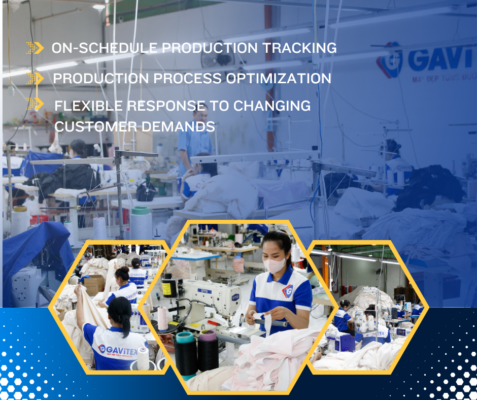
Implementing an assembly line in garment factories can dramatically impact cost-effectiveness and return on investment (ROI) by optimizing the clothing production process. Assembly lines offer streamlined workflows, reduced production time, and improved quality control, all contributing to enhanced profitability and competitiveness in the apparel industry.
The initial investment in setting up an assembly line, including equipment, layout modifications, and worker training, can be substantial. However, the long-term benefits often outweigh these upfront costs. For example, a factory previously relying on individual workstations might see a 30-40% increase in output after implementing an assembly line system. This increase directly translates to higher revenue and faster ROI. The faster throughput coupled with reduced material handling leads to lower per-unit production costs.
Beyond increased production volume, assembly lines contribute to cost savings through improved efficiency and waste reduction.
- Reduced labor costs: Assembly lines optimize tasks, allowing workers to specialize and become more efficient.
- Lower material waste: Streamlined processes and better quality control minimize errors and reduce the amount of unusable fabric.
- Improved inventory management: Faster production cycles lead to quicker turnaround times and reduced inventory holding costs.
For instance, a study of several garment factories revealed that those utilizing assembly lines experienced a 15-20% reduction in material waste compared to those using traditional methods. Furthermore, the improved quality control inherent in assembly lines reduces the likelihood of defective products, minimizing returns and maintaining brand reputation. These factors contribute significantly to the overall cost-effectiveness and ROI of assembly line implementation.
Challenges and Solutions in Managing a Clothing Assembly Line
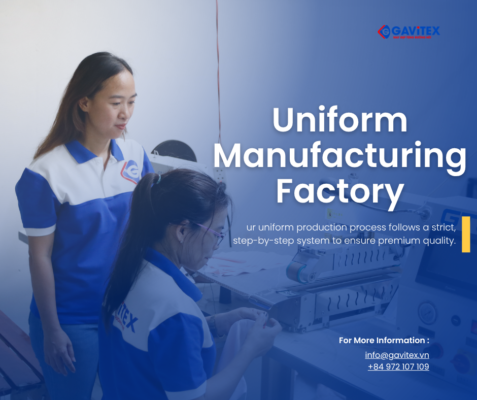
Effectively managing a clothing assembly line presents a unique set of challenges, ranging from maintaining consistent product quality and optimizing workflow efficiency to handling labor-related issues and adapting to changing consumer demands. These hurdles can significantly impact the overall productivity and profitability of garment factories, emphasizing the need for proactive strategies and innovative solutions. Navigating these complexities requires a holistic approach encompassing technological advancements, streamlined processes, and a skilled workforce.
One major obstacle is maintaining consistent quality throughout the production process. Even minor deviations at any stage can lead to defects and inconsistencies in the final product. Implementing robust quality control measures at each workstation, such as regular inspections and standardized procedures, is crucial. Furthermore, investing in training programs for assembly line workers can equip them with the necessary skills and knowledge to identify and rectify potential issues early on, minimizing defects and ensuring consistent product quality. overseas buyers can help implement such program.
Another significant challenge lies in optimizing workflow and layout to maximize efficiency. Bottlenecks and inefficiencies can significantly slow down production and increase costs. Conducting thorough time and motion studies can identify areas for improvement and help streamline the process. Redesigning the layout of the assembly line to minimize unnecessary movement and optimize the flow of materials can also significantly improve efficiency. For instance, implementing a lean manufacturing approach, which focuses on eliminating waste and maximizing value, can lead to significant improvements in productivity.
Managing labor effectively is paramount to the success of a clothing assembly line. Issues such as high turnover rates, absenteeism, and worker dissatisfaction can disrupt production and negatively impact quality. Offering competitive wages, providing a safe and comfortable working environment, and investing in employee training and development can improve worker morale and reduce turnover. Implementing ergonomic principles in workstation design can minimize the risk of injuries and improve worker comfort, leading to increased productivity and reduced absenteeism. For example, adjustable workstations and proper lighting can help reduce strain and fatigue, improving overall worker well-being.
Finally, garment factories must adapt to fluctuations in demand and changing fashion trends. These fluctuations can create challenges in managing inventory, adjusting production schedules, and maintaining workforce flexibility. Implementing demand forecasting techniques can help anticipate changes in demand and adjust production accordingly. Adopting flexible manufacturing systems, which allow for quick changeovers and customization, can enable factories to respond quickly to changing fashion trends and customer preferences. This could involve investing in versatile equipment and training workers on multiple tasks, enhancing their adaptability.
The Role of Automation in Modern Clothing Assembly
Automation is revolutionizing assembly line clothing production, fundamentally changing how garments are manufactured and addressing critical challenges in the industry. By strategically implementing automated systems, garment factories can achieve significant improvements in efficiency, accuracy, and overall productivity, driving competitiveness in a global market. This shift towards automated processes also enables manufacturers to overcome labor shortages, reduce production costs, and enhance product quality, all while adapting to the increasing demands of fast fashion and personalized apparel.
One of the most significant impacts of automation lies in streamlining repetitive tasks that were previously performed manually. Machines equipped with advanced sensors and computer vision can now accurately and consistently perform operations such as fabric cutting, sewing, and pattern matching. For instance, automated cutting machines can precisely cut multiple layers of fabric simultaneously, minimizing material waste and reducing the time required for this crucial step. Similarly, robotic sewing arms can handle intricate stitching patterns with speed and precision, ensuring uniform quality and reducing the risk of human error. These technologies not only accelerate the production process but also free up human workers to focus on more complex and creative tasks.
Moreover, automation plays a vital role in enhancing quality control and inspection processes. Automated inspection systems equipped with high-resolution cameras and sophisticated algorithms can detect even minor defects in fabric, stitching, or garment construction. This capability allows manufacturers to identify and rectify errors early in the production cycle, preventing defective products from reaching consumers and reducing the costs associated with returns and rework. By integrating real-time data analytics, these systems can also provide valuable insights into production trends, enabling factories to proactively address potential quality issues and optimize their processes.
The integration of automation extends to various aspects of garment manufacturing, including:
- Automated Fabric Spreading and Cutting: Ensures precise cutting with minimal waste.
- Robotic Sewing: Handles complex stitching with speed and accuracy.
- Automated Material Handling: Streamlines the movement of materials between workstations.
- Computer-Aided Design (CAD) and Computer-Aided Manufacturing (CAM): Facilitates efficient design and production planning.
- Automated Inspection Systems: Detects defects early in the production process.
Vietnam Biz Rep, as a leader in providing solutions for the garment industry, recognizes the transformative potential of automation and its ability to drive sustainable growth and innovation. By embracing automated technologies, garment factories can not only enhance their operational efficiency and competitiveness but also create a more resilient and adaptable manufacturing environment.
Assembly Line Workers: Training, Ergonomics, and Productivity
The effectiveness of assembly line clothing production hinges significantly on the well-being and proficiency of its workforce; therefore, investing in comprehensive training programs, promoting ergonomic work environments, and implementing strategies to enhance productivity are crucial for garment factories aiming for operational excellence. A skilled and comfortable workforce translates directly to higher quality output, reduced errors, and increased overall efficiency in the clothing assembly line.
Comprehensive Training Programs: Equipping workers with the necessary skills is paramount.
- Initial Training: New employees require thorough instruction covering basic sewing techniques, machine operation, quality standards, and safety protocols. These programs should be hands-on, allowing trainees to practice and develop proficiency under supervision.
- Specialized Skill Development: As workers gain experience, provide opportunities for them to specialize in specific areas of the assembly line, such as pattern matching, button attaching, or finishing. This specialization improves their expertise and efficiency in their respective tasks.
- Continuous Improvement: Regularly update training programs to reflect new technologies, changing fashion trends, and evolving industry best practices. This ensures that workers remain adaptable and capable of meeting the demands of the garment manufacturing sector. For example, offering training on handling new fabrics or operating automated sewing machines.
Ergonomics in the Workplace: Prioritizing the physical well-being of assembly line workers is essential for preventing injuries and improving morale.
- Workstation Design: Design workstations that are adjustable to accommodate workers of different heights and body types. Ensure that tools and materials are within easy reach, minimizing the need for bending, stretching, or twisting.
- Proper Posture and Movement: Train workers on proper posture and movement techniques to reduce strain on their bodies. Encourage frequent breaks and stretching exercises to alleviate muscle fatigue.
- Equipment and Tool Selection: Invest in ergonomically designed equipment and tools that minimize vibration, reduce force requirements, and promote comfortable grip. For instance, using adjustable chairs with lumbar support, investing in lightweight sewing machines, and providing anti-fatigue mats.
Enhancing Productivity through Worker Empowerment: Empowering assembly line workers to take ownership of their work and contribute to process improvement can significantly boost productivity.
- Incentive Programs: Implement incentive programs that reward workers for exceeding production targets, maintaining high-quality standards, and contributing to process improvements. These programs can be monetary or non-monetary, such as recognition awards or additional vacation time.
- Feedback and Communication: Establish clear channels for feedback and communication between workers and management. Encourage workers to share their ideas for improving efficiency, reducing waste, and enhancing quality.
- Teamwork and Collaboration: Foster a culture of teamwork and collaboration on the assembly line. Encourage workers to support each other, share knowledge, and work together to solve problems. This collaborative environment can lead to increased productivity and improved job satisfaction.
By focusing on worker training, ergonomics, and productivity within the assembly line clothing production process, overseas buyers can cultivate a highly skilled, motivated, and efficient workforce, leading to significant improvements in output quality, reduced costs, and enhanced competitiveness.
Sustainability in Assembly Line Clothing Production
Sustainable assembly line clothing production is becoming increasingly crucial as the fashion industry faces growing scrutiny for its environmental impact. Embracing eco-friendly practices throughout the entire production process, from sourcing materials to waste management, is no longer optional but a necessity for garment factories seeking to minimize their carbon footprint and appeal to increasingly conscious consumers. This shift requires a fundamental rethinking of traditional methods and the adoption of innovative solutions that prioritize environmental stewardship.
Several key areas contribute to making clothing assembly lines more sustainable:
-
Sustainable Material Sourcing: The foundation of eco-friendly clothing production lies in the materials used.
- Prioritize organic cotton, recycled fabrics (like recycled polyester from plastic bottles), and innovative materials such as Tencel (made from sustainably sourced wood pulp).
- Vietnam Biz Rep, as a responsible brand, should ensure its suppliers adhere to strict environmental standards, verified through certifications like GOTS (Global Organic Textile Standard) or Bluesign.
-
Waste Reduction: Assembly lines generate significant waste in the form of fabric scraps, packaging materials, and water.
- Implement efficient cutting techniques to minimize fabric waste.
- Recycle or upcycle fabric scraps into new products.
- Invest in water-efficient dyeing and washing processes.
-
Energy Efficiency: Clothing assembly lines consume considerable energy for lighting, machinery, and climate control.
- Transition to energy-efficient lighting (LEDs).
- Utilize energy-efficient machinery.
- Optimize building insulation to reduce heating and cooling needs.
- Consider renewable energy sources like solar power.
-
Chemical Management: Traditional dyeing and finishing processes often involve harsh chemicals that can pollute water and harm workers.
- Prioritize eco-friendly dyes and finishes.
- Implement closed-loop water systems to recycle water and minimize chemical discharge.
- Ensure proper handling and disposal of chemicals to prevent environmental contamination.
-
Ethical Labor Practices: While sustainability often focuses on environmental aspects, social responsibility is equally important.
- Ensure fair wages and safe working conditions for all assembly line workers.
- Promote worker well-being through ergonomics and training programs.
- Support local communities through responsible sourcing and manufacturing practices.
Implementing sustainable practices not only benefits the environment but can also improve a garment factory’s bottom line. Reducing waste, conserving energy, and using fewer chemicals can lead to significant cost savings. Furthermore, consumers are increasingly willing to pay a premium for sustainable clothing, creating a competitive advantage for brands that prioritize environmental responsibility. overseas buyers can enhance brand reputation and appeal to environmentally conscious customers by implementing these changes.
Vietnam Biz Rep supports overseas buyers with garment supplier search, factory verification, sample coordination, production follow-up, and quality inspection in Vietnam. Learn more on our clothing sourcing agent page or visit Vietnam sourcing agent for our full range of services. Contact Vietnam Biz Rep to discuss your sourcing requirements.
