


Choosing an apparel vendor is a narrower decision than sourcing a factory from scratch: it usually means comparing a shortlist of providers on price, capacity, and reliability rather than starting a search from zero. This guide focuses on that comparison step: what to ask an apparel vendor before signing, how to weigh MOQs and lead times against unit cost, and where vendor claims are worth independently verifying. As your sourcing agent, we run this comparison on your behalf and flag the gaps between what a vendor promises and what they can actually deliver.
Understanding Apparel Vendor Services in Vietnam: A Comprehensive Guide
Navigating the complexities of the Vietnamese garment industry requires a thorough understanding of apparel vendor services. These services act as crucial intermediaries, connecting international buyers with local garment manufacturers and ensuring smooth, efficient production processes. They offer a range of support, from sourcing raw materials to managing logistics and quality control, playing a vital role in the success of many Vietnamese garment businesses.
Apparel vendor services in Vietnam are multifaceted, streamlining various aspects of garment production. These include connecting international brands with suitable Vietnamese manufacturers, overseeing the entire production lifecycle, and acting as a liaison to ensure seamless communication and adherence to buyer specifications. Vendor services also encompass navigating the intricacies of Vietnamese regulations, labor laws, and import/export procedures, easing the burden on both buyers and manufacturers.
For international brands, utilizing apparel vendor services significantly reduces the risks associated with offshore manufacturing. By leveraging the expertise and established networks of vendors, brands gain access to a wider range of qualified manufacturers, improved quality control measures, and enhanced supply chain visibility. This ultimately leads to cost savings, reduced lead times, and increased efficiency in bringing apparel products to market.
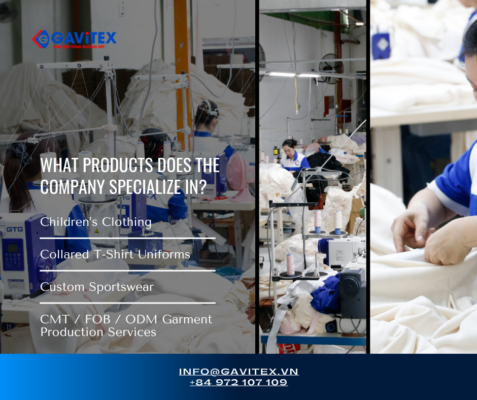
Key Apparel Vendor Services Offered to Vietnamese Garment Manufacturers
Apparel vendor services play a crucial role in supporting the Vietnamese garment manufacturing industry by providing specialized expertise and resources throughout the supply chain. These services are designed to enhance efficiency, reduce costs, and improve the overall quality of garments produced in Vietnam. Understanding the range of services offered is essential for Vietnamese manufacturers looking to optimize their operations and remain competitive in the global market.
Raw material sourcing and procurement are fundamental services provided by apparel vendors. They assist manufacturers in identifying reliable suppliers of fabrics, trims, and accessories, both domestically and internationally. This ensures access to high-quality materials at competitive prices, a critical factor in controlling production costs. Vendors often have established relationships with suppliers, allowing them to negotiate favorable terms and ensure timely delivery.
Quality assurance and control services are indispensable for maintaining high standards in garment production. Apparel vendors offer comprehensive quality inspections at various stages of the manufacturing process, from fabric inspection to final product assessment. These services help identify and rectify defects early on, minimizing waste and ensuring that garments meet the required specifications. Quality assurance often adheres to international standards, such as AQL (Acceptable Quality Level), providing manufacturers with confidence in the quality of their products.
Logistics and supply chain management are vital for ensuring the smooth flow of materials and finished goods. Apparel vendors provide end-to-end logistics solutions, including transportation, warehousing, and customs clearance. They optimize supply chain processes to reduce lead times, minimize inventory costs, and ensure timely delivery to customers. Effective supply chain management is crucial for meeting tight deadlines and maintaining customer satisfaction.
Compliance and ethical sourcing audits have become increasingly important in the apparel industry. Apparel vendors conduct audits to ensure that manufacturers adhere to labor laws, environmental regulations, and ethical sourcing practices. These audits assess working conditions, wages, and environmental impact, helping manufacturers demonstrate their commitment to responsible production. Compliance with these standards is often a requirement for exporting garments to international markets.
(Approximately 250 words)
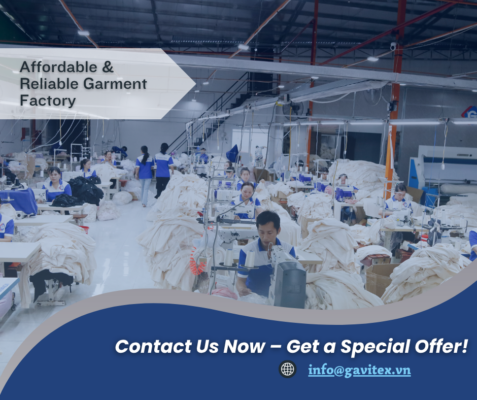
Benefits of Utilizing Apparel Vendor Services for Vietnamese Manufacturers
For Vietnamese garment manufacturers, leveraging apparel vendor services presents a strategic pathway to enhance competitiveness and operational efficiency. These services offer a multitude of advantages, ranging from optimized costs and improved quality control to streamlined supply chains, allowing manufacturers to concentrate on their core strengths. By partnering with specialized vendors, Vietnamese businesses can navigate the complexities of the global apparel market more effectively.
One of the most significant benefits is cost optimization and reduced overhead. Apparel vendors often have established relationships with suppliers and can negotiate better prices for raw materials, components, and other essential resources. This results in lower procurement costs for manufacturers, as vendors handle the intricate processes of sourcing, negotiation, and logistics, reducing the need for in-house expertise and resources. According to a report by the Vietnam Textile and Apparel Association (VITAS), manufacturers who outsource procurement experience an average of 10-15% reduction in material costs.
Another crucial advantage lies in enhanced quality control and reduced defects. Apparel vendors typically employ rigorous quality assurance processes, including inspections at various stages of production. By entrusting these processes to experts, Vietnamese manufacturers can minimize defects, reduce waste, and improve the overall quality of their products. This ultimately leads to higher customer satisfaction and stronger brand reputation. For example, a study by McKinsey found that improved quality control can reduce defect rates by as much as 20%.
Furthermore, apparel vendor services facilitate a streamlined supply chain and faster turnaround times. Vendors can optimize logistics, transportation, and inventory management, ensuring that materials and finished goods are delivered efficiently. This reduces lead times, enables manufacturers to respond quickly to changing market demands, and improves overall supply chain responsiveness. A survey of Vietnamese apparel exporters revealed that partnering with vendors specializing in supply chain management resulted in a 15-20% decrease in average turnaround time.
Finally, by outsourcing non-core activities to apparel vendors, Vietnamese manufacturers can focus on core manufacturing competencies. This allows them to invest resources in research and development, production innovation, and workforce training, strengthening their competitive advantage in the long run. Manufacturers can leverage vendor expertise to manage compliance, ethical sourcing, and sustainability initiatives, which are increasingly important in the global apparel industry, allowing them to concentrate on production efficiency and product diversification.
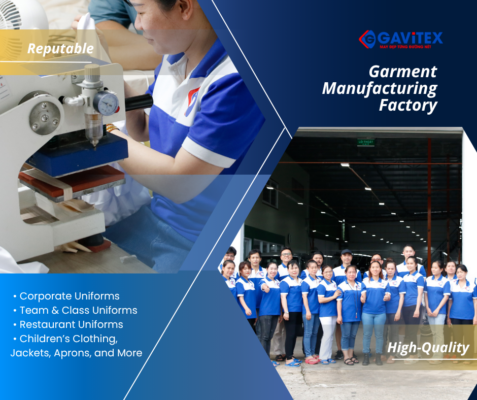
Evaluating and Selecting the Right Apparel Vendor Service Provider in Vietnam
Choosing the right apparel vendor service provider is a critical decision for Vietnamese garment manufacturers seeking to optimize their operations and enhance competitiveness. This section delves into the key factors to consider when evaluating potential vendors, ensuring a strategic partnership that drives efficiency, quality, and profitability. The process of vendor selection requires a comprehensive approach, encompassing experience, reputation, service scope, and contractual agreements, all tailored to the specific needs of your garment manufacturing business in Vietnam.
One of the initial steps is assessing vendor experience and expertise. Look for providers with a proven track record in the Vietnamese apparel industry, demonstrating a deep understanding of local market dynamics, regulations, and manufacturing processes. Consider their history of successful collaborations with similar-sized manufacturers and the range of apparel products they have handled. Furthermore, a vendor’s expertise should extend to the specific services your business requires, such as raw material sourcing, quality control, logistics, or compliance audits.
Another crucial aspect is checking references and reputation. Contacting previous clients can provide valuable insights into a vendor’s reliability, communication style, and problem-solving abilities. A reputable vendor will readily provide references and encourage you to conduct thorough due diligence. Reviewing a broader list of vetted apparel suppliers in Vietnam can help you benchmark a shortlisted vendor’s claims before signing a contract. Online reviews and industry forums can also offer additional perspectives, although it’s important to consider the source and context of such feedback.
Furthermore, evaluating service scope and capabilities is essential to ensure the vendor can meet your current and future needs. A comprehensive apparel vendor should offer a range of services, including:
- Raw material sourcing and procurement
- Quality assurance and control
- Logistics and supply chain management
- Compliance and ethical sourcing audits
- Product development and design support
Finally, understanding pricing structures and contracts is critical to avoid unexpected costs and ensure a transparent business relationship. Scrutinize the vendor’s pricing model, payment terms, and contract duration. Clarify any potential hidden fees or surcharges. A well-defined contract should clearly outline the scope of services, performance metrics, and dispute resolution mechanisms. Seek legal counsel to review the contract and ensure it protects your interests.
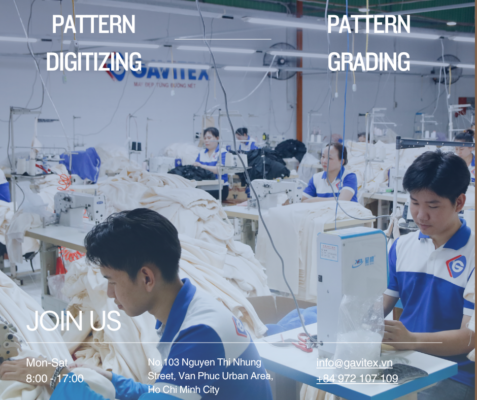
One point worth adding for overseas buyers specifically: much of this evaluation criteria assumes you have visibility into the vendor’s actual production floor, not just their sales pitch. Where that visibility is not practical to arrange yourself, a sourcing agent who has already vetted a vendor’s claims against a factory visit can shortcut this step considerably.
Technology and Innovation in Apparel Vendor Services: A Vietnamese Perspective
The integration of technology and innovation is transforming apparel vendor services in Vietnam, offering significant improvements in efficiency, transparency, and quality for garment manufacturers. Vietnamese manufacturers are increasingly adopting advanced technologies to optimize their supply chains, enhance quality control, and improve communication with vendors, leading to a more competitive and sustainable apparel industry. This shift is driven by the need to meet rising global demands for faster turnaround times, higher quality standards, and ethical sourcing practices.
AI-powered quality inspection systems are revolutionizing the way Vietnamese garment manufacturers detect defects and ensure consistent product quality. These systems utilize computer vision and machine learning algorithms to automatically identify imperfections in fabrics, seams, and other critical areas, reducing the reliance on manual inspections and minimizing human error. For example, Vietnam Biz Rep is exploring partnerships with tech firms specializing in AI-driven quality control to integrate these systems into existing production lines. This would enable real-time defect detection, allowing manufacturers to address issues promptly and prevent further production of substandard goods.
Blockchain technology offers a powerful solution for enhancing supply chain traceability in the Vietnamese apparel industry. By creating a transparent and immutable record of every transaction and movement of goods, blockchain enables manufacturers and vendors to track the origin of raw materials, monitor production processes, and verify compliance with ethical and environmental standards. This increased transparency not only builds trust with customers but also helps to combat counterfeiting and ensures fair labor practices. Consider a scenario where a European brand requires proof that the cotton used in its garments is sourced ethically from a specific region; blockchain could provide irrefutable evidence of the cotton’s origin and the working conditions at the farms where it was grown.
Digital platforms are streamlining vendor communication and management for Vietnamese apparel manufacturers. These platforms provide a centralized hub for sharing information, managing orders, tracking shipments, and resolving disputes, improving collaboration and reducing communication delays. Through these digital tools, Vietnamese manufacturers can now communicate in real-time with vendors, track order statuses, and manage inventory more effectively, leading to faster turnaround times and reduced costs. Vietnam Biz Rep is developing a customized digital platform that allows its clients to track their orders from the raw material stage to final delivery, enhancing transparency and fostering stronger relationships with its vendors.
Overcoming Challenges in Working with Apparel Vendor Services in Vietnam
Navigating the landscape of apparel vendor services in Vietnam, while offering immense opportunities for garment manufacturers, also presents a unique set of challenges. These obstacles, if not addressed effectively, can hinder the potential benefits derived from these services.
Effective collaboration between Vietnamese garment manufacturers and apparel vendors hinges on acknowledging and proactively mitigating potential difficulties. This requires a multi-faceted approach encompassing clear communication strategies, robust transparency measures, and proactive supply chain management.
Communication Barriers and Cultural Differences
One of the primary challenges lies in communication barriers arising from language differences and cultural nuances. Misunderstandings in interpreting requirements, specifications, or feedback can lead to costly errors and delays. Cultural differences in communication styles, negotiation tactics, and decision-making processes can further complicate interactions. To bridge these gaps, manufacturers should prioritize:
- Employing bilingual staff or interpreters with expertise in the garment industry.
- Developing clear and concise communication protocols.
- Investing in cultural sensitivity training for both internal teams and vendor partners.
- Building strong relationships based on trust and mutual respect, fostering open dialogue.
Ensuring Transparency and Accountability
Transparency and accountability are crucial for successful partnerships with apparel vendor service providers. Opacity in pricing, sourcing, and production processes can create distrust and expose manufacturers to risks such as unethical labor practices or substandard materials. To ensure transparency, manufacturers should:
- Conduct thorough due diligence on potential vendors, including factory visits and audits.
- Establish clear contractual agreements outlining expectations for pricing, quality, and ethical sourcing.
- Implement systems for tracking and monitoring vendor performance, including key performance indicators (KPIs).
- Utilize technology solutions such as blockchain to enhance supply chain traceability.
Managing Supply Chain Disruptions
The global apparel industry is vulnerable to supply chain disruptions caused by factors such as natural disasters, political instability, and economic fluctuations. These disruptions can impact raw material availability, production schedules, and delivery timelines. To mitigate these risks, manufacturers should:
- Diversify their sourcing base and avoid over-reliance on a single vendor or region.
- Develop contingency plans for addressing potential disruptions, including alternative sourcing options and buffer inventory strategies.
- Invest in supply chain visibility tools to monitor potential risks and proactively respond to emerging challenges.
- Foster strong relationships with key vendors to enhance communication and collaboration during times of crisis.
Case Studies: Successful Partnerships between Vietnamese Manufacturers and Apparel Vendors
This section delves into compelling case studies showcasing the transformative power of successful collaborations between Vietnamese manufacturers and apparel vendor services. These real-world examples highlight how strategic partnerships can optimize operations, enhance product quality, and drive growth within Vietnam’s dynamic garment industry, illustrating the tangible benefits of leveraging specialized expertise.
One notable example involves a Vietnamese garment factory, Thanh Cong Textile Garment Investment Trading JSC, partnering with an apparel vendor specializing in raw material sourcing and procurement. Previously, Thanh Cong struggled with inconsistent material quality and fluctuating prices, impacting their production costs and timelines. By outsourcing this critical function to a vendor with established relationships with reputable suppliers and in-depth market knowledge, Thanh Cong achieved significant cost savings (approximately 15% reduction in raw material expenses) and improved material consistency. This allowed them to focus on their core manufacturing competencies, leading to increased production efficiency and enhanced product quality, solidifying their position as a reliable supplier for international brands.
Another compelling case involves a collaboration focused on quality assurance and control. A mid-sized Vietnamese apparel manufacturer, facing increasing pressure from demanding international clients, partnered with a quality control vendor. Prior to this partnership, the manufacturer experienced a defect rate of around 8%, leading to costly rework and potential order cancellations. The vendor implemented a comprehensive quality control program, including AQL inspections, in-line monitoring, and final product audits. Within six months, the defect rate was reduced to below 2%, resulting in significant cost savings, improved customer satisfaction, and increased orders. This partnership enabled the manufacturer to meet stringent quality standards demanded by global brands, solidifying their reputation for producing high-quality garments.
Furthermore, the effective use of logistics and supply chain management services is exemplified by a partnership between a Vietnamese exporter and a vendor specializing in supply chain optimization. The manufacturer, Viet Thang Corporation, previously faced challenges with long lead times and unpredictable delivery schedules, hindering their ability to compete effectively in the global market. The vendor implemented a streamlined logistics solution, including optimized transportation routes, improved inventory management, and real-time tracking systems. This resulted in a 20% reduction in lead times and a significant improvement in delivery reliability, enabling Viet Thang to fulfill orders more quickly and efficiently, enhancing their competitiveness and expanding their market reach. These successful partnerships not only demonstrate the value of apparel vendor services but also offer valuable insights for other Vietnamese manufacturers seeking to optimize their operations and achieve sustainable growth.
Trends Shaping the Future of Apparel Vendor Services in Vietnam
The future of apparel vendor services in Vietnam is being reshaped by a confluence of factors, creating both opportunities and challenges for garment manufacturers and their vendor partners. These trends reflect the evolving global landscape of apparel production, a growing emphasis on sustainable practices, and the rapid advancement of technology.
Sustainable and ethical sourcing practices are no longer optional but are becoming core expectations of consumers and brands alike. This shift is driving vendors to adopt transparent supply chains, invest in eco-friendly materials and production processes, and ensure fair labor standards. For example, overseas buyers, as a leader in apparel solutions, can assist manufacturers in achieving certifications like GOTS (Global Organic Textile Standard) and Fair Trade, demonstrating a commitment to sustainability and attracting conscious consumers.
The impact of reshoring and nearshoring initiatives is also influencing the apparel vendor service landscape. As companies seek to reduce lead times and mitigate risks associated with geographically dispersed supply chains, Vietnam’s strategic location and competitive manufacturing costs make it an attractive destination for companies looking to bring production closer to key markets. This trend increases the demand for vendors who can offer comprehensive supply chain solutions, agile production capabilities, and efficient logistics management.
Finally, the integration of increased automation and robotics in quality control is poised to revolutionize the efficiency and accuracy of apparel vendor services. AI-powered vision systems can detect defects with greater precision than manual inspections, while automated cutting and sewing technologies can reduce labor costs and improve production speed. Vietnamese manufacturers are increasingly adopting these technologies to enhance their competitiveness, requiring vendors to offer services that support the integration and maintenance of these advanced systems. This will allow apparel factories to significantly minimize errors and maximize output, solidifying Vietnam’s position in the global textile market.
Legal and Regulatory Considerations for Apparel Vendor Services in Vietnam
Navigating the legal and regulatory landscape is crucial for apparel vendor services operating in Vietnam, ensuring compliance and mitigating risks. Understanding the specific regulations governing garment manufacturing and related services is paramount for both Vietnamese manufacturers and their international partners seeking reliable apparel vendor services. This section delves into the key legal considerations that impact these services within Vietnam’s dynamic business environment.
Several aspects of Vietnamese law directly affect apparel vendor services.
- Contract Law and Agreements: The foundation of any successful business relationship lies in well-defined contracts. In Vietnam, contract law governs the agreements between manufacturers and apparel vendors. These contracts should clearly outline the scope of services, payment terms, quality standards, intellectual property rights, and dispute resolution mechanisms. It’s crucial to have these agreements reviewed by legal professionals familiar with Vietnamese law to ensure enforceability and protect the interests of all parties.
- Import/Export Regulations: The garment industry heavily relies on importing raw materials and exporting finished goods. Therefore, a thorough understanding of Vietnam’s import/export regulations is essential. This includes navigating customs procedures, tariffs, quotas, and compliance with trade agreements. Apparel vendors often assist manufacturers in managing these complexities, ensuring smooth and compliant cross-border transactions.
- Labor Laws and Compliance: Ethical and legal sourcing requires adherence to Vietnamese labor laws. This encompasses regulations related to wages, working hours, workplace safety, and the prohibition of child labor. Compliance with these regulations is not only a legal requirement but also a moral imperative. Apparel vendors play a crucial role in conducting audits and ensuring that manufacturers meet these standards, promoting responsible and sustainable sourcing practices.
Navigating these legal and regulatory considerations is critical for fostering trust, mitigating risks, and ensuring the long-term success of partnerships between Vietnamese manufacturers and apparel vendor services.
The Role of Apparel Vendor Services in Sustainable Garment Production in Vietnam
Apparel vendor services play a crucial role in fostering sustainable garment production within Vietnam’s rapidly growing textile industry. These services act as catalysts for change, enabling Vietnamese manufacturers to adopt environmentally and socially responsible practices throughout their supply chains. By leveraging the expertise and resources of specialized vendors, garment producers can minimize their environmental impact, ensure ethical labor standards, and enhance the long-term viability of their businesses.
Several key areas highlight how apparel vendor services contribute to a more sustainable industry:
-
Sustainable Material Sourcing: Vendors facilitate access to eco-friendly materials such as organic cotton, recycled polyester, and innovative bio-based fabrics. They help manufacturers navigate the complexities of sustainable sourcing, ensuring materials are certified by reputable organizations like the Global Organic Textile Standard (GOTS) or the Recycled Claim Standard (RCS). This shift towards sustainable materials reduces reliance on resource-intensive conventional options and minimizes pollution associated with textile production. For example, overseas buyers assists its partners in identifying and procuring materials that meet stringent environmental criteria, contributing to a smaller carbon footprint for finished garments.
-
Waste Reduction and Circularity: Apparel vendors support waste minimization efforts through initiatives like fabric scrap recycling, garment upcycling, and closed-loop manufacturing systems. They help manufacturers implement efficient cutting techniques to reduce fabric waste during production. Moreover, they connect manufacturers with recycling facilities and upcycling partners to divert textile waste from landfills. This focus on waste reduction promotes a circular economy, where materials are reused and repurposed, minimizing resource depletion and environmental pollution.
-
Water and Energy Efficiency: Many apparel vendor services offer solutions for optimizing water and energy consumption in garment factories. This can include implementing water-saving technologies in dyeing and finishing processes, installing energy-efficient lighting and machinery, and adopting renewable energy sources. These measures not only reduce the environmental impact of garment production but also lower operating costs for manufacturers.
-
Ethical Labor Practices: Vendors conduct social compliance audits to ensure factories adhere to fair labor standards, including safe working conditions, fair wages, and the prohibition of child labor. They help manufacturers implement corrective action plans to address any violations and improve labor practices. This commitment to ethical sourcing protects workers’ rights and promotes a more equitable and responsible garment industry. Furthermore, transparency and traceability within the supply chain are enhanced through vendor services, enabling brands and consumers to make informed purchasing decisions.
Vietnam Biz Rep supports overseas buyers with garment supplier search, factory verification, sample coordination, production follow-up, and quality inspection in Vietnam. Learn more on our clothing sourcing agent page or visit Vietnam sourcing agent for our full range of services. Contact Vietnam Biz Rep to discuss your sourcing requirements.
