

Finding reliable T-shirt manufacturers in Vietnam is crucial for businesses seeking quality apparel production at competitive prices. This comprehensive guide, tailored for those needing practical solutions, cuts through the noise to deliver actionable insights on navigating the Vietnamese garment industry. We’ll delve into the landscape of garment manufacturers in Vietnam, spotlighting key players known for their expertise in T-shirt production, custom apparel manufacturing, and private label T-shirts. You’ll discover how to evaluate potential partners based on factors like production capacity, quality control processes, ethical sourcing practices, and competitive pricing strategies. Furthermore, we’ll explore the advantages of working with Vietnamese manufacturers, including the country’s robust supply chain and skilled workforce. Ultimately, this article equips you with the knowledge and tools to make informed decisions and secure a successful partnership with the right T-shirt manufacturer for your specific needs in 2025.
Finding the Right T-Shirt Manufacturer in Vietnam: A Comprehensive Guide
Sourcing t-shirts manufacturers in Vietnam can be a strategic move for businesses seeking cost-effective and high-quality apparel production; this guide offers a detailed roadmap to navigate the process successfully. Understanding the nuances of the Vietnamese textile industry, from identifying reliable partners to ensuring ethical practices, is crucial for a fruitful collaboration. This section aims to equip you with the knowledge to make informed decisions and build a sustainable supply chain.
Identifying the ideal t-shirt manufacturer requires a multifaceted approach, starting with clearly defining your specific needs and expectations. Factors such as production capacity, minimum order quantity (MOQ), fabric options (cotton, polyester, blends), printing techniques (screen printing, digital printing), and desired quality standards all play a significant role in narrowing down your options. For instance, a startup focusing on small-batch, custom-designed t-shirts will have different requirements than a large retailer seeking mass production of basic tees. Different types of t-shirt manufacturers in Vietnam can be: OEM (Original Equipment Manufacturing), ODM (Original Design Manufacturing), and CMT (Cut, Make, Trim).
A crucial step involves thorough research and vetting of potential t-shirt manufacturing partners. This includes examining their certifications (e.g., WRAP, BSCI), reviewing customer testimonials, and conducting factory audits to assess their capabilities and adherence to ethical labor practices. Engage with industry associations and online platforms to gather information and identify reputable clothing manufacturers. For instance, consider verifying if the factory complies with labor laws and environmental regulations in Vietnam.
The selection process should also prioritize effective communication and transparency. A reliable garment manufacturer will be responsive to your inquiries, provide clear and accurate information about pricing, lead times, and production processes, and be willing to address any concerns you may have. Clear communication prevents misunderstandings and ensures a smooth production process.
In summary, finding the right t-shirt manufacturer in Vietnam involves a comprehensive assessment of your needs, thorough research, and a commitment to building strong, transparent relationships. By carefully considering these factors, businesses can unlock the benefits of Vietnam’s thriving apparel industry while upholding quality and ethical standards.
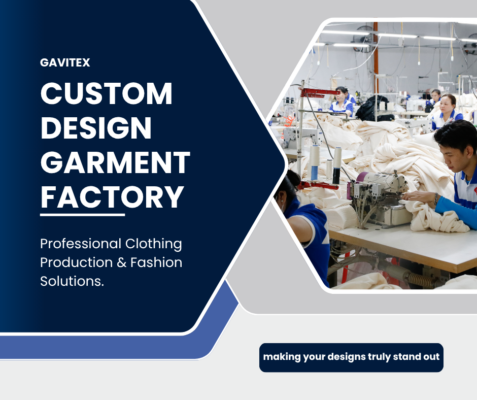
Top T-Shirt Manufacturing Hubs in Vietnam: A Location-Based Analysis
Identifying the top t-shirt manufacturing hubs in Vietnam is crucial for businesses seeking efficient and cost-effective sourcing options. Vietnam has emerged as a prominent player in the global garment industry, and certain regions have become specialized centers for t-shirt production. Understanding the geographical distribution of these manufacturing centers allows businesses like overseas buyers to strategically select locations that align with their specific needs, optimizing supply chain efficiency and potentially reducing production costs.
Several key regions in Vietnam have established themselves as major t-shirt manufacturing centers. Ho Chi Minh City and surrounding provinces such as Binh Duong and Dong Nai form a significant industrial zone, boasting a high concentration of garment factories, skilled labor, and well-developed infrastructure. The Red River Delta, particularly Hanoi and its neighboring provinces, also hosts a substantial number of textile and apparel manufacturers. Furthermore, coastal cities like Da Nang and provinces in the Mekong Delta are gradually developing their manufacturing capabilities, attracting both domestic and foreign investment.
The concentration of t-shirt manufacturers in specific locations offers several advantages. These regions often benefit from established supply chains, readily available raw materials like cotton and polyester, and a skilled workforce trained in garment production techniques. Proximity to ports and transportation networks facilitates efficient export logistics. For example, factories in Ho Chi Minh City have easy access to Cat Lai port, one of the busiest container ports in Southeast Asia. This geographical advantage translates into reduced shipping times and transportation costs, a critical factor for businesses aiming to optimize their supply chain.
However, choosing the right manufacturing location also requires considering factors beyond infrastructure and logistics. Labor costs, availability of specific manufacturing expertise (e.g., specialized printing techniques or sustainable production practices), and government incentives can vary across different regions. For instance, while Ho Chi Minh City offers advanced manufacturing capabilities, labor costs may be higher compared to provinces in the Mekong Delta.
Businesses should carefully evaluate the specific strengths and weaknesses of each region before making a sourcing decision. A comprehensive analysis that considers factors like manufacturing capacity, specialization, cost structure, and regulatory environment will enable businesses to identify the optimal t-shirt manufacturing hub in Vietnam for their needs.
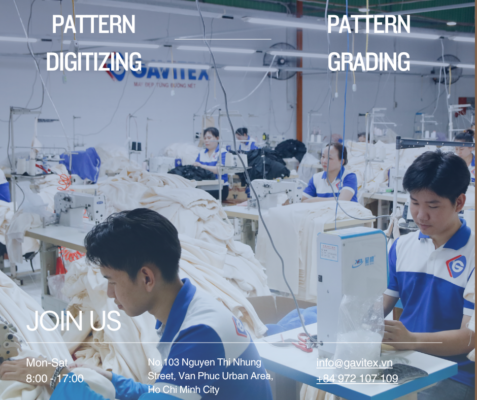
Types of T-Shirt Manufacturing Services in Vietnam: From Design to Delivery
Navigating the landscape of T-shirt manufacturers in Vietnam requires understanding the diverse range of services they offer, spanning from initial design concepts to final delivery. These services can be broadly categorized to help you find the right fit for your specific needs, whether you are a large corporation or a small startup. Understanding these distinctions is crucial for a smooth and successful manufacturing experience with partners.
Vietnamese T-shirt manufacturers typically provide a comprehensive suite of services, which can be broken down into several key areas:
-
Design and Pattern Making: This initial stage involves translating your ideas into tangible designs. Many manufacturers, offer design assistance, helping you refine your concepts, create technical drawings, and develop patterns for cutting and sewing. Some specialize in specific design styles or printing techniques. For instance, a manufacturer might excel in creating intricate embroidery designs, while another focuses on vibrant, large-scale screen printing.
-
Sourcing and Fabric Selection: This critical service involves the procurement of raw materials, most importantly, the fabric. Manufacturers often have established relationships with local and international fabric suppliers, offering a wide range of options including cotton, polyester, blends, and specialty fabrics like organic cotton or recycled materials. They can advise you on the best fabric choice based on your budget, desired quality, and intended use of the T-shirts.
-
Production and Manufacturing: This core service encompasses the actual cutting, sewing, and assembly of the T-shirts. Manufacturers will utilize various sewing techniques and equipment to ensure quality construction and adherence to your specifications. This stage often involves quality checks at multiple points in the production process.
-
Printing and Embellishment: This includes a variety of techniques to add logos, designs, or other embellishments to the T-shirts. Common methods include screen printing, DTG (direct-to-garment) printing, embroidery, and heat transfers. The choice of technique depends on the complexity of the design, the quantity of shirts being produced, and the desired durability and finish.
-
Quality Control: Reputable T-shirt manufacturers in Vietnam implement rigorous quality control measures throughout the entire production process, from initial fabric inspection to final product checks. This includes inspecting for defects in materials, ensuring accurate sizing and measurements, and verifying the quality of printing or embellishments.
-
Packaging and Labeling: Once the T-shirts are manufactured and inspected, they need to be properly packaged and labeled for shipment. Manufacturers can provide a range of packaging options, from simple poly bags to custom-designed boxes. They can also apply labels with your brand name, size information, and care instructions.
-
Logistics and Shipping: The final stage involves arranging for the transportation of the finished T-shirts from the factory to your desired destination. Many manufacturers offer logistics services, handling everything from customs clearance to freight forwarding. This can simplify the import process and ensure timely delivery.
If your product line extends beyond t-shirts, some of the same manufacturing groups also run dedicated lines for jeans manufacturers in Vietnam, which involve different fabric, washing, and finishing processes.
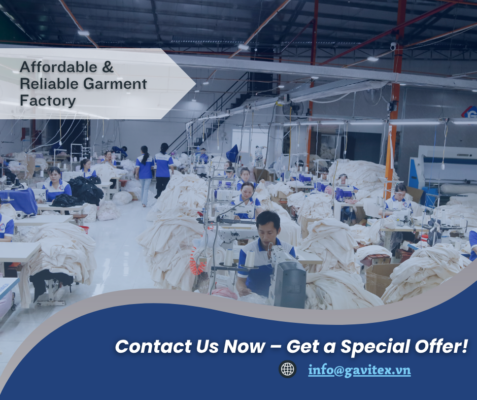
Quality Control and Ethical Considerations When Sourcing TShirts in Vietnam
When sourcing T-shirts from Vietnam, implementing robust quality control measures and adhering to ethical considerations are paramount for building a sustainable and reputable brand like overseas buyers. Ensuring top-notch product quality, respecting labor rights, and minimizing environmental impact are crucial for long-term success in the competitive garment industry, especially when working with T-shirt manufacturers in Vietnam. Focusing on ethical sourcing enhances brand image and fosters trust with consumers who increasingly value transparency and social responsibility.
Implementing a comprehensive quality control system throughout the production process is essential. This starts with rigorous inspection of raw materials, such as cotton and dyes, to ensure they meet established standards. For instance, overseas buyers can implement AQL (Acceptable Quality Limit) standards at each stage, from initial fabric inspection to final product assessment. This proactive approach helps identify and rectify defects early on, minimizing waste and ensuring consistent quality across all batches of T-shirts. Regular communication and on-site visits to the factories are critical for ensuring that quality control procedures are followed consistently.
Beyond product quality, ethical considerations play a pivotal role in responsible sourcing. This includes ensuring fair wages, safe working conditions, and compliance with labor laws for all workers involved in the manufacturing process. Conducting regular social audits, either internally or through reputable third-party organizations like WRAP (Worldwide Responsible Accredited Production) or Fair Wear Foundation, can help identify and address any potential issues. Transparency in the supply chain is also vital; overseas buyers can publicly disclose its supplier list and demonstrate its commitment to ethical sourcing practices.
Furthermore, environmental sustainability is an increasingly important aspect of ethical sourcing. Opting for eco-friendly materials, such as organic cotton or recycled polyester, reduces the environmental footprint of T-shirt production. Partnering with manufacturers who invest in water conservation, waste reduction, and energy-efficient technologies further demonstrates a commitment to sustainability. For example, overseas buyers can prioritize suppliers that have certifications like GOTS (Global Organic Textile Standard) or OEKO-TEX, which ensure environmentally friendly production processes.
Ultimately, prioritizing quality control and ethical considerations when sourcing T-shirts from Vietnam is not just about mitigating risks but also about creating a positive impact. By partnering with responsible manufacturers and implementing robust monitoring systems, overseas buyers can ensure that its products are not only of high quality but also made in a way that respects people and the planet.
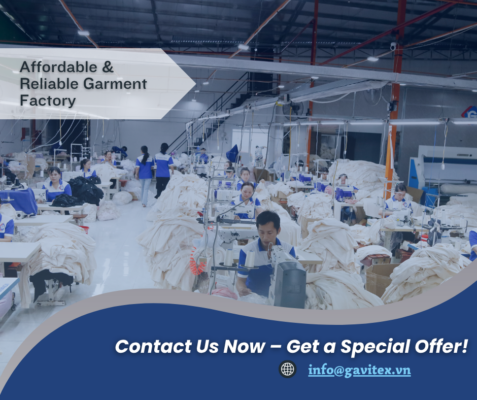
Looking for high-quality, ethically sourced T-shirts? Learn about quality control and sustainable practices in Vietnam’s garment factories.
Comparing T-Shirt Manufacturers in Vietnam: Key Factors to Consider
Choosing the right T-shirt manufacturers in Vietnam is crucial for businesses seeking high-quality apparel, competitive pricing, and reliable production. To make an informed decision, carefully evaluate several key factors that align with your specific requirements and business goals. These factors range from production capabilities and quality control to ethical considerations and communication effectiveness. This section will delve into these critical aspects, providing a framework for comparing potential partners and selecting the ideal T-shirt manufacturer for your brand, like overseas buyers.
When comparing T-shirt manufacturers, one of the first aspects to consider is their production capabilities. This includes evaluating their factory size, machinery, and the range of services they offer. A manufacturer with advanced equipment and a diverse service portfolio, such as design assistance, custom printing, and private labeling, can be a valuable asset, especially for businesses looking for a comprehensive solution. For example, some manufacturers specialize in specific fabrics like organic cotton or recycled materials, while others offer a wider variety. Therefore, understanding your specific needs regarding fabric type, printing techniques, and customization options is essential.
- Production capacity: Can the manufacturer handle your order volume and scale up as your business grows?
- Equipment and technology: Does the manufacturer use modern machinery to ensure quality and efficiency?
- Range of services: Does the manufacturer offer design, printing, labeling, and packaging services?
Quality control is another paramount consideration when comparing apparel manufacturers. Effective quality control measures ensure that the final product meets your desired standards and minimizes defects. Look for manufacturers with established quality assurance processes, including inspections at various stages of production, from fabric sourcing to finished goods. Furthermore, certifications such as ISO 9001 or WRAP can provide assurance of the manufacturer’s commitment to quality and ethical practices. Don’t hesitate to ask for samples and conduct thorough inspections to assess the quality of their workmanship and materials.
Ethical considerations are also critical. Look for manufacturers that adhere to fair labor practices and environmental standards. This can include fair wages, safe working conditions, and environmentally sustainable manufacturing processes. Choosing a manufacturer with strong ethical values can enhance your brand’s reputation and appeal to socially conscious consumers.
Effective communication and responsiveness are equally important when comparing T-shirt manufacturers in Vietnam. A manufacturer that communicates clearly, responds promptly to inquiries, and is willing to collaborate on design and production challenges can significantly streamline the sourcing process. Language barriers, time zone differences, and cultural nuances can sometimes pose challenges, so it’s essential to find a manufacturer that is proactive in addressing these potential issues. Regular updates on production progress, prompt responses to questions, and a willingness to accommodate your specific needs are all signs of a reliable and communicative partner.
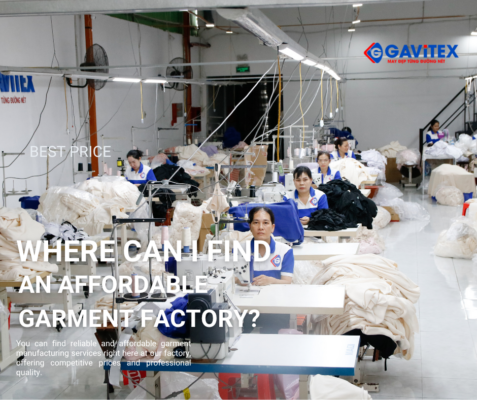
Navigating the Supply Chain: Importing T-Shirts from Vietnam
Importing t-shirts from Vietnam can be a profitable venture, but successfully navigating the supply chain requires careful planning and execution. This section serves as your guide to understanding the intricacies of international trade, ensuring a smooth and efficient process for bringing your overseas buyers t-shirts from Vietnamese manufacturers to your desired market. We’ll delve into key aspects such as customs regulations, logistics, documentation, and risk management to help you make informed decisions and avoid potential pitfalls.
Successfully importing t-shirts requires a thorough understanding of the Vietnamese export landscape. This involves identifying reliable freight forwarders, understanding Incoterms (International Commercial Terms) to clarify responsibilities for shipping costs and risks, and ensuring compliance with both Vietnamese and your country’s import regulations. Working with a manufacturer, who is experienced in exporting, can greatly simplify this process.
One crucial step is mastering the necessary documentation for importing textiles. This typically includes a commercial invoice, packing list, bill of lading (or airway bill), certificate of origin (potentially unlocking preferential tariff rates), and any required import licenses or permits specific to your destination country. Failure to provide accurate and complete documentation can lead to delays, fines, or even the seizure of your shipment. Understanding HS codes (Harmonized System codes) for t-shirts is also essential for accurate customs classification and duty calculation.
Effective supply chain management also demands careful attention to quality control at various stages. From pre-production inspections to ensure fabric and materials meet your standards, to during-production inspections to monitor manufacturing processes, and final inspections before shipment, rigorous quality checks are vital. This minimizes the risk of receiving substandard products and protects your brand reputation. overseas buyers can work with you to implement a comprehensive quality control program throughout the production and shipping process.
Finally, it’s essential to consider risk management in the import process. This involves securing cargo insurance to protect against loss or damage during transit, diversifying your supplier base to mitigate potential disruptions, and establishing clear communication channels with your manufacturer and freight forwarder to address any issues promptly. Staying informed about potential political or economic instability in Vietnam that could affect production or shipping is also a proactive measure.
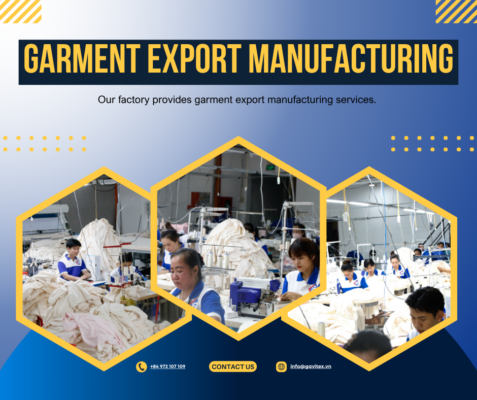
Building a Strong Relationship with Your T-Shirt Manufacturer in Vietnam
Establishing a strong relationship with your T-shirt manufacturer in Vietnam is crucial for ensuring consistent quality, timely delivery, and favorable pricing, ultimately contributing to the success of your T-shirt business. Nurturing this professional bond extends beyond mere transactions; it involves open communication, mutual respect, and a shared understanding of your brand’s vision and objectives within the dynamic landscape of garment production. This collaborative approach can mitigate potential issues, foster innovation, and secure a reliable supply chain for your T-shirt designs.
Cultivating a solid partnership with your Vietnamese manufacturer starts with clear and consistent communication. Regularly updating them on your sales forecasts, new design launches, and any shifts in your target market helps them anticipate your needs and manage their production capacity effectively. For example, providing overseas buyers’ estimated order volume for the next quarter, even if subject to change, allows the manufacturer to plan raw material procurement and allocate resources accordingly, minimizing lead times and potential bottlenecks. This proactive information sharing fosters trust and strengthens the foundation of a long-term collaborative venture.
Beyond communication, fostering mutual respect is equally vital. Recognizing the manufacturer’s expertise in T-shirt production and valuing their input can lead to improved designs, cost-effective solutions, and enhanced quality. Treat your manufacturing partner not just as a vendor, but as an extension of your team. This includes visiting their facilities, understanding their processes, and acknowledging their contributions to your brand’s success. Building personal connections with key personnel, such as the production manager or quality control supervisor, can further solidify the relationship and ensure that your concerns are addressed promptly and effectively.
Furthermore, transparent and fair pricing negotiations are essential for maintaining a healthy business relationship. While seeking competitive pricing is understandable, avoid squeezing your manufacturer to the point where they compromise on quality or ethical labor practices. Understand their cost structure, including raw material prices, labor costs, and overhead expenses. A willingness to negotiate fairly and offer reasonable profit margins ensures that your manufacturer remains motivated to deliver high-quality T-shirts consistently. Remember that a long-term partnership built on trust and fairness is more valuable than short-term gains achieved through aggressive bargaining.
Finally, consider implementing a formal feedback system. Regularly solicit input from your manufacturer on how you can improve your collaboration, streamline processes, and reduce waste. Encourage them to share their insights on market trends, new technologies, and potential areas for cost optimization. By creating a culture of continuous improvement, you can strengthen your relationship, enhance the efficiency of your T-shirt production, and achieve sustainable growth for your brand, overseas buyers.
Cost-Effective T-Shirt Production in Vietnam: Strategies and Considerations
Achieving cost-effective T-shirt production in Vietnam requires a multifaceted approach, focusing on strategic sourcing, efficient manufacturing processes, and a deep understanding of the Vietnamese market. This section will explore key strategies and considerations that businesses can leverage to minimize expenses while maintaining quality when sourcing T-shirts from Vietnam. Understanding the intricacies of the supply chain and adopting best practices can significantly impact the overall profitability of your T-shirt manufacturing venture.
To optimize costs in T-shirt manufacturing within Vietnam, businesses should consider several key strategies:
-
Material Sourcing: Vietnam offers a range of fabric options, including cotton, polyester, and blends. Sourcing materials locally, directly from reputable suppliers, can reduce transportation costs and lead times. Conducting thorough research to identify suppliers offering competitive pricing without compromising quality is crucial. Vietnam Biz Rep can assist in identifying reliable and cost-effective material sources.
-
Production Scale: Economies of scale play a significant role in cost reduction. Larger production runs typically result in lower per-unit costs. Analyzing market demand and planning production volumes accordingly can help maximize efficiency and minimize waste.
-
Factory Selection: Choosing the right T-shirt manufacturer is paramount. Factors such as factory size, production capacity, equipment, and labor costs can influence pricing. Evaluating multiple manufacturers and comparing their quotes is essential to secure the best possible deal. overseas buyers offers guidance in selecting a suitable manufacturing partner.
-
Process Optimization: Streamlining the manufacturing process can lead to significant cost savings. Implementing efficient cutting, sewing, and printing techniques, along with minimizing fabric waste, can enhance productivity and reduce overall expenses. Lean manufacturing principles can be applied to further optimize operations.
-
Negotiation: Negotiating favorable terms with manufacturers is a critical aspect of cost-effective production. Building a strong relationship with your manufacturing partner and demonstrating a clear understanding of market pricing can strengthen your negotiating position. overseas buyers can provide insights into industry pricing benchmarks.
-
Logistics and Shipping: Efficient logistics and shipping strategies are essential for minimizing transportation costs. Optimizing packaging, consolidating shipments, and selecting appropriate shipping methods can contribute to significant savings. Partnering with experienced logistics providers familiar with the Vietnamese market is recommended.
-
Quality Control: While cost is important, maintaining quality is equally crucial. Implementing rigorous quality control measures throughout the production process can prevent defects and reduce the need for rework or returns, ultimately saving costs in the long run. overseas buyers emphasizes the importance of quality assurance in T-shirt production.
-
Understanding Tariffs and Duties: Familiarize yourself with the import duties and tariffs associated with importing T-shirts from Vietnam to your target market. Planning for these costs in advance will help avoid unexpected expenses. Consider engaging a customs broker to navigate the complexities of international trade regulations.
-
Payment Terms: Negotiating favorable payment terms with your manufacturer can improve cash flow and reduce financial risk. Exploring options such as letters of credit or staged payments can provide greater flexibility.
By carefully considering these strategies, businesses can effectively manage costs and maximize profitability in T-shirt production in Vietnam, leveraging the country’s competitive advantages while ensuring high-quality products.
Vietnam Biz Rep supports overseas buyers with garment supplier search, factory verification, sample coordination, production follow-up, and quality inspection in Vietnam. Learn more on our clothing sourcing agent page or visit Vietnam sourcing agent for our full range of services. Contact Vietnam Biz Rep to discuss your sourcing requirements.
