
Wholesale markets in Vietnam are vital engines driving the nation’s economy, offering unparalleled opportunities for businesses seeking competitive sourcing and distribution channels. This comprehensive guide, categorized under vietnambizrep, delves into the dynamic landscape of Vietnam’s wholesale trade, exploring key aspects such as locating prominent wholesale hubs, understanding the nuances of pricing strategies, navigating import-export regulations, and establishing effective supplier relationships. We’ll also uncover insights into specific product categories, including agricultural products, textiles, electronics, and consumer goods, equipping you with the knowledge to thrive in this bustling market. Finally, gain access to indispensable tips for successful negotiation and avoiding common pitfalls in the Vietnamese wholesale sector, empowering you to make informed decisions and maximize your business potential in 2025.
Finding the Best Wholesale Market in Vietnam: A Comprehensive Guide for Businesses
Navigating the Vietnamese market to find the ideal wholesale market in Vietnam can be a pivotal step for businesses seeking competitive sourcing and cost-effective supply chains. This comprehensive guide aims to equip you with the necessary knowledge to identify the most suitable options based on your specific product needs, budget, and business goals. Understanding the nuances of Vietnamese wholesale markets, from their geographical locations to product specializations, is essential for successful sourcing.
Identifying the right wholesale market involves a careful assessment of several factors. First and foremost, businesses must define their product requirements. What specific goods or materials are you seeking? What are the required quantities, quality standards, and certifications? Once you have a clear understanding of your product needs, you can begin to explore the diverse landscape of Vietnamese wholesale markets. These vibrant hubs range from sprawling general merchandise centers to specialized markets focused on specific industries like textiles, footwear, agricultural products, and handicrafts.
Geographical location plays a significant role in the selection process. For example, Ho Chi Minh City is home to some of the largest and most diverse wholesale markets, such as Binh Tay Market (Cho Lon) and An Dong Market, offering a wide array of goods and catering to both domestic and international buyers. In contrast, Hanoi boasts specialized markets like Dong Xuan Market, known for its textiles and fabrics, and Long Bien Market, a major hub for fresh produce. Understanding the geographical strengths of each market can help you streamline your sourcing efforts.
Beyond location and product specialization, consider the reputation and reliability of the wholesalers operating within each market. Conducting due diligence, verifying certifications, and seeking references are crucial steps to ensure you are partnering with trustworthy suppliers. Vietnambizrep can assist in this process by providing on-the-ground support, supplier verification services, and quality control inspections.
Finally, evaluating the pricing and negotiation dynamics within each market is essential for securing competitive deals. Understanding the local customs, bargaining practices, and currency exchange rates can give you a significant advantage. The ultimate goal is to find a wholesale market that not only meets your product needs but also aligns with your budget and risk tolerance.
Top Wholesale Markets in Vietnam by Category: A Detailed Breakdown
Identifying the right wholesale market in Vietnam is crucial for businesses aiming to source products efficiently and cost-effectively. This section provides a detailed breakdown of Vietnam’s top wholesale markets, categorized by product type, helping you pinpoint the ideal locations for your sourcing needs. Understanding these categories enables businesses to make informed decisions, optimizing their supply chain and maximizing profit margins when engaging with the Vietnamese market.
Vietnam’s bustling wholesale landscape caters to a diverse range of products, from clothing and textiles to agricultural produce and consumer goods. Each market specializes in specific categories, offering a concentrated selection of suppliers and goods, which is a significant advantage for buyers. This specialization simplifies the sourcing process, allowing businesses to quickly locate and compare products, negotiate prices, and establish relationships with potential partners.
-
Textiles and Garments: Ho Chi Minh City’s Tan Binh Market (Chợ Tân Bình) stands out as a major hub for textiles, fabrics, and ready-made garments. Retailers and distributors frequent this sprawling market for its vast selection and competitive pricing. Another notable market is Ninh Hiep Textile Market (Chợ vải Ninh Hiệp) near Hanoi, renowned for its diverse fabric offerings and garment accessories.
-
Agricultural Products: For fresh produce, seafood, and agricultural commodities, Binh Dien Market (Chợ Bình Điền) in Ho Chi Minh City is the largest wholesale market in the country. This market operates primarily at night and in the early morning, offering a wide array of fruits, vegetables, and seafood sourced from across Vietnam. Similarly, Long Bien Market (Chợ Long Biên) in Hanoi serves as a key distribution center for agricultural products in the northern region.
-
Footwear: Ho Chi Minh City’s Binh Tay Market (Chợ Bình Tây), also known as Cholon, features a substantial section dedicated to footwear. Wholesalers here offer a variety of shoes, sandals, and slippers at competitive prices. Other markets like Dong Xuan Market (Chợ Đồng Xuân) in Hanoi also have smaller footwear sections catering to local demand.
-
Consumer Goods: Dong Xuan Market in Hanoi is a comprehensive wholesale market for a wide array of consumer goods, including household items, electronics, and toys. This market is particularly popular among retailers sourcing goods for local consumption. Likewise, Kim Bien Market (Chợ Kim Biên) in Ho Chi Minh City is known for its chemicals, industrial supplies, and certain consumer goods.
-
Handicrafts and Souvenirs: Hanoi’s Hang Da Market (Chợ Hàng Da) specializes in handicrafts, souvenirs, and traditional Vietnamese products. This market caters to tourists and retailers seeking unique, locally-made items. In Ho Chi Minh City, smaller sections within Ben Thanh Market and other markets also offer handicrafts.
-
Electronics: While not strictly a single market, Nhat Tao Street (Đường Nhật Tảo) in Ho Chi Minh City functions as a major hub for electronics components, used electronics, and repair services. Businesses seeking electronic parts and components often source from this area.
Want to know where to find specific products? Explore a detailed breakdown of top wholesale markets in Vietnam by category to streamline your sourcing.
Navigating Vietnamese Wholesale Markets: Essential Tips for Foreign Buyers
Navigating the vibrant Vietnamese wholesale markets can be a rewarding yet challenging experience for foreign buyers. To effectively source products and establish successful partnerships within the wholesale market in Vietnam, it’s crucial to equip yourself with essential knowledge and strategies. This section provides key insights to help foreign businesses thrive in this dynamic environment.
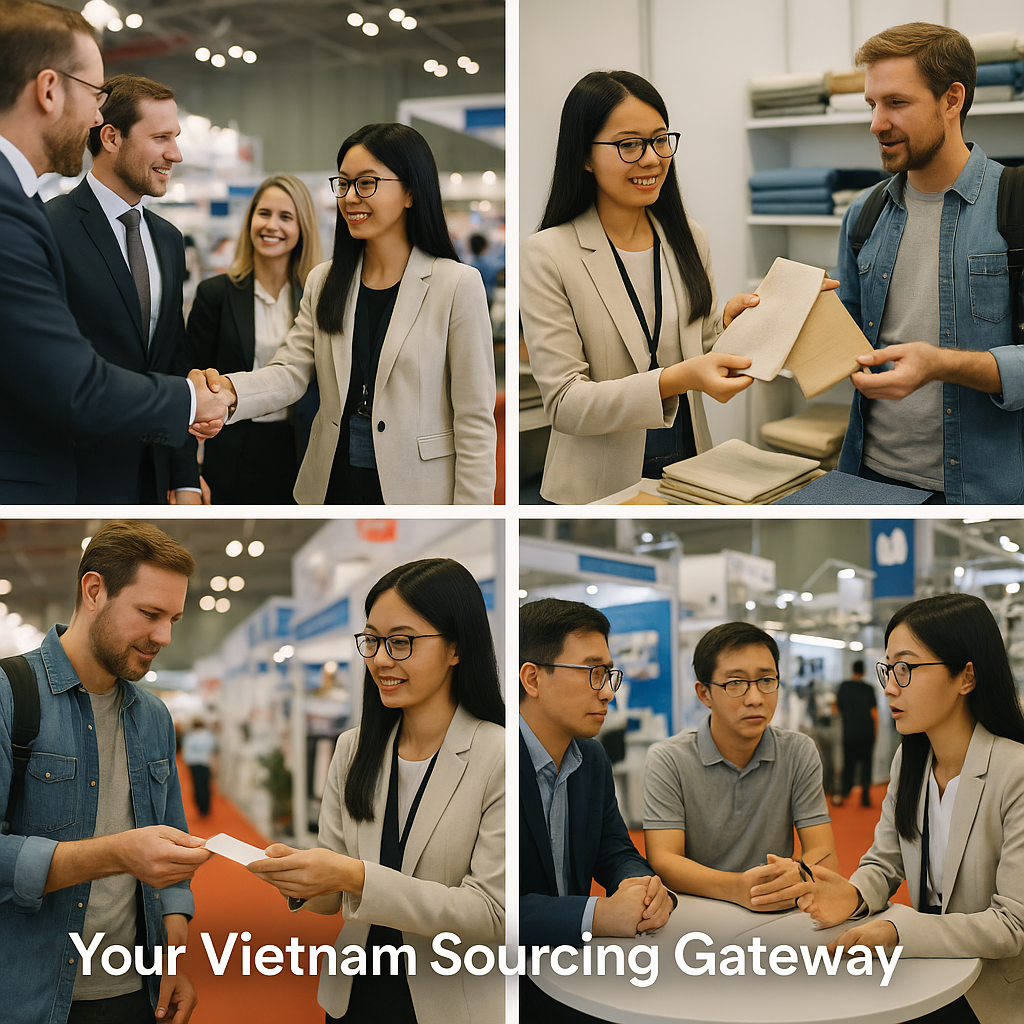
Understanding cultural nuances is paramount when interacting with Vietnamese wholesalers. For example, saving face (“giữ thể diện”) is a significant aspect of Vietnamese culture, so avoid direct confrontation or criticism. Instead, approach disagreements with diplomacy and respect. Furthermore, building rapport often involves small gestures of goodwill, such as offering a business card with both hands and engaging in polite conversation before diving into business matters. Understanding these nuances builds trust, a crucial element for long-term success in Vietnamese business dealings.
Effective communication is another crucial aspect. While some wholesalers may speak English, having a translator or learning basic Vietnamese phrases can significantly improve interactions. Prepare clear and concise product specifications, including details on quality, quantity, and desired pricing. Utilizing visual aids, such as product photos or samples, can further minimize misunderstandings. Beyond language, be mindful of communication styles; Vietnamese business culture often favors indirect communication, so pay attention to non-verbal cues and read between the lines.
Before visiting a wholesale market, thorough preparation is key. Research potential suppliers online or through industry contacts to identify those offering products that match your needs. Develop a detailed itinerary, including a list of target vendors, specific product requirements, and a budget. Carry sufficient cash in Vietnamese Dong (VND), as many vendors prefer cash transactions. Also, be prepared for crowded and bustling environments, so prioritize safety and security by keeping valuables secure and being aware of your surroundings. Before your trip, you can find and connect with many Vietnamese wholesalers through Vietnambizrep.
Finally, embrace patience and flexibility. Sourcing from wholesale markets in Vietnam often involves a learning curve, and unexpected challenges may arise. Be prepared to adjust your plans, adapt to local customs, and cultivate strong relationships with your suppliers. This will lead to positive outcomes for your business.
New to Vietnamese wholesale? Learn essential tips for navigating Vietnamese wholesale markets and avoid common pitfalls as a foreign buyer.
Pricing and Negotiation Strategies in Vietnamese Wholesale Markets
Navigating the vibrant landscape of Vietnamese wholesale markets requires more than just a keen eye for quality goods; mastering pricing and negotiation strategies is crucial for securing profitable deals. Understanding the local market dynamics, cultural nuances, and effective bargaining techniques can significantly impact your bottom line when sourcing products from Vietnam. This section will delve into proven methods to help businesses, especially foreign buyers, thrive in the competitive environment of wholesale trading in Vietnam.
Understanding the Pricing Landscape in Vietnam:
Before entering any negotiation, it’s essential to conduct thorough market research to grasp the prevailing pricing structures. Prices in Vietnamese wholesale markets are influenced by various factors, including seasonal availability, product origin (local vs. imported), and the quantity being purchased. Moreover, the relationship between the seller and buyer plays a significant role, with established customers often receiving preferential rates. Gathering information on average prices through online platforms, industry contacts, and even discreet inquiries at the market itself can provide a solid benchmark for evaluating offers. Remember that displayed prices are often starting points, leaving room for negotiation, especially for bulk orders.
Effective Negotiation Tactics:
- Building Rapport: Establishing a friendly and respectful relationship with the vendor can go a long way. Engage in polite conversation, show genuine interest in their business, and learn a few basic Vietnamese phrases. This helps foster trust and demonstrates your commitment to a mutually beneficial transaction.
- Highlighting Quantity and Long-Term Potential: Emphasize the volume of your order and the potential for future business. Vendors are more likely to offer discounts for large orders or the prospect of a lasting partnership.
- Anchoring and Counter-Offering: Begin with a lower initial offer than your target price (anchoring), but be realistic to avoid alienating the vendor. Be prepared to justify your offer with market data or comparisons. Always counter-offer rather than simply rejecting the vendor’s initial price.
- Leveraging Competition: If possible, obtain quotes from multiple vendors. Inform the current vendor that you are considering other options, which can create a sense of urgency and encourage them to offer a more competitive price.
- Payment Terms: Negotiate favorable payment terms, such as a deposit followed by installments or delayed payment options, to improve your cash flow.
Cultural Considerations in Negotiation:
Vietnamese business culture places a strong emphasis on face (saving face) and maintaining harmonious relationships. Avoid being overly aggressive or confrontational during negotiations. Express disagreement politely and respectfully. It’s also customary to offer a small gift or gesture of appreciation to build goodwill. Patience is key; negotiations may take time, so avoid rushing the process.
Utilizing Data and Information:
- Market Research: Continuous monitoring of market trends, supply and demand fluctuations, and competitor pricing is crucial for informed negotiation.
- Supplier Information: Understanding a supplier’s background, production capacity, and cost structure can provide leverage in negotiations.
- Negotiation Log: Maintaining a detailed record of past negotiations, including prices, terms, and vendor information, can help you refine your strategies and track your progress.
Checklist: Preparing for Negotiation:
- Define your target price and acceptable range.
- Research prevailing market prices.
- Identify alternative suppliers.
- Prepare supporting data and documentation.
- Develop a negotiation strategy.
By diligently implementing these strategies and understanding the nuances of Vietnamese wholesale markets, businesses can effectively negotiate favorable prices and build strong, long-term relationships with suppliers, ultimately contributing to their success in Vietnambizrep.
Legal Considerations for Wholesale Trading in Vietnam: A Compliance Checklist
Navigating the legal landscape is crucial for businesses engaging in wholesale trading in Vietnam. Understanding and adhering to Vietnamese laws and regulations is paramount to avoid penalties and ensure smooth operations within the wholesale market in Vietnam. This section provides a comprehensive checklist of the key legal considerations for foreign buyers and businesses involved in wholesale activities.
1. Business Registration and Licensing:
Foreign companies intending to conduct wholesale trade in Vietnam must first establish a legal entity, typically a Limited Liability Company (LLC) or a Joint Venture.
- Investment Registration Certificate (IRC): Required for all foreign investment projects, outlining the scope and objectives of the investment.
- Enterprise Registration Certificate (ERC): Serves as proof of business registration and includes essential information such as the company’s name, registered address, legal representative, and business lines. Make sure the wholesale activity is registered under the business lines.
- Trading License: For specific goods and services such as liquor, tobacco, and certain chemicals, a trading license is mandatory.
- Sub-licenses: Depending on the specific goods traded, sub-licenses related to food safety, hygiene standards, or environmental protection might be necessary.
2. Import and Export Regulations:
Complying with Vietnamese import and export regulations is essential for the smooth flow of goods.
- Customs Procedures: Understand and adhere to customs procedures, including declaration, inspection, and valuation of goods. Accurate documentation is critical to avoid delays and penalties.
- Import Duties and Taxes: Be aware of import duties, value-added tax (VAT), and special consumption tax (if applicable) on imported goods. Ensure correct calculation and payment of these taxes.
- Export Procedures: Understand the requirements for exporting goods from Vietnam, including documentation, customs clearance, and potential export duties or taxes.
- Certificate of Origin (C/O): Obtain the necessary C/Os to take advantage of preferential tariffs under Free Trade Agreements (FTAs) between Vietnam and other countries.
3. Contract Law and Commercial Agreements:
Drafting and executing legally sound commercial agreements is vital for securing transactions and mitigating risks.
- Vietnamese Contract Law: Familiarize yourself with the principles of Vietnamese contract law, including offer, acceptance, consideration, and enforceability.
- Written Contracts: Always use written contracts specifying the terms and conditions of sale, including price, quantity, quality, delivery terms, payment terms, and dispute resolution mechanisms.
- Force Majeure Clause: Include a force majeure clause to protect your business in the event of unforeseen circumstances such as natural disasters or government regulations.
- Dispute Resolution: Specify a dispute resolution mechanism in the contract, such as arbitration or litigation, and choose a jurisdiction that is favorable to your business.
4. Intellectual Property Rights:
Protecting your intellectual property (IP) is critical when wholesale trading in Vietnam.
- Trademark Registration: Register your trademarks in Vietnam to prevent others from using or infringing upon your brand.
- Patent Protection: If you are importing or exporting patented products, ensure that you have the necessary licenses or rights to do so in Vietnam.
- Copyright Protection: Protect your copyrighted materials, such as product designs and marketing materials, from unauthorized reproduction or distribution.
- Anti-Counterfeiting Measures: Implement measures to combat the sale of counterfeit goods, which are prevalent in some Vietnamese wholesale markets.
5. Labor Laws and Employment Regulations:
If you are employing staff in Vietnam for your wholesale operations, you must comply with Vietnamese labor laws.
- Employment Contracts: Use written employment contracts that comply with Vietnamese labor law, specifying the terms of employment, salary, benefits, and termination procedures.
- Social Insurance: Register your employees for social insurance, health insurance, and unemployment insurance, and make the required contributions.
- Working Conditions: Ensure that your workplace meets Vietnamese standards for safety, hygiene, and working conditions.
- Minimum Wage: Pay your employees at least the minimum wage prescribed by the Vietnamese government.
6. Competition Law:
Avoid anti-competitive practices such as price-fixing, bid-rigging, and abuse of dominant market position.
- Fair Competition: Ensure that your business practices are fair and do not restrict competition in the wholesale market.
- Market Dominance: Be aware of the rules regarding market dominance and avoid actions that could be construed as an abuse of dominant position.
- Mergers and Acquisitions: If you are considering a merger or acquisition, you may need to obtain approval from the Vietnamese competition authority.
7. Tax Compliance:
Ensure full compliance with Vietnamese tax laws to avoid penalties and legal issues.
- Corporate Income Tax (CIT): Pay corporate income tax on your profits from wholesale trading activities.
- Value Added Tax (VAT): Charge and collect value-added tax (VAT) on your sales, and remit it to the tax authorities.
- Personal Income Tax (PIT): Withhold and remit personal income tax (PIT) from your employees’ salaries.
- Transfer Pricing: Comply with transfer pricing regulations if you are conducting transactions with related parties.
This checklist provides a foundational understanding of the legal considerations involved in wholesale trading in Vietnam. It’s highly recommended to consult with legal professionals specializing in Vietnamese law to ensure full compliance and to navigate the complexities of the regulatory environment effectively, safeguarding your business interests when participating in the wholesale market in vietnam.
Beyond the Market: Sourcing Alternatives and Supply Chain Optimization in Vietnam
While wholesale markets in Vietnam offer a vibrant and often cost-effective avenue for sourcing goods, businesses should also explore alternative sourcing strategies and supply chain optimization to enhance efficiency and resilience. Diversifying your sourcing options beyond traditional markets provides greater control over quality, pricing, and lead times, while optimizing your supply chain minimizes disruptions and maximizes profitability within Vietnam’s dynamic business environment.
One prominent alternative is direct sourcing from Vietnamese manufacturers. Bypassing intermediaries like wholesale vendors can lead to significant cost savings and improved product quality control. For instance, a clothing retailer might collaborate directly with a garment factory in Ho Chi Minh City to customize designs and ensure ethical production practices. This direct engagement fosters stronger relationships and allows for greater transparency throughout the supply chain.
Another approach is leveraging online B2B platforms. Websites like Alibaba, Global Sources, and increasingly, platforms specific to Vietnam, connect buyers with suppliers across various industries. While due diligence is crucial to vet potential partners, these platforms offer access to a wider range of products and manufacturers than might be found in traditional wholesale markets. Furthermore, these platforms often provide tools for managing orders, tracking shipments, and facilitating communication, streamlining the sourcing process.
Supply chain optimization is another critical element. Businesses should invest in technologies and strategies that improve forecasting, inventory management, and logistics. For example, implementing a robust Enterprise Resource Planning (ERP) system can provide real-time visibility into inventory levels, order status, and delivery schedules. This enables businesses to make data-driven decisions, reduce waste, and respond quickly to changing market demands. Efficient logistics, encompassing transportation, warehousing, and customs clearance, are paramount. Consider partnering with a reputable freight forwarder experienced in Vietnamese import/export regulations to ensure timely and cost-effective delivery of goods.
Here are some strategies for supply chain optimization:
- Demand Forecasting: Utilize data analytics to predict future demand and avoid stockouts or overstocking.
- Inventory Management: Implement Just-in-Time (JIT) inventory management to minimize holding costs.
- Logistics Optimization: Streamline transportation routes and warehousing processes.
- Supplier Relationship Management: Foster strong relationships with key suppliers to ensure reliable supply and favorable terms.
- Technology Adoption: Leverage ERP systems, supply chain management (SCM) software, and other technologies to improve visibility and efficiency.
Finally, consider engaging with local sourcing agents or consultants like vietnambizrep. These experts possess in-depth knowledge of the Vietnamese market, including industry-specific nuances, regulatory requirements, and potential suppliers. They can help navigate the complexities of sourcing in Vietnam, identify reliable partners, and negotiate favorable terms, ultimately optimizing your supply chain and ensuring long-term success.
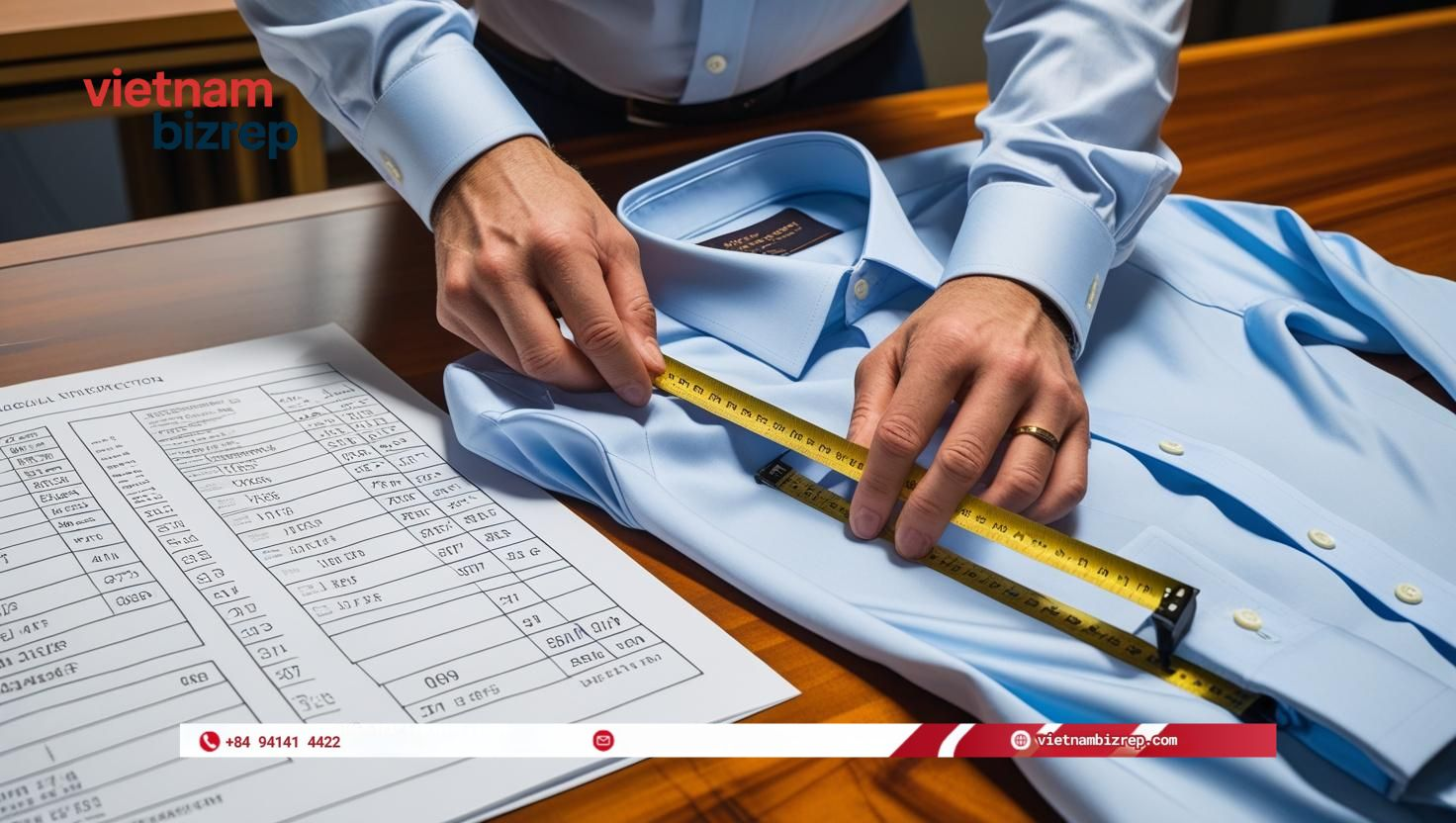
Tired of the market hustle? Explore alternative sourcing methods and optimize your supply chain in Vietnam for greater efficiency.
Building Relationships with Vietnamese Wholesalers: Key to Long-Term Success in Vietnambizrep
Cultivating strong relationships with Vietnamese wholesalers is paramount for any business seeking long-term success in Vietnam’s dynamic marketplace, and Vietnambizrep can guide you through the process. These relationships extend beyond simple transactions, evolving into strategic partnerships that can unlock opportunities for better pricing, improved product quality, and access to valuable market insights within the wholesale market in Vietnam. By prioritizing trust, clear communication, and a commitment to mutual benefit, businesses can forge lasting alliances with Vietnamese suppliers, laying the foundation for sustainable growth.
Here’s why relationship building is crucial and how to approach it effectively:
- Building Trust is Essential: In Vietnamese business culture, trust is the cornerstone of any successful partnership. Invest time in getting to know your wholesalers personally, demonstrating your reliability, and honoring your commitments. Small gestures, such as sharing a meal or exchanging gifts during Tet (Lunar New Year), can go a long way in building rapport and establishing a strong foundation of trust.
- Communicate Clearly and Respectfully: Effective communication is crucial for avoiding misunderstandings and ensuring smooth transactions. Be clear and concise in your instructions, provide detailed specifications, and be responsive to inquiries. Moreover, demonstrate respect for Vietnamese culture by learning basic phrases, being mindful of cultural nuances, and avoiding confrontational language.
- Demonstrate Long-Term Commitment: Vietnamese wholesalers are more likely to invest in relationships with partners who demonstrate a long-term commitment to the Vietnamese market. This can be achieved by regularly placing orders, exploring opportunities for joint ventures, and investing in local communities. By showing that you’re in it for the long haul, you can build stronger, more reliable partnerships.
- Understanding “face” is important: Maintain harmony and avoid causing “loss of face” (Mất mặt) for your Vietnamese counterparts. Disagreements should be handled privately and diplomatically. Never criticize or publicly humiliate a partner, as this can severely damage the relationship and your reputation.
- Be Patient and Persistent: Building strong relationships takes time and effort. Don’t expect to see results overnight. Be patient, persistent, and willing to invest in the relationship over the long term. Attend industry events, visit your wholesalers’ facilities, and stay in regular contact.
By prioritizing relationship building, businesses can gain a significant competitive advantage in the Vietnamese wholesale market. A strong network of trusted suppliers can provide access to better products, lower prices, and valuable market insights, ultimately leading to greater success and profitability for Vietnambizrep’s clients.
Vietnam Biz Rep helps overseas buyers find suppliers, verify factories, coordinate samples, inspect goods, and follow up production in Vietnam. Learn more about our Vietnam sourcing agent services or contact us to discuss your sourcing requirements.
For a broader view of B2B sourcing platforms and marketplaces operating in Vietnam, see our Vietnam B2B marketplace guide.
