

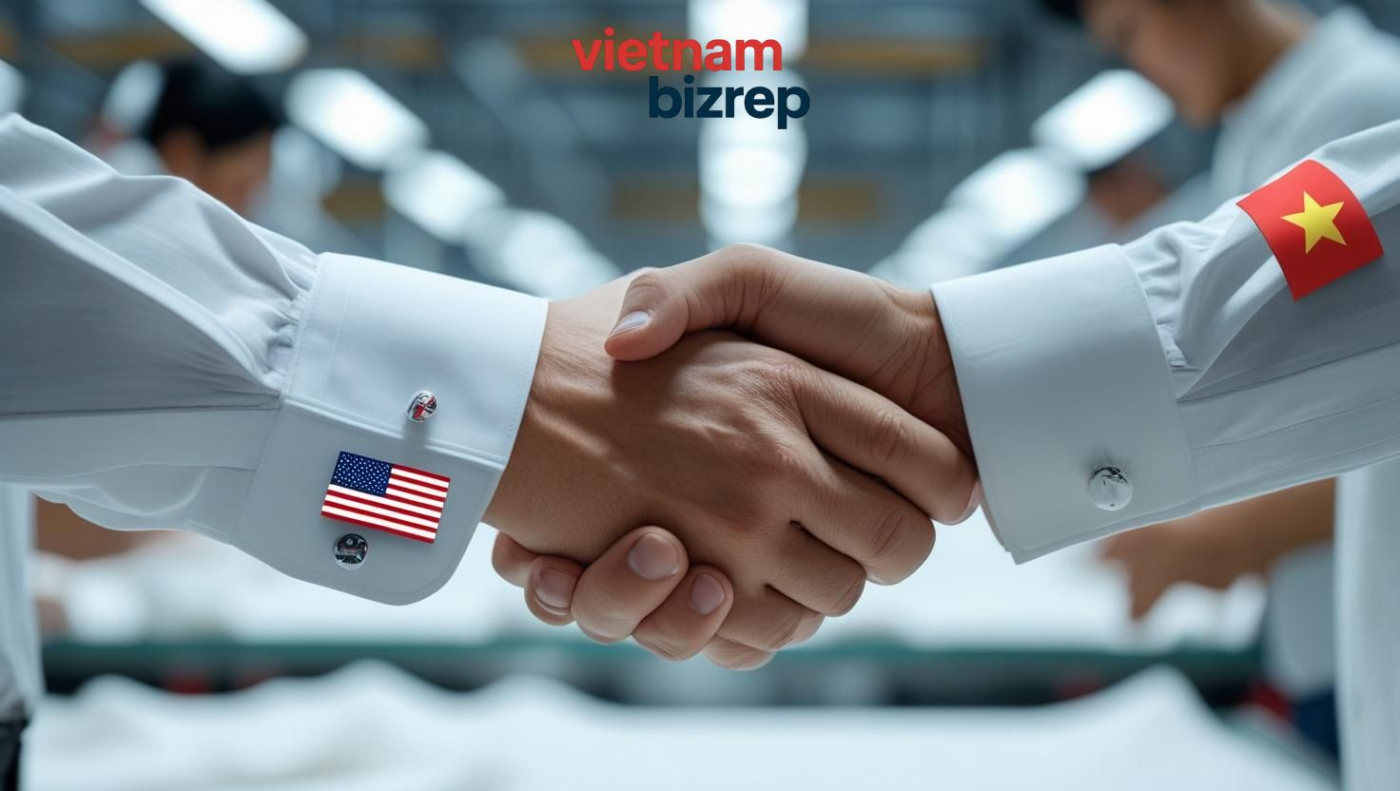
Unlocking the potential of sourcing high-quality apparel starts with identifying the right T-Shirt Manufacturer Vietnam, a crucial decision for businesses seeking competitive pricing and reliable production. This guide delves into the intricacies of the Vietnamese apparel market, exploring factors like manufacturing capacity, fabric sourcing, and quality control processes that define leading suppliers. We’ll also navigate the complexities of export regulations, compliance standards, and communication best practices essential for successful partnerships. As part of the vietnambizrep series, this article offers a data-driven analysis to help you make informed decisions in selecting a Vietnam-based t-shirt production partner in 2025.
Assessing Your T-Shirt Manufacturing Needs: Defining Your Ideal Partnership
Before embarking on the journey of finding the perfect t-shirt manufacturer Vietnam, it’s crucial to thoroughly assess your specific needs and define the characteristics of your ideal partner. This strategic self-evaluation process lays the foundation for a successful and mutually beneficial collaboration. Understanding your own requirements regarding production scale, material preferences, design complexity, budget constraints, and turnaround time is paramount to identifying a Vietnamese manufacturer that aligns perfectly with your vision and business goals.
-
Quantity and Scale: Small Batch vs. Large Volume: Your production volume is a primary determinant. Are you seeking a small batch manufacturer for niche designs or a large volume producer for mass-market appeal? Vietnamese manufacturers cater to diverse scales, so clarity here is key. For example, a startup might prioritize flexibility and lower minimums, while an established brand requires consistent large-scale output.
-
Fabric and Material Preferences: Define your desired materials. Do you require cotton, polyester, blends, or sustainable options like organic cotton or recycled materials? Vietnam has a robust textile industry, but specialization varies. Knowing your fabric preferences upfront ensures the manufacturer possesses the necessary sourcing and handling capabilities. Consider specifying GSM (grams per square meter) for desired fabric weight and feel.
-
Design Complexity and Customization: Determine the level of design complexity you require. Do you need basic printing, intricate embroidery, or special finishes like tie-dye or garment washing? Certain manufacturers specialize in specific techniques, so matching your design needs to their expertise is essential. Prepare detailed design specifications, including artwork files, Pantone colors, and placement instructions.
-
Budget and Pricing Considerations: Establish a clear target cost per unit. Understanding your budget limitations will help you narrow down potential manufacturers and negotiate pricing effectively. Remember that price often reflects quality, so balance cost considerations with your desired quality standards. Obtain quotes from multiple suppliers to compare pricing and assess value.
-
Turnaround Time and Lead Times: Define your required turnaround time and lead times. Can the manufacturer meet your production schedule? Consider factors like sample development, production time, and shipping logistics. Discuss deadlines explicitly and ensure the manufacturer can realistically commit to them. A buffer is always a good idea to account for unforeseen delays.
By meticulously evaluating these factors, you empower vietnambizrep to identify a t-shirt manufacturer Vietnam that is not just a supplier, but a true partner in bringing your apparel vision to life. This groundwork sets the stage for a fruitful and enduring business relationship.

Top Qualities to Look for in a Vietnamese T-Shirt Manufacturer
When sourcing t-shirt manufacturer Vietnam, identifying the right partner is crucial for ensuring product quality, timely delivery, and overall business success. Selecting a suitable garment factory requires careful consideration of several key attributes that align with your brand’s values and production needs. From experience and capacity to quality control and ethical practices, these factors play a significant role in establishing a successful and sustainable manufacturing partnership.
Experience and Expertise: A proven track record in t-shirt manufacturing is paramount. Look for manufacturers who possess extensive experience in producing a wide range of t-shirt styles, fabrics, and printing techniques. This includes understanding different stitching methods, pattern making, and garment finishing. A manufacturer with a solid history demonstrates their ability to handle complex projects and consistently deliver high-quality products. VietnamBizRep can assist in verifying the experience and expertise of potential partners through comprehensive background checks and factory visits.
Production Capacity and Capabilities: Assess whether the garment manufacturer has the capacity to meet your demand, both in terms of quantity and production speed. Inquire about their equipment, workforce, and manufacturing processes to ensure they can handle your order volume within your required timeframe. For example, a manufacturer with multiple production lines and a skilled workforce is better equipped to handle large orders efficiently. Confirming their ability to scale production as your business grows is also crucial for a long-term partnership.
Quality Control and Assurance: Ensuring consistent standards is non-negotiable. A reliable clothing manufacturer should have a robust quality control system in place, covering all stages of production from fabric sourcing to final inspection. This includes procedures for checking fabric quality, printing accuracy, stitching precision, and overall garment construction. Ask about their quality control certifications and inspection protocols. Furthermore, clarify their process for handling defects and returns to minimize potential losses.
Communication and Responsiveness: Seamless collaboration is essential for a smooth manufacturing process. The best t-shirt manufacturers in Vietnam prioritize clear and timely communication, responding promptly to inquiries, providing regular updates on production progress, and addressing concerns effectively. Assess their communication skills and responsiveness during the initial stages of engagement to gauge their commitment to customer service. Look for manufacturers who have English-speaking staff or are willing to work with translators to avoid misunderstandings.
Ethical and Sustainable Practices: Demonstrating social responsibility is increasingly important for brands and consumers alike. Choose a textile manufacturer that adheres to ethical labor standards, ensuring fair wages, safe working conditions, and respect for worker rights. Additionally, consider their commitment to sustainable practices, such as using eco-friendly materials, reducing waste, and minimizing their environmental impact. Certifications like WRAP, BSCI, and Oeko-Tex are indicators of a manufacturer’s commitment to ethical and sustainable practices.
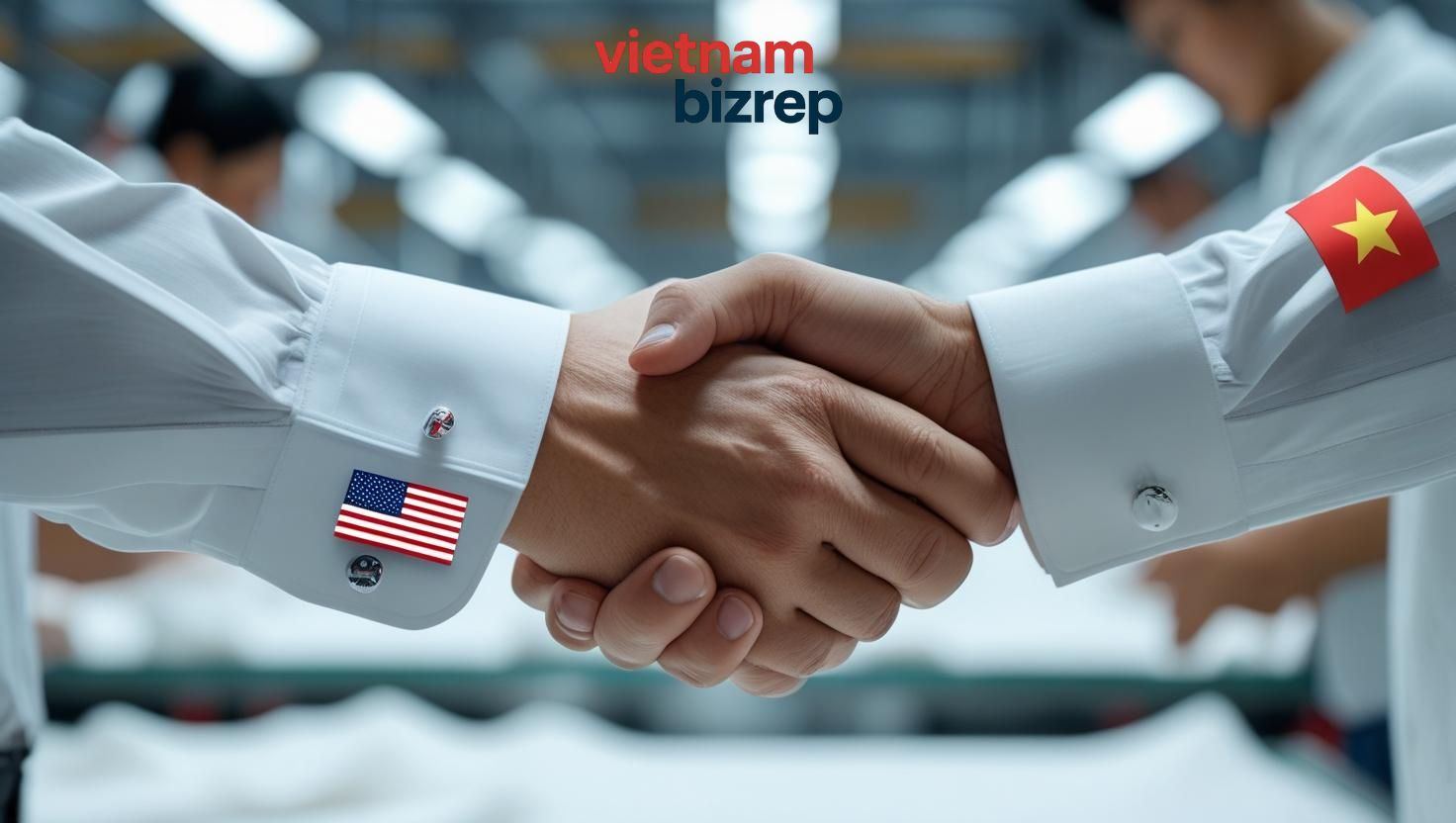
Navigating the Vietnamese T-shirt manufacturing landscape requires understanding the geographical distribution of factories and their respective specializations, optimizing your search for the ideal t-shirt manufacturer Vietnam. Different regions offer distinct advantages in terms of production capacity, cost-effectiveness, and expertise, making it crucial to identify the areas that best align with your specific needs. By exploring the key regions and their strengths, businesses can make informed decisions and forge successful partnerships with Vietnamese garment manufacturers.
Ho Chi Minh City: A Hub for Garment Production and Export
Ho Chi Minh City, the economic center of Vietnam, stands as a prominent hub for garment production and export. This bustling metropolis boasts a high concentration of garment factories, ranging from small-scale workshops to large-scale enterprises. The city’s well-established infrastructure, including major ports and transportation networks, facilitates efficient export operations. Ho Chi Minh City’s garment sector is known for its versatility, catering to a wide range of apparel products, including t-shirts, and offering diverse services from design and sampling to mass production and quality control.
Binh Duong Province: Industrial Parks and Large-Scale Factories
Adjacent to Ho Chi Minh City, Binh Duong Province has emerged as a significant manufacturing center, characterized by its industrial parks and large-scale factories. These industrial parks provide a conducive environment for garment manufacturing, offering modern facilities, streamlined customs procedures, and access to a skilled workforce. Binh Duong’s factories often specialize in high-volume production, making it an attractive destination for businesses seeking economies of scale. The province’s strategic location and connectivity to major transportation routes further enhance its appeal as a garment manufacturing hub.
Dong Nai Province: Emerging Manufacturing Center
Dong Nai Province, another key manufacturing region in southern Vietnam, is rapidly developing as an emerging manufacturing center for the garment industry. With increasing investments in infrastructure and industrial development, Dong Nai offers a cost-competitive alternative to Ho Chi Minh City and Binh Duong. The province is attracting both domestic and foreign garment manufacturers, fostering a diverse and dynamic production environment. Dong Nai’s growing workforce and improving logistics are contributing to its rising prominence in the Vietnamese garment sector.
Understanding Regional Strengths and Specialties
Choosing the right region involves evaluating specific strengths.
- Ho Chi Minh City excels in design capabilities and caters to diverse order sizes.
- Binh Duong is ideal for large-scale, cost-effective production runs.
- Dong Nai offers a balance of cost and developing infrastructure.
Understanding the regional strengths allows you to select a t-shirt manufacturer Vietnam that aligns with your requirements.
Due Diligence: Verifying a Vietnamese T-Shirt Manufacturer’s Credentials
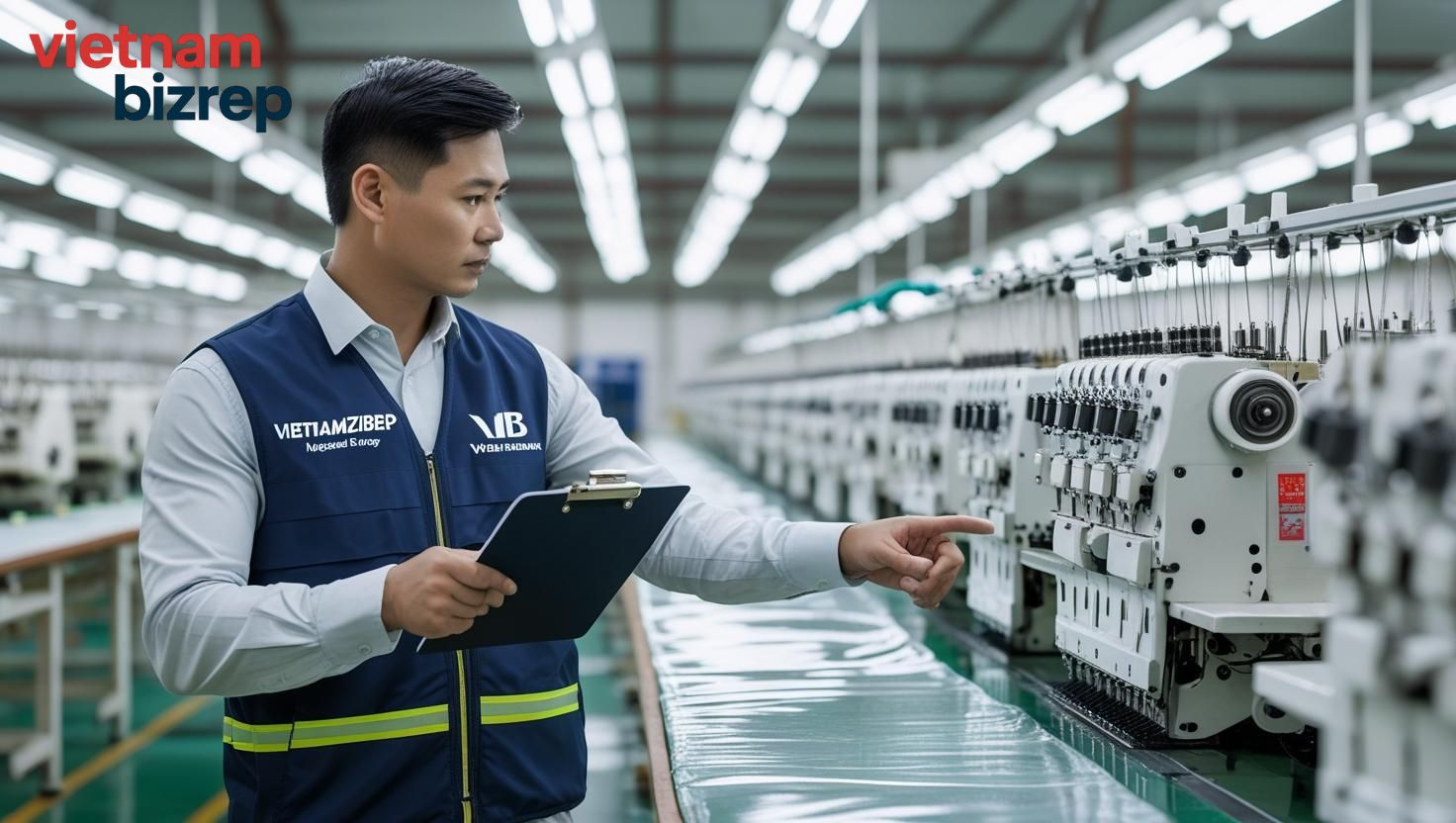
Before entering a partnership with a t-shirt manufacturer in Vietnam, thorough due diligence is paramount to protect your business interests. Verifying a potential partner’s credentials ensures they possess the legitimacy, capacity, and commitment to quality required for a successful, long-term relationship. This process involves scrutinizing their legal standing, production capabilities, quality control measures, and reputation within the industry.
Conducting thorough due diligence involves examining several key aspects of the Vietnamese t-shirt manufacturer:
-
Business License and Legal Compliance: A valid business license is the first step in verifying a manufacturer’s legitimacy. Ensure the company is legally registered and authorized to conduct garment manufacturing and export activities in Vietnam. This includes checking for any past legal issues or violations that could impact their operations and your supply chain.
-
Factory Audits and Certifications: Request recent audit reports from reputable third-party organizations. These audits assess the factory’s compliance with labor laws, environmental regulations, and quality standards. Common certifications to look for include ISO 9001 for quality management, SA8000 for social accountability, and WRAP for ethical manufacturing practices.
-
References and Testimonials: Seek references from previous clients who have worked with the manufacturer on similar projects. Contact these references to inquire about their experience regarding product quality, communication, turnaround time, and overall satisfaction. Positive testimonials and a strong track record are indicators of a reliable and reputable partner.
-
Understanding Local Laws and Regulations: Familiarize yourself with relevant Vietnamese laws and regulations pertaining to garment manufacturing, labor, and export. This knowledge empowers you to assess the manufacturer’s compliance and identify any potential risks. Partnering with a manufacturer that adheres to local regulations minimizes legal liabilities and promotes ethical sourcing.

Communication Strategies: Bridging the Language and Cultural Gap
Successfully navigating the Vietnamese t-shirt manufacturing landscape requires more than just identifying the right supplier; it demands effective communication strategies to bridge both language and cultural differences. For businesses like vietnambizrep looking to source quality apparel from Vietnam, mastering these communication nuances is crucial for fostering strong relationships and ensuring smooth production processes. This section outlines key approaches to overcome potential communication barriers and build lasting partnerships with your Vietnamese t shirt manufacturer Vietnam.
Clear and concise communication is paramount when working with any international partner, and Vietnamese garment manufacturers are no exception. Employing straightforward language, avoiding jargon or overly complex phrasing, ensures that your instructions and expectations are easily understood. Detailed tech packs, clear specifications, and visual aids can further minimize ambiguity. Consider using bullet points, numbering systems, and diagrams to present information in an easily digestible format. Confirm understanding by requesting feedback and clarification on key points. This proactive approach helps to prevent misunderstandings and potential errors during the t shirt manufacturing process.
Utilizing Translators or Bilingual Staff
When direct communication proves challenging, leveraging the expertise of translators or bilingual staff can significantly improve understanding and facilitate seamless interactions. A skilled translator ensures accurate interpretation of verbal and written communication, minimizing the risk of misinterpretations that can lead to costly errors or delays in production. Companies like vietnambizrep should consider hiring bilingual employees or partnering with reputable translation services that possess industry-specific knowledge. This investment in communication support demonstrates commitment and facilitates efficient collaboration with your t shirt manufacturer Vietnam.
Understanding Vietnamese Business Etiquette
Beyond language proficiency, understanding Vietnamese business etiquette is critical for building trust and fostering positive relationships. Respect for seniority is a fundamental aspect of Vietnamese culture, so addressing senior management with appropriate titles and deference is essential. Business cards should be exchanged with both hands as a sign of respect. Punctuality is valued, and meetings should be scheduled in advance. Understanding these cultural nuances allows companies like vietnambizrep to demonstrate cultural sensitivity and build rapport with their t shirt manufacturer Vietnam, paving the way for long-term, mutually beneficial partnerships.

Don’t let communication barriers hinder your success. Discover proven strategies for effective communication with English-speaking manufacturers in Vietnam.
Import and Export Regulations: Understanding the Logistics
Navigating the intricate landscape of import and export regulations is crucial for any business aiming to source t-shirts from Vietnam. Understanding these logistics ensures a smooth, cost-effective, and compliant supply chain, minimizing potential delays and financial penalties. Mastering this aspect is vital for businesses seeking reliable t shirt manufacturer Vietnam.
Customs Procedures and Documentation
Successfully importing t-shirts from Vietnam requires meticulous attention to customs procedures. This involves preparing and submitting accurate documentation, including commercial invoices, packing lists, bills of lading (or airway bills for air freight), certificates of origin (C/O) to claim preferential tariff treatment, and any permits required for specific materials or treatments used in the t-shirts. It’s vital to work closely with your Vietnamese t shirt manufacturer to ensure all information is accurate and consistent across all documents. Inaccurate or incomplete paperwork can lead to delays, fines, and even seizure of goods.
Shipping and Transportation Options
Choosing the right shipping and transportation options is a critical decision, balancing speed and cost. Sea freight is generally the most economical option for large volumes of t-shirts, while air freight offers faster delivery times for smaller orders or when time is of the essence. Consider factors like transit time, port congestion, handling fees, and insurance costs when evaluating different carriers and routes. Also explore incoterms (International Commercial Terms) like FOB (Free On Board) or CIF (Cost, Insurance, and Freight) to clearly define responsibilities and costs between you and the t-shirt manufacturer.
Tariffs and Trade Agreements
Tariffs and trade agreements significantly impact the overall cost of importing t-shirts from Vietnam. The Comprehensive and Progressive Agreement for Trans-Pacific Partnership (CPTPP) and the EU-Vietnam Free Trade Agreement (EVFTA) are two key agreements that offer reduced or eliminated tariffs for eligible goods. Understanding these agreements and ensuring your t-shirts meet the rules of origin requirements can lead to significant cost savings. Failure to properly declare goods or take advantage of applicable trade agreements could result in unexpected duties and taxes, impacting your profit margins.
Navigate the complexities of international trade. Demystify import regulations for bringing clothes from Vietnam to your market.
Building a Long-Term Relationship with Your Vietnamese T-Shirt Manufacturer: Keys to Success
Establishing a long-term relationship with your Vietnamese t-shirt manufacturer is crucial for consistent quality, reliable production, and mutually beneficial growth in the competitive apparel market. This section delves into the essential strategies for fostering a strong and sustainable partnership, ensuring that your brand benefits from Vietnam’s thriving garment industry while building a relationship built on trust and respect. Think of it as moving beyond a transactional vendor relationship to a collaborative partnership, reaping the rewards of shared success.
To cultivate a robust, enduring partnership, several key elements warrant careful consideration:
-
Establishing Clear Expectations and Agreements: Laying a strong foundation starts with meticulously defining project parameters. Comprehensive contracts, detailed specifications, and open dialogue about production timelines mitigate potential misunderstandings and foster accountability. For instance, if you require specific Pantone colors for printing, explicitly state this upfront to avoid discrepancies later.
-
Regular Communication and Feedback: Maintaining open and consistent communication channels is paramount. Scheduled check-ins, prompt responses to inquiries, and constructive feedback sessions facilitate proactive problem-solving and ensure alignment with your brand’s vision. Sharing sales data or market insights can help your manufacturer better understand your business needs and adapt accordingly.
-
Building Trust and Mutual Respect: Recognizing cultural nuances and fostering a collaborative spirit are essential for cultivating trust. Demonstrating respect for your manufacturer’s expertise, understanding their business practices, and celebrating successes together strengthens the partnership and encourages mutual commitment. Visiting the factory, meeting the team, and engaging in social activities can foster a stronger sense of camaraderie.
Prioritizing these elements—clear expectations, open communication, and mutual respect—will enable you to forge a strong, lasting relationship with your Vietnamese t-shirt manufacturer. This, in turn, translates to enhanced product quality, reliable delivery schedules, and ultimately, increased profitability for your business within the dynamic t-shirt manufacturing sector.
H2: Common Challenges and How to Overcome Them
Navigating the world of t-shirt manufacturing in Vietnam isn’t always smooth sailing; businesses often encounter common challenges that can impact production timelines, quality, and profitability. Understanding these potential pitfalls and implementing effective mitigation strategies is crucial for building a successful and sustainable partnership with your Vietnamese manufacturer.
One of the most frequent hurdles is quality control issues. While many Vietnamese factories adhere to high standards, inconsistencies can arise due to variations in raw materials, production processes, or even miscommunication of design specifications. To overcome this, implement a robust quality assurance (QA) system that includes rigorous inspections at multiple stages of production – from initial fabric checks to final product assessment. Clearly define acceptable quality levels (AQLs) and provide detailed specifications to your manufacturer. Regular communication and on-site visits (if possible) can also help address quality concerns proactively.
Communication barriers represent another significant challenge. Language differences, cultural nuances, and varying communication styles can lead to misunderstandings and delays. To mitigate communication barriers, prioritize clear and concise communication. Utilize visual aids, detailed tech packs, and consider employing a translator or bilingual staff member to facilitate seamless interaction. Foster a culture of open communication, encouraging regular feedback and addressing concerns promptly. Understanding basic Vietnamese business etiquette can also contribute to smoother relationships.
Finally, supply chain disruptions are a growing concern in global manufacturing. Unexpected events like natural disasters, political instability, or port congestion can disrupt the flow of raw materials or finished goods, leading to production delays and increased costs. To build contingency plans, diversify your sourcing options and maintain buffer stocks of essential materials. Establish alternative transportation routes and develop strong relationships with multiple freight forwarders. Staying informed about potential risks and proactively adapting your supply chain strategy can help minimize the impact of disruptions.
The Future of T-Shirt Manufacturing in Vietnam: Trends and Innovations
The Vietnamese t-shirt manufacturer landscape is poised for significant transformation, driven by technological advancements, evolving consumer preferences, and a growing emphasis on sustainable practices. This section delves into the emerging trends and innovations shaping the future of t-shirt manufacturing in Vietnam, outlining the key factors that businesses should consider when seeking a long-term partnership.
The integration of advanced technologies like automation and AI is revolutionizing production processes. For example, automation in cutting and sewing reduces labor costs and improves accuracy, while AI-powered quality control systems minimize defects. This shift towards smart manufacturing enhances efficiency and allows Vietnamese factories to compete more effectively in the global market.
Sustainability is no longer a niche trend but a core business imperative. Vietnamese t-shirt manufacturers are increasingly adopting eco-friendly practices, such as using organic cotton, recycled polyester, and water-based inks. Furthermore, innovations in textile recycling and closed-loop production systems are gaining traction, reflecting a commitment to reducing environmental impact. Certifications like GOTS (Global Organic Textile Standard) and Oeko-Tex are becoming increasingly important for manufacturers seeking to cater to environmentally conscious brands.
Personalization and customization are also driving innovation in the t-shirt industry. Advanced printing technologies like direct-to-garment (DTG) and sublimation allow for intricate designs and on-demand production, catering to the growing demand for unique and personalized apparel. This capability enables Vietnamese manufacturers to offer flexible production runs and cater to niche markets, strengthening their position as a reliable t shirt manufacturer vietnam for businesses of all sizes.
Buyers sourcing apparel from Vietnam can use Vietnam factory sourcing support to identify and compare clothing manufacturers, and arrange quality control inspections to ensure production standards are met before shipment.
Vietnam Biz Rep helps overseas buyers find suppliers, verify factories, coordinate samples, inspect goods, and follow up production in Vietnam. Learn more about our Vietnam sourcing agent services or contact us to discuss your sourcing requirements.
