


Here’s an SEO-optimized introduction for an article on “garment manufacturers in vietnam,” tailored for a practical, data-driven audience:
Finding reliable garment manufacturers in Vietnam is crucial for businesses seeking competitive pricing and high-quality production, making it a cornerstone of global supply chains. This guide, falling under the vietnambizrep category, provides a data-driven analysis of the Vietnamese apparel industry, spotlighting key clothing factories, their manufacturing capabilities, and compliance standards. We’ll delve into sourcing strategies, explore the benefits of partnering with Vietnamese suppliers, and offer insights on navigating the export process. Expect a comprehensive overview to empower your sourcing decisions in 2025.
Navigating the complex world of garment manufacturers in Vietnam requires a strategic approach. This comprehensive guide, by Vietnam Biz Rep, provides essential insights to help you find the right garment manufacturer to meet your specific needs, ensuring a successful and profitable partnership. Understanding the nuances of the Vietnamese apparel industry, from production capabilities to ethical considerations, is crucial for making informed decisions.
When sourcing garment manufacturers, it’s imperative to define your specific requirements upfront. Are you seeking mass production for a large-scale clothing line, or do you need a specialized manufacturer capable of handling intricate designs or niche product categories like sportswear or workwear? Clearly outlining your needs regarding fabric types, production volume, and quality standards will narrow down your search and ensure that you target manufacturers who are genuinely a good fit. For example, a brand focused on sustainable fashion will prioritize manufacturers with certifications like GOTS or OEKO-TEX, demonstrating their commitment to ethical and sustainable practices.
The initial research phase involves leveraging various resources to identify potential partners. Online platforms like Alibaba, Global Sources, and industry-specific directories can provide a starting point. However, it’s critical to go beyond these listings and conduct thorough due diligence. Vietnambizrep recommends attending trade shows such as the Vietnam Saigon Textile & Garment Industry Expo to meet manufacturers in person and assess their capabilities firsthand. Networking with other brands and industry experts can also yield valuable recommendations and insights.
Once you have identified a shortlist of potential garment manufacturers in Vietnam, it’s crucial to evaluate them based on several key factors. This includes assessing their production capacity, quality control processes, ethical and sustainable practices, communication proficiency, and pricing structures. Thorough due diligence, including factory visits and independent audits, is essential to ensure that the manufacturer aligns with your brand values and meets your production requirements.
Finally, remember that building a successful partnership with a Vietnamese garment manufacturer requires clear communication, realistic expectations, and a commitment to ethical and sustainable practices. By following this guide and conducting thorough due diligence, you can mitigate risks and establish a long-term, mutually beneficial relationship that supports your business goals.
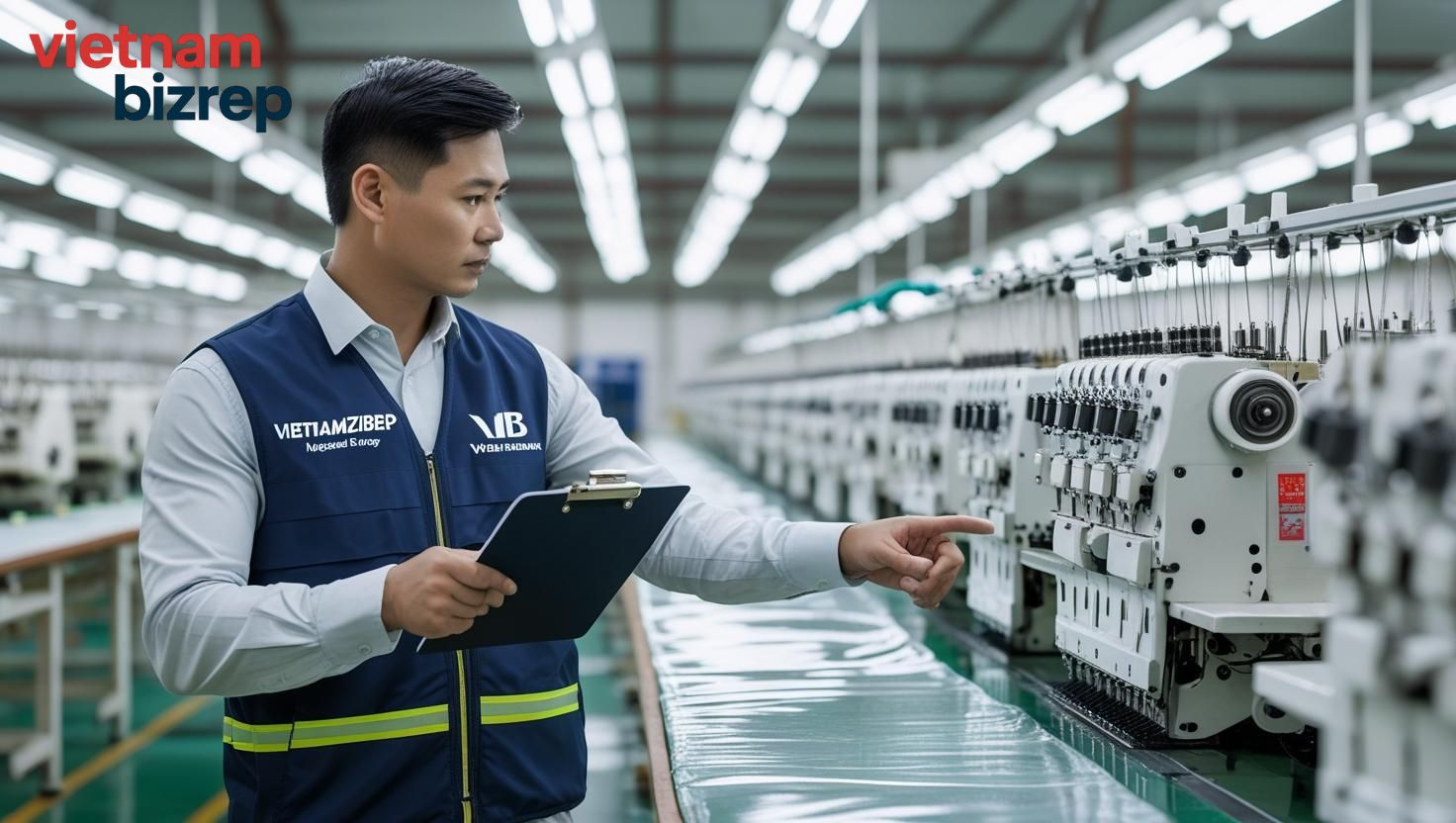
Evaluating Garment Manufacturers: Key Factors and Due Diligence
Selecting the right garment manufacturers in Vietnam is a critical decision that significantly impacts the success of your apparel business. Thorough evaluation and due diligence are essential to ensure that the chosen manufacturer aligns with your specific needs, quality standards, and ethical values. A comprehensive approach to assessing potential partners helps minimize risks and fosters long-term, mutually beneficial relationships.
Beyond simply finding a factory that can produce garments, the evaluation process should delve into several key areas. These include assessing their production capacity and capabilities, scrutinizing their quality control processes and certifications, verifying adherence to ethical and sustainable practices, evaluating their communication and language proficiency, and understanding their minimum order quantities (MOQs) and pricing structures. Each of these factors plays a vital role in determining the suitability of a garment manufacturer for your brand.
Assessing Production Capacity and Capabilities
A garment manufacturer’s production capacity determines their ability to fulfill your order volumes within the required timelines. It’s crucial to understand their current capacity, potential for scaling, and the types of garments they specialize in. Inquire about the number of sewing lines, equipment available, and workforce size. For example, a manufacturer with multiple sewing lines and experienced staff may be better suited for large orders compared to a smaller factory with limited resources. Furthermore, assessing their capabilities involves understanding their expertise in handling various fabrics, designs, and embellishments. Do they have experience working with the specific materials and styles that your brand requires?
Quality Control Processes and Certifications
Robust quality control processes are paramount to ensuring the final product meets your desired standards. A reliable manufacturer will have established procedures for inspecting fabrics, monitoring production, and conducting final inspections. Ask about their AQL (Acceptable Quality Limit) and the steps they take to rectify any defects. It’s also important to verify whether the manufacturer has relevant certifications, such as ISO 9001, which demonstrates their commitment to quality management systems. For instance, a manufacturer holding certifications like WRAP or BSCI indicates adherence to social compliance standards, which can be a significant factor for brands prioritizing ethical sourcing.
Ethical and Sustainable Practices
In today’s market, consumers are increasingly conscious of the ethical and sustainable practices employed by brands and their suppliers. Partnering with a manufacturer that prioritizes fair labor practices, environmental responsibility, and worker well-being can enhance your brand’s reputation and appeal to socially conscious consumers. Inquire about their policies on worker wages, working hours, safety standards, and environmental impact. Request information about their sourcing of sustainable materials and their efforts to minimize waste and pollution. For example, a manufacturer that utilizes recycled fabrics, implements water conservation measures, and provides fair wages to workers demonstrates a commitment to sustainability and ethical production.
Communication and Language Proficiency
Effective communication is essential for a successful partnership. A manufacturer with strong language proficiency and clear communication channels will be able to understand your requirements, provide timely updates, and resolve any issues that may arise. Assess their responsiveness, clarity, and willingness to address your concerns. Determine whether they have dedicated account managers who can communicate in your preferred language. For example, before engaging with a manufacturer, schedule meetings to evaluate the manufacturers communication capability. You can evaluate if they understand your requirements clearly and if they can communicate effectively.
Minimum Order Quantities (MOQs) and Pricing Structures
Understanding the manufacturer’s minimum order quantities (MOQs) and pricing structures is crucial for assessing their suitability for your business. MOQs refer to the minimum quantity of garments that the manufacturer is willing to produce per order. Ensure that their MOQs align with your order volumes and business strategy. It’s also important to carefully analyze their pricing structure, which may include costs for materials, labor, sampling, and other services. Obtain detailed quotations and compare prices from multiple manufacturers to ensure you are getting competitive rates. Negotiating favorable terms and understanding all cost components are critical to managing your production expenses effectively.

Vietnam’s Garment Manufacturing Landscape: Trends and Opportunities
The garment manufacturing landscape in Vietnam is currently experiencing significant growth and transformation, presenting a multitude of opportunities for businesses looking to diversify their sourcing options or establish a presence in a dynamic and competitive market. As a leading hub for apparel production, Vietnam offers a compelling combination of factors, including competitive labor costs, a skilled workforce, and a strategic location within Southeast Asia. This section will delve into the key trends shaping the industry and highlight the potential benefits for brands partnering with garment manufacturers in Vietnam.
Vietnam’s garment industry is not only benefiting from its cost-effectiveness, but also from its increasing focus on sustainable practices. This is a pivotal shift, meeting the growing global demand for environmentally and socially responsible apparel manufacturing. Moreover, the country is strategically positioned to leverage various free trade agreements, which are further boosting export capabilities and market access.
Several key trends are driving growth within the Vietnamese garment sector:
- Increasing Investment in Technology: Vietnamese manufacturers are actively investing in advanced technologies like automation and digital design to improve efficiency, reduce lead times, and enhance product quality. This technological upgrade positions them to compete effectively with other major garment-producing nations.
- Focus on Higher Value-Added Products: The industry is shifting away from basic apparel towards more complex and higher value-added products, such as sportswear, outerwear, and specialized garments. This diversification allows manufacturers to capture greater profit margins and cater to a wider range of customer needs.
- Growing Emphasis on Sustainability: Driven by consumer demand and international regulations, Vietnamese factories are adopting more sustainable practices, including using eco-friendly materials, reducing water consumption, and improving waste management. This commitment to sustainability is becoming a crucial competitive advantage.
- Rising Domestic Demand: Alongside its export-oriented focus, Vietnam’s growing middle class is creating a robust domestic market for apparel. This provides local manufacturers with additional sales opportunities and reduces their reliance on international buyers.
The opportunities for businesses looking to source garments from Vietnam are substantial:
- Cost-Competitiveness: Vietnam’s labor costs remain competitive compared to many other garment-producing countries, offering businesses a potential for significant cost savings.
- Skilled Workforce: The country boasts a large and skilled workforce with experience in a wide range of garment manufacturing techniques.
- Strategic Location: Vietnam’s location in Southeast Asia provides easy access to key markets and efficient transportation links.
- Government Support: The Vietnamese government actively supports the garment industry through various policies and incentives, creating a favorable business environment.
By understanding these trends and opportunities, businesses can make informed decisions about partnering with garment manufacturers in Vietnam and capitalize on the country’s growing role in the global apparel market. Vietnambizrep is here to help you navigate this landscape and find the perfect manufacturing partner to meet your specific needs.
Interested in the future of apparel production in Vietnam? Discover leading garment factories and producers for export.
Navigating the Legal and Regulatory Framework for Garment Production in Vietnam
Understanding the legal and regulatory framework is crucial for any business seeking to establish or maintain garment production in Vietnam. Navigating these regulations effectively ensures compliance, mitigates risks, and fosters a sustainable business operation. This section will delve into the key legal considerations for foreign investors in Vietnam’s garment industry, providing a comprehensive overview of the necessary steps and requirements.
Several key aspects must be considered. First, the investment registration process is paramount. Foreign investors must obtain an Investment Registration Certificate (IRC) and an Enterprise Registration Certificate (ERC). These certificates grant the legal right to establish and operate a business in Vietnam. It’s crucial to prepare a detailed investment project proposal outlining the scope of operations, capital investment, and expected economic benefits.
Next, compliance with labor laws is essential. Vietnam has specific regulations regarding working hours, wages, social insurance, and workplace safety. Garment manufacturers must adhere to these laws to protect workers’ rights and avoid legal penalties. For example, the Labor Code stipulates minimum wage requirements and mandates contributions to social insurance funds for employees. Engaging a local legal expert can help ensure full compliance with these regulations.
Furthermore, understanding import/export regulations is critical for garment manufacturers. Vietnam has trade agreements with various countries, which may affect import duties and export procedures. For instance, the Comprehensive and Progressive Agreement for Trans-Pacific Partnership (CPTPP) offers preferential tariffs for trade between member countries. Staying informed about these agreements and ensuring compliance with customs regulations can significantly impact profitability.
Finally, environmental regulations are becoming increasingly important. The Vietnamese government is placing greater emphasis on sustainable development and environmental protection. Garment manufacturers must comply with environmental standards related to wastewater treatment, waste disposal, and air emissions. Obtaining necessary environmental permits and implementing sustainable practices are essential for long-term viability and positive corporate social responsibility.

Cost Considerations: Understanding the Pricing Structure of Vietnamese Garment Manufacturers
Understanding the pricing structure of garment manufacturers in Vietnam is crucial for businesses aiming to optimize costs and maximize profits. This involves dissecting the various elements that contribute to the final price, from raw materials to labor and logistics, enabling informed decision-making and effective negotiation with potential partners. A comprehensive grasp of these cost drivers helps businesses, including vietnambizrep, secure competitive rates and establish mutually beneficial relationships with Vietnamese garment factories.
Fabric Sourcing and Costs
Fabric sourcing is a primary factor influencing the cost of garment production. The price of fabric is directly impacted by factors such as the type of fiber (cotton, polyester, silk, etc.), weave, finish, and origin. For example, organic cotton sourced locally will likely have a different price point than imported synthetic fabric. Moreover, the quantity ordered can significantly affect the price per unit, with larger orders often resulting in lower costs due to economies of scale. Establishing relationships with reliable fabric suppliers and understanding the nuances of the fabric market in Vietnam are essential for achieving cost-effectiveness.
Labor Costs and Productivity
Labor costs represent a significant portion of the overall production pricing structure. While Vietnam offers competitive labor rates compared to other manufacturing hubs, it’s essential to consider labor productivity alongside hourly wages. Factors such as worker skill level, factory efficiency, and training programs influence the output per worker. Investing in manufacturers that prioritize employee well-being and training can lead to improved productivity and reduced errors, ultimately contributing to cost savings.
Shipping and Logistics Expenses
Shipping and logistics expenses are important cost considerations, especially for international businesses. These expenses involve transportation from the factory to the port, freight charges, insurance, and customs clearance. Proximity to major ports, such as Ho Chi Minh City and Hai Phong, can influence transportation costs. Partnering with manufacturers who have established logistics networks or offer flexible shipping options can help optimize these expenses.
Import/Export Duties and Taxes
Navigating import/export duties and taxes is crucial for accurate cost estimation. Vietnam has free trade agreements with various countries, which can reduce or eliminate tariffs on garment products. Understanding the specific regulations and requirements related to your destination market is essential to avoid unexpected costs. Consulting with customs brokers or seeking advice from Vietnambizrep can help navigate the complexities of international trade regulations and optimize tax liabilities.
Building a Successful Partnership with Your Vietnamese Garment Manufacturer
Establishing a successful partnership with a Vietnamese garment manufacturer is crucial for long-term success in the apparel industry. This involves more than just finding a supplier; it necessitates building a strong, collaborative relationship based on mutual trust, clear communication, and shared goals, similar to how successful international business ventures thrive on synergistic partnerships. Let’s delve into the key aspects that contribute to forging such a beneficial alliance, ensuring that your manufacturing operations in Vietnam are both efficient and rewarding.
Establishing Clear Communication Channels
Effective communication is the bedrock of any successful business relationship, and this is especially true when working with garment manufacturers in Vietnam. This starts with identifying key personnel on both sides and establishing preferred methods of contact (e.g., email, phone calls, video conferencing). Regular meetings, even virtual ones, can help bridge cultural gaps and ensure everyone is on the same page regarding production timelines, quality standards, and potential challenges. Using visual aids like tech packs and prototypes can also minimize misunderstandings.
Setting Realistic Expectations and Timelines
Managing expectations and establishing achievable timelines is paramount in building a strong working relationship. It’s important to understand that garment production involves multiple stages, from design and sampling to sourcing fabrics and final assembly. Discussing and agreeing upon realistic lead times for each stage, considering potential delays due to holidays or material availability, will prevent frustration and ensure projects stay on track. Transparency on both sides is key to addressing any unforeseen challenges proactively.
Negotiating Favorable Contract Terms
A well-defined contract protects both parties and sets the stage for a successful partnership. Negotiating contract terms that are fair and mutually beneficial is an essential step. This includes clearly outlining:
- Payment terms: Consider milestone-based payments to ensure progress and quality.
- Quality control procedures: Specify acceptable defect rates and remedies for non-compliance.
- Intellectual property protection: Establish clear ownership of designs and patterns.
- Dispute resolution mechanisms: Outline a process for resolving conflicts amicably and efficiently.
Consult with legal professionals familiar with Vietnamese business law to ensure the contract is comprehensive and enforceable.
Maintaining Regular Communication and Feedback
Once production is underway, maintaining consistent communication and providing regular feedback is crucial for ensuring quality and addressing any issues promptly. This involves:
- Daily or weekly check-ins: To monitor progress and identify potential problems.
- On-site visits: If possible, to observe production firsthand and build rapport with the manufacturing team.
- Providing constructive feedback: Offer specific and actionable feedback on samples and production runs to drive continuous improvement.
This proactive approach fosters a sense of shared responsibility and helps to cultivate a long-lasting and fruitful relationship with your Vietnamese garment manufacturer.
Avoiding Common Pitfalls When Working with Garment Manufacturers in Vietnam
Navigating the Vietnamese garment manufacturing landscape can be rewarding, but avoiding common pitfalls is crucial for a successful partnership. Sourcing garment manufacturers in Vietnam requires careful planning and execution to sidestep potential issues related to quality control, communication, intellectual property protection, and ethical production. This section delves into practical strategies to proactively address these challenges and foster a smooth, profitable collaboration.
One of the primary challenges when working with Vietnamese garment factories is addressing quality control issues. A proactive approach involves establishing clear quality standards upfront, conducting thorough factory audits, and implementing rigorous inspection processes throughout the production cycle. For example, specifying acceptable defect rates (ADR) in the contract and conducting pre-production samples can significantly reduce the risk of receiving substandard merchandise. Consider hiring a third-party inspection agency with local expertise to provide unbiased quality assessments at various stages, from raw materials to finished goods.
Another significant hurdle is managing communication barriers. Language differences and cultural nuances can lead to misunderstandings and delays. To mitigate this, prioritize manufacturers with strong English proficiency or hire a local sourcing agent proficient in both Vietnamese and your native language. Clearly document all requirements and expectations in writing, using visual aids whenever possible. Schedule regular video conferences to discuss progress, address concerns, and build rapport with the factory team.
Protecting your brand and designs is essential, so protecting your intellectual property should be a top priority. Before sharing any sensitive information, sign a Non-Disclosure Agreement (NDA) with the manufacturer, translated into Vietnamese. Register your trademarks and designs in Vietnam to prevent counterfeiting. Consider breaking down your production process across multiple factories to minimize the risk of a single manufacturer gaining access to your entire design. Regularly monitor the market for any potential infringements and take prompt action if necessary.
Finally, ensuring ethical and sustainable production is increasingly important for brand reputation and consumer trust. Conduct thorough social audits to verify that the factory adheres to fair labor practices, provides a safe working environment, and complies with environmental regulations. Look for certifications such as WRAP, SA8000, or BSCI to demonstrate the manufacturer’s commitment to ethical sourcing. Consider partnering with factories that prioritize sustainable materials, reduce waste, and minimize their environmental impact.
Top Garment Manufacturing Hubs in Vietnam: A Regional Overview
Vietnam’s apparel industry is not uniformly distributed; instead, it clusters in key garment manufacturing hubs, each offering distinct advantages and specializing in different product categories. Understanding this regional specialization is crucial for businesses seeking the right garment manufacturers in Vietnam to meet their specific needs. This section will provide an overview of these hubs, highlighting their strengths and specializations.
The Red River Delta, particularly around Hanoi, is a traditional hub with a strong focus on woven garments and a skilled workforce. This region benefits from a long history in textile production and a well-established infrastructure. Furthermore, the presence of numerous vocational schools and training centers ensures a continuous supply of qualified workers, making it a reliable source for high-quality apparel manufacturing. For instance, companies seeking intricate designs and tailored fits often find suitable partners in this area.
In contrast, the Southeast region, centered around Ho Chi Minh City, is known for its dynamism, modern facilities, and strength in knitted garments and denim. Benefiting from proximity to major ports like Cat Lai, this region excels in export-oriented manufacturing and boasts a diverse range of factories, from large-scale operations to smaller, more specialized workshops. Ho Chi Minh City’s vibrant business environment and access to international markets make it an attractive location for companies seeking efficient production and streamlined logistics. This area is often preferred for producing trendy, fast-fashion items.
The Central region, including Da Nang and surrounding areas, is emerging as a competitive manufacturing hub, offering a balance of cost-effectiveness and quality. With government incentives aimed at attracting foreign investment, this region is experiencing rapid growth in its garment sector. The Central region presents opportunities for businesses seeking to diversify their sourcing and take advantage of lower labor costs compared to the Red River Delta and Southeast region. This area is particularly attractive for producing standardized apparel items in large volumes.
Ultimately, selecting the right manufacturing hub depends on various factors, including the type of garments you need produced, your budget, and your logistics requirements. By understanding the strengths of each region, businesses can make informed decisions and forge successful partnerships with Vietnamese garment manufacturers. When sourcing garment production, it is critical to factor in all relevant criteria, so you can find a place to manufacture clothes that meets your specific business needs.
Searching for factories in specific regions of Vietnam? Find top clothing factories and apparel producers tailored to your needs.
Sustainable and Ethical Garment Manufacturing Options in Vietnam
For businesses seeking to minimize their environmental footprint and uphold fair labor practices, sustainable and ethical garment manufacturing options in Vietnam are increasingly available. This section explores the growing landscape of manufacturers committed to responsible production, highlighting their certifications, practices, and the benefits they offer to brands prioritizing social and environmental responsibility within the garment industry. This shift is partly driven by increased consumer demand for eco-friendly and ethically produced clothing.
The Rise of Eco-Conscious Manufacturing. A growing number of garment manufacturers in Vietnam are embracing sustainable practices, offering options such as organic cotton, recycled materials, and water-saving dyeing techniques. These factories are also investing in renewable energy sources and waste reduction programs to minimize their environmental impact. Several factors propel this transformation, including government incentives and international pressure.
Ethical Labor Practices: A Core Value. Beyond environmental considerations, ethical garment production focuses on ensuring fair wages, safe working conditions, and respect for worker rights. Many Vietnamese factories are adopting international labor standards and undergoing independent audits to demonstrate their commitment to ethical practices. Examples of these standards include SA8000 and certifications from organizations like the Fair Wear Foundation.
Certifications and Standards: Guiding Your Choice. Identifying genuinely sustainable and ethical manufacturers requires careful due diligence. Look for certifications such as GOTS (Global Organic Textile Standard) for organic materials, Oeko-Tex Standard 100 for chemical safety, and WRAP (Worldwide Responsible Accredited Production) for social compliance. These certifications offer assurance that the factory meets specific environmental and ethical criteria.
Partnering for a Better Future. By choosing sustainable and ethical garment manufacturers in Vietnam, brands can contribute to a more responsible and equitable fashion industry. This not only aligns with growing consumer values but also enhances brand reputation and long-term sustainability. Vietnambizrep can help you connect with verified manufacturers committed to these practices.
Garment Manufacturing Contracts: Key Clauses and Considerations for Vietnamese Agreements
Securing favorable garment manufacturing contracts is paramount when working with garment manufacturers in Vietnam. Understanding the nuances of Vietnamese law and business practices ensures that your interests are protected and the partnership operates smoothly. These agreements need to be comprehensive, clearly defined, and legally sound to avoid potential disputes and ensure a successful manufacturing process.
The initial step involves carefully outlining the scope of work. This includes detailing the garment specifications, such as designs, materials, sizes, colors, and any special requirements, within the contract. Also crucial is defining the production timeline, including milestones for sampling, production, and delivery, alongside potential penalties for delays. A well-defined scope minimizes misunderstandings and sets clear expectations for both parties.
Several key clauses warrant specific attention in Vietnamese garment manufacturing contracts.
- Payment Terms: Clearly define payment schedules, currencies, and methods of payment. Consider including provisions for stage payments linked to production milestones and quality checks.
- Quality Control: Specify acceptable quality standards, inspection procedures, and remedies for defects. It’s advisable to include provisions for independent quality audits.
- Intellectual Property Protection: Protect your designs and trademarks by including clauses that explicitly address ownership and confidentiality. Vietnam has laws protecting intellectual property, but clear contractual provisions are essential.
- Termination Clause: Define the conditions under which the contract can be terminated by either party, including breach of contract, insolvency, or force majeure.
- Dispute Resolution: Specify the mechanism for resolving disputes, such as mediation or arbitration, and the governing law that will apply.
Navigating the legal landscape in Vietnam requires careful consideration. Understanding Vietnamese contract law, labor laws, and import/export regulations is crucial. Consulting with legal experts familiar with Vietnamese law is highly recommended to ensure that your contract is enforceable and complies with local regulations. This helps mitigate risks and provides a solid legal foundation for your manufacturing partnership.
Finally, remember that building a strong relationship with your Vietnamese garment manufacturer is vital. A well-drafted contract should be seen as a tool to facilitate a mutually beneficial partnership, rather than a source of conflict. Clear communication, transparency, and a willingness to address concerns proactively are essential for a successful and long-lasting relationship.
Technology and Innovation in Vietnam’s Garment Manufacturing Sector
The Vietnam’s garment manufacturing sector is undergoing a significant transformation, embracing technology and innovation to enhance competitiveness and sustainability. This shift is driven by the need to meet increasing global demands, improve efficiency, and address environmental concerns. These advancements are changing how garment manufacturers in Vietnam operate, from design and production to supply chain management.
Automation and Robotics
Automation and robotics are revolutionizing garment production in Vietnam, reducing labor costs and increasing efficiency. The integration of robotic systems in cutting, sewing, and packaging processes enhances precision and speed. For instance, automated cutting machines can precisely cut fabric layers, minimizing waste and improving material utilization. Automated sewing machines can perform repetitive tasks with consistent quality. This allows Vietnamese garment factories to produce larger volumes with fewer errors, improving their overall productivity.
Digital Design and Pattern Making
Digital design and pattern making technologies are transforming the creative and pre-production phases in Vietnam’s garment industry. Computer-aided design (CAD) and computer-aided manufacturing (CAM) systems enable designers to create and modify patterns digitally, reducing the time and cost associated with traditional methods. 3D modeling and simulation tools allow for virtual prototyping, helping manufacturers visualize designs and identify potential issues before production begins. This not only speeds up the design process but also improves the accuracy and fit of garments.
Sustainable Material Sourcing Technologies
Vietnamese garment manufacturers are increasingly adopting sustainable material sourcing technologies to minimize their environmental impact. This includes using innovative methods to produce eco-friendly fabrics from recycled materials, organic cotton, and other sustainable sources. Blockchain technology is also being implemented to trace the origin and journey of materials, ensuring transparency and accountability throughout the supply chain. This is crucial for meeting the growing demand for sustainable apparel from conscious consumers and brands worldwide.
Sourcing Specialized Garments: Finding Manufacturers for Specific Niches in Vietnam
Finding the right garment manufacturers in Vietnam for specialized clothing niches requires a focused approach that goes beyond general sourcing strategies. This section guides you through identifying and partnering with manufacturers who possess the specific skills, equipment, and experience to produce high-quality, niche-specific garments. For businesses targeting specialized markets, partnering with a specialized garment manufacturer in Vietnam is paramount to achieving product excellence and market success.
Vietnam’s garment industry is diverse, with manufacturers specializing in various product categories. Therefore, when sourcing specialized garments, it’s crucial to identify factories equipped to handle specific materials, designs, or production techniques. This involves researching and vetting manufacturers based on their expertise and capabilities related to your particular niche.
Here’s a breakdown of key considerations for finding specialized garment manufacturers in Vietnam:
- Identify Your Specific Niche: Before starting your search, clearly define your specific garment niche. Are you looking for manufacturers specializing in high-performance sportswear, intricate embroidery, sustainable fabrics, or technical workwear? A precise understanding of your needs is essential for targeting the right manufacturers.
- Targeted Online Research: Utilize industry-specific online platforms, trade directories, and B2B marketplaces to identify potential manufacturers. Refine your search queries using keywords related to your niche (e.g., “organic cotton clothing manufacturers Vietnam,” “fire-resistant workwear suppliers Vietnam”).
- Trade Shows and Industry Events: Attending trade shows and industry events in Vietnam provides a valuable opportunity to meet manufacturers face-to-face, assess their capabilities, and discuss your specific requirements. Events like the Vietnam Saigon Textile & Garment Industry Expo are excellent venues for networking and discovering specialized manufacturers.
- Specialized Sourcing Agents: Consider engaging a reputable sourcing agent with experience in the Vietnamese garment industry. Agents can leverage their local knowledge and network to identify manufacturers that align with your specific niche and quality standards. Vietnambizrep, with its expertise in Vietnam’s business landscape, can be a valuable partner in connecting you with the right specialized garment manufacturers.
- Detailed Factory Audits and Assessments: Conduct thorough factory audits and assessments to verify manufacturers’ capabilities and compliance with your quality and ethical standards. Pay close attention to their equipment, expertise, and experience in producing similar specialized garments. Examine certifications related to quality management (e.g., ISO 9001) or sustainability (e.g., GOTS).
- Sample Production and Testing: Request sample production runs to evaluate the manufacturer’s ability to meet your quality expectations and design specifications. Subject the samples to rigorous testing to ensure they meet the required performance standards for your niche market. This is a critical step in ensuring the manufacturer can deliver on their promises.
Before placing orders with any supplier, overseas buyers are advised to conduct a Vietnam factory audit to assess production facilities, compliance, and capacity. A local supplier verification service can confirm business legitimacy, certifications, and production capability.
By following these steps, you can significantly increase your chances of finding a reliable and capable Vietnamese garment manufacturer that specializes in your specific niche, ensuring the successful production and delivery of high-quality, market-ready garments.
Looking for manufacturers specializing in specific garment types? See our list of top clothing factories & apparel producers in Vietnam for export.
Related Vietnam Sourcing & Manufacturing Services
- Vietnam Clothing Manufacturers
- OEM Clothing Manufacturer in Vietnam
- CMT Garment Factory in Vietnam
- Private Label Clothing Manufacturer in Vietnam
- Vietnam Sourcing Agent
Need support in Vietnam? Call or WhatsApp +84 941 414 422 or visit our contact page to discuss your project with Vietnam Biz Rep.
