



Understanding the landscape of factory in vietnam is now more critical than ever for businesses seeking strategic advantages in global manufacturing in 2025. This analysis delves into the key aspects of establishing and operating factories in Vietnam, exploring the impact of supply chain diversification, labor costs, government incentives, and infrastructure development on profitability. This vietnambizrep category article provides a data-driven overview of industrial zones, legal frameworks, and export processing zones, ultimately equipping businesses with the insights needed to make informed investment decisions and navigate the complexities of setting up a manufacturing facility in this dynamic Southeast Asian nation.
Navigating the Landscape: Key Industries and Manufacturing Sectors in Vietnam
Vietnam’s burgeoning economy offers a diverse range of opportunities for manufacturers seeking a strategic base in Southeast Asia; understanding the key industries and manufacturing sectors is crucial for informed decision-making when considering a factory in Vietnam. This section provides an overview of the prominent sectors driving the country’s manufacturing growth, highlighting their strengths and potential for foreign investment.
Vietnam has successfully transitioned from an agrarian economy to a manufacturing powerhouse, and is now becoming a hub of factory in Vietnam. The textile and garment industry remains a cornerstone, benefiting from competitive labor costs and favorable trade agreements. For example, the Comprehensive and Progressive Agreement for Trans-Pacific Partnership (CPTPP) and the EU-Vietnam Free Trade Agreement (EVFTA) have significantly boosted export opportunities for Vietnamese textile manufacturers. Alongside textiles, the electronics industry is experiencing rapid expansion, fueled by foreign direct investment (FDI) from major global players such as Samsung and LG. These companies have established large-scale manufacturing facilities in Vietnam, producing smartphones, televisions, and other electronic components.
Beyond textiles and electronics, several other sectors are demonstrating strong growth potential. The footwear industry is a well-established sector with a long history in Vietnam, producing a wide range of shoes and sandals for both domestic and international markets. The furniture industry is also gaining traction, capitalizing on the country’s abundant supply of wood and skilled labor. Additionally, the food processing industry presents significant opportunities, driven by increasing domestic consumption and export demand for Vietnamese agricultural products. According to data from the General Statistics Office of Vietnam, the manufacturing sector accounted for approximately 16% of the country’s GDP in 2022, showcasing its importance to the overall economy.
The Vietnamese government actively promotes the development of specific industries through targeted policies and investment incentives. For instance, high-tech industries, renewable energy, and supporting industries receive preferential treatment in terms of tax rates, land use, and administrative procedures. These incentives aim to attract foreign investment and foster innovation within the manufacturing sector. Vietnambizrep helps investors navigate this complex landscape to identify optimal sectors aligned with their business objectives, facilitating successful factory establishment in Vietnam.
Furthermore, the rise of e-commerce in Vietnam is creating new opportunities for manufacturers. Increased online sales are driving demand for packaging materials, logistics services, and warehousing facilities. This trend presents avenues for manufacturers to diversify their product offerings and cater to the growing e-commerce market. In short, the diverse landscape of industries presents significant opportunity when considering a factory in Vietnam.
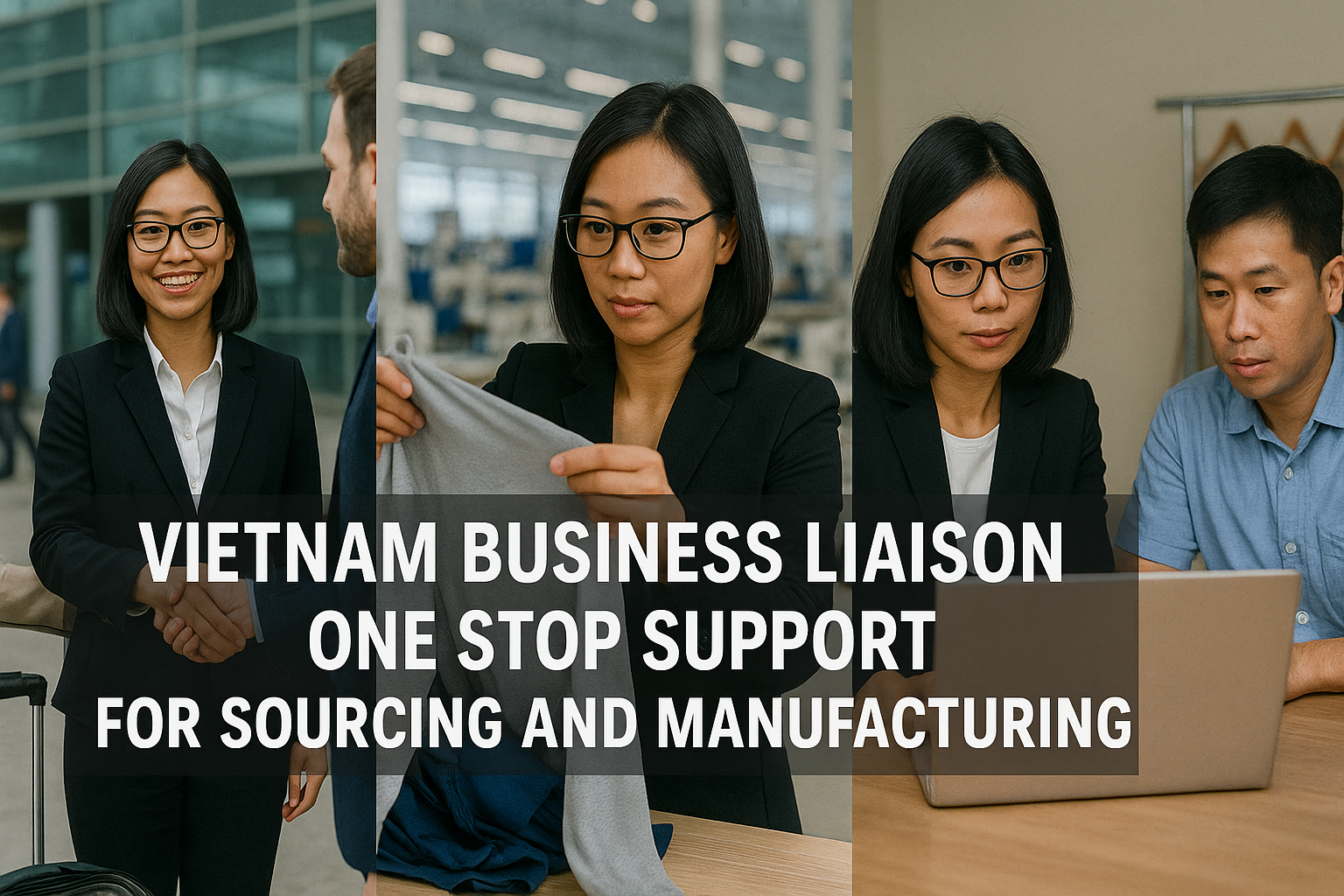
Eager to know what Vietnam manufactures? Get a comprehensive view of the country’s dominant manufacturing sectors.
Location, Location, Location: Strategic Factory Locations and Industrial Parks in Vietnam
Selecting the right factory location is paramount for success when establishing manufacturing operations in Vietnam, impacting everything from logistics and labor costs to access to key markets. This section will dissect the crucial factors to consider when pinpointing strategic factory sites and navigating the landscape of industrial parks in Vietnam, ultimately guiding businesses toward optimal investment decisions within the country’s dynamic manufacturing environment. A well-chosen location minimizes expenses, streamlines supply chains, and ensures access to a skilled workforce, all of which are essential for a thriving factory in Vietnam.
Vietnam’s diverse geography and economic development mean that different regions offer distinct advantages for specific industries. The Northern Key Economic Zone (NKEZ), including Hanoi and Hai Phong, is attractive for electronics and high-tech manufacturing due to established infrastructure and proximity to China. Conversely, the Southern Key Economic Zone (SKEZ), encompassing Ho Chi Minh City, Dong Nai, and Binh Duong, is a hub for textiles, footwear, and furniture production, benefiting from a large labor pool and well-developed port facilities. Understanding these regional specializations is crucial for aligning factory locations with specific industry needs and supply chain requirements.
Industrial parks play a vital role in Vietnam’s manufacturing sector, offering ready-built infrastructure, streamlined administrative procedures, and access to shared services. These parks, like VSIP (Vietnam-Singapore Industrial Park) and Amata Industrial Park, provide a conducive environment for factory setup, attracting both domestic and foreign investors. When choosing an industrial park, businesses should consider factors such as proximity to ports and airports, availability of utilities (electricity, water, wastewater treatment), security, and the park’s reputation for efficient management and compliance.
Beyond regional variations and the availability of industrial parks, businesses must also assess specific site characteristics. Key considerations include land costs, accessibility via road and rail networks, the availability of local suppliers, and the potential for future expansion. Conducting thorough due diligence, including environmental impact assessments and geological surveys, is essential to mitigate risks and ensure the long-term sustainability of factory operations in Vietnam. Further, understanding local regulations and incentives related to land use and investment can significantly impact the overall cost-effectiveness of a chosen factory location.
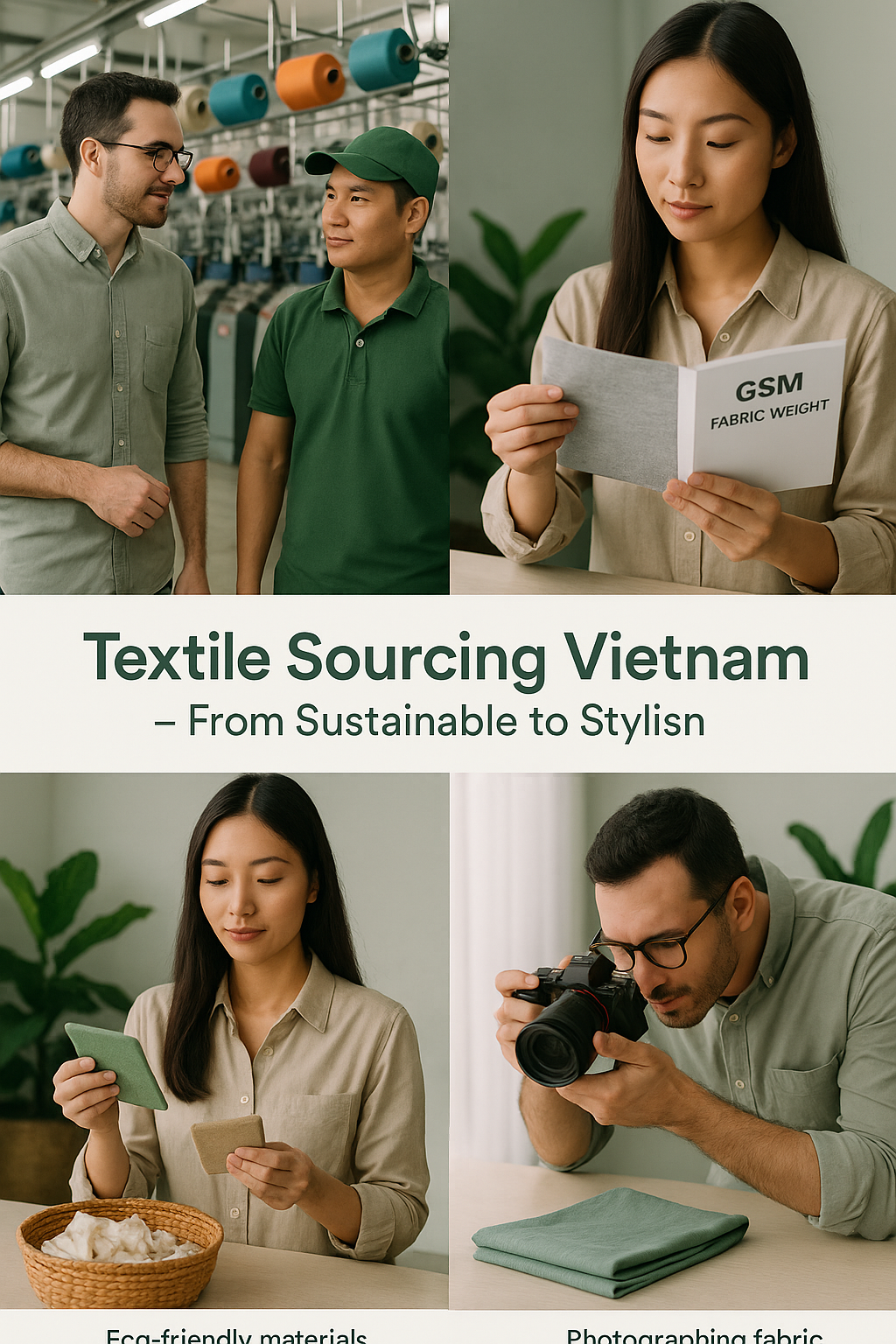
Unlock the secret to optimizing your manufacturing base by exploring strategic factory locations and industrial parks in Vietnam.
Vietnam Factory Setup: A Comprehensive Guide to Legal, Regulatory, and Compliance Requirements
Setting up a factory in Vietnam involves navigating a complex landscape of legal, regulatory, and compliance procedures. This guide provides a comprehensive overview of the essential requirements for establishing a manufacturing facility, enabling investors to establish a solid foundation for their Vietnam factory operations. Understanding these regulations is paramount for a smooth and successful setup process.
Establishing a manufacturing facility in Vietnam necessitates adherence to various legal frameworks. Foreign investors must first secure an Investment Registration Certificate (IRC) and an Enterprise Registration Certificate (ERC). The IRC outlines the project’s scope, objectives, and investment capital, while the ERC formally registers the company as a legal entity. These certificates are the cornerstones of legal operation within Vietnam, demonstrating the government’s approval for the establishment of a factory in Vietnam.
Furthermore, regulatory compliance extends beyond initial registration, encompassing diverse aspects of factory operations.
- Environmental regulations: Factories must conduct Environmental Impact Assessments (EIA) and obtain permits to ensure minimal environmental damage. This includes managing waste disposal, wastewater treatment, and air emissions in accordance with Vietnamese standards.
- Labor laws: Compliance with labor laws includes providing fair wages, safe working conditions, and adhering to regulations regarding working hours, overtime, and social insurance for employees.
- Fire safety standards: Factories must meet stringent fire safety standards, including installing fire suppression systems, conducting regular inspections, and training employees on fire safety procedures.
- Building codes and construction permits: Obtaining the necessary construction permits and adhering to building codes is crucial for ensuring the structural integrity and safety of the factory.
Navigating these requirements can be challenging, but Vietnambizrep is here to guide you through the entire process. Vietnambizrep, with its extensive expertise in factory setup in Vietnam, helps businesses adhere to the complex legal and regulatory framework, ensuring operations are both compliant and successful. Understanding and fulfilling these obligations avoids potential penalties, ensures ethical business practices, and fosters sustainable growth for your factory in Vietnam.

Cost-Benefit Analysis: Understanding Labor Costs, Operational Expenses, and Investment Incentives in Vietnam Factories
Venturing into factory in Vietnam requires a meticulous cost-benefit analysis, particularly concerning labor costs, operational expenses, and available investment incentives. Understanding the economic landscape is crucial for informed decision-making and ensuring the long-term profitability of your manufacturing venture. This involves a detailed examination of the advantages and disadvantages associated with setting up and running a factory in Vietnam, helping businesses determine if the potential rewards outweigh the inherent risks and initial investments.
Labor Costs: Vietnam has long been attractive due to its competitive labor costs compared to China and other regional manufacturing hubs. However, it’s essential to consider not just the base salary but also mandatory contributions such as social insurance, health insurance, and unemployment insurance. Furthermore, factors like skill level, industry demand, and location can influence wage rates. For example, skilled workers in tech-heavy industries or factories located in major industrial zones like Binh Duong or Dong Nai may command higher salaries. It is crucial to conduct thorough research and benchmarking to accurately estimate labor costs for your specific manufacturing needs.
Operational Expenses: Beyond labor, operational expenses form a significant part of the overall cost structure. These encompass a wide array of items, including:
- Rent or land lease costs: These vary significantly based on location within industrial parks or standalone factory locations.
- Utilities: Electricity, water, and waste disposal expenses, impacted by consumption patterns and government regulations.
- Raw materials: Sourcing costs, transportation, and storage, influenced by global market prices and supply chain efficiencies.
- Maintenance and repairs: Essential for equipment upkeep and ensuring smooth production processes.
- Administrative and management overheads: Salaries for administrative staff, legal and accounting fees, and other administrative expenditures.
A comprehensive assessment of these operational expenses is crucial to develop a realistic budget and identify potential areas for cost optimization.
Investment Incentives: The Vietnamese government actively encourages foreign investment through a range of investment incentives. These can significantly reduce the initial capital outlay and ongoing operational costs for Vietnam factories. Some common incentives include:
- Tax holidays and reduced corporate income tax (CIT) rates: These provide significant tax savings during the initial years of operation.
- Import duty exemptions: Exemptions on import duties for equipment, machinery, and raw materials used in production.
- Land use fee reductions or exemptions: Lower land costs for projects in specific sectors or locations.
- Preferential loan rates: Access to loans with favorable interest rates from state-owned banks.
The specific incentives available depend on factors such as the industry sector, the investment size, and the location of the factory. It is advisable to consult with legal and investment advisors like vietnambizrep to navigate the complex regulatory landscape and maximize the benefits from these investment incentives.
By carefully analyzing labor costs, operational expenses, and investment incentives, businesses can make informed decisions about setting up and operating factory in Vietnam, ensuring a sustainable and profitable manufacturing venture.

Overcoming Challenges: Risks and Mitigation Strategies for Factory Operations in Vietnam
Operating a factory in Vietnam presents numerous opportunities, but also entails navigating a complex landscape of potential risks and challenges. Understanding these hurdles and implementing effective mitigation strategies is crucial for the success of any manufacturing venture in the country. This section will explore the key challenges faced by factory operators in Vietnam, encompassing regulatory compliance, supply chain disruptions, labor-related issues, and external risks, offering actionable strategies to minimize their impact.
One significant challenge lies in navigating the intricate legal and regulatory environment. Vietnam’s legal framework, while improving, can still present complexities for foreign investors. Ensuring adherence to labor laws, environmental regulations, and tax requirements is paramount. To mitigate this, engage experienced local legal counsel to guide you through the intricacies of Vietnamese law and maintain consistent compliance checks. Vietnambizrep can assist in connecting you with reliable legal partners.
Another crucial area is the supply chain. Dependence on global supply chains exposes factories to disruptions stemming from geopolitical events, natural disasters, or trade conflicts. Diversifying your supplier base, establishing buffer stocks of critical materials, and developing strong relationships with local suppliers can significantly enhance supply chain resilience. For example, the COVID-19 pandemic highlighted the vulnerability of relying solely on a single source for raw materials, prompting many factories in Vietnam to explore alternative sourcing options.
Labor-related risks are also prominent. Skill shortages, labor disputes, and ensuring worker safety are ongoing concerns. Investing in workforce training programs, implementing fair labor practices, and maintaining open communication channels with employees are crucial steps. It is also essential to comply with Vietnamese labor law regarding working conditions, wages, and benefits. A proactive approach to employee relations minimizes the risk of disruptions and fosters a productive work environment.
External factors like natural disasters and political instability can also pose significant threats. Vietnam is prone to typhoons, floods, and earthquakes, which can disrupt operations and damage infrastructure. Securing comprehensive insurance coverage, developing robust disaster preparedness plans, and diversifying factory locations can help mitigate these risks. Furthermore, staying informed about political and economic developments in the region enables businesses to adapt to changing circumstances and make informed decisions.

Future Trends and Growth Prospects: Analyzing the Evolution of the Factory Sector in Vietnam
The future trends in Vietnam’s factory sector point towards a landscape characterized by technological advancements, sustainability imperatives, and evolving global supply chains, directly influencing the growth prospects of factories in Vietnam. This evolution signifies a shift from labor-intensive industries towards higher value-added manufacturing, automation, and eco-friendly practices.
Several key trends are poised to reshape the manufacturing landscape in Vietnam:
- Increased Automation and Digitalization: Factories are increasingly adopting automation technologies, including robotics, AI, and IoT, to enhance efficiency, reduce labor costs, and improve product quality. For example, the adoption of smart manufacturing solutions is gaining traction, enabling real-time monitoring, predictive maintenance, and optimized production processes.
- Focus on Sustainability: Global demand for sustainable products and environmentally responsible manufacturing is pushing factories in Vietnam to adopt greener practices. This includes investing in renewable energy, reducing waste, and implementing circular economy models.
- Supply Chain Diversification: As companies seek to mitigate risks associated with concentrated supply chains, Vietnam is emerging as a key alternative manufacturing hub. This trend is driving investments in infrastructure, logistics, and supporting industries.
- Upskilling and Workforce Development: The transition to advanced manufacturing requires a skilled workforce capable of operating and maintaining sophisticated technologies. Investments in education and training programs are crucial to bridge the skills gap and ensure Vietnam remains competitive.
- Government Support and Policy Incentives: The Vietnamese government is actively promoting the development of high-tech industries through targeted policies, tax incentives, and infrastructure investments. These initiatives are designed to attract foreign investment and encourage innovation within the factory sector.
Vietnam’s strategic location, competitive labor costs, and stable political environment position it favorably for continued growth in the factory sector. However, addressing challenges related to infrastructure development, workforce skills, and regulatory compliance will be essential to fully realize its potential. The integration of factories in Vietnam into global value chains will depend on their ability to adapt to emerging technologies, embrace sustainable practices, and foster a skilled and adaptable workforce.
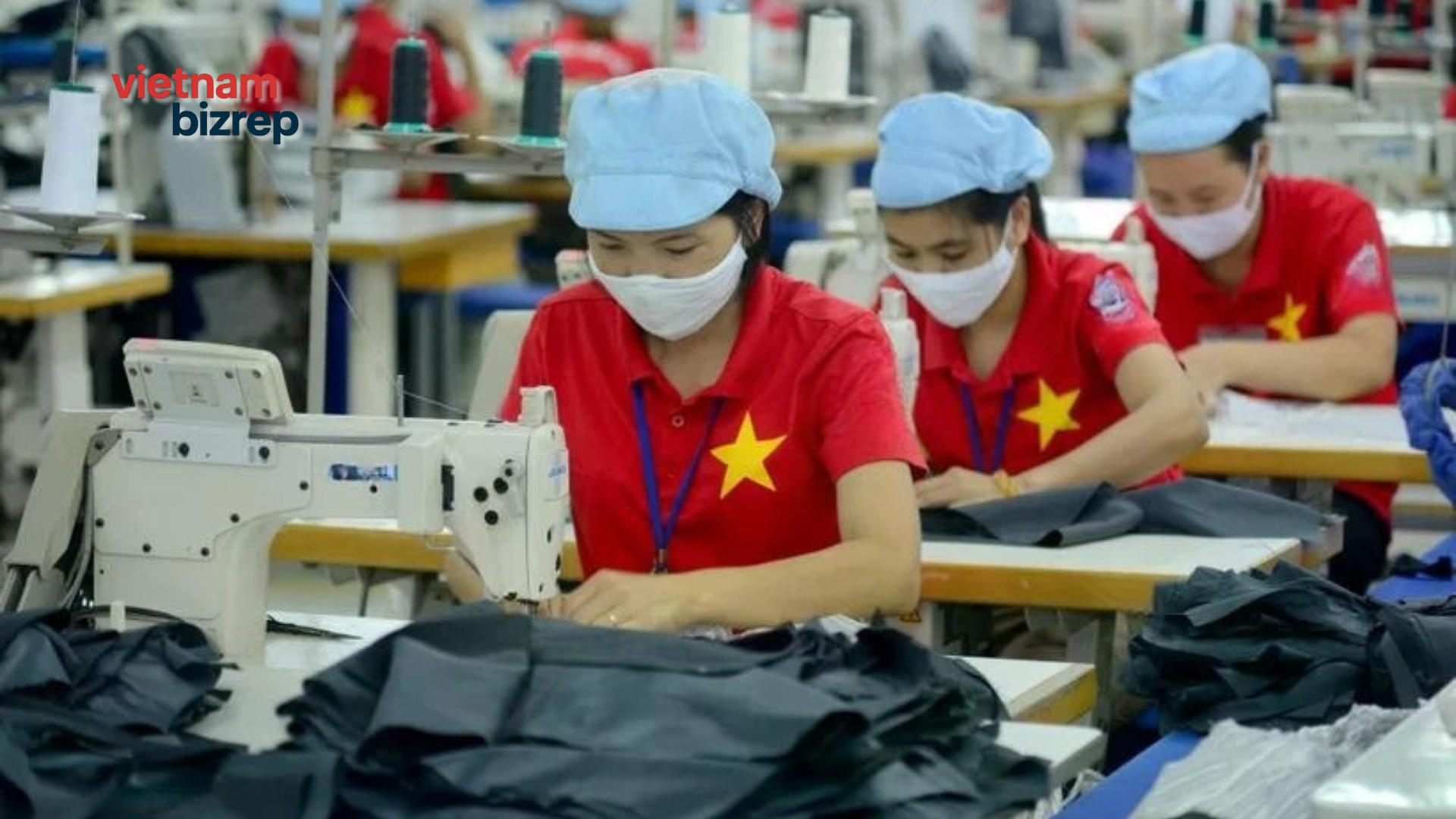
Ready to shape the future of manufacturing? Explore Vietnam’s factory sector evolution and unlock your global sourcing potential.
Vietnam Sourcing & Manufacturing Services
- Vietnam Sourcing Agent
- Supplier Verification
- Garment Manufacturers in Vietnam
- Vietnam Clothing Manufacturers
- Factory Audit
Need help sourcing in Vietnam? Call or WhatsApp +84 941 414 422 or visit our contact page.
