

Unlocking the secrets to successful “borong di vietnam” ventures is crucial for businesses aiming to tap into Vietnam’s dynamic market. This guide, under the category of vietnambizrep, cuts through the noise, providing actionable insights into sourcing strategies, navigating local regulations, mastering negotiation techniques, and building robust supply chain networks. Expect data-driven analysis of key product categories, essential logistics considerations, and practical steps to mitigate risks and maximize profitability in your Vietnamese “borong” endeavors, all geared towards achieving measurable results by 2025.
Identifying Key Wholesale Products & Industries in Vietnam
Identifying key wholesale products and industries is the cornerstone of any successful borong di Vietnam strategy for Vietnambizrep. Understanding Vietnam’s economic landscape, its strengths in production, and emerging market trends, provides a solid foundation for identifying lucrative opportunities in the wholesale sector. This section will explore the most promising sectors, highlight specific products in high demand, and offer insights into what makes Vietnam a compelling destination for wholesale trade.
Several industries are particularly attractive for wholesale operations in Vietnam. The garment and textile industry is a major player, benefiting from Vietnam’s competitive labor costs and export-oriented policies. The agriculture sector, particularly rice, coffee, seafood, and fruits, offers significant potential for wholesale, both domestically and internationally. Furthermore, the manufacturing industry, encompassing electronics, machinery, and automotive components, presents opportunities due to Vietnam’s growing industrial capacity and role in global supply chains.
To provide a more detailed perspective, let’s consider specific examples:
- Apparel: Vietnam is a global hub for apparel manufacturing. Wholesale opportunities abound in sourcing finished garments, fabrics, and accessories for export.
- Seafood: With its extensive coastline, Vietnam is a major seafood exporter. Shrimp, pangasius (basa fish), and tuna are key products for wholesale distribution.
- Electronics: Vietnam is increasingly involved in the production of electronics components and finished products. Wholesale distributors can capitalize on the demand for components, consumer electronics, and industrial electronics.
- Furniture: Vietnam boasts a thriving furniture manufacturing industry, utilizing both local and imported materials. Wholesale opportunities exist in supplying furniture components, hardware, and finished furniture for both domestic and international markets.
For investors and businesses aiming to expand their presence in the Vietnamese wholesale market, conducting thorough market research on current trends, consumer demands, and competitive landscapes within each industry is critical.

Finding Reliable Wholesale Suppliers and Distributors in Vietnam: A Practical Guide
Sourcing reliable wholesale suppliers and distributors in Vietnam is crucial for businesses aiming to capitalize on the growing market; a solid approach to borong di Vietnam (wholesale in Vietnam) starts with understanding the landscape and implementing strategic selection processes. Establishing trustworthy partnerships ensures consistent product quality, competitive pricing, and efficient supply chains, all essential for sustainable growth in the Vietnamese market.
To begin, thoroughly research potential partners by exploring online directories, trade fairs, and industry associations. Confirm business registration details and assess financial stability through credit reports and references. For example, the Vietnam Chamber of Commerce and Industry (VCCI) is a valuable resource for verifying company legitimacy and accessing industry-specific information.
Furthermore, conduct on-site visits to evaluate production facilities, quality control processes, and overall operational capacity. Clear communication and well-defined contracts are paramount. It’s vital to detail product specifications, payment terms, and dispute resolution mechanisms in a legally binding agreement. Negotiating favorable terms requires a thorough understanding of local business practices and cultural nuances.
Building strong relationships is key to long-term success. This includes consistent communication, prompt payment, and a proactive approach to addressing any issues that may arise. Regular feedback and collaborative problem-solving can foster trust and mutual benefit, leading to stronger, more resilient partnerships.
- Verify business registration and licenses
- Check for industry certifications (e.g., ISO, HACCP)
- Assess production capacity and quality control measures
- Obtain references from existing clients
- Negotiate clear and comprehensive contracts
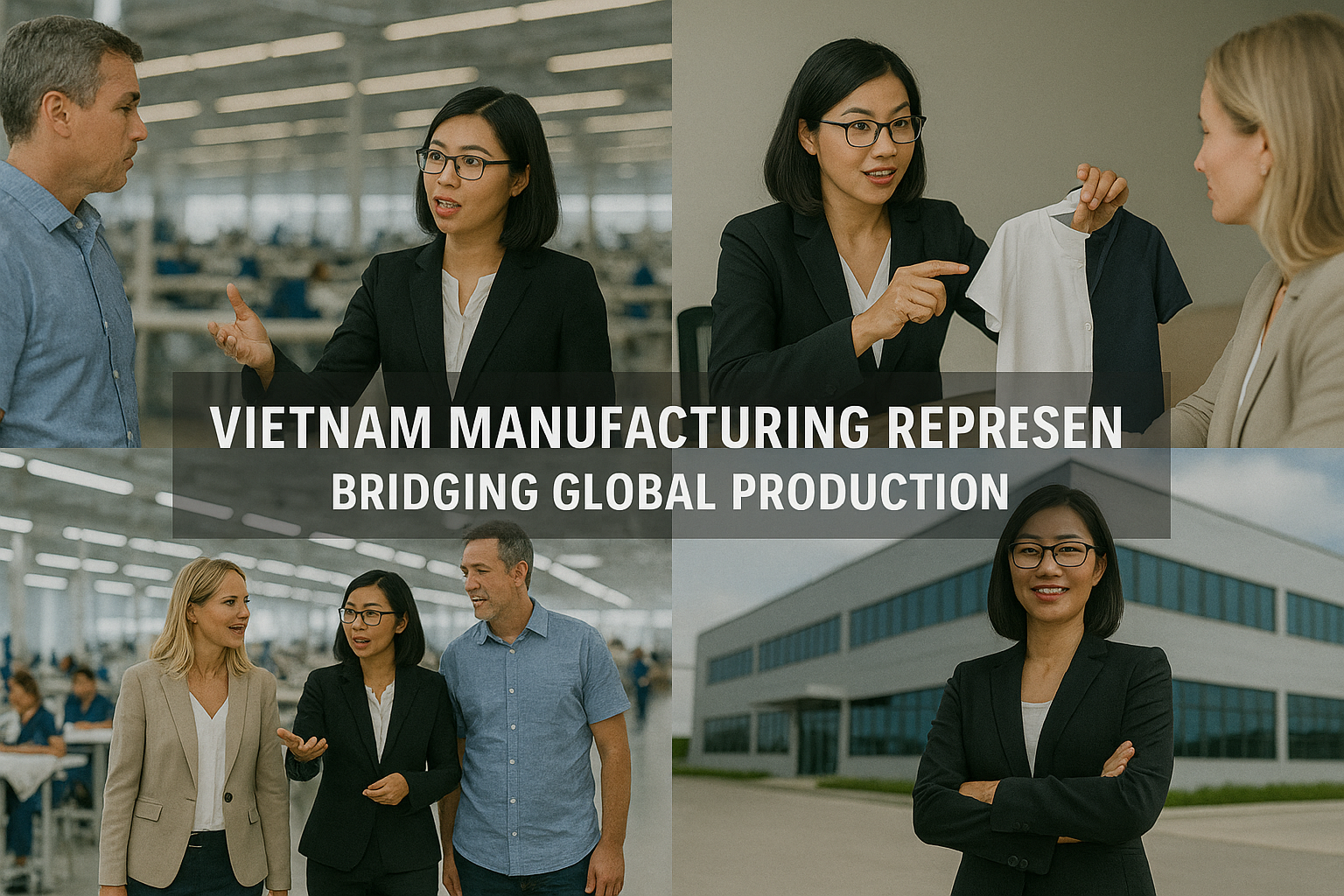
Sourcing directly from Vietnam can be complex. Uncover the practical steps to find reliable wholesale suppliers and distributors in Vietnam and optimize your sourcing strategy.
Navigating Legal and Regulatory Requirements for Wholesale Businesses in Vietnam
Successfully engaging in bán buôn ở Việt Nam requires a thorough understanding and adherence to the complex web of legal and regulatory requirements. This section serves as a practical guide to help wholesale businesses navigate the legal landscape in Vietnam, ensuring compliance and minimizing potential risks. We’ll delve into key aspects, from business registration and licensing to import/export regulations and industry-specific requirements.
Understanding the legal framework for wholesale operations in Vietnam begins with proper business registration. The type of business entity you choose (e.g., Limited Liability Company, Joint Stock Company) will dictate the specific registration procedures required by the Department of Planning and Investment. For instance, establishing a foreign-invested enterprise (FIE) involves a more complex process than registering a domestic business. The registration certificate is the foundational document allowing your company to legally operate and engage in wholesale activities.
Beyond business registration, securing the necessary licenses and permits is crucial for compliant wholesale operations. Depending on the products you intend to wholesale, you may need specific licenses related to import/export, food safety, or specific industry regulations. For example, businesses dealing in pharmaceuticals, alcohol, or tobacco are subject to stringent licensing requirements. Thorough research into relevant regulations is paramount; ignorance of the law is not an excuse. A good example is Circular 08/2013/TT-BCT guiding Decree 110/2005/ND-CP regulating wholesale activities.
Import and export regulations are a critical consideration for wholesale businesses involved in cross-border trade. Vietnam adheres to various international trade agreements and has its own set of regulations governing the import and export of goods. Businesses must understand customs procedures, tariffs, and non-tariff barriers to trade. Correctly classifying goods according to the Harmonized System (HS) code is essential for accurate import duties and compliance.
Ensuring compliance with industry-specific regulations is essential, as different sectors have unique requirements. For instance, wholesale businesses dealing with food products must comply with food safety regulations stipulated by the Ministry of Health. Similarly, those handling chemicals must adhere to regulations concerning storage, handling, and transportation of hazardous materials. Failure to comply with these regulations can result in hefty fines, business suspension, or even criminal charges.

Ensure your wholesale business in Vietnam operates smoothly. Learn about the critical legal and regulatory requirements for exporting from Vietnam, avoiding potential pitfalls.
Mastering Negotiation and Communication Strategies for Successful Wholesale Deals in Vietnam
Successfully navigating the Vietnamese wholesale market hinges significantly on mastering negotiation and communication strategies. Doing borong di Vietnam requires not just understanding the products and the market, but also the art of building rapport and securing favorable deals. These skills are critical to achieving profitability and sustainability when engaging in wholesale trade within the country.
Effective negotiation in Vietnam necessitates a deep understanding of local business culture and communication nuances. Vietnambizrep understands that cultural sensitivity is paramount; what works in one country may not be effective in Vietnam. Building trust, respect, and long-term relationships are often prioritized over short-term gains. For instance, direct confrontation should be avoided, and indirect communication styles are commonly used to save face.
Therefore, to navigate the complexities of negotiation and communication in Vietnamese wholesale, it’s crucial to consider the following:
- Building Relationships: Focus on establishing personal connections and demonstrating respect for Vietnamese customs and traditions. For example, begin meetings with polite greetings and engage in small talk before diving into business matters. A small gift can also go a long way in creating a positive first impression.
- Understanding Communication Styles: Be aware that Vietnamese communication can be indirect, and “yes” may not always mean agreement. Pay attention to non-verbal cues and seek clarification when needed. Instead of directly disagreeing, a Vietnamese partner might say “that is difficult” or “we will consider it carefully.”
- Preparing Thoroughly: Research your counterpart, their company, and the market conditions. Having a clear understanding of your own objectives and limitations is equally important. Gather data on market prices, competitor offerings, and relevant regulations to support your negotiation position.
- Utilizing Interpreters: If you are not fluent in Vietnamese, consider using a professional interpreter to ensure clear and accurate communication. Misunderstandings can be costly, so invest in a skilled interpreter who understands both the language and the cultural context.
- Flexibility and Patience: Be prepared to compromise and adapt your approach as needed. Vietnamese business negotiations often take time, so patience is essential. Avoid setting rigid deadlines and be willing to explore alternative solutions that meet the needs of both parties.
Furthermore, consider leveraging the power of active listening and cultural empathy. Demonstrate a genuine interest in understanding your counterpart’s perspective and needs. By showing respect and building a strong relationship, you are more likely to achieve successful wholesale deals in Vietnam.
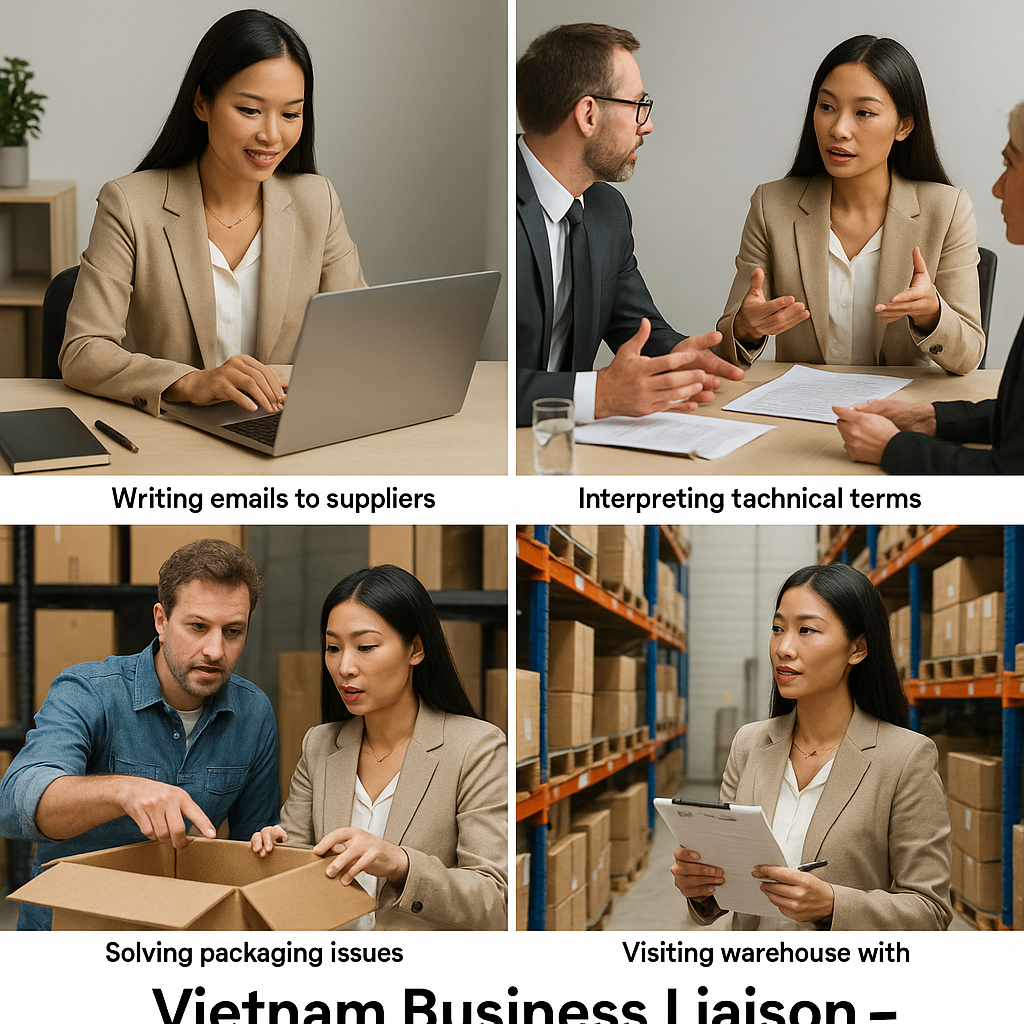
Optimizing Logistics and Supply Chain Management for Wholesale Operations in Vietnam
Optimizing logistics and supply chain management is critical for successful wholesale operations in Vietnam, ensuring efficiency, cost-effectiveness, and timely delivery of goods within the booming Vietnamese market. Effective supply chain management impacts directly on profitability and competitiveness when distributing wholesale goods in Vietnam.
To achieve a streamlined supply chain, wholesale businesses in Vietnam must focus on several key areas. Firstly, demand forecasting is essential. Accurately predicting consumer demand allows businesses to optimize inventory levels, reducing both stockouts and excess inventory. Implementing a robust forecasting system, leveraging historical data and market trends, is crucial. For instance, a garment wholesaler could analyze past sales data during Tet holiday to forecast demand for traditional clothing, adjusting their inventory accordingly. Secondly, supplier relationship management plays a pivotal role. Building strong, collaborative relationships with reliable suppliers ensures a consistent supply of quality goods at competitive prices. This involves clear communication, transparent contract terms, and regular performance evaluations. A food wholesaler, for example, may establish long-term contracts with local farmers, guaranteeing a stable supply of fresh produce and supporting local agriculture. Thirdly, transportation optimization is key to minimizing costs and delivery times. Selecting the most efficient transportation modes (road, rail, sea, or air) based on factors like distance, urgency, and cost is crucial. Investing in route optimization software and partnering with reputable logistics providers can further enhance transportation efficiency.
Finally, warehouse management impacts on the ability to meet demand in a timely and cost-effective manner. Optimizing warehouse layout, implementing inventory management systems (e.g., FIFO or FEFO), and utilizing technology such as barcode scanning and RFID can improve storage efficiency, reduce errors, and accelerate order fulfillment. A hardware wholesaler, for example, could use RFID tags to track inventory in real-time, minimizing the risk of lost or misplaced items.
- Demand Forecasting: Implementing systems that leverage historical data to accurately predict customer demand.
- Supplier Relationship Management: Building strong relationships to secure reliable supply and competitive pricing.
- Transportation Optimization: Selecting efficient transportation modes to minimize costs and delivery times.
- Warehouse Management: Utilizing technology and optimized layouts to improve storage efficiency and order fulfillment.
By focusing on these key areas, wholesale businesses in Vietnam can significantly enhance their logistics and supply chain management, ultimately driving profitability and competitiveness in the dynamic Vietnamese market.

Minimizing Risks and Ensuring Due Diligence in Wholesale Trade in Vietnam
Navigating the world of wholesale trade in Vietnam successfully requires a proactive approach to minimizing risks and conducting thorough due diligence. Expanding your borong di vietnam operations demands careful consideration of potential pitfalls and a robust strategy to safeguard your investment. This section provides a practical guide to identify and mitigate key risks inherent in the Vietnamese wholesale market, ensuring a more secure and profitable venture for Vietnambizrep clients.
Thorough due diligence is not just a formality; it’s a cornerstone of successful wholesale operations. It involves a comprehensive investigation and assessment of potential partners, suppliers, and market conditions. By conducting proper background checks and market analysis, businesses can reduce the likelihood of encountering fraud, misrepresentation, or other detrimental issues that could negatively affect their bottom line.
Several critical risk areas demand attention when engaging in wholesale trade within Vietnam:
- Supplier Verification: It’s crucial to verify the legitimacy and reliability of your suppliers. This includes confirming their business registration, production capacity, quality control processes, and adherence to ethical labor practices. A factory visit, either in person or virtually, can provide valuable insights.
- Product Quality Control: Implementing stringent quality control measures is essential to ensure that the products you receive meet the agreed-upon standards. This may involve conducting pre-shipment inspections, testing product samples, and establishing clear quality specifications with your suppliers.
- Contractual Agreements: Having well-defined and legally sound contracts is paramount in protecting your interests. Contracts should clearly outline the terms of the agreement, including pricing, payment terms, delivery schedules, quality standards, and dispute resolution mechanisms. Consulting with a local legal expert is highly recommended.
- Intellectual Property Rights: Protecting your intellectual property (IP) is crucial in Vietnam, where IP infringement can be a significant concern. Registering your trademarks and patents with the relevant authorities can help safeguard your brand and products.
- Financial Risks: Carefully assessing the financial stability of your suppliers and customers is vital. Conducting credit checks and establishing secure payment methods can help mitigate the risk of non-payment or financial losses.
- Regulatory Compliance: Understanding and adhering to all applicable Vietnamese laws and regulations is essential for avoiding penalties and legal issues. This includes import/export regulations, customs procedures, product safety standards, and labor laws.
To effectively manage risks and ensure due diligence, consider the following steps:
- Conduct thorough background checks: Verify the business registration, legal standing, and reputation of potential partners and suppliers.
- Perform site visits: If possible, visit the supplier’s factory or premises to assess their production capacity, quality control processes, and working conditions.
- Obtain references: Request references from other customers and contact them to inquire about their experiences with the supplier.
- Consult with local experts: Engage with legal and financial advisors who have expertise in Vietnamese business practices and regulations.
- Secure insurance coverage: Obtain appropriate insurance policies to protect against potential risks, such as product liability, cargo damage, or business interruption.
By proactively addressing these risk areas and implementing robust due diligence procedures, Vietnambizrep’s clients can minimize potential losses and maximize their chances of success in the dynamic Vietnamese wholesale market, ensuring the borong di vietnam experience is both profitable and sustainable.

Vietnam Biz Rep helps overseas buyers find suppliers, verify factories, coordinate samples, inspect goods, and follow up production in Vietnam. Learn more about our Vietnam sourcing agent services or contact us to discuss your sourcing requirements.
